High Caul Cap
Also known as: An Coilear Ban, The High-Caul Cap, High Cauled Cap
History & Cultural Context
The dance opens with the four couples leading around the ring, then works through a body of movements that recurs between the figures, so its considerable length comes from repetition of shared material rather than from an unbroken sequence of new content. The recurring material includes ring movements, advance and retire, sidestepping around the ring and turning of partners and opposites, with the leading and side couples taking their turns in the figures. The step vocabulary is the ordinary ceili vocabulary in jig time, principally the sidestep with its sevens and threes and the promenade step for travelling, with the rising step used where the music calls for it in place. As a group dance it depends on all eight dancers holding the square and hitting the phrase together, and it is normally taught from the standardised version rather than passed on informally. The English title refers to a style of woman's cap and to the jig tune of the same name, and the Irish title is not a literal translation of it.
Cultural Significance
It belongs to the body of figure dances gathered, standardised and promoted during the Gaelic revival, and it reached its modern shape through twentieth-century publication and teaching rather than through undisturbed local transmission. Since then it has been taught in dance schools across Ireland and throughout the diaspora, and it functions both as social dancing at a ceili and as a school dance learned as part of a syllabus. That double role is unusual: most historical group dances lost their social life when they gained an official version, and this one did not.
Characteristic Movement & Technique
Dancers hold a square of four couples and move in and out of a closed ring, with advance and retire taken on the promenade step and travel around the ring taken on the sidestep, leading with one foot and closing behind. The carriage is upright with the arms held down at the sides in the taught style, the turnout is maintained and the elevation comes from the ankles rather than from the knees or the body. Turns are taken in two hands with the couple pulling slightly against each other to hold the centre, and the recurring ring formation means dancers are constantly opening the square out and closing it again.
Partnering Dynamics
A set dance for four couples, not a couple dance. You turn and travel with your partner, but you also work with the opposite and with the couples on either side, and the shape of the dance is held by the whole group rather than by any pair.
Competitive Context
This one has a real competitive life. Ceili and figure team competitions at feiseanna, and at regional and world championships, draw on a prescribed list of ceili dances, and eight-hand dances of this kind appear regularly; teams rehearse for months and are marked on timing, formation, uniformity of footwork and carriage. Competition demands the standardised version exactly as published, with arms held at the sides and no local embellishment, which is a stricter proposition than the same dance at a social ceili.
Regional Variations
The main split is not geographic but between the standardised competition version and the looser social version danced at ceilithe, where simplified steps and slightly different figure handling are tolerated. Diaspora teaching follows the standard closely, because it feeds the same competitive circuit. Older local practice in Ireland admitted variation in figure order and in which movements made up the body, and traces of that survive in social settings.
Common Misconceptions
The name causes most of the confusion: it refers to a style of woman's cap and to the jig tune, not to anything worn or carried while dancing, and the Irish title is a separate name rather than a translation. It is also sometimes mistaken for a couple dance, when it is a four-couple figure dance. Any account connecting it to twentieth-century partner-dance material or to social club dancing is describing a different dance entirely.
Peak Popularity
Signature Figures
- Lead around
- The body
- Ring, advance and retire
- Sidestep around the ring
- Turning partner and opposite
Notable Codifiers
- An Coimisiun le Rinci Gaelacha (the Irish Dancing Commission)
High Caul Cap Playlists
Curated collections on the LODance YouTube channel — performances to watch, lessons to learn from, and the right music to practice with. Tap a collection to play.
▶ Practice Music · Open on YouTube →
Sources & Further Reading
Where This Dance Is Documented
UCWDC syllabus
An editor's note on where the technique for this dance is actually written down — sometimes a named book, sometimes the fact that no such book exists. A judgement, not a count of what we hold.
Cultural & Historical Context
High Caul Cap emerged from Ireland during the 1900s—present day. Understanding the cultural roots, musical traditions, and social circumstances of this era enriches appreciation for the dance's characteristics and significance.
Formative Influences
Codifiers & Standardizers:
An Coimisiun le Rinci Gaelacha (the Irish Dancing Commission)
Signature Movement Vocabulary:
Lead around, The body, Ring, advance and retire, Sidestep around the ring, Turning partner and opposite
Primary Source Documents
The Library of Dance contains public-domain primary sources for dance history. Copyrighted modern syllabi are indexed with purchase links to their respective copyright owners. Search by dance name or codifier to discover primary source documents.
Last reviewed: September 2026 — This dance profile synthesizes historical research, cultural documentation, and contemporary practice knowledge to provide authoritative context.
Related Dances
More in Regional Folk Traditions
Country Line Dancing
Choreographed, partnerless country/western line dancing—unison step sequences performed in lines—distinct from country/western partner dances.
Modern Western Square Dance
Caller-led club square dancing with standardized programs—four couples execute called figures in a square, modeled on but distinct from historic square dance.
Sevillanas
Andalusian folk couple dance of the Seville fair, danced in four set coplas—related to but distinct from flamenco.
Klezmer Dance
Celebratory Ashkenazi Jewish dance tradition—circle, line, and couple figures such as the hora, freylekhs, sher, and bulgar—danced to klezmer music at weddings and simchas.
Regional Folk Traditions in art
Browse the gallery →Works from the wider Regional Folk Traditions tradition — we have not yet identified enough that depict High Caul Cap specifically.
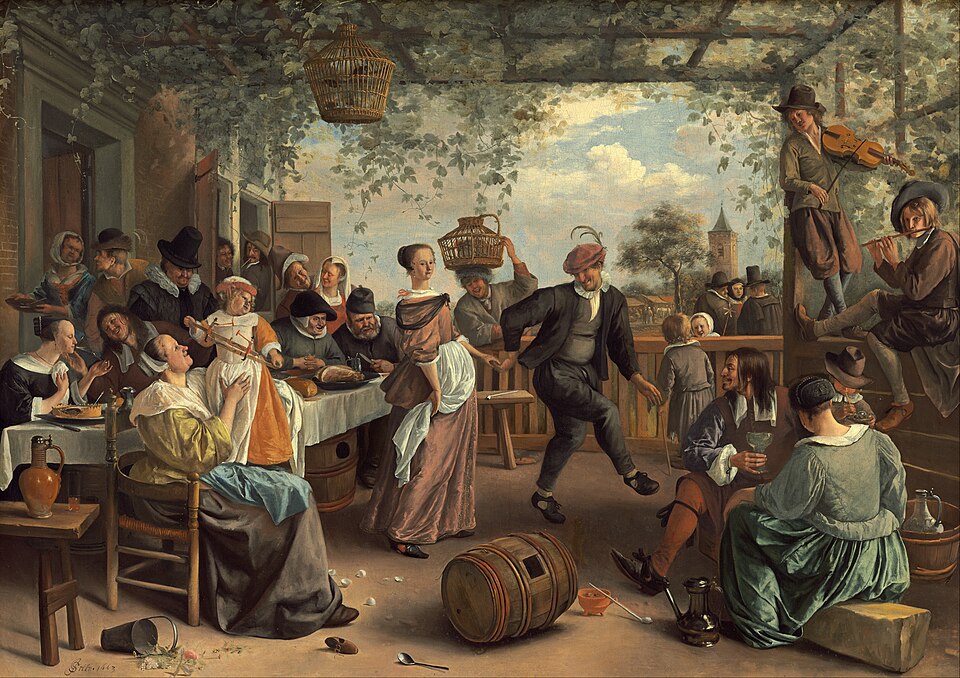
Dancing Couple
Jan Steen
public_domain
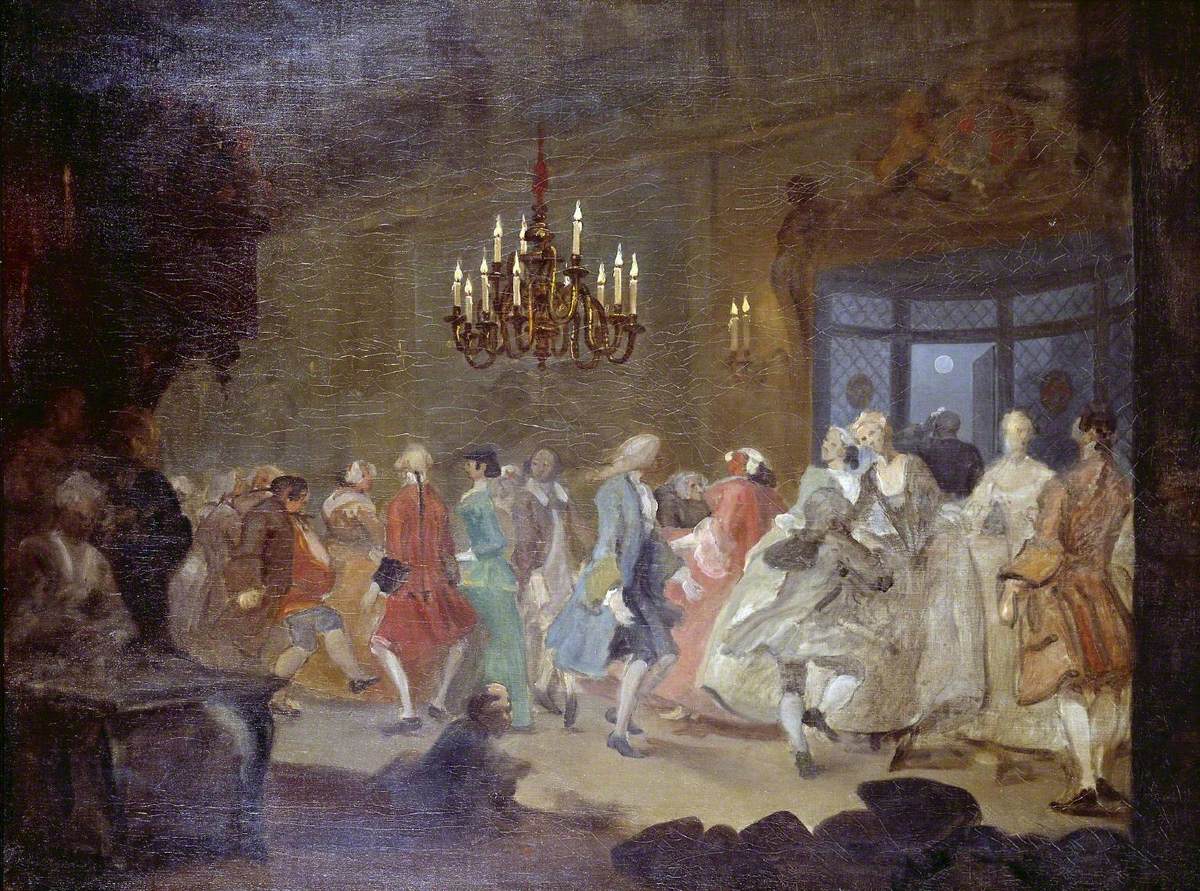
The Country Dance
William Hogarth
public_domain
Oriental dance
Unknown artist · 2019
public_domain
Scottish dancing
Unknown artist
public_domain
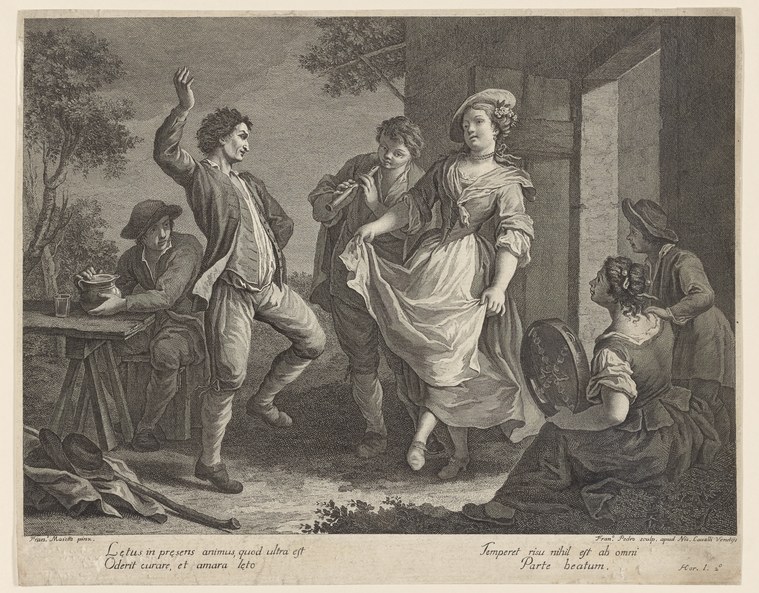
Peasant dance
Unknown artist
public_domain
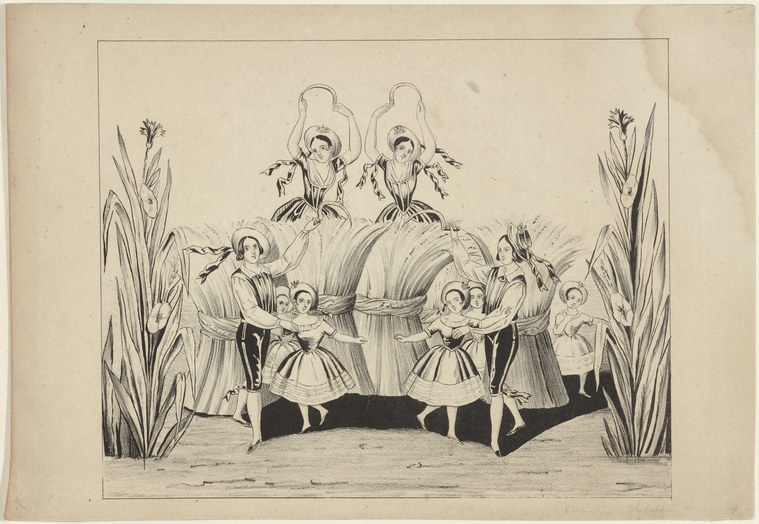
Harvest dance
Unknown artist · 2019
public_domain
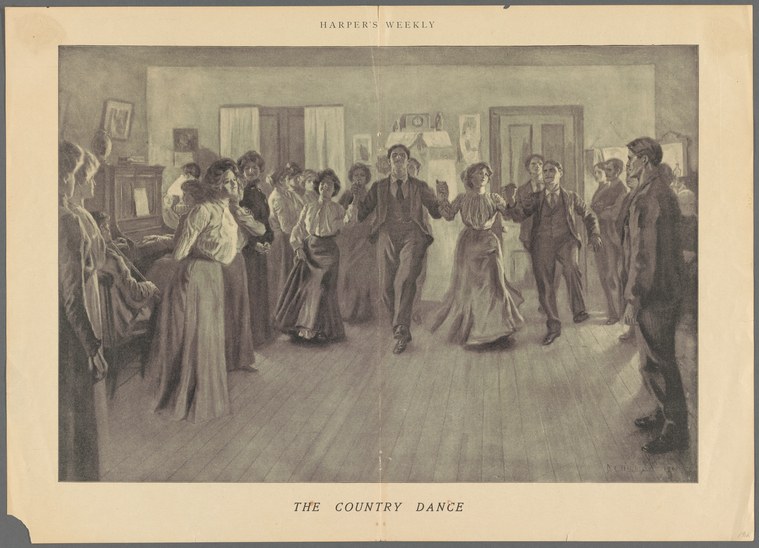
The country dance
Unknown artist · 2023
public_domain
The country dance
Unknown artist · 2023
public_domain
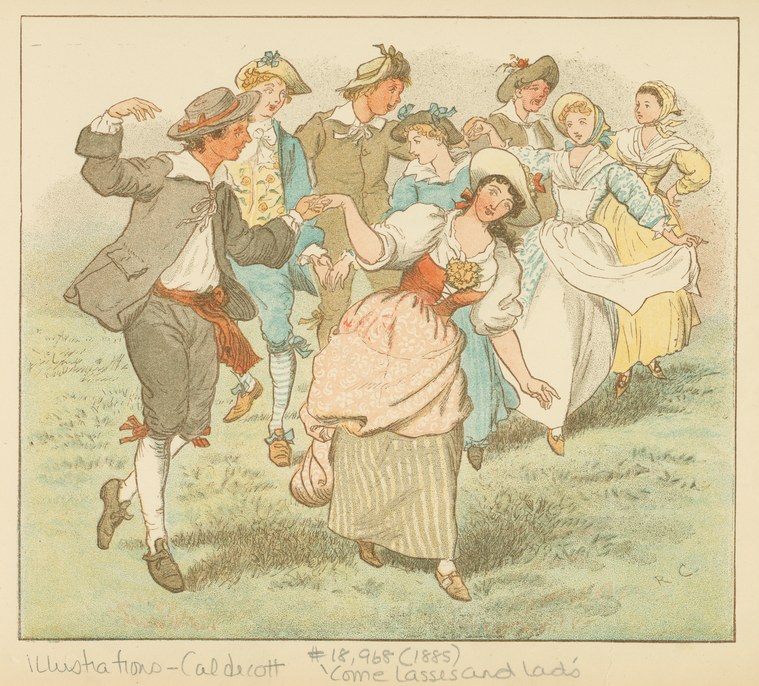
Dancing on the green
Unknown artist · 2020
public_domain
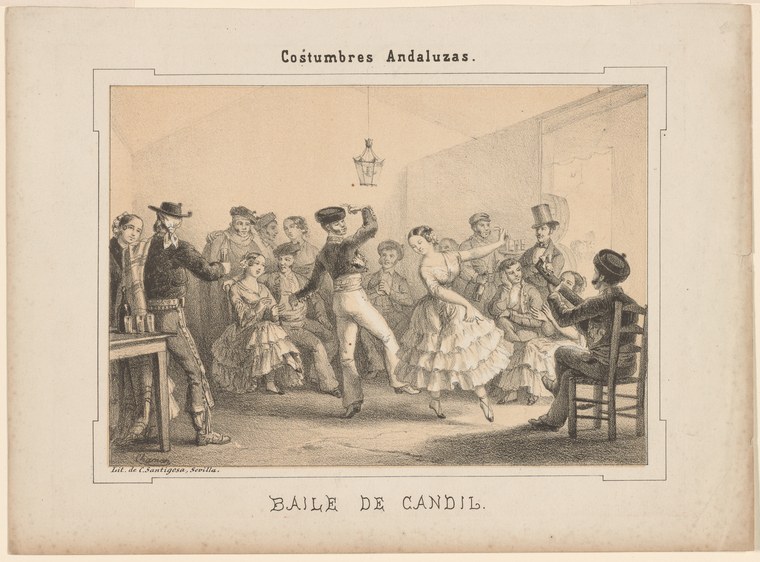
Spanish dancing
Unknown artist
public_domain
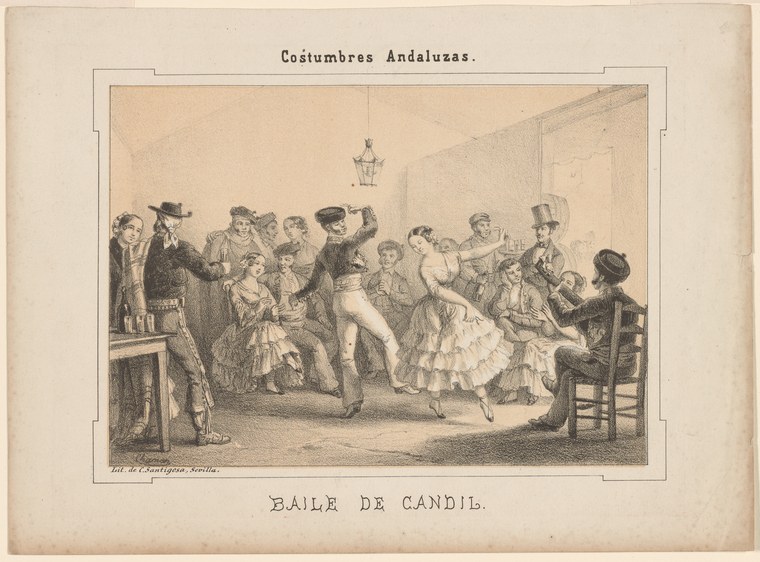
Spanish dancing
Unknown artist · 2019
public_domain
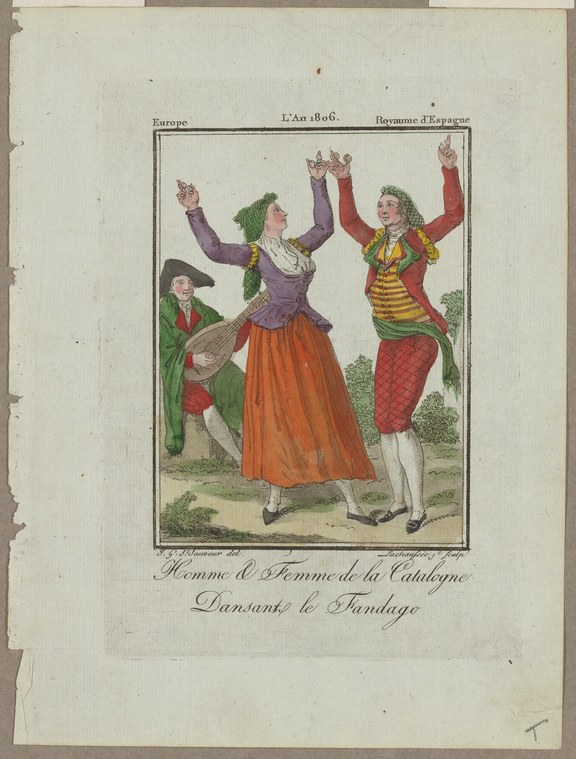
Spanish dancing
Unknown artist · 2019
public_domain
Continue Exploring
Lineage of Dance
500 years of dance evolution
Champions of Dance
Winners of marquee national & world titles
Language of Dance
161 dance terms & translations
Listening of Dance
Tempo, timing & musicality tools
Gallery of Dance
5,700+ artworks from museum collections
Attire of Dance
Evolution of dance dress across eras
Keep the thread going
Dance history, technique, and the occasional rabbit hole — in your inbox. Thoughtful, infrequent, unsubscribe anytime.
Free. No spam. One click to leave.