Reel
Also known as: Foursome Reel, Reel of Three, Reel of Four, Ríl
- Origin
- Scotland, spreading early to Ireland and northern England
- Era
- 1600–1700
- Rhythm
- 4/4 or 2/2 with even, undotted eighth notes
- Tempo
- Roughly 110-130 BPM in 4/4
- Character
- quick, flowing, sociable, driving, light, continuous
History & Cultural Context
Clear references to reels appear in Scotland from the sixteenth and seventeenth centuries, and the form is defined less by any fixed sequence than by its structure: dancers weave a figure of eight past one another — the reel of three or reel of four — then stop and set, dancing energetic steps in place, then weave again. The music is in 4/4 or cut time with a steady run of even eighth notes and no dotting, which is what makes it feel faster and lighter than a hornpipe at the same metronome mark. The foursome reel was the standard Highland social version, and reels travelled with Scottish and Irish emigration into Cape Breton, New England, Appalachia and Australia, where the interweaving figure survives inside contra dance and square dance as the hey. In Ireland the reel became the most common and fastest of the soft-shoe competition dances, danced with Irish step technique rather than Scottish, and in Scottish Highland competition it survives in set pieces such as the Highland Reel and the Reel of Tulloch. It also stands as the quick companion to the strathspey, the two frequently danced and played as a pair with the reel supplying the release.
Cultural Significance
The reel was the ordinary social dance of Scottish communities for centuries, danced at weddings, harvest gatherings and any occasion with a fiddler, and its small four-person set meant it needed neither a large hall nor a caller. Church disapproval of dancing in some periods pushed it into houses and barns without much reducing it. In Ireland and in emigrant communities abroad it served the same function, and in the twentieth century it moved substantially into the organised worlds of country dance societies and competitive step dancing.
Characteristic Movement & Technique
Travelling is done with a light springing travelling step, the weight kept up and the path curving continuously as dancers pass alternately by right and left shoulders. Setting steps are danced on the spot with elevation and turned-out legs, and this is where technical display lives — the Highland setting steps involve beats of the free foot against the supporting ankle and calf. The upper body stays erect and the arms are held either at the sides or raised, depending on tradition, with no leaning into the direction of travel. Irish competitive reels are danced in soft shoes with high, quiet leaps and pointed feet, so that the effect is buoyant rather than percussive.
Partnering Dynamics
A set dance rather than a couple dance in its original form: the classic Scottish reel is for four dancers, or three, who interweave as a group and have no sustained partner hold. There is no closed hold at all in the traditional forms, though dancers may take hands briefly for a turn. The Irish competition reel is danced solo.
Competitive Context
Reels are danced competitively in at least three living systems. Irish feiseanna include the reel as a standard soft-shoe dance at prescribed tempos, Highland competitions under the Scottish Official Board of Highland Dancing include the Highland Reel and the Reel of Tulloch, and Scottish country dance events run team and demonstration competitions in which reel-time dances feature heavily. Cape Breton step dancing sustains a separate percussive reel tradition with its own competitions and gatherings.
Regional Variations
Scottish reels emphasise the set structure and Highland setting technique; Irish reels are faster, denser in step material and largely solo in the competitive tradition. Cape Breton preserves an older percussive style of reel step dancing, close to the floor and tightly tied to the fiddler. In New England and the Canadian Maritimes the reel figure lives on within contra dance as the hey, while the tune type became the backbone of American old-time fiddle repertoire.
Common Misconceptions
The Virginia Reel is not a Scottish reel; it is a longways country dance of English derivation that acquired the name, and it uses different figures. Reel also gets used loosely as a synonym for any fast fiddle tune, which obscures that it names a specific even-eighth-note rhythm distinct from the jig's compound time and the hornpipe's dotted swing. And a reel is not simply a fast strathspey played up to speed; the rhythmic character is fundamentally different.
Signature Figures
- Reel of three
- Reel of four
- Figure of eight
- Setting step
- Hey
Notable Codifiers
- Royal Scottish Country Dance Society
- Scottish Official Board of Highland Dancing
- An Coimisiún le Rincí Gaelacha (the Irish Dancing Commission)
Reel Playlists
Curated collections on the LODance YouTube channel — performances to watch, lessons to learn from, and the right music to practice with. Tap a collection to play.
▶ Performances · Open on YouTube →
Reel Music & Tempo
Drawn from 19 Reel tracks in the LODance music library.
Example tracks at practice tempo
- Winnipeg Reel — Jean Carignan
- Indian Reel — Jean Carignan
- Devil's Dream — Mark O'Connor
- Money Musk — Joseph Guilmette
- Reel St-Jean (St. John's Reel) — Théodore Duguay
- Money Musk — Old New England
Who governs Reel
Federations, councils and examining bodies with a recorded role in this style. No single organization can tell you this — each one knows only itself.
Sources & Further Reading
Cultural & Historical Context
Reel emerged from Scotland, spreading early to Ireland and northern England during the 1600s—1700s. Understanding the cultural roots, musical traditions, and social circumstances of this era enriches appreciation for the dance's characteristics and significance.
Formative Influences
Codifiers & Standardizers:
Royal Scottish Country Dance Society, Scottish Official Board of Highland Dancing, An Coimisiún le Rincí Gaelacha (the Irish Dancing Commission)
Signature Movement Vocabulary:
Reel of three, Reel of four, Figure of eight, Setting step, Hey
Primary Source Documents
The Library of Dance contains public-domain primary sources for dance history. Copyrighted modern syllabi are indexed with purchase links to their respective copyright owners. Search by dance name or codifier to discover primary source documents.
Last reviewed: October 2026 — This dance profile synthesizes historical research, cultural documentation, and contemporary practice knowledge to provide authoritative context.
More in Regional Folk Traditions
Laendler
The Laendler was an Austrian peasant couple dance with turning action that influenced the development of the modern waltz and remains part of Alpine folk traditions.
Country Line Dancing
Choreographed, partnerless country/western line dancing—unison step sequences performed in lines—distinct from country/western partner dances.
Modern Western Square Dance
Caller-led club square dancing with standardized programs—four couples execute called figures in a square, modeled on but distinct from historic square dance.
Sevillanas
Andalusian folk couple dance of the Seville fair, danced in four set coplas—related to but distinct from flamenco.
Klezmer Dance
Celebratory Ashkenazi Jewish dance tradition—circle, line, and couple figures such as the hora, freylekhs, sher, and bulgar—danced to klezmer music at weddings and simchas.
High Caul Cap
An eight-hand Irish ceili figure dance for four couples in a square, danced to a double jig, built from a recurring body that returns between the figures. It is one of the standard dances of the ceili repertoire and has a genuine double life, danced socially at ceilithe and rehearsed by teams for competition.
Strathspey
A Scottish dance and tune type in 4/4 distinguished by the Scotch snap, a short note on the beat followed by a longer dotted one, which gives it a jagged rhythm and a stately, sustained movement quality. It takes its name from the strath, or broad valley, of the River Spey. In both Highland and country dance it is conventionally paired with a reel, the slower dance setting up the faster one.
What did dancers wear?
Reel belongs to the Regency & Victorian (1800s) era. See how attire shaped the choreography — and the other way around.
Explore Regency & Victorian attire →Reel in art
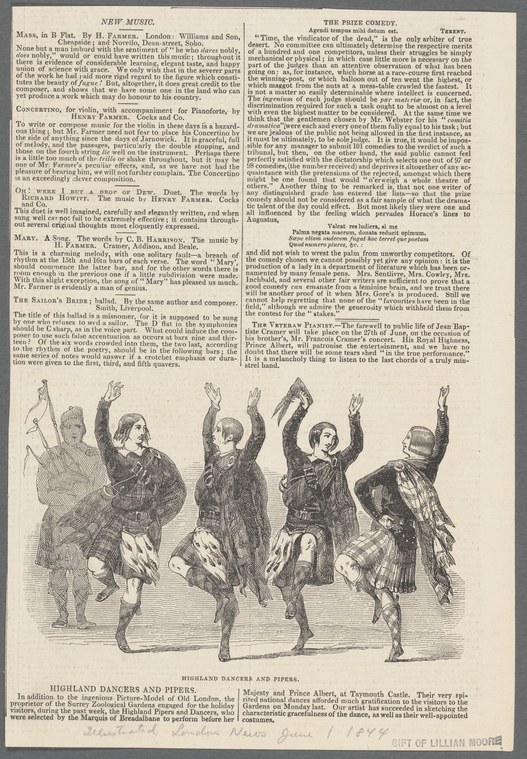
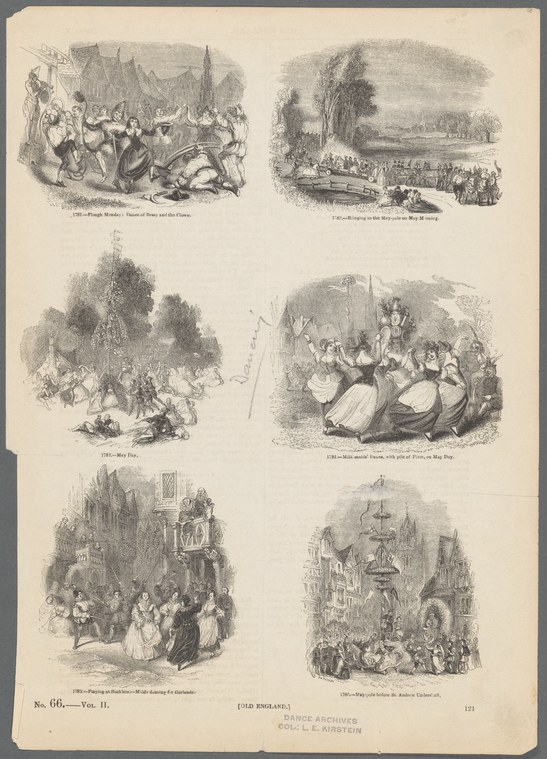
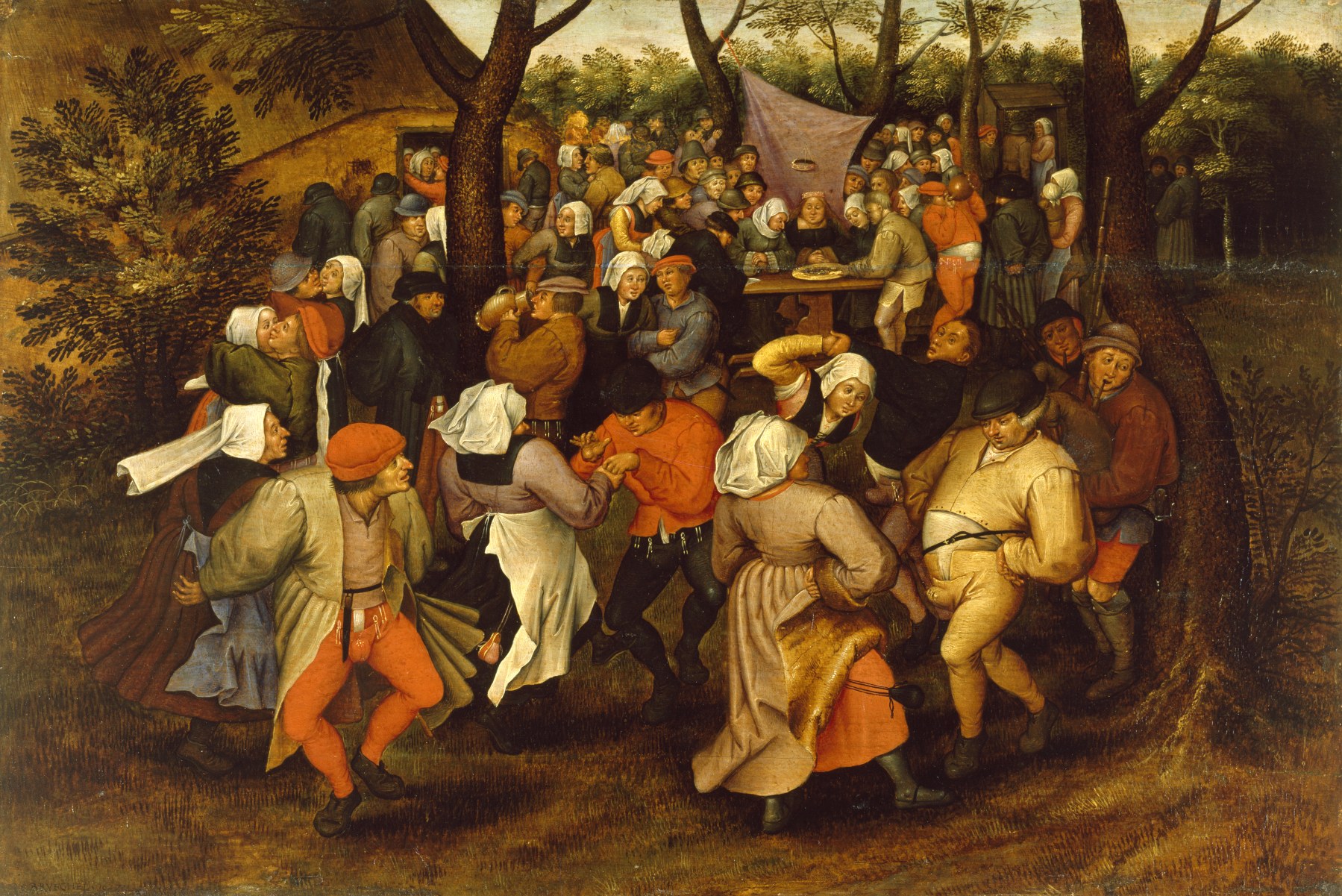
Browse the gallery →Works our catalog identifies as depicting reel.
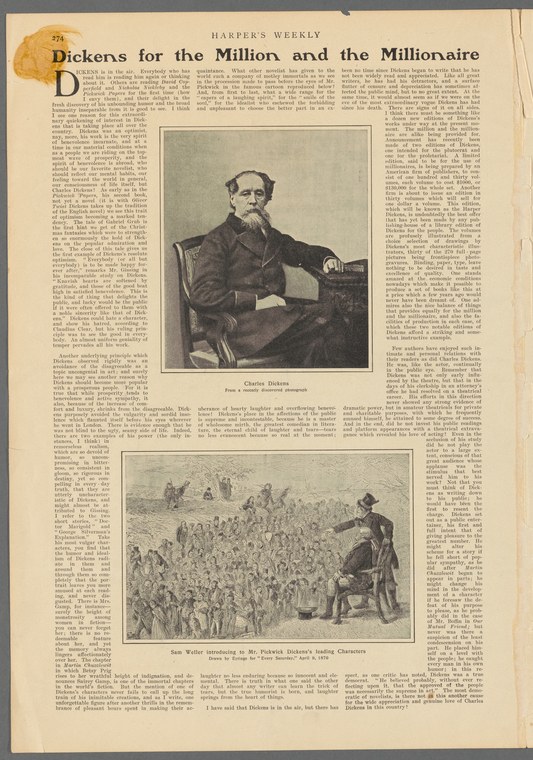
The country dance
Unknown artist · 2023
public_domain
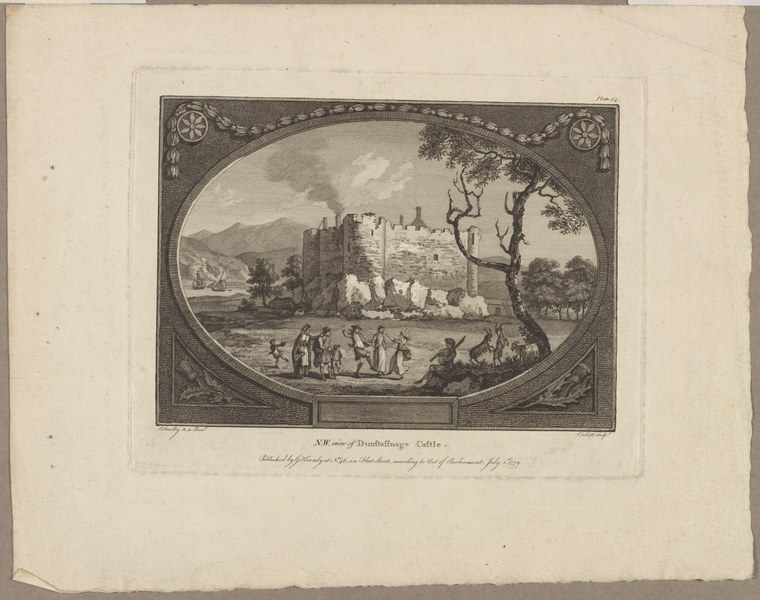
Scottish dancing
Unknown artist · 2019
public_domain
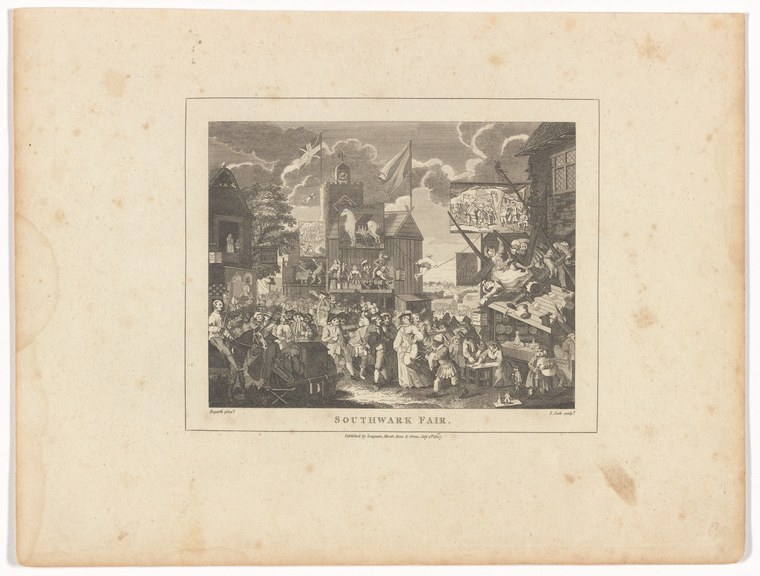
Prints after William Hogarth
Unknown artist
Public Domain
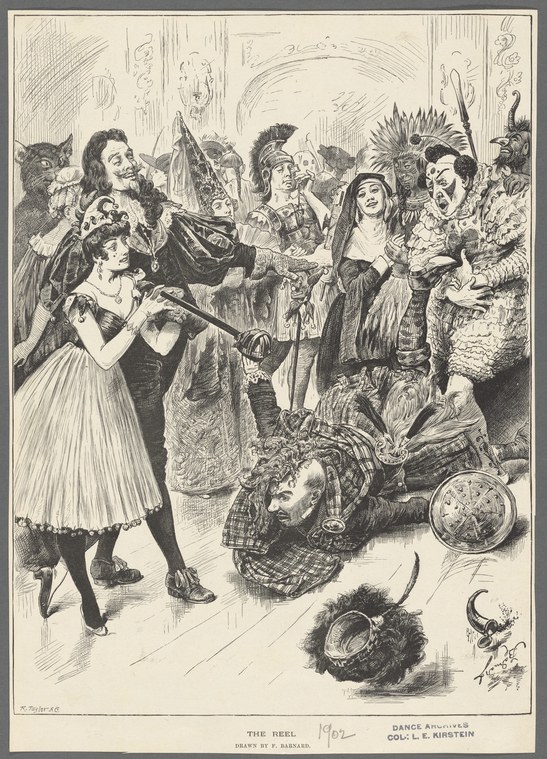
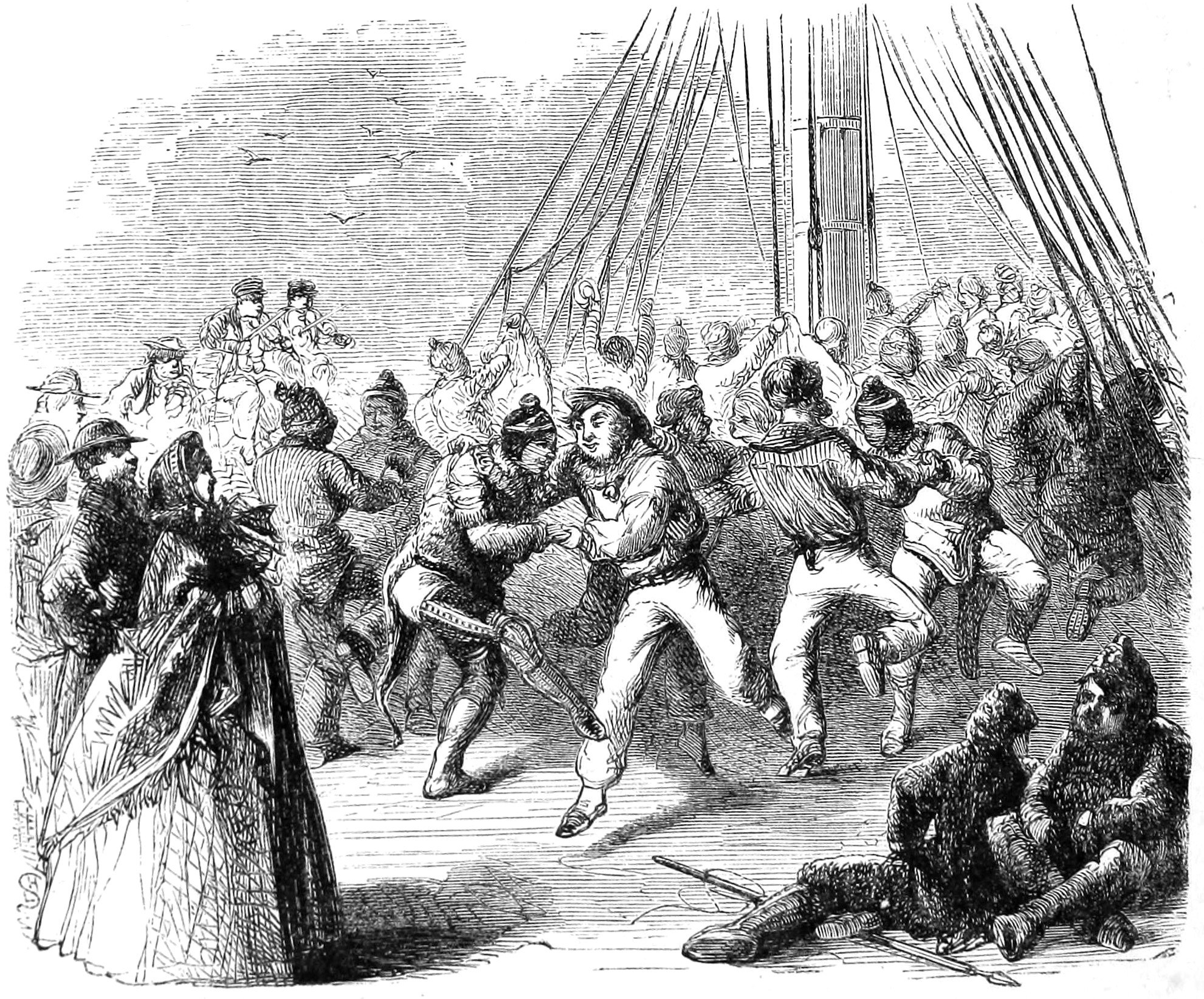
The reel; Breaking up for the holidays
Unknown artist
Public Domain
The reel; Breaking up for the holidays
Unknown artist
Public Domain
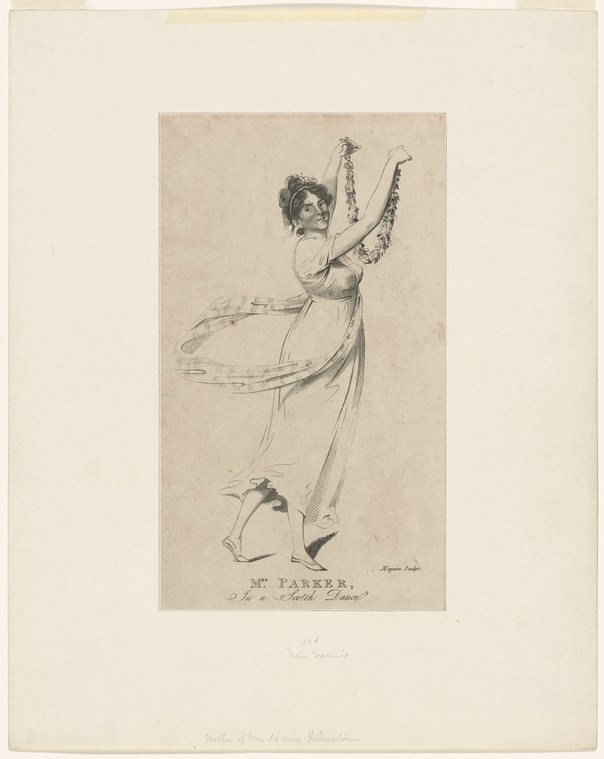
Mrs. Parker in a Scotch dance
Unknown artist
Public Domain
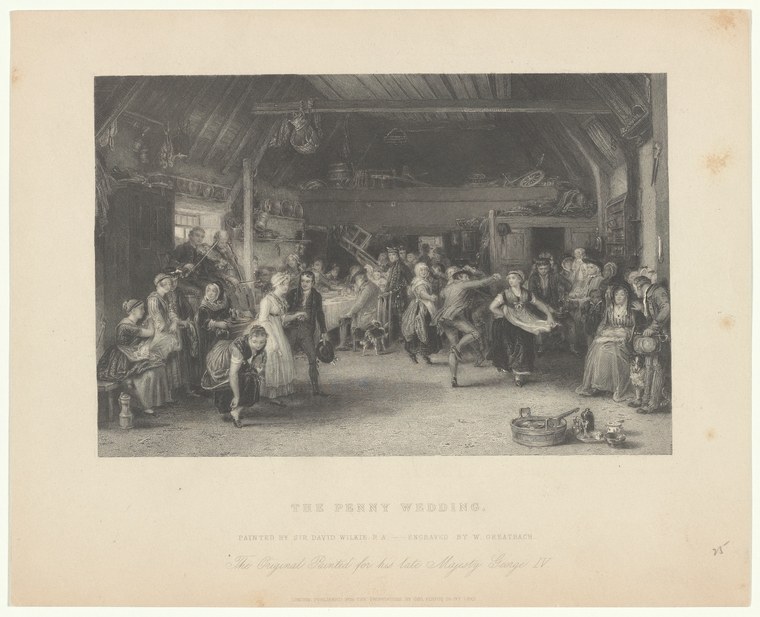
The penny wedding
Unknown artist
Public Domain
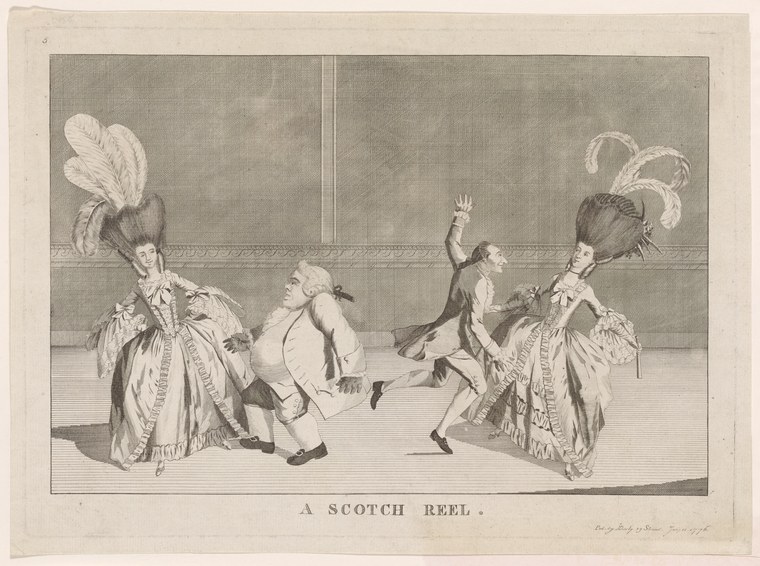
A Scotch reel
Unknown artist
Public Domain
Continue Exploring
Lineage of Dance
500 years of dance evolution
Champions of Dance
Winners of marquee national & world titles
Language of Dance
161 dance terms & translations
Listening of Dance
Tempo, timing & musicality tools
Gallery of Dance
5,700+ artworks from museum collections
Attire of Dance
Evolution of dance dress across eras
Keep the thread going
Dance history, technique, and the occasional rabbit hole — in your inbox. Thoughtful, infrequent, unsubscribe anytime.
Free. No spam. One click to leave.