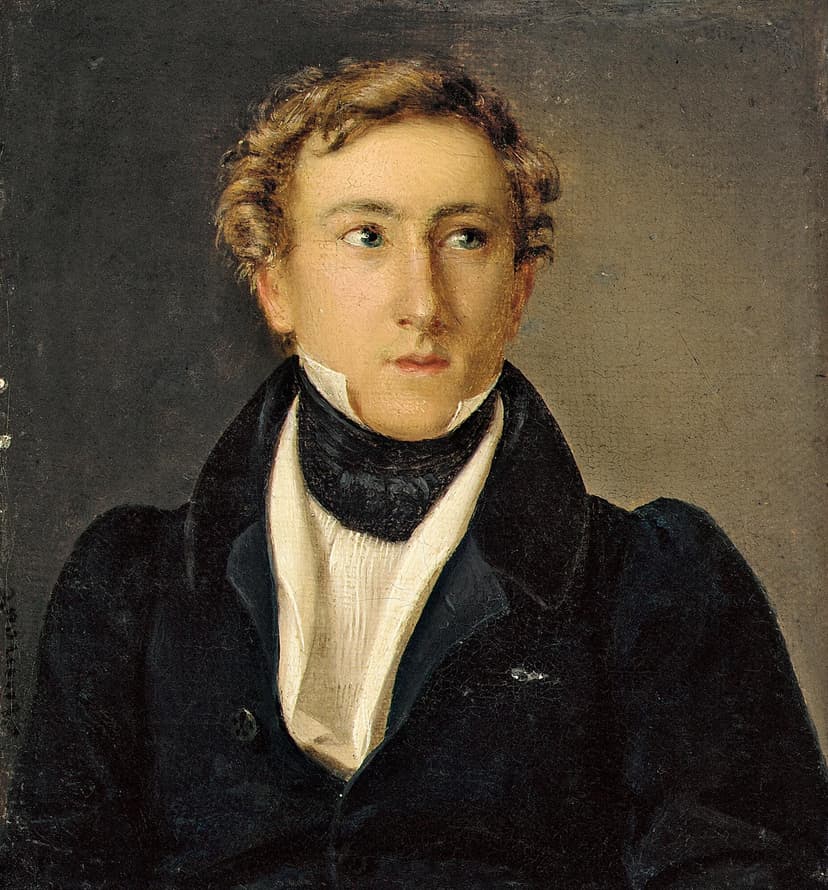
August Bournonville
Legend of Dance
Why They Matter
Bournonville’s importance lies in the rare continuity between a nineteenth-century choreographer’s repertory, a national company, a school, and an embodied style. His ballets preserve Romantic theatrical conventions, but their continued force comes from human-scale characters, rhythmic clarity, acti
Styles August Bournonville shaped
Each one links to the style’s own page — its origins, music, tempo and video.
Biography
August Bournonville was born in Copenhagen on August 21, 1805, into a theatrical family. His father, Antoine Bournonville, was a French-trained dancer and choreographer who led the Royal Danish Ballet; August entered the Royal Ballet School as a child and studied with both his father and Vincenzo Galeotti. His early education combined dance with music, acting, and declamation, foundations that later supported his unusually close integration of technique and mime.
Bournonville first traveled to Paris with his father in 1820 and returned for extended study in 1824. Training with Auguste Vestris and performing at the Paris Opera exposed him to the refined French school at a moment when Romantic ballet was taking shape. He returned to Copenhagen in 1829 as a leading dancer and became ballet master of the Royal Theatre in 1830.
For nearly five decades, Bournonville shaped the Royal Danish Ballet as choreographer, director, and teacher. He created roughly fifty ballets, often writing scenarios and coordinating dance, mime, music, and décor. His 1836 *La Sylphide* was a new choreography to a new score by Herman Severin Løvenskiold, distinct from other versions of the work. It remains central to the Danish repertory and one of the oldest Romantic ballets transmitted through a living performance tradition.
Major works followed: *Napoli* in 1842, *Le Conservatoire* in 1849, *The Kermesse in Bruges* in 1851, and *A Folk Tale* in 1854. These ballets ranged across supernatural, Italian, classroom, civic, and Danish folk settings, yet repeatedly placed virtuosity inside recognizable communities. Bournonville also strengthened the school and company as institutions, expanding education and arguing for dancers' professional standing.
The tradition associated with his name survived through pupils, daily classes, role coaching, and repertory practice. It favors quick and intricate footwork, buoyant jumps, understated upper-body placement, musical phrasing, and transitions that conceal difficulty. Bournonville's ballets also preserve extensive mime and substantial roles for men at a time when many European stages increasingly centered the ballerina.
Bournonville retired from the Royal Danish Ballet in 1877 and died in Copenhagen on November 30, 1879. International recognition grew markedly after the Royal Danish Ballet's postwar touring. Today the surviving works are both historical documents and living repertory, requiring careful coaching because stylistic transmission cannot be recovered from step lists alone.
Career Highlights
Made an early stage appearance in Vincenzo Galeotti’s Lagertha at the Danish court theatre. Kennedy Center
First traveled to Paris, encountering the French ballet tradition that would shape his technical foundation. Atlanta Ballet
Returned to Paris for extended training and performance, including study with Auguste Vestris. American Ballet Theatre
Returned to Copenhagen as a leading dancer with the Royal Danish Ballet. Atlanta Ballet
Became ballet master of the Royal Theatre, beginning nearly five decades of institutional leadership. School of American Ballet
Premiered his Copenhagen version of La Sylphide to music by Herman Severin Løvenskiold. The Joyce Theater
Created Napoli, later one of the most enduring celebrations of the Bournonville style. Oxford Reference
Created Le Conservatoire, drawing on memories of Parisian classroom training. Oxford Reference
Created The Kermesse in Bruges. Oxford Reference
Created A Folk Tale, blending Danish folklore, mime, and classical dance. Jacob’s Pillow
Retired from leadership of the Royal Danish Ballet after an exceptionally long tenure. American Ballet Theatre
Died in Copenhagen on November 30. Kennedy Center
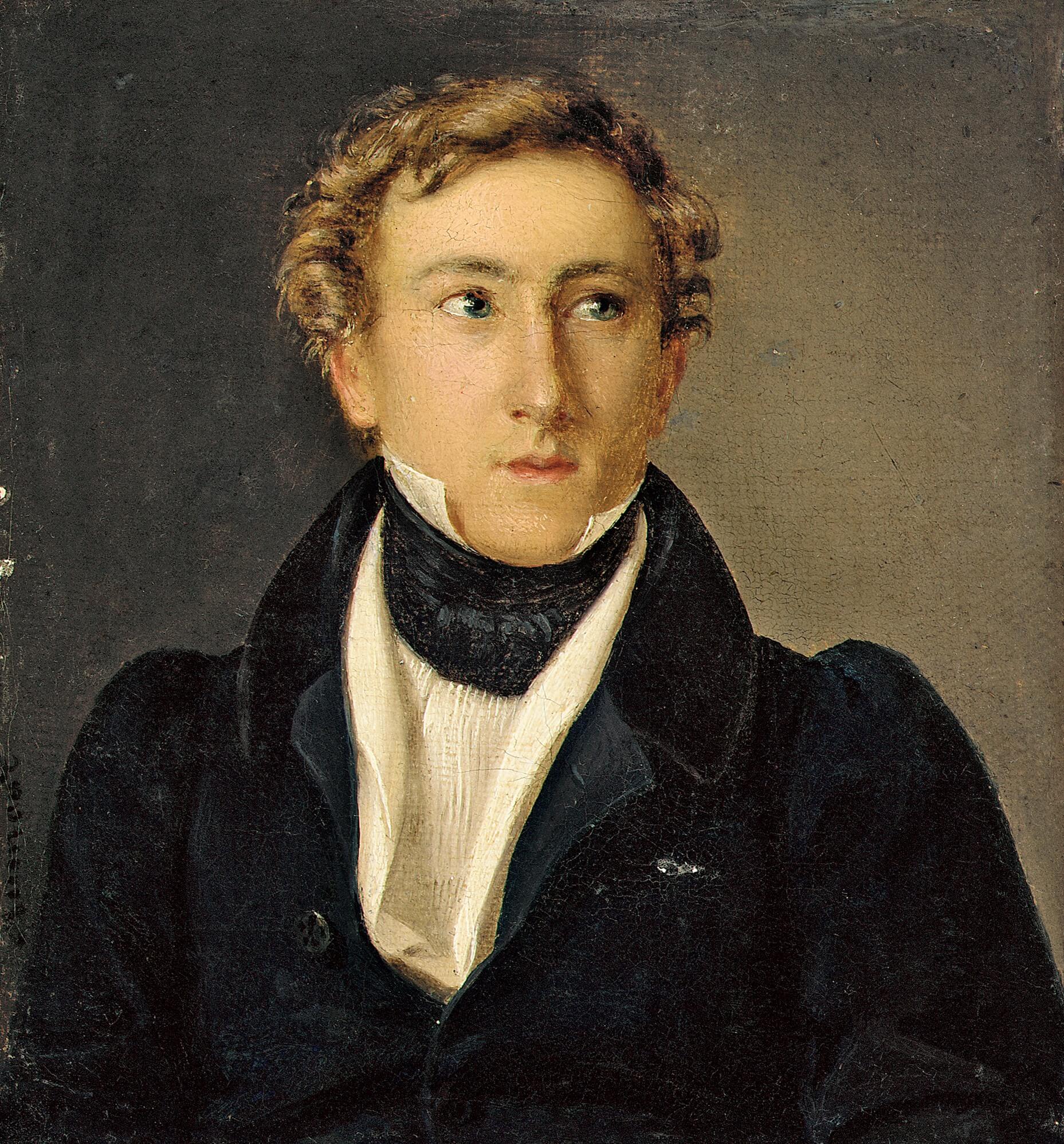
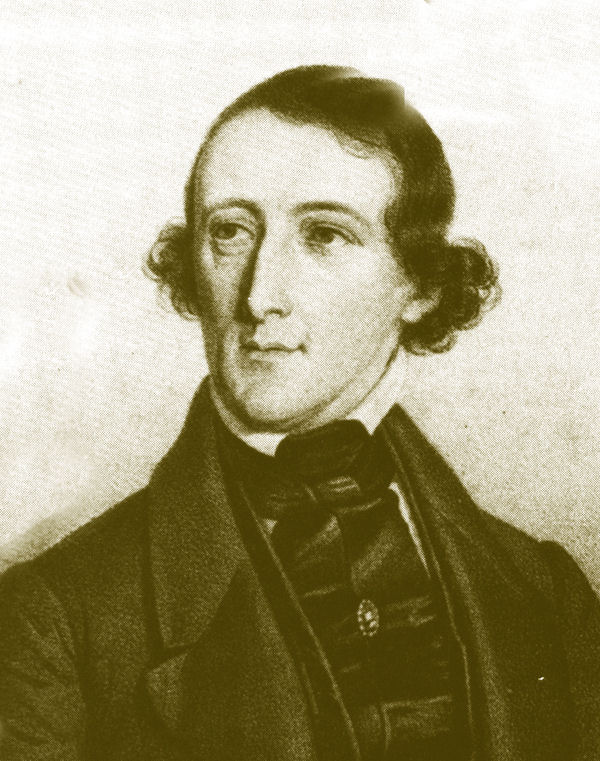
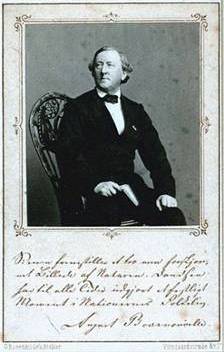
Gallery
Works
13 stage works credited to August Bournonville, 1836–1858.
- La Sylphide (1836)Ballet · Choreographer
- Napoli (1842)Ballet · Choreographer
- Le Conservatoire (1849)Ballet · Choreographer
- The Kermesse in Bruges (1851)Ballet · Choreographer
- A Folk Tale (1854)Ballet · Choreographer
- Abdallah (1855)Ballet · Choreographer
- Flower Festival in Genzano (1858)Ballet · Choreographer
- From Siberia to MoscowBallet · Choreographer
- King's Volunteers on AmagerBallet · Choreographer
- Bridal Movements in HardangerBallet · Choreographer
- Far from DenmarkBallet · Choreographer
- La VentanaBallet · Choreographer
- Bournonville DivertissementsBallet · Choreographer
Credits sourced from Wikidata (CC0), one citation per field. Works without a recorded premiere date are listed last. Titles link to the work in Limelight.
Legacy & Impact
Bournonville's importance lies in the rare continuity between a nineteenth-century choreographer's repertory, a national company, a school, and an embodied style. His ballets preserve Romantic theatrical conventions, but their continued force comes from human-scale characters, rhythmic clarity, active male dancing, and a belief that technique should serve musical and dramatic communication. The tradition offers dancers an unusually rich case of living transmission—valuable precisely because each revival also raises questions about coaching, adaptation, and how style survives across generations.


Explore More Legends
Discover the dancers, teachers, choreographers, and cultural icons who shaped how the world moves.
Keep the thread going
Dance history, technique, and the occasional rabbit hole — in your inbox. Thoughtful, infrequent, unsubscribe anytime.
Free. No spam. One click to leave.