Burlesque & Neo-Burlesque
Also known as: Burlesque, Neo-burlesque, Tease
History & Cultural Context
Burlesque began as a 19th-century theatrical variety and parody tradition and became associated with the striptease 'tease' in the early 20th century. From the 1990s a 'neo-burlesque' revival reframed it as a performance art emphasizing character, costume, glamour, satire, humor, and consent-forward, performer-driven empowerment. Acts build around the reveal, theatrical persona, and audience play rather than mere nudity.
Cultural Significance
A stage-performance tradition; neo-burlesque is often framed as body-positive, performer-led art.
Characteristic Movement & Technique
Theatrical character work, costume and glove/fan choreography, the staged reveal, and audience play.
Partnering Dynamics
Solo and troupe; stage performance.
Competitive Context
Cabaret, festivals, and competitions (neo-burlesque circuit).
Regional Variations
Classic vs. neo-burlesque; troupe styles.
Common Misconceptions
Burlesque is a theatrical art of tease and character, not simply stripping; neo-burlesque in particular emphasizes performance, satire, and empowerment.
Burlesque & Neo-Burlesque Music & Tempo
Drawn from 22 Burlesque & Neo-Burlesque tracks in the LODance music library.
Example tracks at practice tempo
- The Beautiful People — Christina Aguilera
- Lonely Little G-String — Sonny Lester Orchestra
- You Haven't Seen the Last of Me — Cher
- Tough Lover — Christina Aguilera
- Welcome to Burlesque — Cher
- I Feel a Sin Comin' On — Pistol Annies
Who governs Burlesque & Neo-Burlesque
Federations, councils and examining bodies with a recorded role in this style. No single organisation can tell you this — each one knows only itself.
Burlesque & Neo-Burlesque in performance
2 staged works in the Limelight catalogue contain Burlesque & Neo-Burlesque, 1975–2003 — 2 of them in a named act or number.
- Zumanity2003Cirque · defining styleThe Rose Boy (later Magnum)
The Rose Boy solo (renamed Magnum from 2015) — A male solo striptease revealing the body progressively through a burlesque-style tease number. Source: "He tantalizes and teases the audience by revealing his chiseled body bit by bit in a sinfully seductive s…
- Chicago1975Musical theatreAct I · All I Care About
Act I, 'All I Care About' — A chorus of fan dancers performs around Billy Flynn during his anthem number, a burlesque fan-dance staging device. Source: "his anthem, complete with a chorus of fan dancers"
Every claim above is quoted from a cited source and names where in the work the style appears. Claims we could not place or could not quote are held back from this list and shown on the work’s own page instead. Browse the full performance catalogue →
Sources & Further Reading
Cultural & Historical Context
Burlesque & Neo-Burlesque emerged from United States / United Kingdom during the 1860s—present day. Understanding the cultural roots, musical traditions, and social circumstances of this era enriches appreciation for the dance's characteristics and significance.
Primary Source Documents
The Library of Dance contains public-domain primary sources for dance history. Copyrighted modern syllabi are indexed with purchase links to their respective copyright owners. Search by dance name or codifier to discover primary source documents.
Last reviewed: September 2026 — This dance profile synthesizes historical research, cultural documentation, and contemporary practice knowledge to provide authoritative context.
Related Dances
More in Modern Fusion & Commercial
Bollywood Dance
Exuberant film-dance style of Hindi cinema fusing Indian classical, folk, and Western popular dance into mass-entertainment choreography.
K-pop Dance
High-precision performance choreography of Korean pop music, built on synchronized 'point moves' and formations drawn from hip-hop, funk, and jazz.
Disco Dance
Social nightclub dance of the 1970s disco era—partner hustles and line dances danced to four-on-the-floor disco music.
Commercial / Industry Dance
The audition-circuit idiom of music videos, tours, awards shows and advertising, built on hip-hop and jazz technique and organised around agents, casting calls and gig work.
Street Jazz
A studio hybrid grafting hip-hop and funk styling onto jazz technique, danced to pop and R&B, and used largely interchangeably with the term jazz funk.
Burlesque & Neo-Burlesque in art
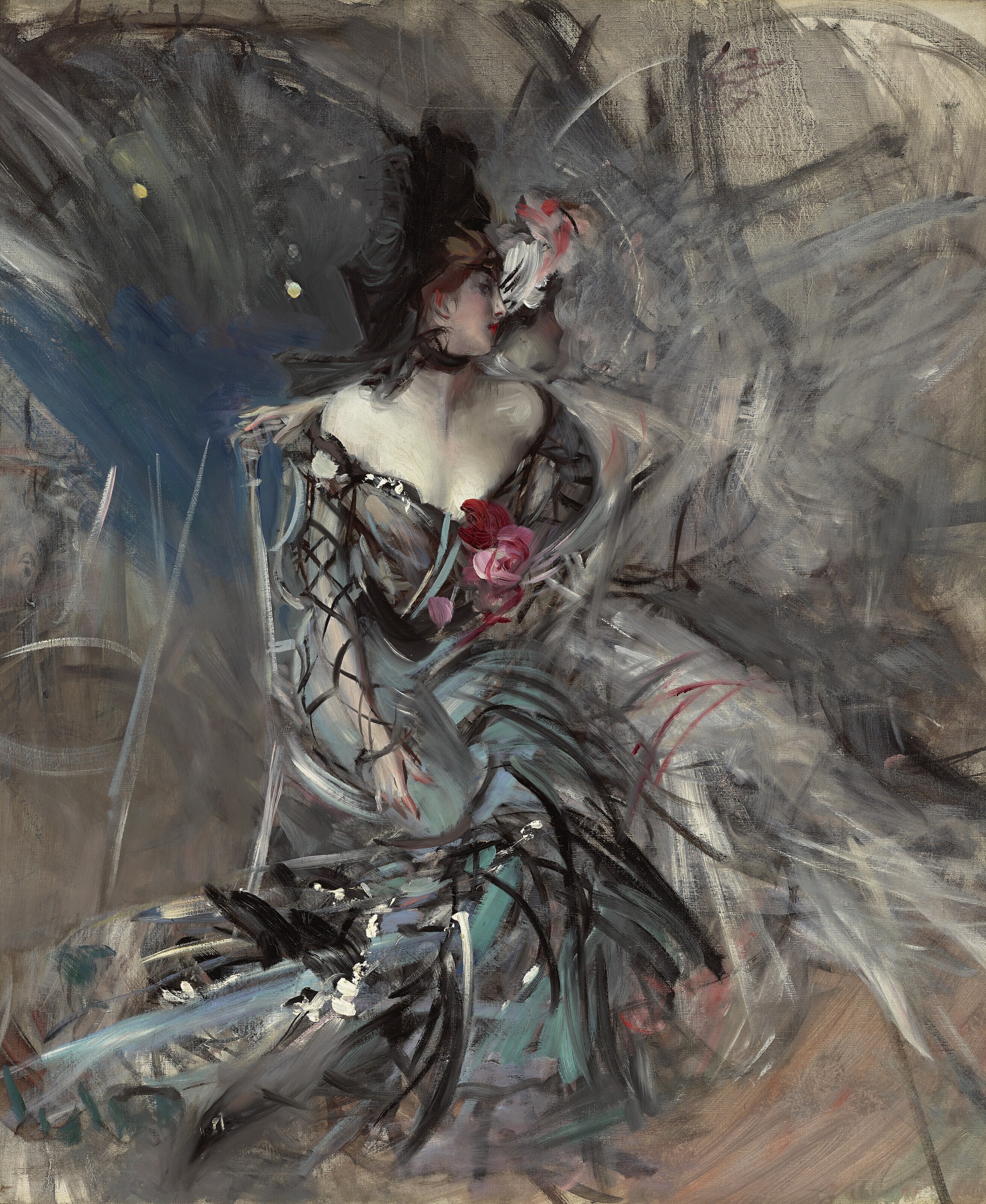
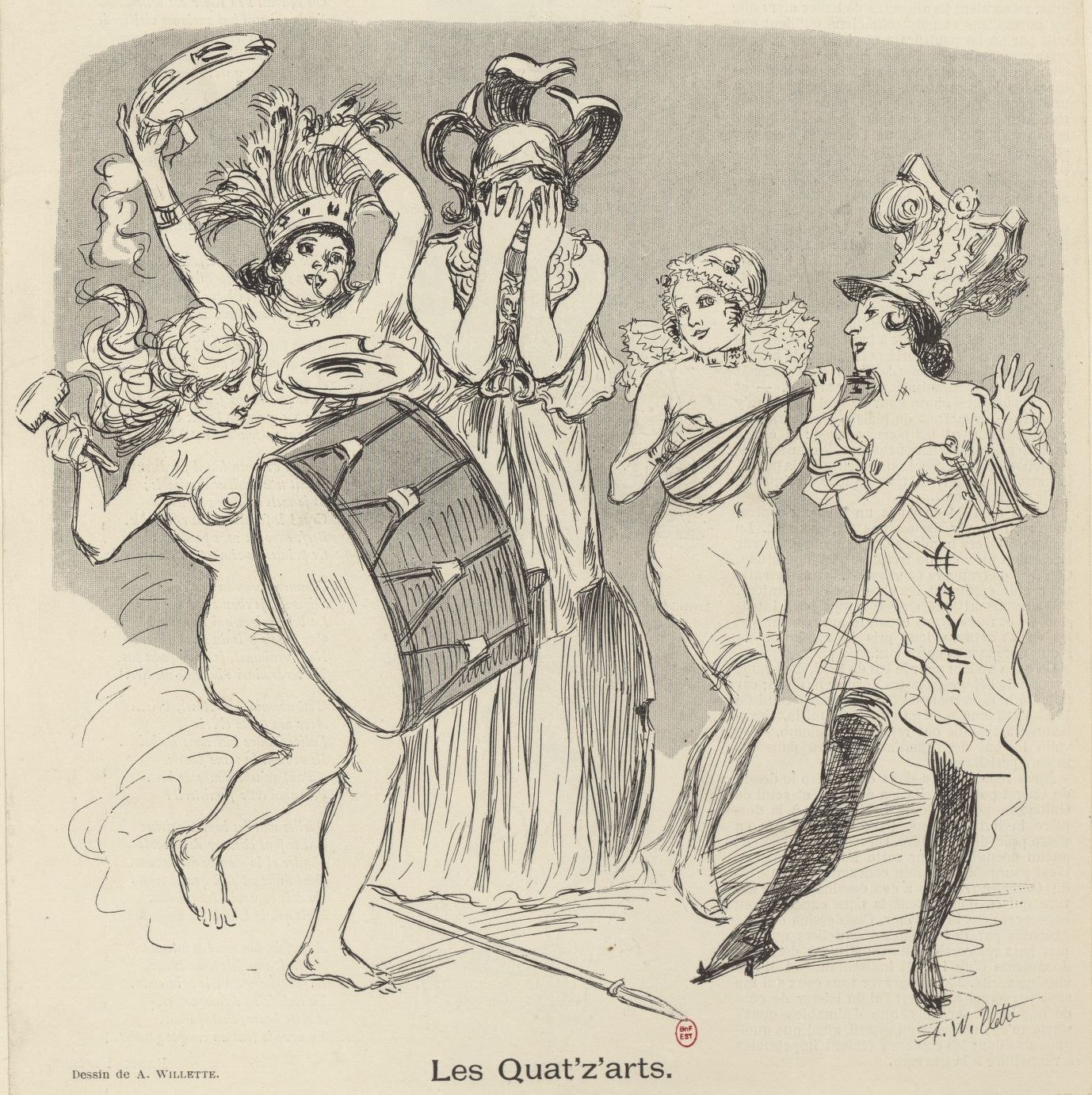
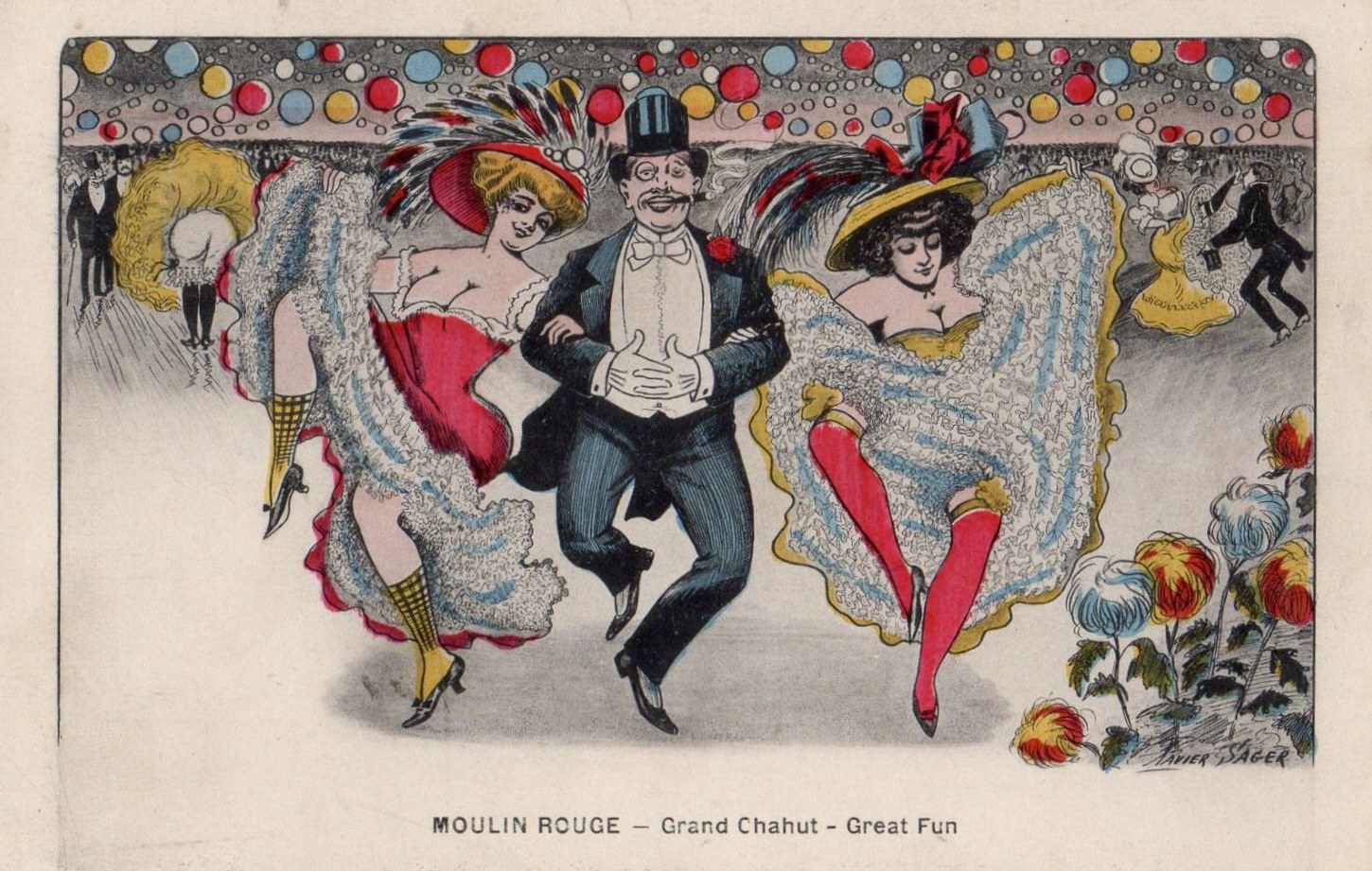
Browse the gallery →Works our catalogue identifies as depicting burlesque & neo-burlesque.
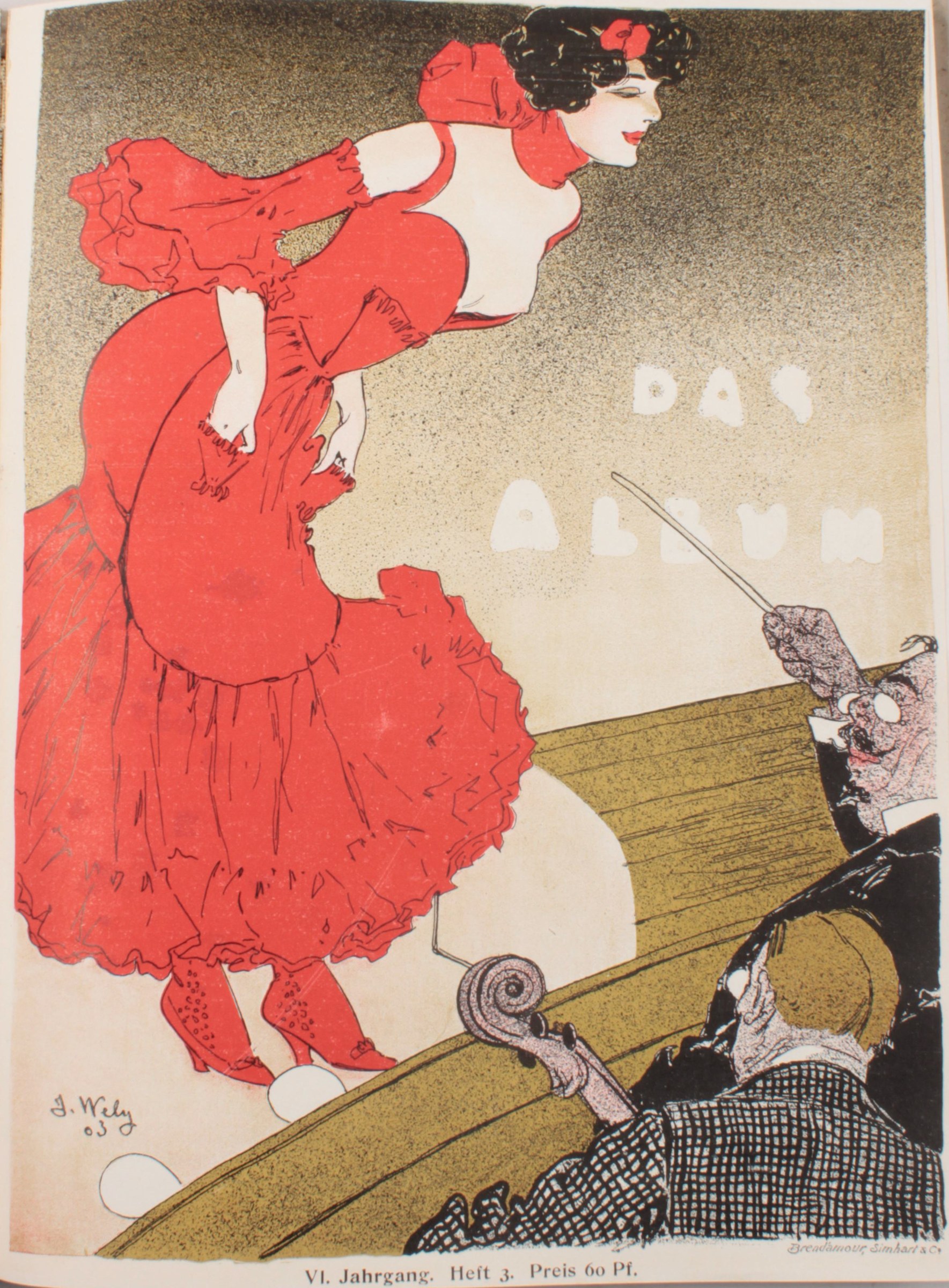
Das Album IV Heft 3 Titel
Jacques Wély · 1903
Public Domain
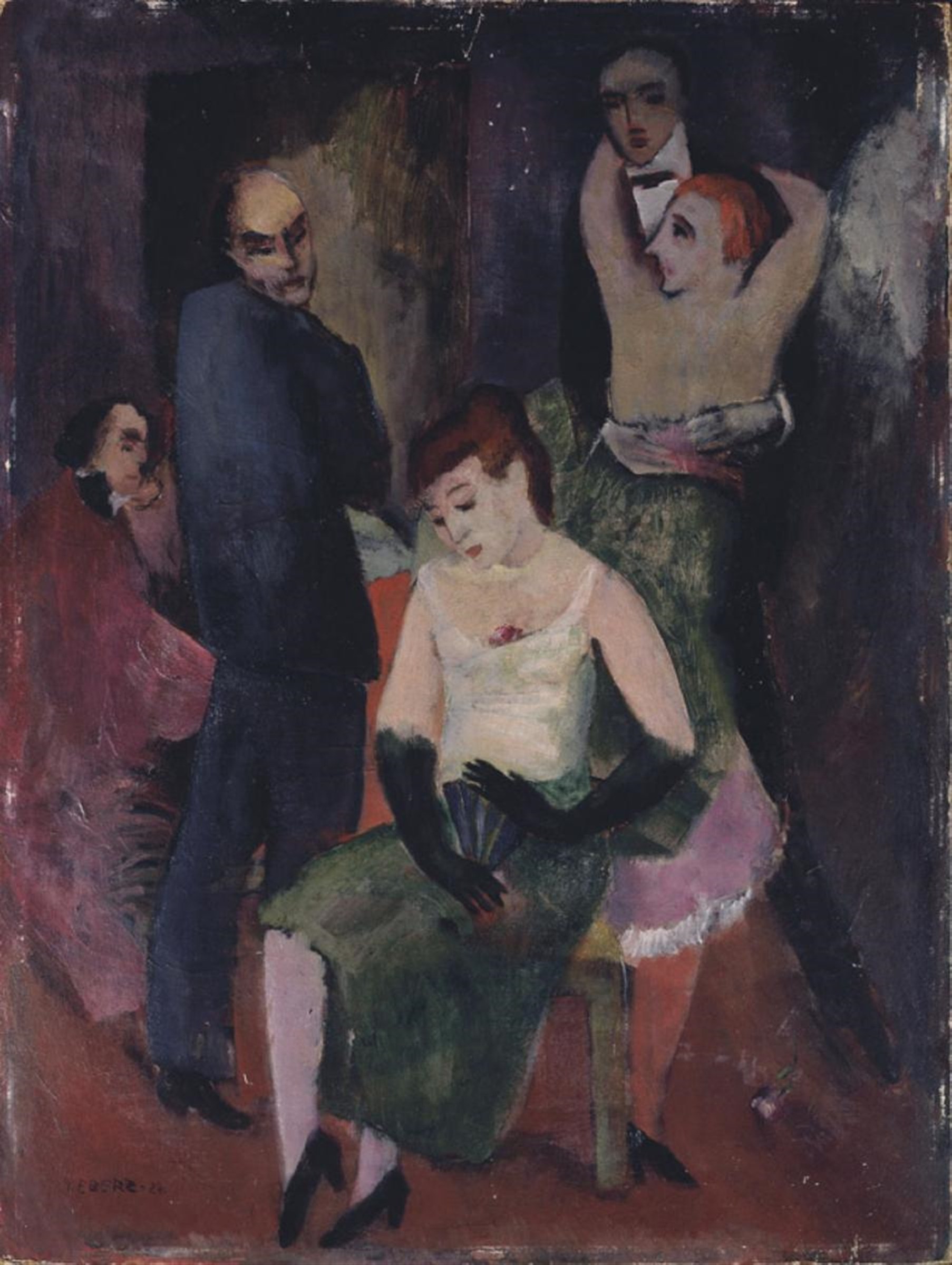
Josef Eberz - Tabarin, 1924
Josef Eberz · 1924
Public Domain
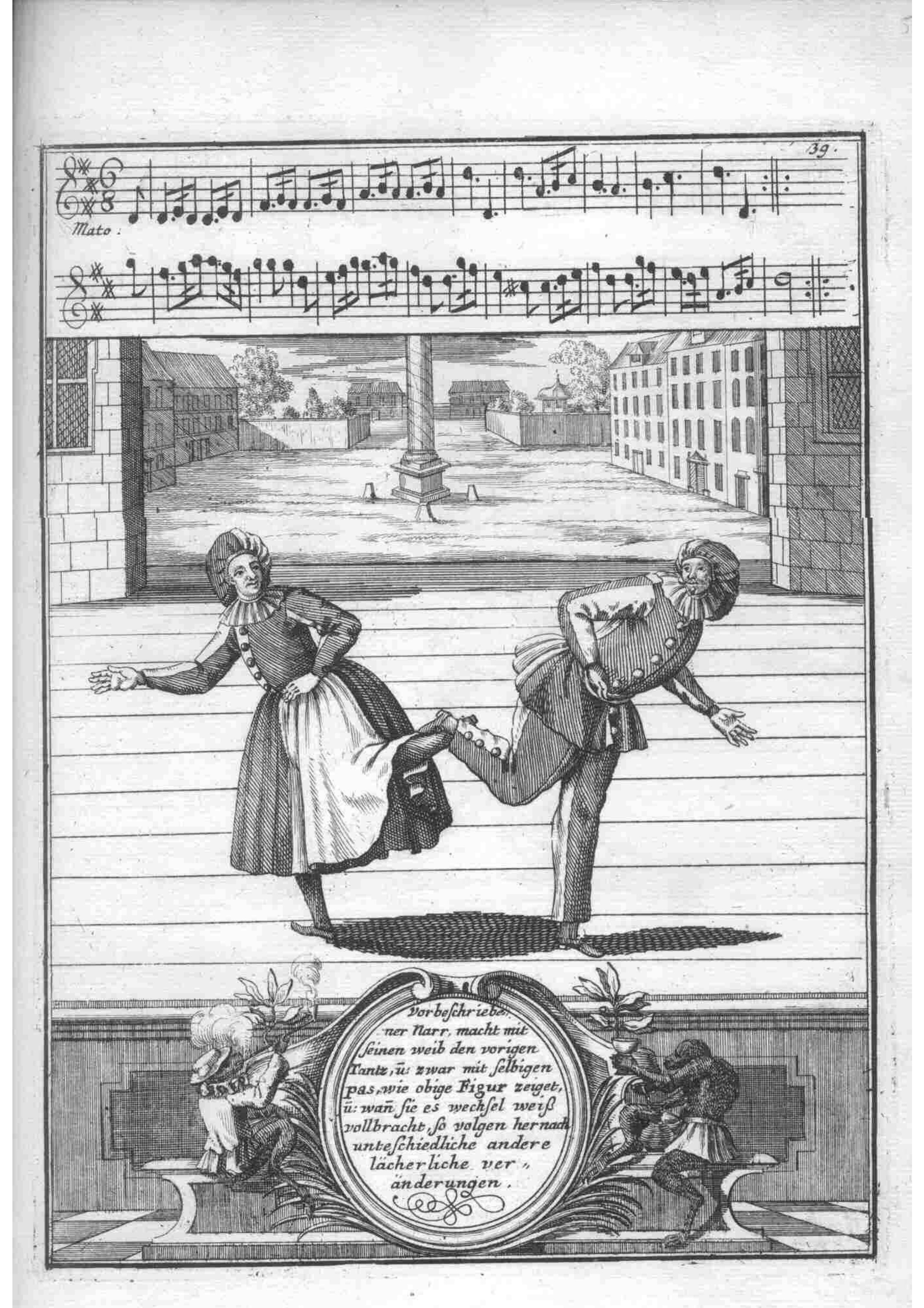
Grotesque — Plate 38
Gregorio Lambranzi
Public Domain
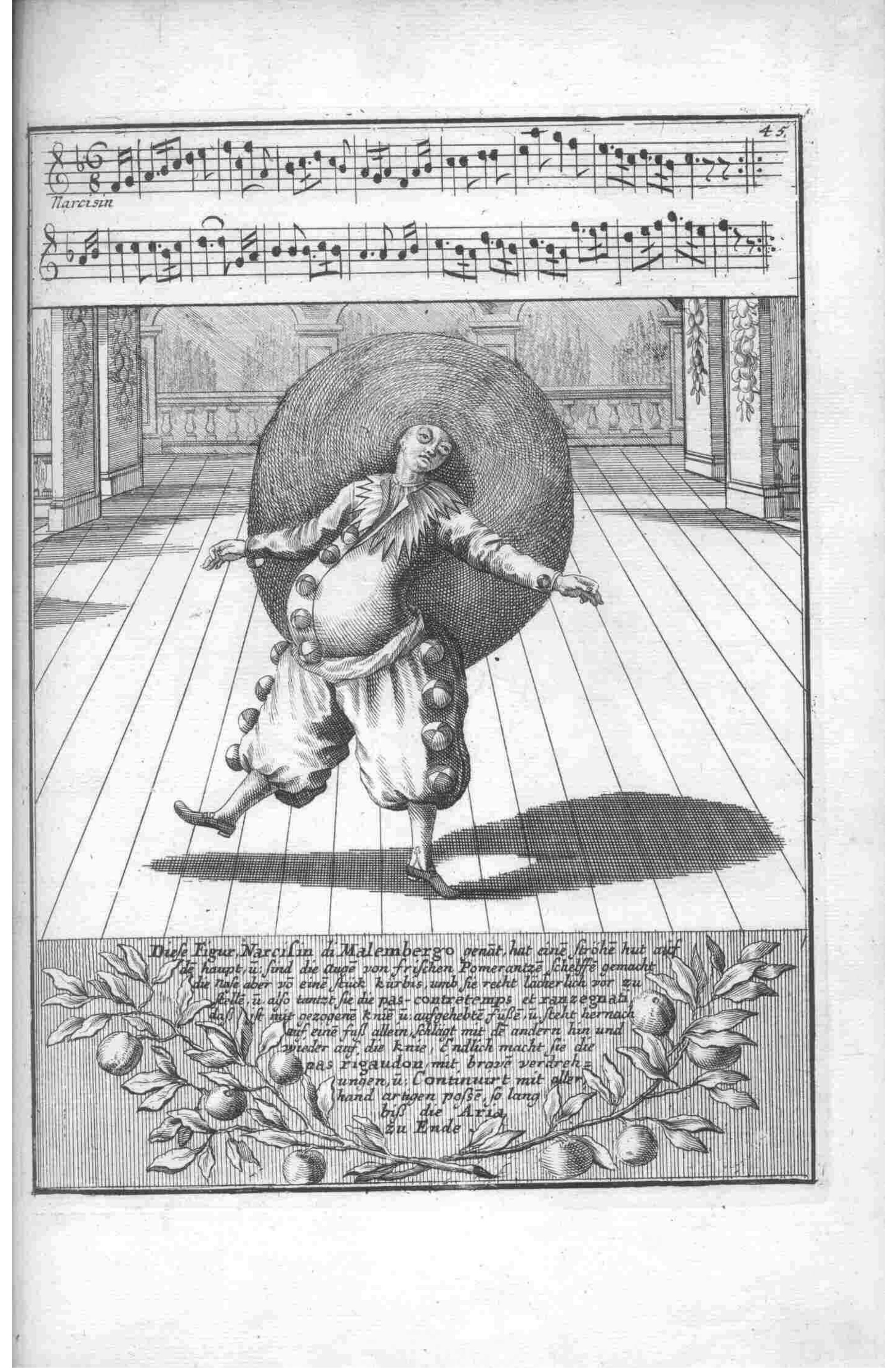
Grotesque — Plate 44
Gregorio Lambranzi
Public Domain
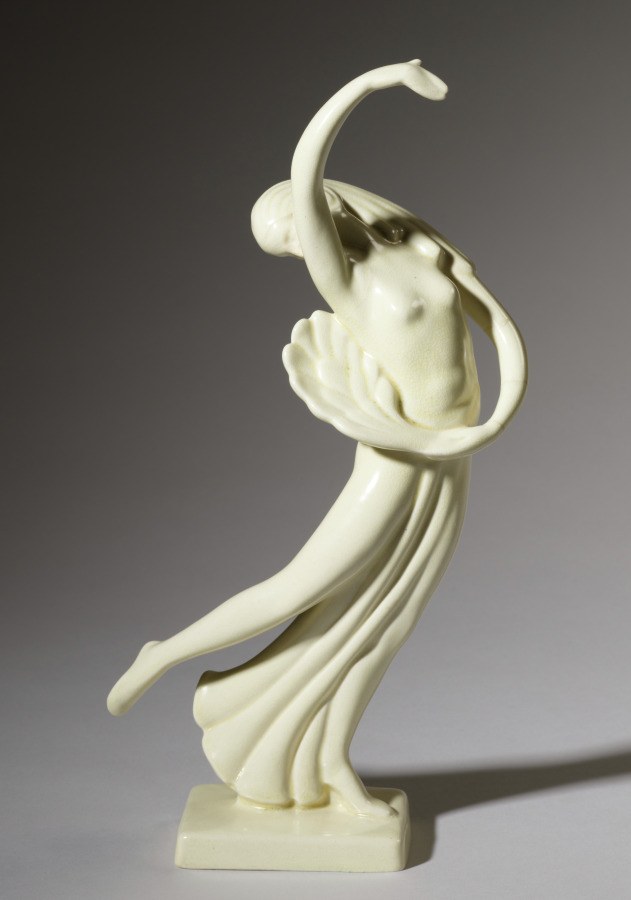
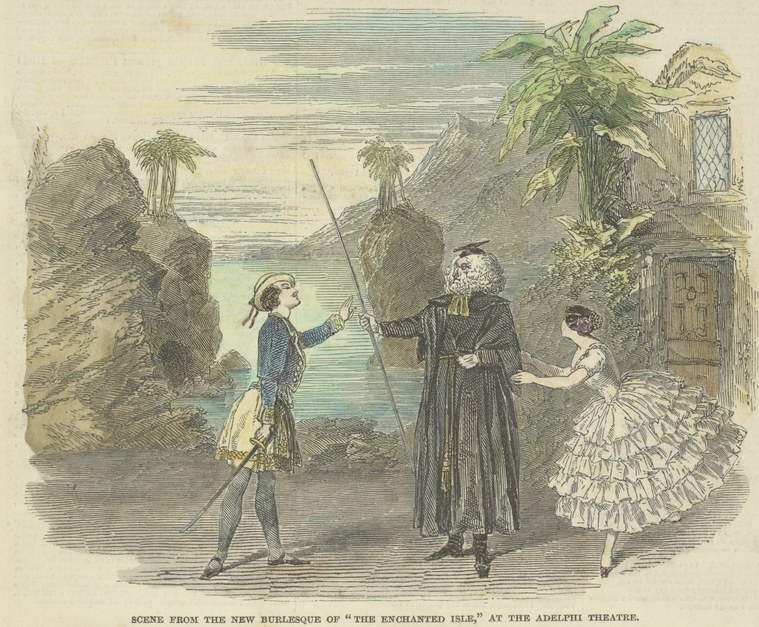
Scene from the new burlesque of "The enchanted isle," at the Adelphi Theatre
Unknown artist
Public Domain
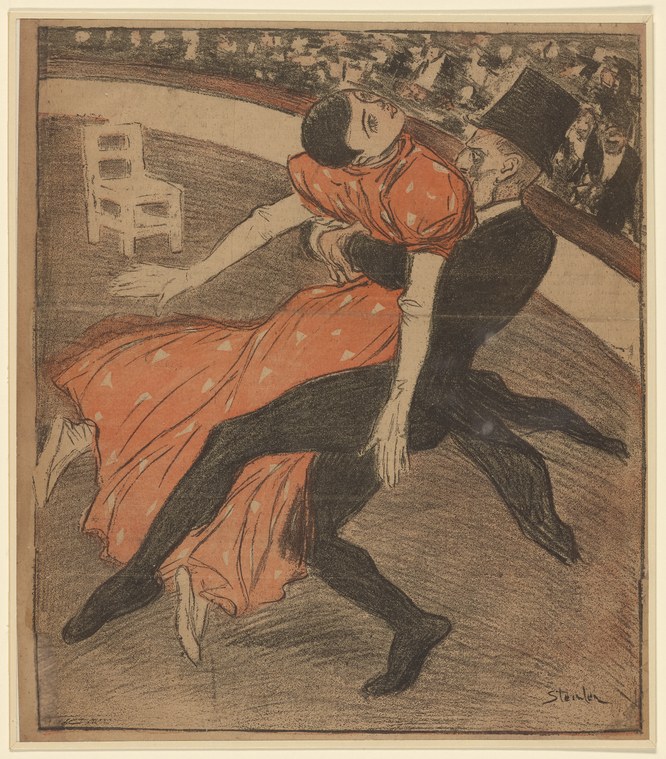
Apache dancers
Unknown artist
Public Domain
Continue Exploring
Lineage of Dance
500 years of dance evolution
Champions of Dance
Winners of marquee national & world titles
Language of Dance
161 dance terms & translations
Listening of Dance
Tempo, timing & musicality tools
Gallery of Dance
5,700+ artworks from museum collections
Attire of Dance
Evolution of dance dress across eras
Keep the thread going
Dance history, technique, and the occasional rabbit hole — in your inbox. Thoughtful, infrequent, unsubscribe anytime.
Free. No spam. One click to leave.