Street Jazz
Also known as: Jazz Funk, Jazz-Funk Dance, Funk Jazz, Hip-Hop Jazz
- Origin
- United States (Los Angeles and New York studio and television scenes)
- Era
- 1990–Present
- Rhythm
- 4/4 with backbeat accents on two and four, and heavy syncopation against the funk groove
- Tempo
- Roughly 95-115 BPM
- Character
- Slick, attitude-forward and precise; jazz line and control delivered with funk weight and swagger
History & Cultural Context
Street jazz is a studio-born hybrid that grafts hip-hop and funk styling onto jazz technique, and the label is used more or less interchangeably with jazz funk; the standard reference treatment describes jazz-funk dance as a hybrid of hip-hop and jazz that is also called street jazz. The style crystallised in the early 1990s around television and music video work, notably the Fly Girls on In Living Color, choreographed by Rosie Perez, whose cast included Jennifer Lopez. What separates it from hip-hop proper is its foundation: street jazz retains jazz mechanics such as pirouettes, arabesques, releve and a lifted presentational carriage, whereas hip-hop's grounded bounce, rock and social-dance vocabulary descend from a different lineage and culture. What separates it from traditional jazz is the funk phrasing, the density of isolations and the pop and R&B soundtrack. It remains a staple class format in commercial studios worldwide and supplies much of the movement seen in music video choreography for artists from Janet Jackson and Paula Abdul onward.
Cultural Significance
Street jazz is a studio and industry category rather than a community-born street style. Its debt to hip-hop culture is substantial, which makes accurate naming and credit an ongoing live issue among practitioners and teachers.
Characteristic Movement & Technique
Isolations of the head, ribs and hips, sharp accents against a funk backbeat, level changes and floor accents, combined with jazz turns, extensions, releve work and strong presentational focus.
Partnering Dynamics
Predominantly solo and ensemble. Unison, canon and formation work dominate, and contact appears mainly as staged partner moments within choreography rather than as any lead-and-follow system.
Competitive Context
Appears as a category at studio competitions and conventions and in televised dance contests. It has no federation, graded syllabus or ranking system of its own.
Regional Variations
American studios generally fold it into the commercial jazz pipeline, while the Korean and Japanese scenes developed distinct jazz funk and girls' hip-hop variants that feed directly into idol choreography.
Common Misconceptions
Street jazz and jazz funk are widely presented as two clearly separate styles; in practice the labels overlap heavily and their meanings shift by studio and country. It is also not hip-hop, and teaching it as such misattributes a distinct culture.
Peak Popularity
Signature Figures
- Rosie Perez
- Jennifer Lopez
Street Jazz Music & Tempo
Drawn from 17 Street Jazz tracks in the LODance music library.
Example tracks at practice tempo
- Black or White - Single Version — Michael Jackson115 BPM
- Say So — Doja Cat111 BPM
- Circus — Britney Spears115 BPM
- Uptown Funk (feat. Bruno Mars) — Mark Ronson115 BPM
- The Way I Are — Timbaland115 BPM
- I'm a Slave 4 U — Britney Spears110 BPM
Street Jazz on screen
Films and television where Street Jazz appears, with the sequences worth watching for.
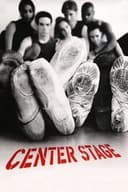
Poster artwork from TMDB.
 This site uses TMDB and the TMDB APIs but is not endorsed, certified, or otherwise approved by TMDB.
Sources & Further Reading
Cultural & Historical Context
Street Jazz emerged from United States (Los Angeles and New York studio and television scenes) during the 1990s—present day. Understanding the cultural roots, musical traditions, and social circumstances of this era enriches appreciation for the dance's characteristics and significance.
Formative Influences
Signature Movement Vocabulary:
Rosie Perez, Jennifer Lopez
Primary Source Documents
The Library of Dance contains public-domain primary sources for dance history. Copyrighted modern syllabi are indexed with purchase links to their respective copyright owners. Search by dance name or codifier to discover primary source documents.
Last reviewed: September 2026 — This dance profile synthesizes historical research, cultural documentation, and contemporary practice knowledge to provide authoritative context.
More in Modern Fusion & Commercial
Bollywood Dance
Exuberant film-dance style of Hindi cinema fusing Indian classical, folk, and Western popular dance into mass-entertainment choreography.
K-pop Dance
High-precision performance choreography of Korean pop music, built on synchronized 'point moves' and formations drawn from hip-hop, funk, and jazz.
Disco Dance
Social nightclub dance of the 1970s disco era—partner hustles and line dances danced to four-on-the-floor disco music.
Burlesque & Neo-Burlesque
Theatrical variety performance built on parody, character, costume, and the striptease 'reveal,' from 19th-century stages to the modern neo-burlesque revival.
Commercial / Industry Dance
The audition-circuit idiom of music videos, tours, awards shows and advertising, built on hip-hop and jazz technique and organised around agents, casting calls and gig work.
Modern Fusion & Commercial in art
Browse the gallery →Works from the wider Modern Fusion & Commercial tradition — we have not yet identified enough that depict Street Jazz specifically.
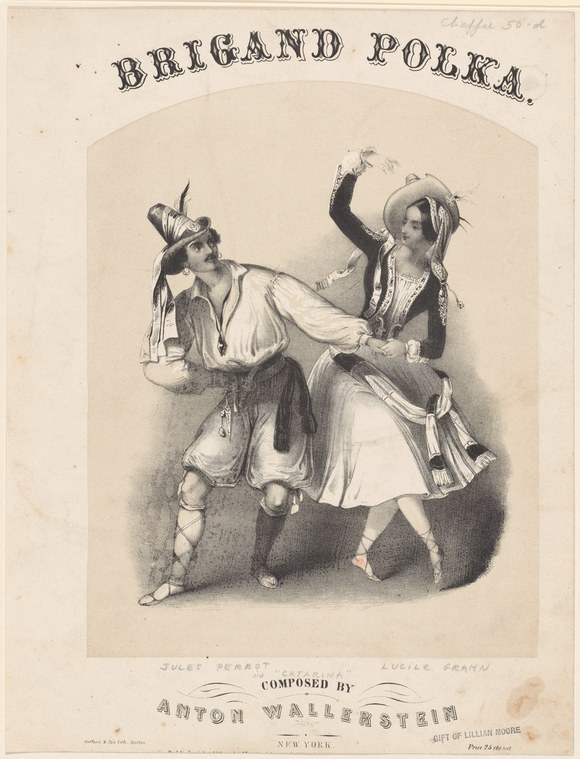
Brigand polka.
Unknown artist
public_domain
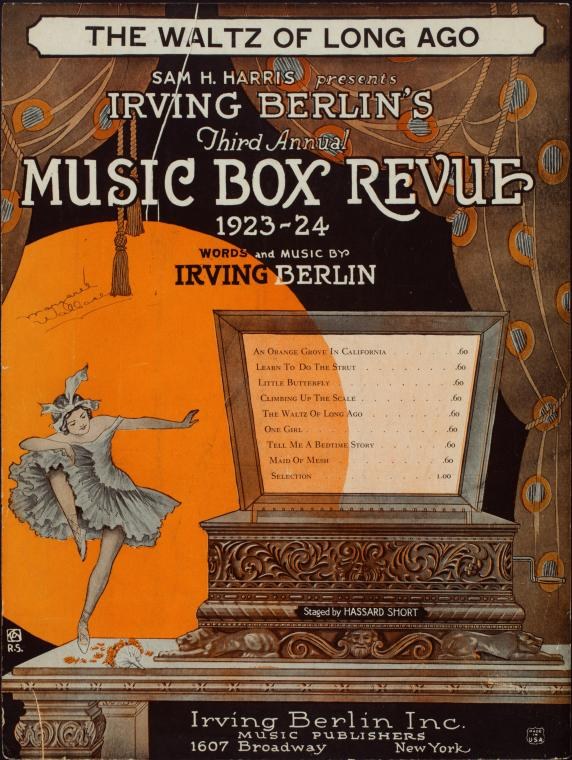
The waltz of long ago
Unknown artist
public_domain
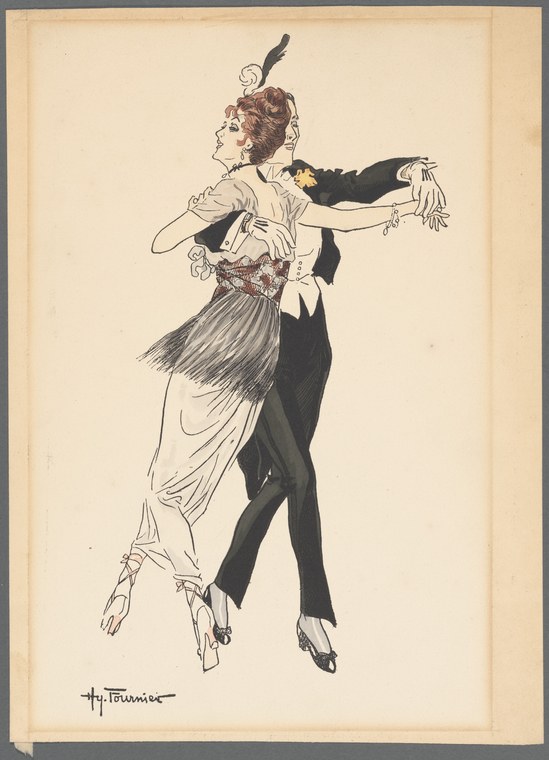
Ballroom dancers
Unknown artist · 2019
public_domain
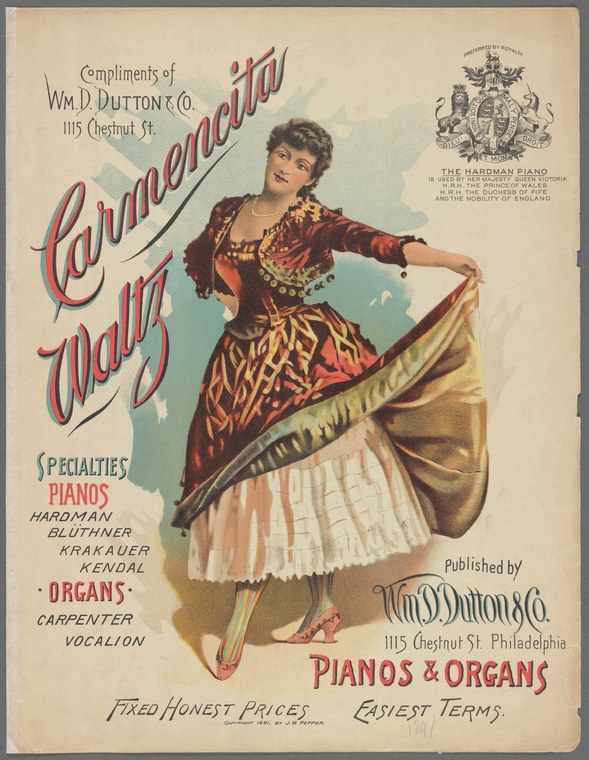
Carmencita waltz
Unknown artist · 2019
public_domain
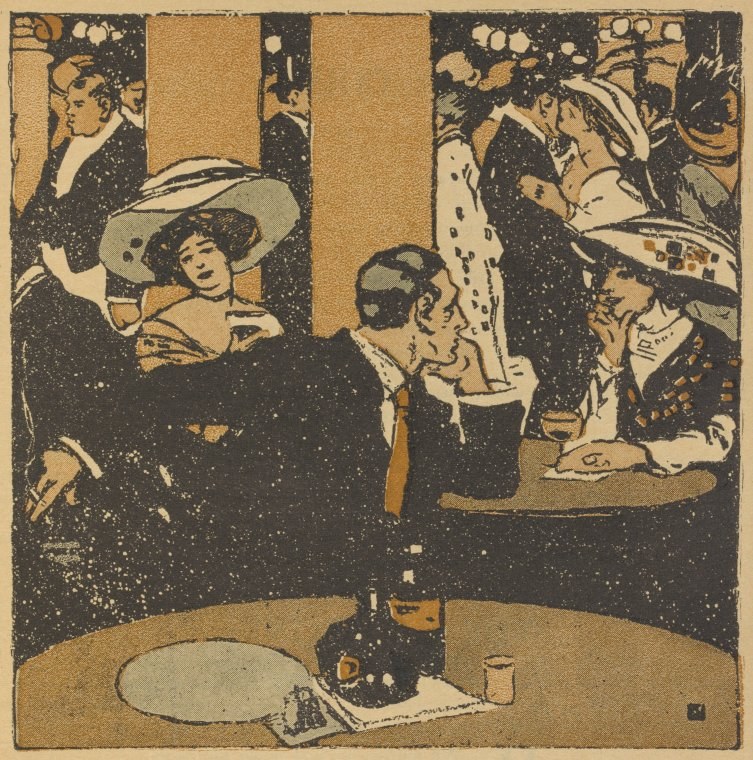
The lure of the dance
Unknown artist · 2021
public_domain
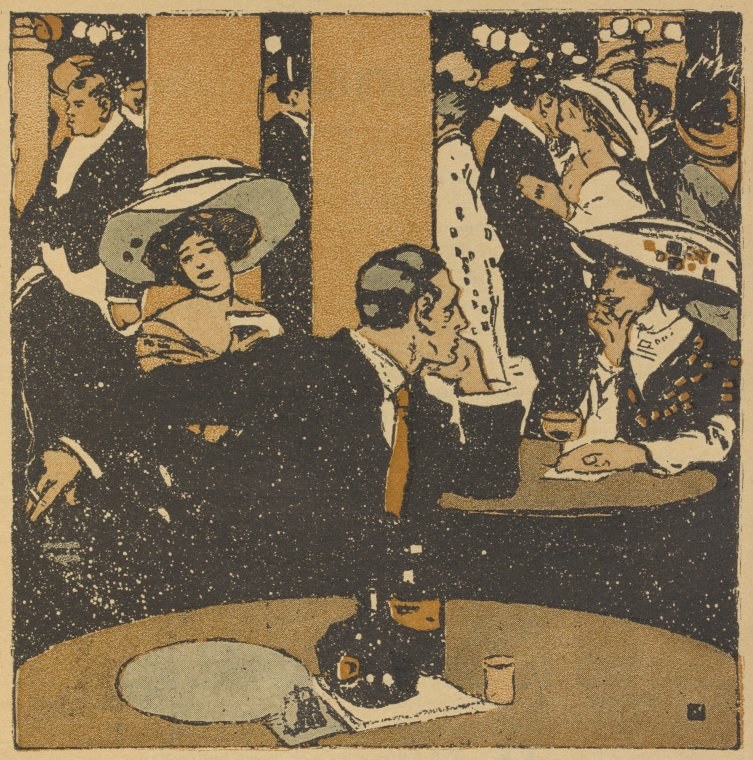
The lure of the dance
Unknown artist
public_domain
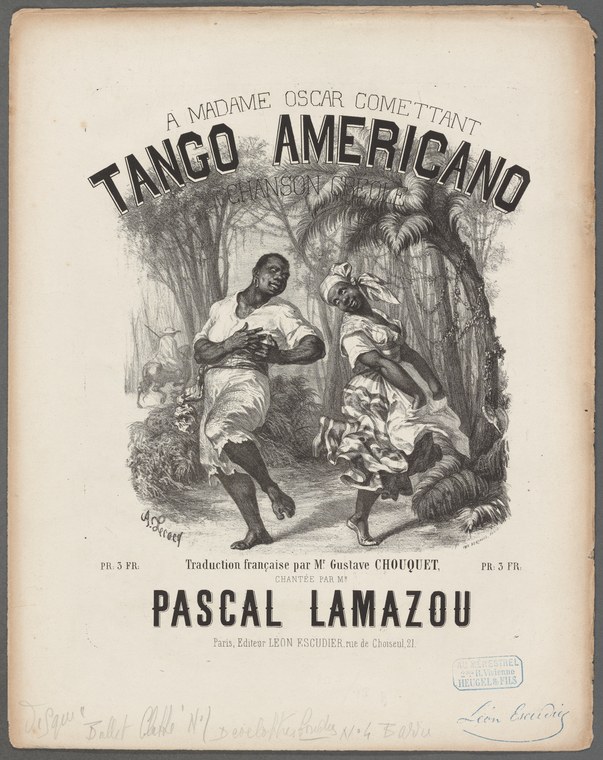
Tango americano
Unknown artist · 2019
public_domain
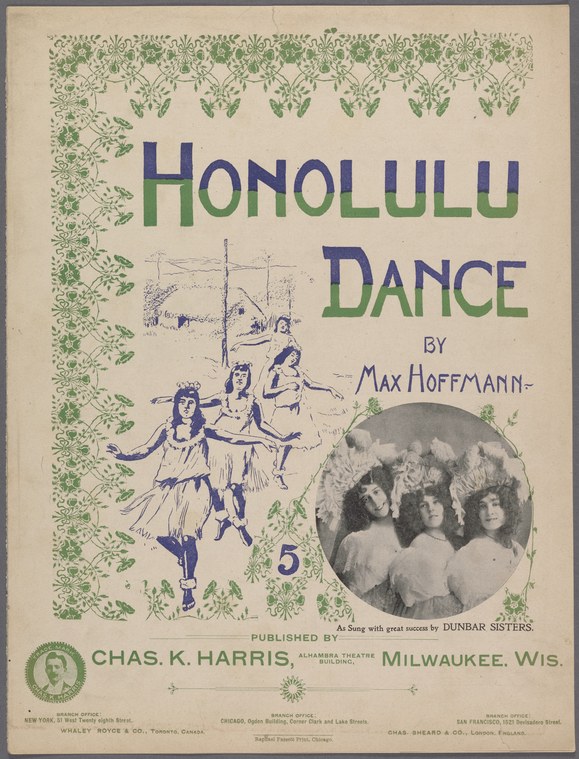
Honolulu dance
Unknown artist
public_domain
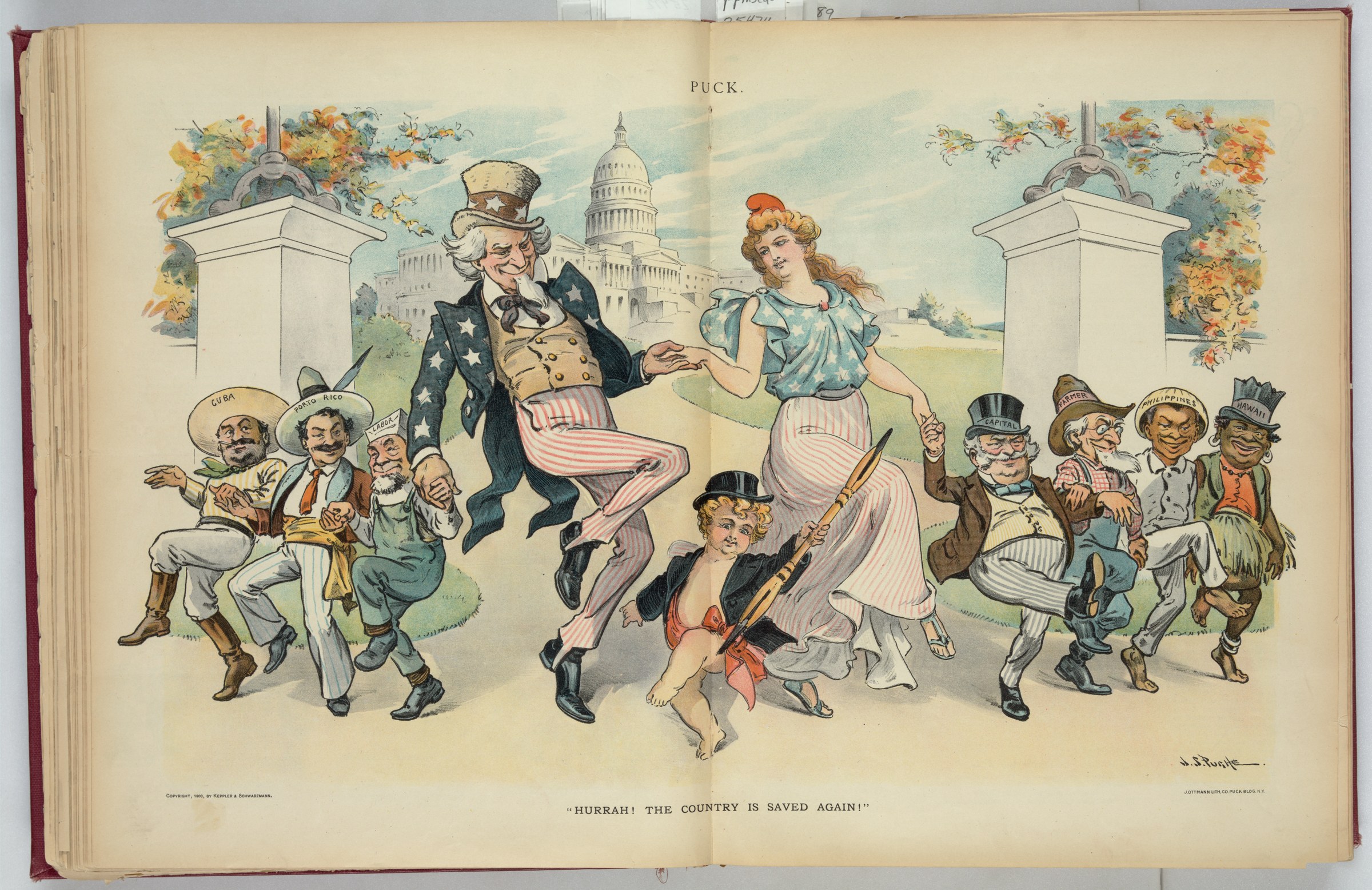
"Hurrah! The country is saved again!" - J.S. Pughe. LCCN2010651346
Pughe, J. S. (John S.), 1870-1909, artist · 1900
Public Domain

Continue Exploring
Lineage of Dance
500 years of dance evolution
Champions of Dance
Winners of marquee national & world titles
Language of Dance
161 dance terms & translations
Listening of Dance
Tempo, timing & musicality tools
Gallery of Dance
5,700+ artworks from museum collections
Attire of Dance
Evolution of dance dress across eras
Keep the thread going
Dance history, technique, and the occasional rabbit hole — in your inbox. Thoughtful, infrequent, unsubscribe anytime.
Free. No spam. One click to leave.