Baile Conquista
History & Cultural Context
The Baile de la Conquista ("Dance of the Conquest") is a Guatemalan Maya folk dance-drama that reenacts the 1524 Spanish conquest, dramatizing the confrontation between the conquistador Pedro de Alvarado and Tecún Umán, ruler of the K'iche' kingdom, and ending in K'iche' defeat and conversion to Christianity. It belongs to the wider Iberian "Moros y Cristianos" (Moors and Christians) family of conquest dances brought by Catholic friars and adapted across colonial Latin America as instruments of evangelization. Ethnographers place its introduction in the late 16th or early 17th century; the surviving spoken text was reshaped and expanded by Maya authors in the late 19th century, and some scholars argue the present western-highland form is more recent.
It is staged as a solemn heroic tragedy rather than a celebration, performed by an ensemble of roughly twenty or more masked, elaborately costumed characters — the K'iche' king and his family, Tecún Umán, the spiritual adviser Ajitz, Alvarado and his soldiers, ambassadors, and the Malinches. The choreography is formal and spatial: Maya characters move in lateral lines and paired circling figures while the Spaniards march in diagonals, and the cast processes between raised platforms representing different locations. Melody is carried by the chirimía (a reed shawm) with a tambor (parade drum), each principal character historically having his own son, or tune, transmitted orally. Marimba, despite being Guatemala's national instrument, is not the traditional accompaniment for this dance.
The dance is performed at patron-saint festivals (fiestas patronales) in K'iche' communities such as Cunén, Joyabaj, Momostenango, and San Cristóbal Totonicapán, embedded in traditional Maya religious practice (costumbre) and organized by dance teams whose leaders hold the manuscript libretti. Later Maya versions expanded the speeches of Tecún Umán and the ajitz, giving the drama a layer of indigenous pride beneath its overt colonial message. Related conquest dances also survive in Mexico and El Salvador.
Sources: https://en.wikipedia.org/wiki/Baile_de_la_Conquista; https://baile-conquista.sites.olt.ubc.ca/english/ (Marvin Cohodas, UBC); https://www.prensalibre.com/vida/escenario/el-baile-de-la-conquista-en-que-consiste-y-en-que-lugares-de-guatemala-se-practica/; https://folkways.si.edu/country/guatemala
Baile Conquista Music & Tempo
Drawn from 22 Baile Conquista tracks in the LODance music library.
Example tracks at practice tempo
- Danza de la conquista — Les Célèbres Marimbas
- Son del ajpu del baile de la conquista — Unidentified traditional musicians of Totonicapán
- Relación de Cortés — Banda de Santiago Cuilapan
- Parlamentos de las embajadas de Moctezuma y Cortés — Banda de Santiago Cuilapan
- Jota, derrota y prisión de Moctezuma — Banda de Santiago Cuilapan
- Marcha fúnebre — Banda de Santiago Cuilapan
What to Wear
Attire guidance for Baile Conquista and other Global Americas Indigenous & Colonial Fusion dances. Each card below is sized to the moment — class, practice, social, or competition — because the wardrobe shifts as the stakes do.
Reading the cards
In Class
Comfortable modern dancewear for class settings. Cultural dance instruction within communities may have specific protocols.
Social Dancing
Traditional regalia for cultural ceremonies and gatherings. Protocols vary significantly between nations and traditions — defer to community elders and instructors.
Competition
Powwow competition: full regalia specific to dance category (Fancy, Jingle Dress, Grass Dance, etc.). Regalia is personal, sacred, and not a 'costume.'
Shoes
Moccasins traditional for many Indigenous dance forms. Powwow: specific footwear varies by dance category. Always defer to cultural protocols.
In Practice
Defer to community elders and instructors on practice attire — many traditions have protocols that override generic advice.
Price Range
- Budget: Modern practice wear; moccasins $80–250.
- Mid: Pricing for regalia is determined by community protocols, family relationships, and craft tradition rather than retail markets — defer to community guidance.
Key Terms
- Regalia (not 'costume')
- Personal, sacred dance dress in many Indigenous traditions. The word 'costume' is incorrect and disrespectful.
Quick Tips
- •Suede-soled shoes allow controlled sliding and pivoting — essential for most partner dances.
- •Avoid rubber soles on dance floors; they grip too much and can cause knee injuries.
- •Bring a separate pair of clean shoes for the dance floor to keep it in good condition.
Sources & Further Reading
Cultural & Historical Context
Baile Conquista emerged from Central America (Maya regions) during the 1800s—present day. Understanding the cultural roots, musical traditions, and social circumstances of this era enriches appreciation for the dance's characteristics and significance.
Primary Source Documents
The Library of Dance contains public-domain primary sources for dance history. Copyrighted modern syllabi are indexed with purchase links to their respective copyright owners. Search by dance name or codifier to discover primary source documents.
Last reviewed: October 2026 — This dance profile synthesizes historical research, cultural documentation, and contemporary practice knowledge to provide authoritative context.
More in Global Americas Indigenous & Colonial Fusion
Global Americas Indigenous & Colonial Fusion in art
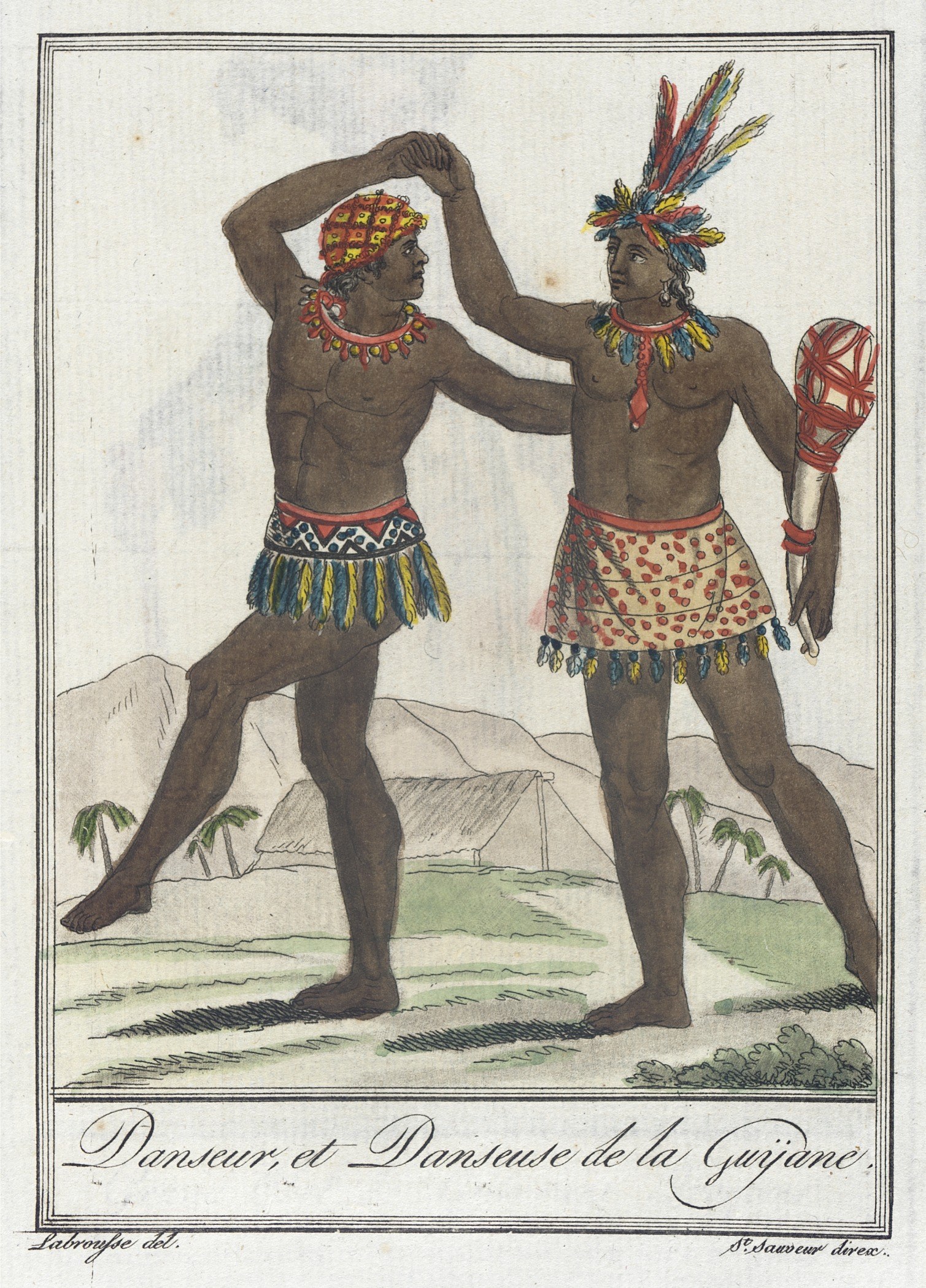
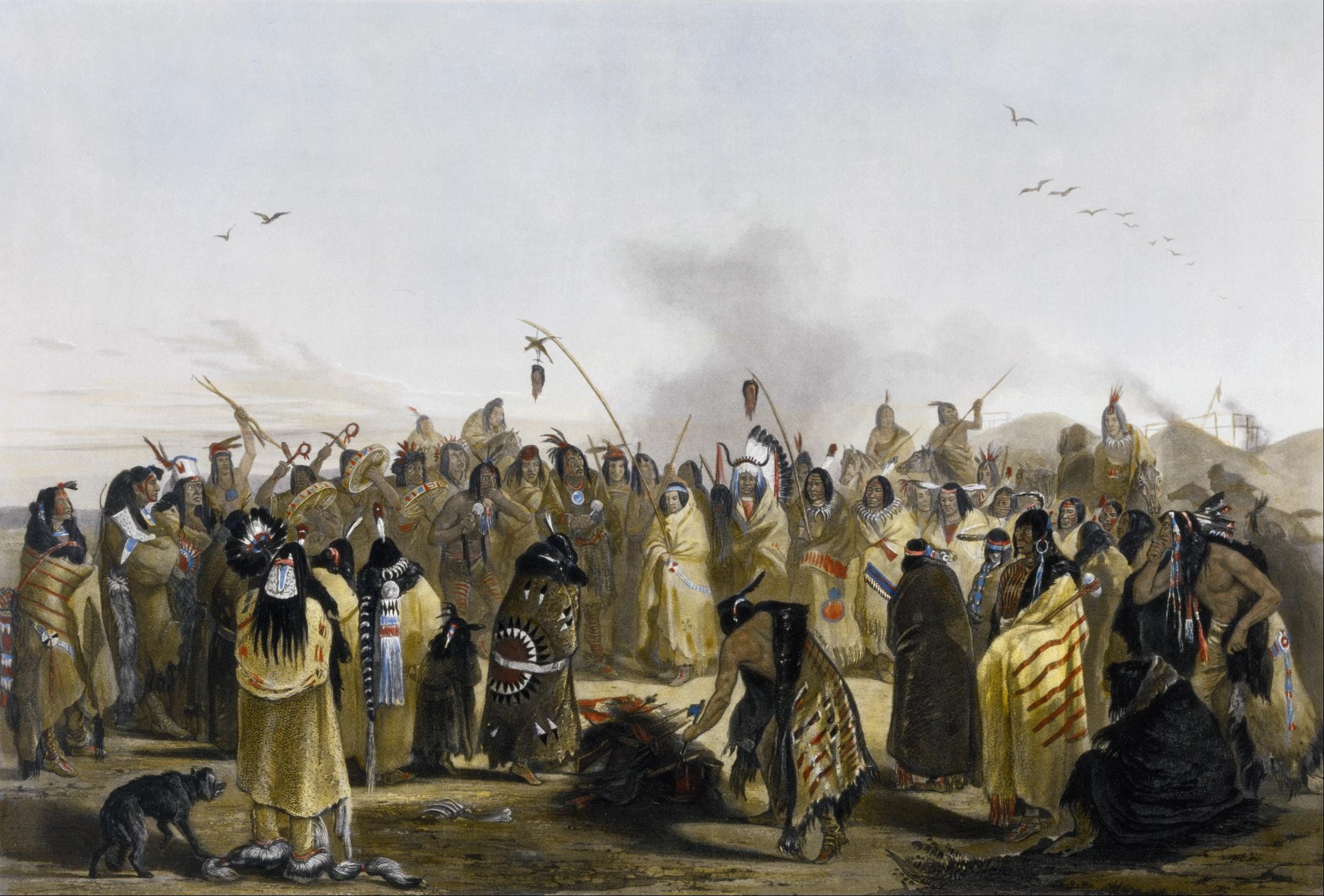
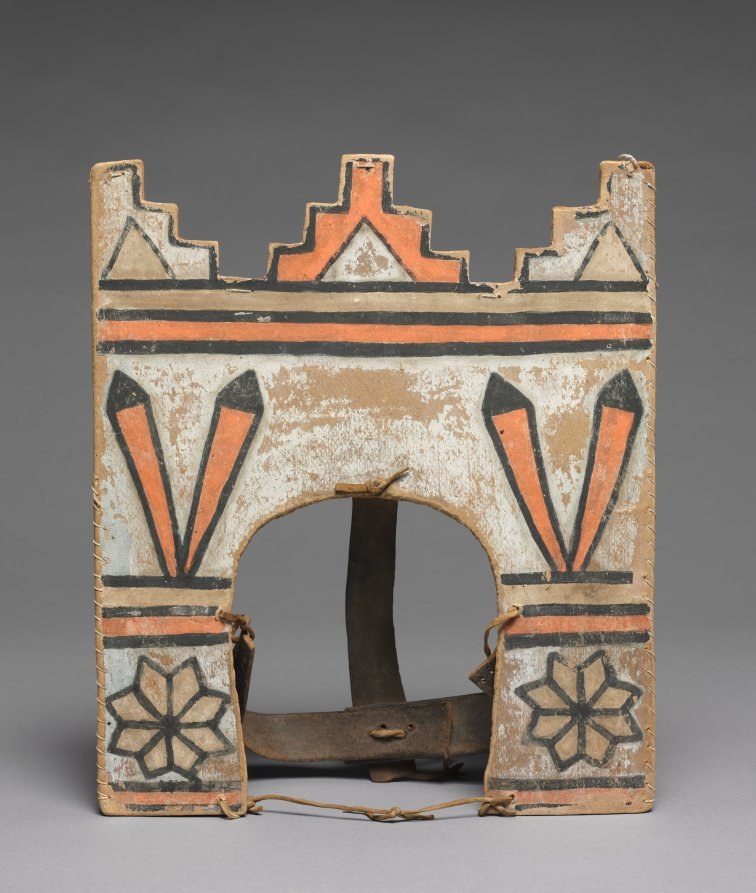
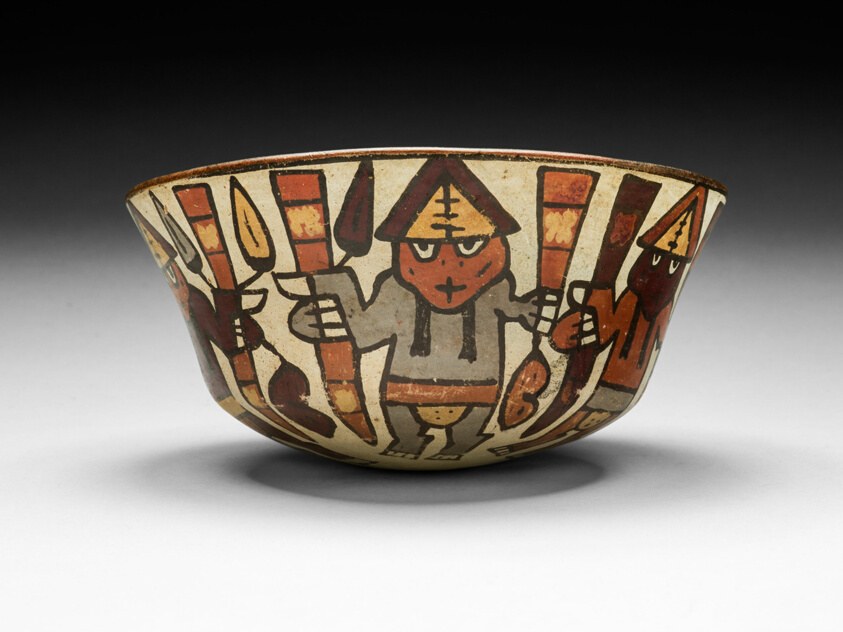
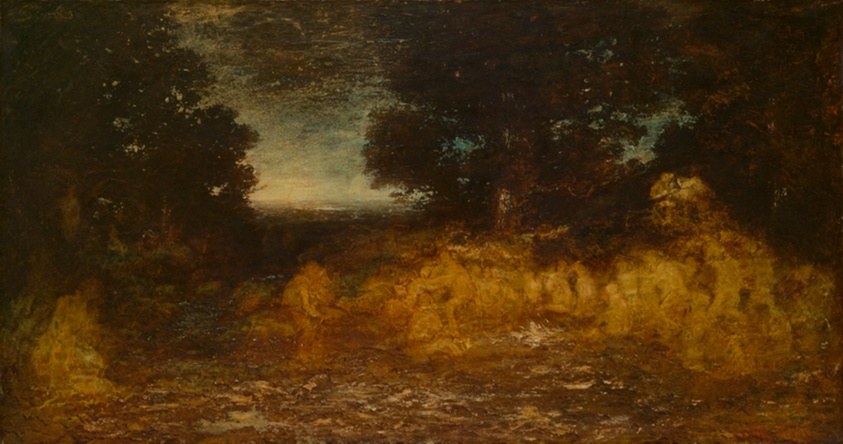
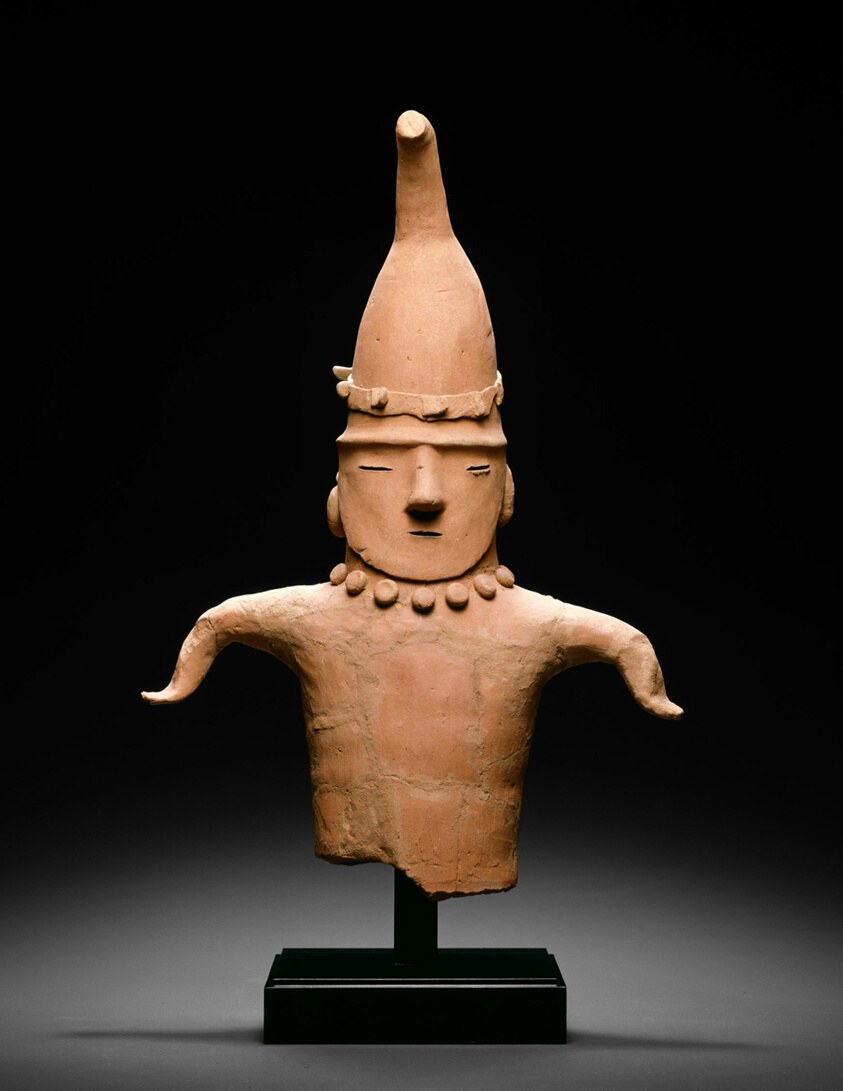
Browse the gallery →Works from the wider Global Americas Indigenous & Colonial Fusion tradition — we have not yet identified enough that depict Baile Conquista specifically.
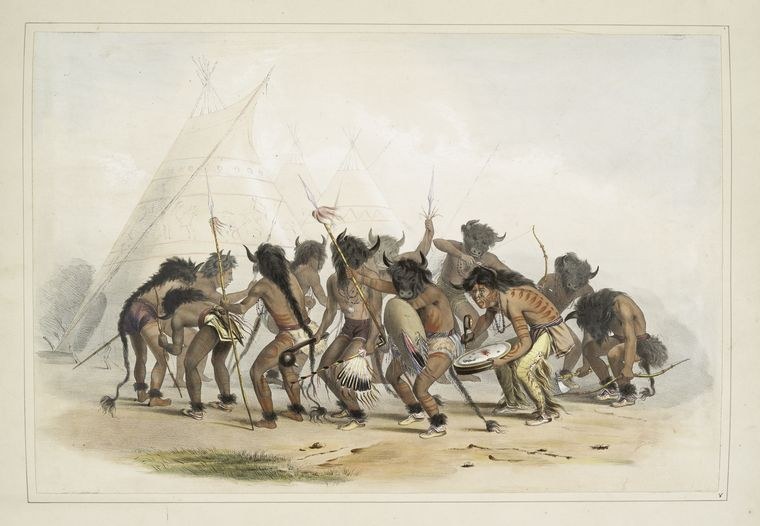
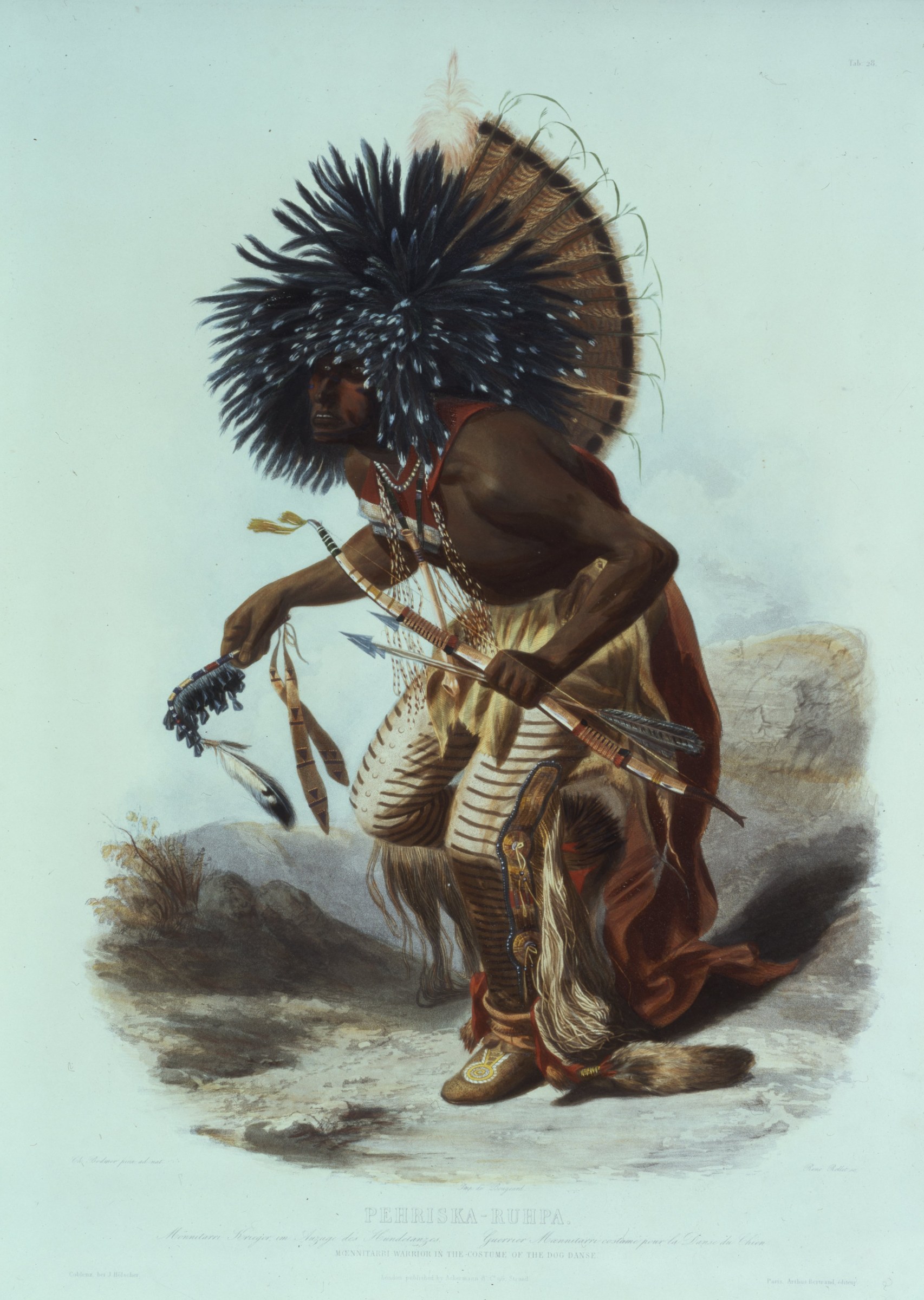
Buffalo dance.
Unknown artist · 2014
public_domain
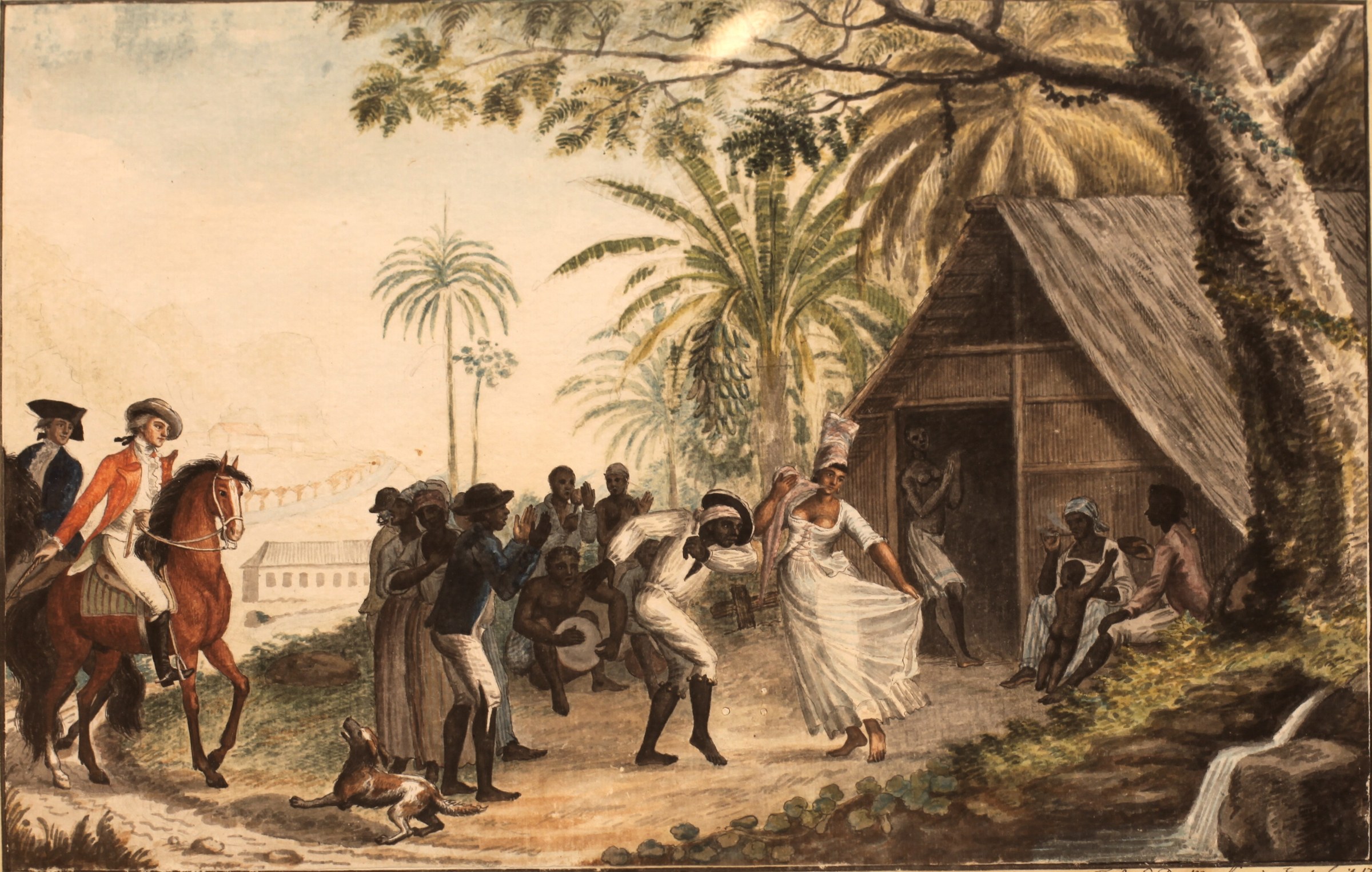
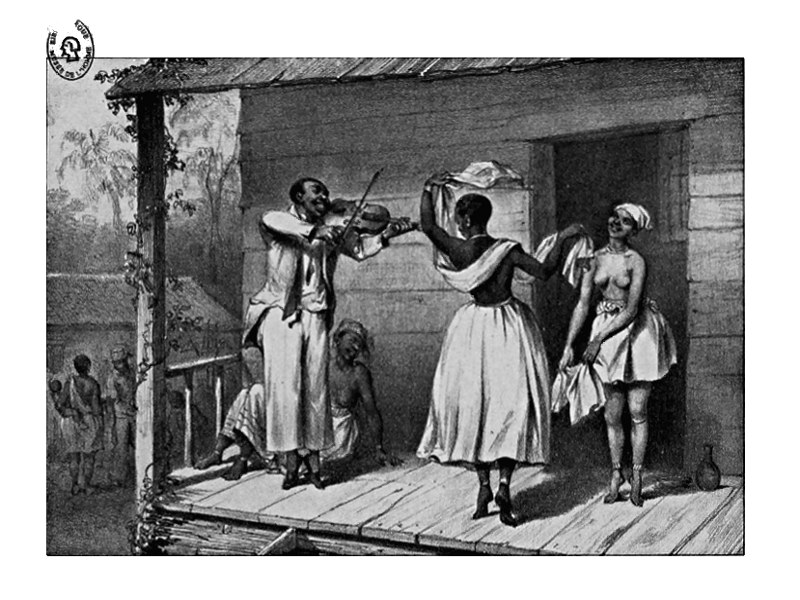
Pierre Jacques Benoit.- La leçon de danse au violon Surinam, 1839
Pierre Jacques Benoît · 2015
Public Domain
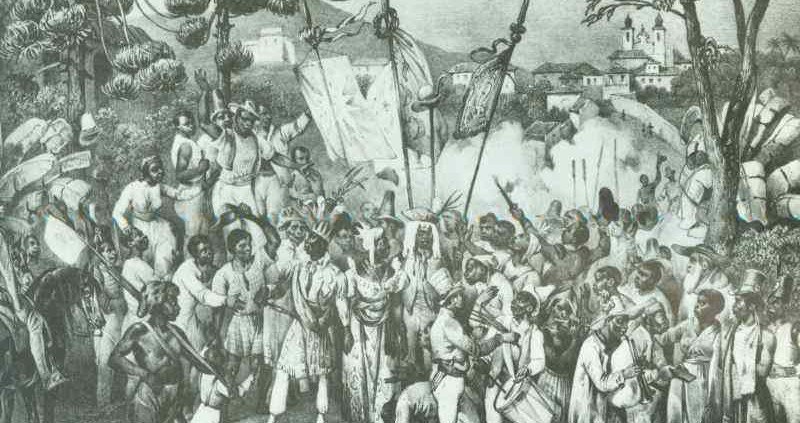
Rugendascongada
Johann Moritz Rugendas · 1835
Public Domain
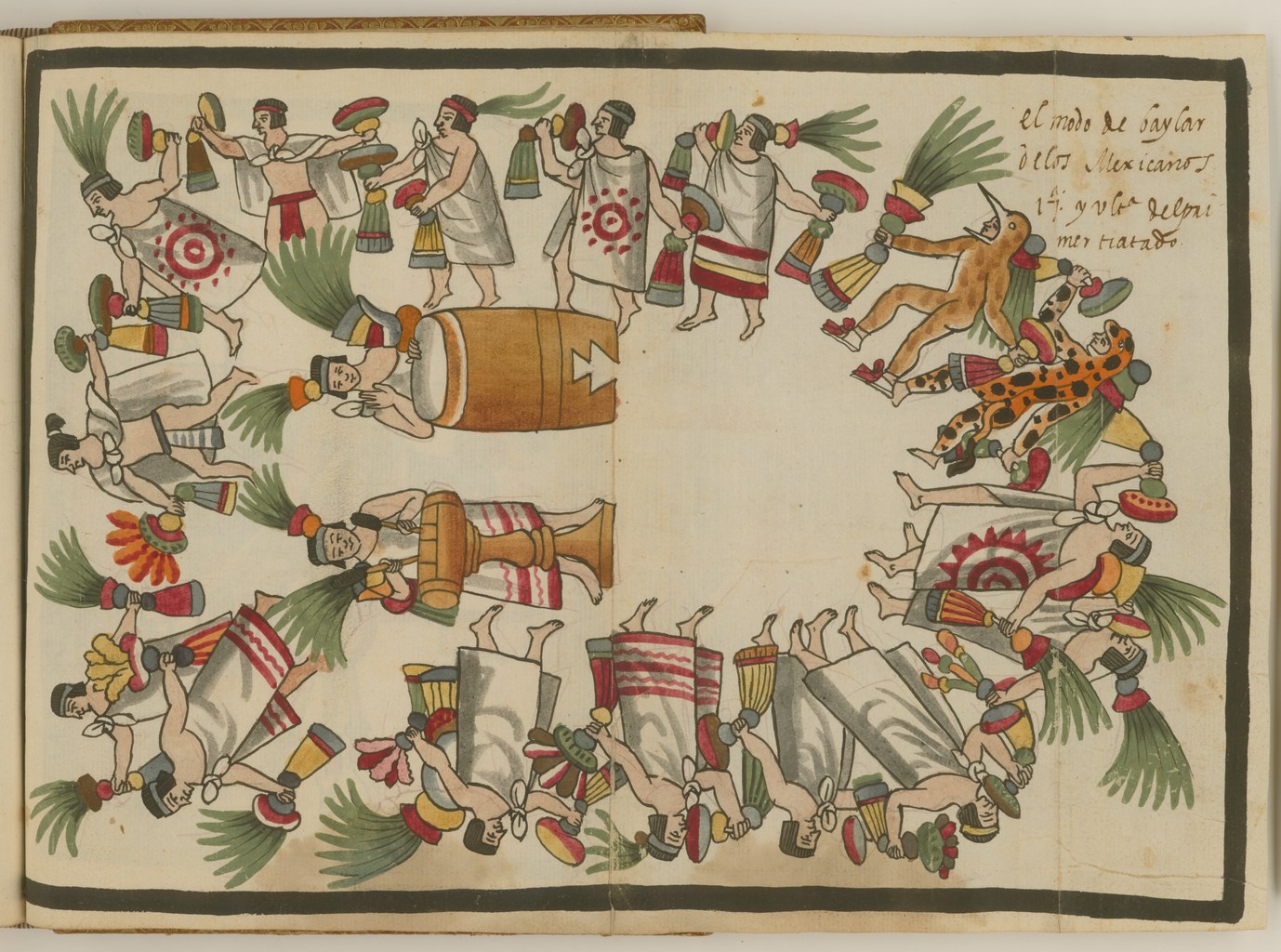
Continue Exploring
Lineage of Dance
500 years of dance evolution
Champions of Dance
Winners of marquee national & world titles
Language of Dance
161 dance terms & translations
Listening of Dance
Tempo, timing & musicality tools
Gallery of Dance
5,700+ artworks from museum collections
Attire of Dance
Evolution of dance dress across eras
Keep the thread going
Dance history, technique, and the occasional rabbit hole — in your inbox. Thoughtful, infrequent, unsubscribe anytime.
Free. No spam. One click to leave.