History & Cultural Context
Danza Azteca, in its Conchero form, is a syncretic ceremonial dance that fuses pre-Hispanic Indigenous ritual with Catholic devotional practice. Conchero communities trace the tradition by oral history to the early Spanish colonial period — specifically to Querétaro and the legendary Battle of Sangremal of 1531 — though scholars note the sixteenth-century dating is debated and the dance likely took its present form gradually as Indigenous mitote dances were adapted under Catholicism. It belongs to the broader category of danzas de conquista and developed in the El Bajío region of central Mexico. Dancers perform in feathered regalia (penachos), and the tradition is still actively practiced today. Origins are debated; see Sources.
Danza Azteca (Concheros) — In Depth
Origin & history: The Concheros — also known as Danza Azteca, Danza Chichimeca or Danza de Conquista — is a Mexican ritual dance that emerged around 1522, in the years immediately after the Spanish conquest, among the Chichimeca peoples of the central Bajío. Under Spanish rule overt pre-Columbian worship was suppressed, and the dance became a vehicle for preserving indigenous religious practice inside an outwardly Catholic form; as Britannica notes, "the conchero lute and the music show Spanish influence, but the symbolism and most of the steps are pre-Columbian."
Cultural & social context: Dancers belong to an intertribal society organized as a military-style hierarchy, joined by taking a vow, and — unusually for the period — the concheros admitted women as well as men. Groups make pilgrimages to four great seasonal festivals arranged by the cardinal directions: north at the Villa de Guadalupe, east at Amecameca, south at Chalma and west at Los Remedios. Performances are preceded by processions, floral offerings, banners and spoken invocations that ask "permission" of the sacred directions.
Character & feel: Reverent and disciplined, at once a religious devotion and a communal celebration.
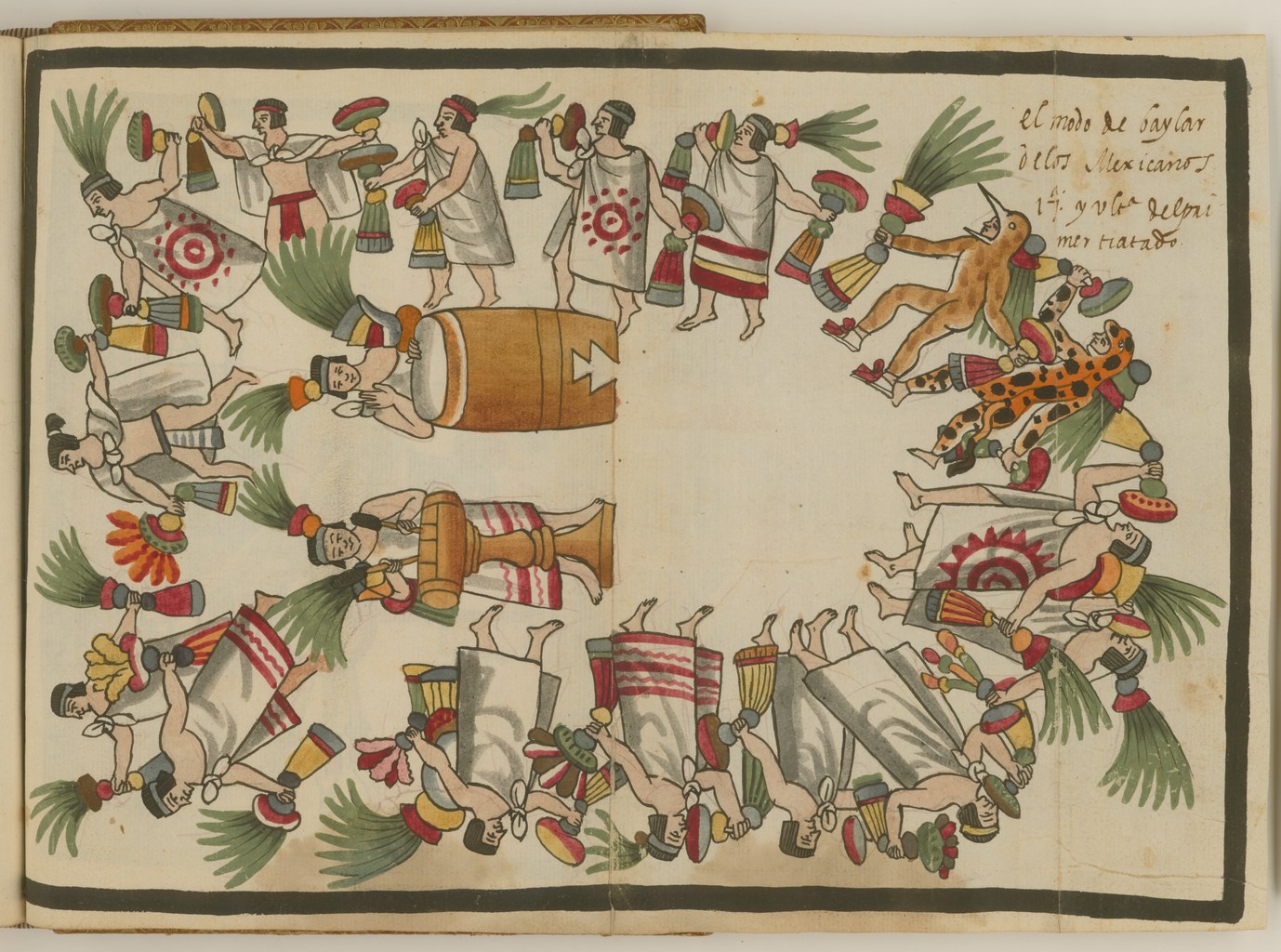
Technique & movement: The dancers form a circle around the musicians and captains, and progress through set ceremonial steps — grounded, pivoting and stamping — with the ankle rattles marking every beat. Regalia is elaborate: feathered headdresses (penachos), shell and mirror ornament, and strings of dried ayoyote seed pods bound at the ankles.
Music & rhythm: The signature instrument is the concha, a small lute whose sound-box is a whole armadillo shell; it is joined by the deep upright huehuetl and slit teponaztli drums and by the rustle of the ayoyote rattles. In the 20th century a wider Mexica revival (the mexicanidad movement) re-emphasized the dance's Aztec roots, often stripping back the Catholic overlay in favour of an openly indigenous ceremonial form.
Danza Azteca (Concheros) Playlists
Curated collections on the LODance YouTube channel — performances to watch, lessons to learn from, and the right music to practice with. Tap a collection to play.
▶ Lessons · Open on YouTube →
Danza Azteca (Concheros) Music & Tempo
Drawn from 20 Danza Azteca (Concheros) tracks in the LODance music library.
Example tracks at practice tempo
- Chalchitlicue — Concheros de Jalostotitlan
- Xipe — Conjunto de Ernesto Ortiz Ramírez
- Tlahuizcalpantecuhtli — Concheros de Jalostotitlan
- Danza del Sol — Conjunto de Ernesto Ortiz Ramírez
- Ritmos Tradicionales de Danza Azteca "Concheros" - Danza del Viento — Ernesto Cano Lomelí - Investigaciones
- Fuego Nuevo — Concheros de Jalostotitlan
Danza Azteca (Concheros) on screen
Films and television where Danza Azteca (Concheros) appears, with the sequences worth watching for.
 This site uses TMDB and the TMDB APIs but is not endorsed, certified, or otherwise approved by TMDB.
What to Wear
Attire guidance for Danza Azteca (Concheros) and other Global Americas Indigenous & Colonial Fusion dances. Each card below is sized to the moment — class, practice, social, or competition — because the wardrobe shifts as the stakes do.
Reading the cards
In Class
Comfortable modern dancewear for class settings. Cultural dance instruction within communities may have specific protocols.
Social Dancing
Traditional regalia for cultural ceremonies and gatherings. Protocols vary significantly between nations and traditions — defer to community elders and instructors.
Competition
Powwow competition: full regalia specific to dance category (Fancy, Jingle Dress, Grass Dance, etc.). Regalia is personal, sacred, and not a 'costume.'
Shoes
Moccasins traditional for many Indigenous dance forms. Powwow: specific footwear varies by dance category. Always defer to cultural protocols.
In Practice
Defer to community elders and instructors on practice attire — many traditions have protocols that override generic advice.
Price Range
- Budget: Modern practice wear; moccasins $80–250.
- Mid: Pricing for regalia is determined by community protocols, family relationships, and craft tradition rather than retail markets — defer to community guidance.
Key Terms
- Regalia (not 'costume')
- Personal, sacred dance dress in many Indigenous traditions. The word 'costume' is incorrect and disrespectful.
Quick Tips
- •Suede-soled shoes allow controlled sliding and pivoting — essential for most partner dances.
- •Avoid rubber soles on dance floors; they grip too much and can cause knee injuries.
- •Bring a separate pair of clean shoes for the dance floor to keep it in good condition.
Sources & Further Reading
Cultural & Historical Context
Danza Azteca (Concheros) emerged from Mexico during the 1800s—present day. Understanding the cultural roots, musical traditions, and social circumstances of this era enriches appreciation for the dance's characteristics and significance.
Primary Source Documents
The Library of Dance contains public-domain primary sources for dance history. Copyrighted modern syllabi are indexed with purchase links to their respective copyright owners. Search by dance name or codifier to discover primary source documents.
Last reviewed: October 2026 — This dance profile synthesizes historical research, cultural documentation, and contemporary practice knowledge to provide authoritative context.
More in Global Americas Indigenous & Colonial Fusion
Global Americas Indigenous & Colonial Fusion in art
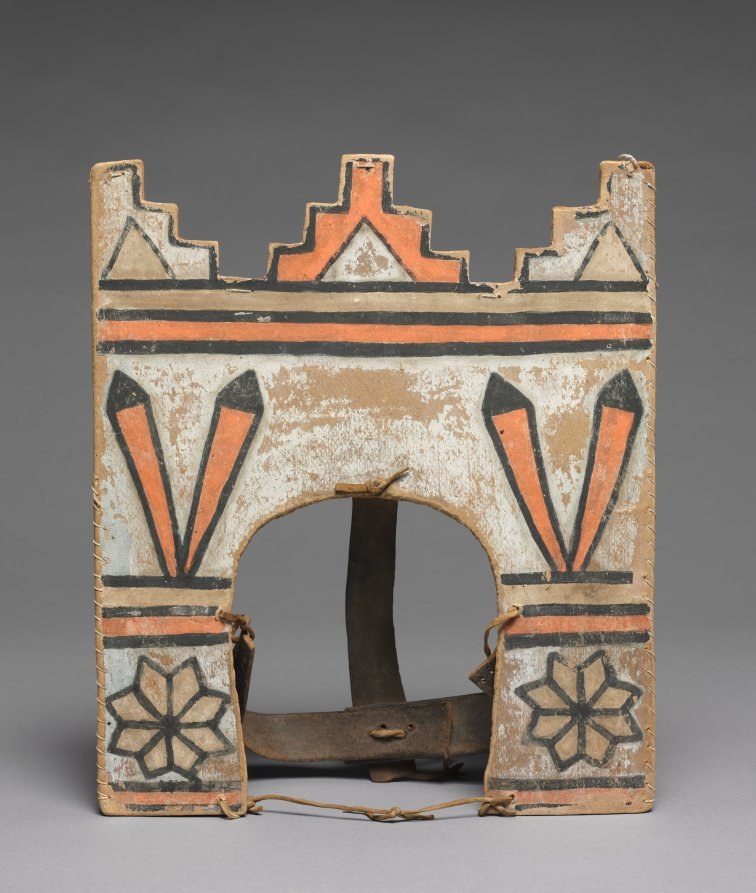
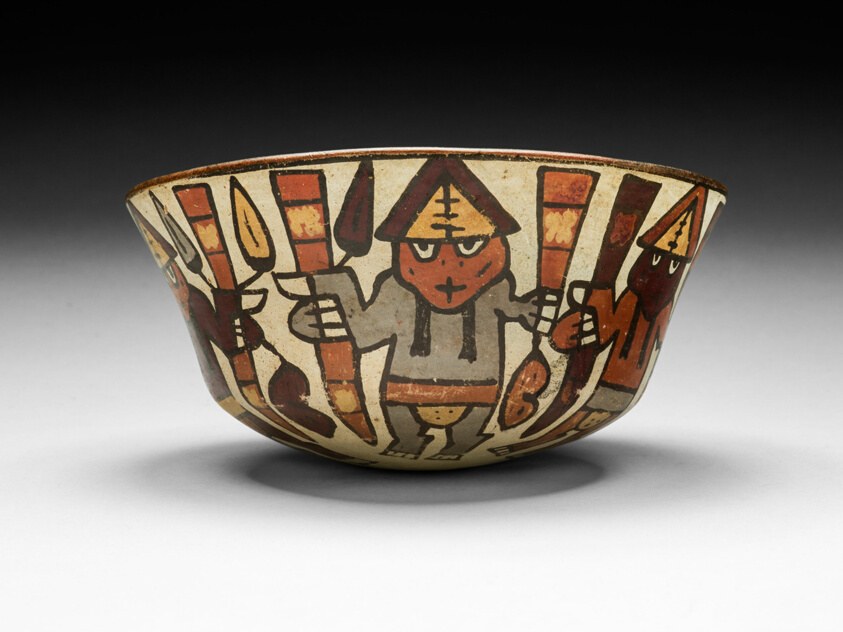
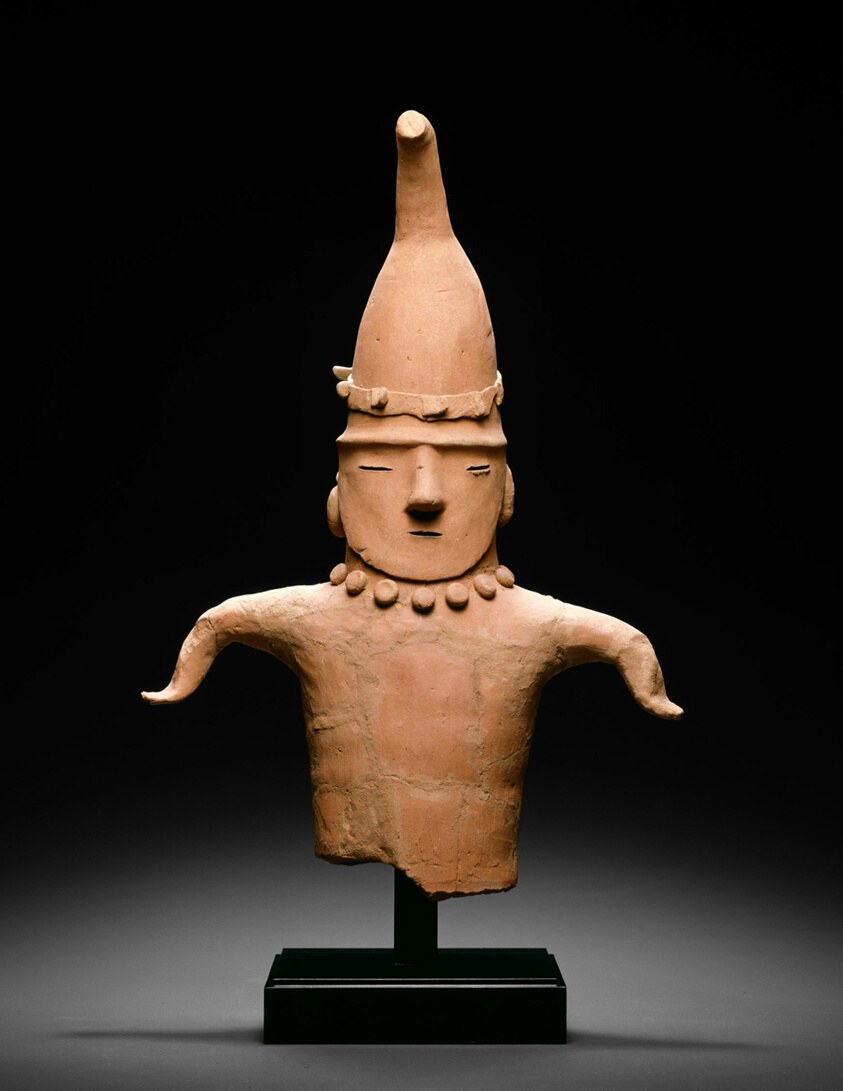
Browse the gallery →Works from the wider Global Americas Indigenous & Colonial Fusion tradition — we have not yet identified enough that depict Danza Azteca (Concheros) specifically.
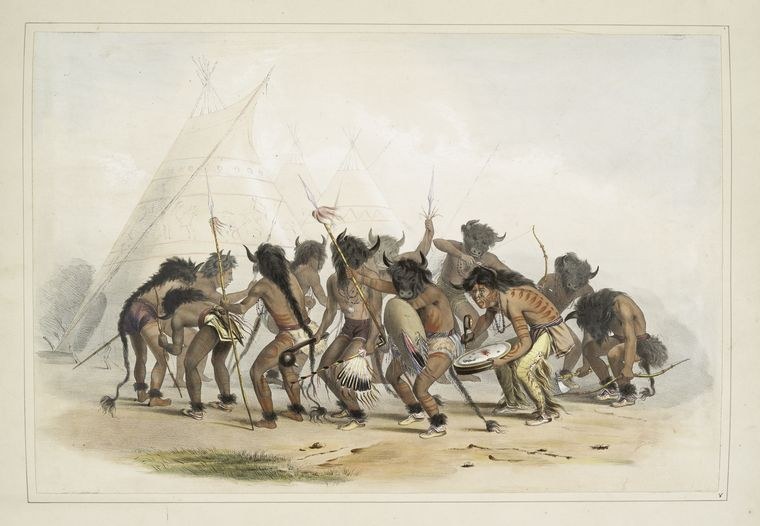
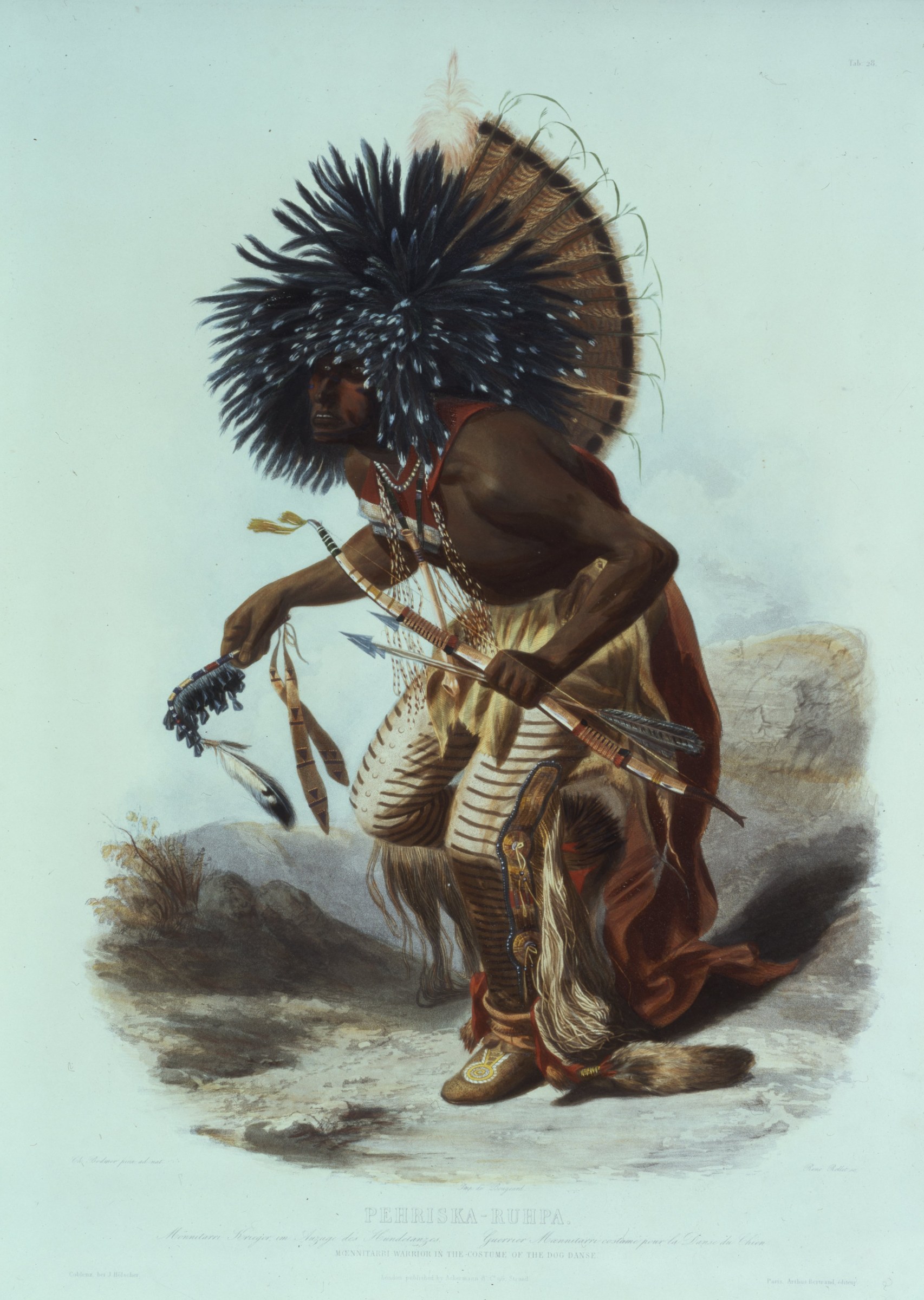
Buffalo dance.
Unknown artist · 2014
public_domain
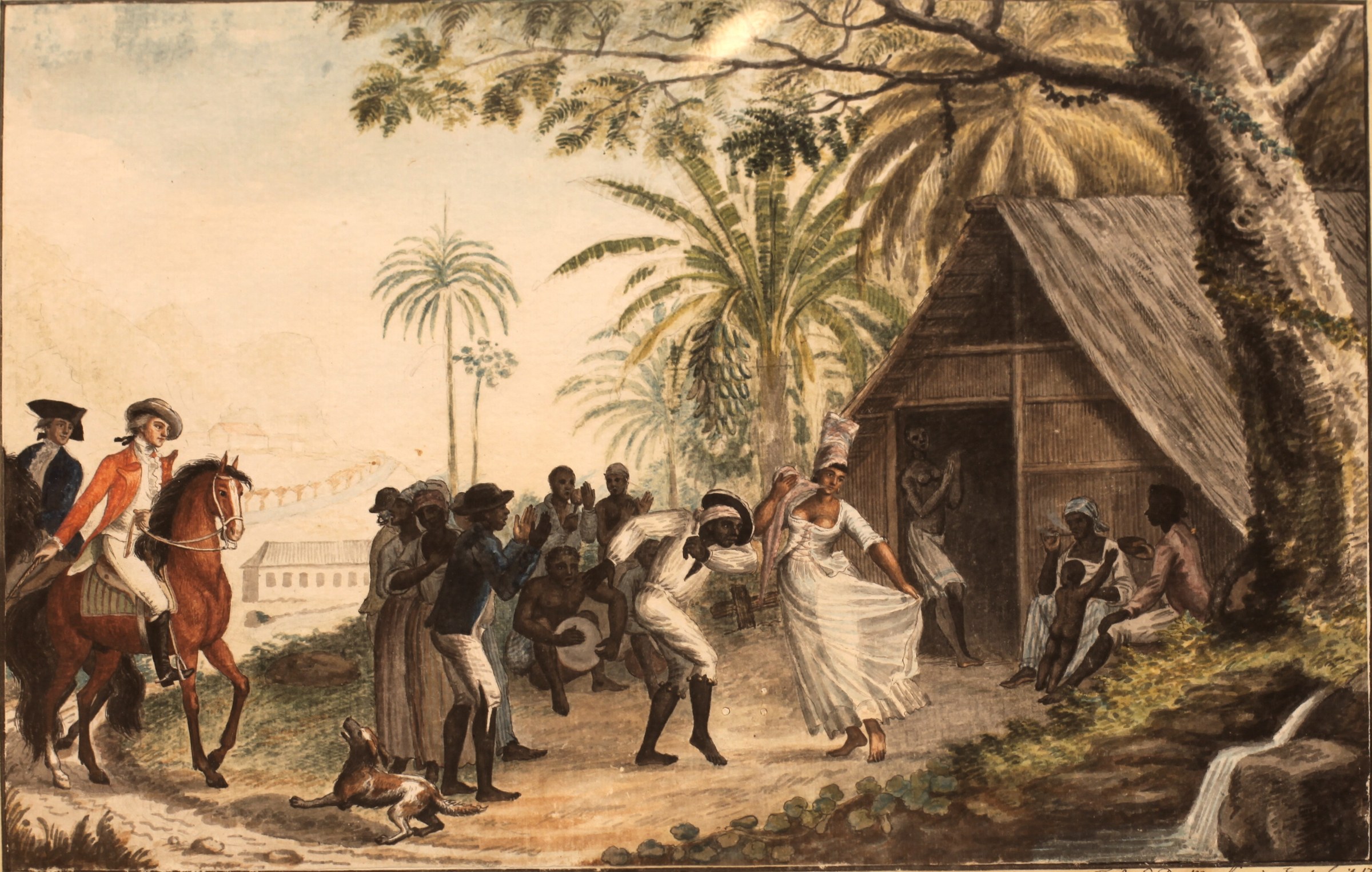
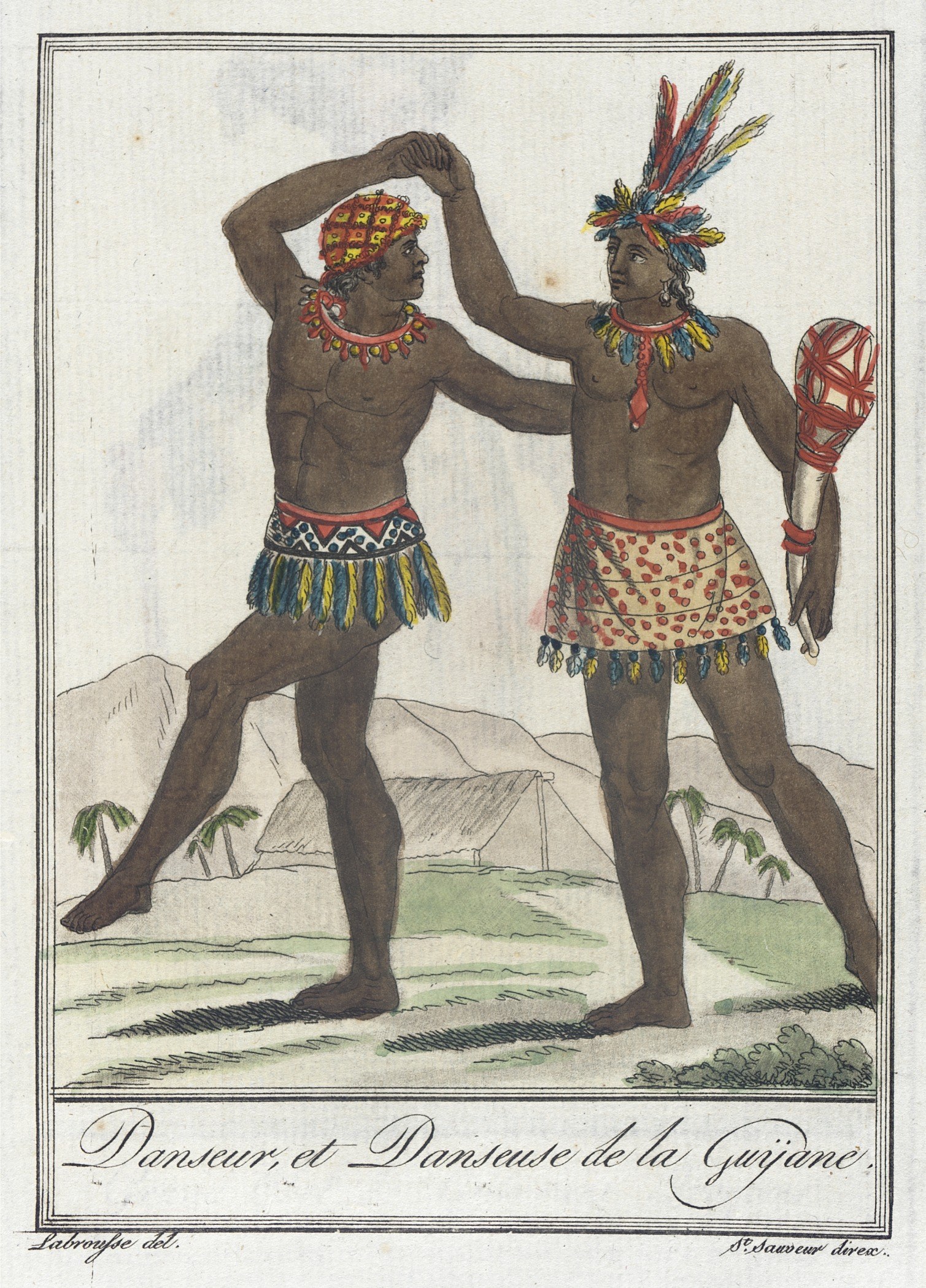
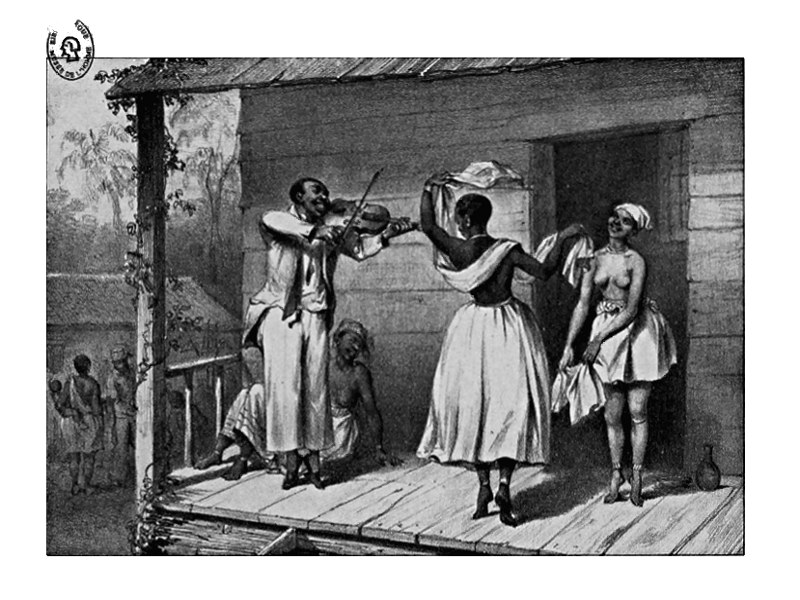
Pierre Jacques Benoit.- La leçon de danse au violon Surinam, 1839
Pierre Jacques Benoît · 2015
Public Domain
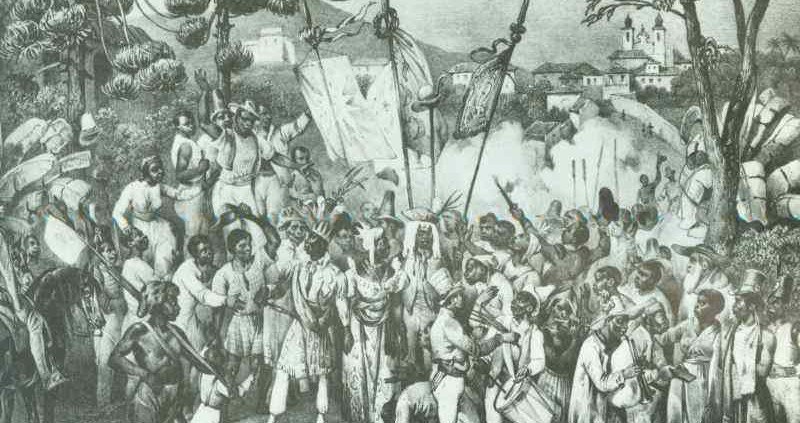
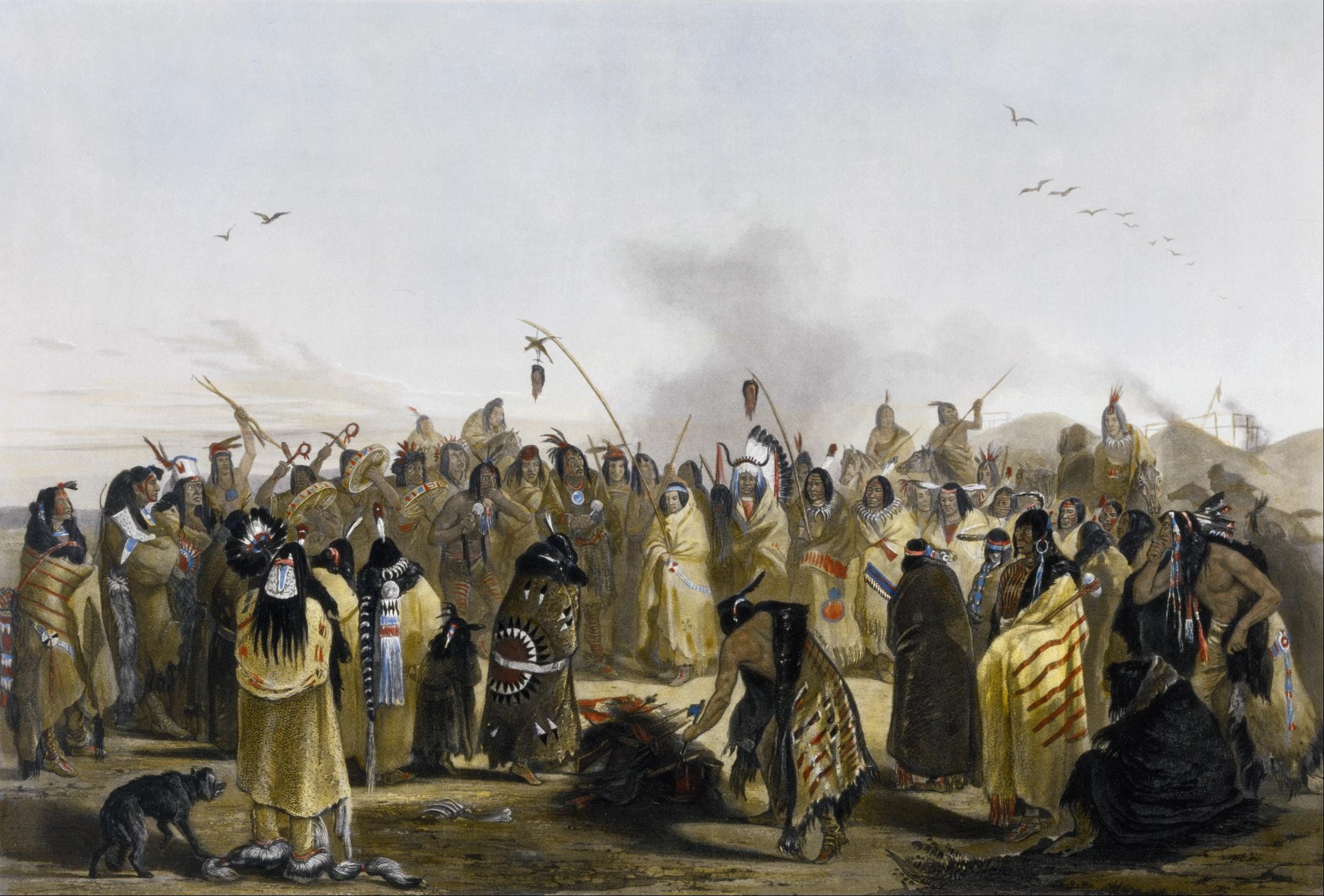
Rugendascongada
Johann Moritz Rugendas · 1835
Public Domain
Continue Exploring
Lineage of Dance
500 years of dance evolution
Champions of Dance
Winners of marquee national & world titles
Language of Dance
161 dance terms & translations
Listening of Dance
Tempo, timing & musicality tools
Gallery of Dance
5,700+ artworks from museum collections
Attire of Dance
Evolution of dance dress across eras
Keep the thread going
Dance history, technique, and the occasional rabbit hole — in your inbox. Thoughtful, infrequent, unsubscribe anytime.
Free. No spam. One click to leave.