History & Cultural Context
Fire knife dancing (siva afi) is a Samoan performance art that combines the traditional ailao — a warrior's exhibition of twirling and handling the nifo oti war club — with fire. In 1946, while performing in San Francisco, the American Samoan performer Uluao "Freddie" Letuli wrapped fuel-soaked cloth around the blade of his knife and lit it, creating the modern fire knife dance; he is widely regarded as the father of the art form. The dance remains a centerpiece of Samoan cultural performance, and the Polynesian Cultural Center in La'ie, Hawai'i hosts the annual World Fireknife Championships.
Fire Knife Dancing — In Depth
Origin & history: The Samoan fire knife dance (siva afi) descends from the ailao - a warrior's display of battle prowess through the artful twirling, throwing, and catching of a war club. Its weapon is the nifo oti ("tooth of death"), a serrated Samoan war club whose prominence is dated to roughly 900-1200 AD. Fire was famously added in 1946, when (by family account) the ailao was revived after research into Samoan history in Hawai'i and the wrapped ends were dipped in flame - a development widely credited to Samoan performer Freddie Letuli.
Cultural & social context: Rooted in Samoan martial heritage, the dance commemorates legendary figures (the brothers Tuna, Fata, and Savea) and has become a signature of Polynesian performance across Samoa, Tahiti, Hawai'i, the Cook Islands, Fiji, and Tonga.
Character & feel: Fierce, thrilling, and virtuosic - a display of warrior pride.
Technique / movement: Performers execute acrobatic stunts while twirling, throwing, and catching a knife set ablaze at both ends, originally a machete wrapped in towels with cloth ends dipped in fire.
Notable events: The World Fireknife Championship has been held since 1992 at the Polynesian Cultural Center in Hawai'i, each May, later adding duet and women's divisions (from 2007).
Fire Knife Dancing Music & Tempo
Drawn from 21 Fire Knife Dancing tracks in the LODance music library.
Example tracks at practice tempo
- Fast Tamure (Drum Dance) (Live) — Drums Of The Pacific198 BPM
- Fireknife — Alx Kawakami125 BPM
- Samoan Dance (Live) — Drums Of The Pacific113 BPM
- Avaiki Nui (Action Song & Drum Dance) (Live) — Drums Of The Pacific
- Samoa: Sasa / Mau'ulu'ulu / Fire Knife Dance — Polynesian Cultural Center
- Te Pare O Papa (Drum Dance) (Live) — Drums Of The Pacific
Who governs Fire Knife Dancing
Federations, councils and examining bodies with a recorded role in this style. No single organisation can tell you this — each one knows only itself.
What to Wear
Attire guidance for Fire Knife Dancing and other Global Pacific Islands & Oceania dances. Each card below is sized to the moment — class, practice, social, or competition — because the wardrobe shifts as the stakes do.
Reading the cards
In Class
Comfortable clothing allowing hip and arm movement. Pareo/sarong wraps are common for Polynesian dance class.
Social Dancing
Traditional dress appropriate to the specific island culture for performances and cultural events.
Competition
Traditional costume — Hula: ti-leaf skirts, leis, specific adornments. Tahitian: more elaborate hip ornaments (more). Maori: piupiu (flax skirts) and traditional adornments.
Shoes
Barefoot is traditional and essential across Pacific Island dance forms. The connection between feet and earth/floor is spiritually and technically integral.
In Practice
Barefoot from day one — the foot-to-floor connection is part of the technique across Pacific traditions, not removable equipment.
Price Range
- Budget: Pareo $20–60; practice clothing from existing wardrobe.
- Mid: Performance attire and adornments $150–600 depending on tradition.
- Premium: Hand-crafted ceremonial pieces (lei, headdresses, piupiu) commissioned through community networks; pricing varies significantly by tradition and craftsmanship.
Key Terms
- Pareo / sarong
- Wrap-style fabric used in Polynesian and Pacific Island dance practice and performance.
- Piupiu
- Flax skirt worn in Maori traditional dance forms.
Quick Tips
- •Suede-soled shoes allow controlled sliding and pivoting — essential for most partner dances.
- •Avoid rubber soles on dance floors; they grip too much and can cause knee injuries.
- •Bring a separate pair of clean shoes for the dance floor to keep it in good condition.
Sources & Further Reading
Cultural & Historical Context
Fire Knife Dancing emerged from Samoa during 1946—present day. Understanding the cultural roots, musical traditions, and social circumstances of this era enriches appreciation for the dance's characteristics and significance.
Primary Source Documents
The Library of Dance contains public-domain primary sources for dance history. Copyrighted modern syllabi are indexed with purchase links to their respective copyright owners. Search by dance name or codifier to discover primary source documents.
Last reviewed: September 2026 — This dance profile synthesizes historical research, cultural documentation, and contemporary practice knowledge to provide authoritative context.
More in Global Pacific Islands & Oceania
Hula
Slow, swaying movements of hips and arms; witnessed by Captain Cook (1778); fundamental to Hawaiian storytelling.
Haka
Maori posture dance with vigorous movements, chanted words, stamping, and fierce facial expressions (pukana); globally known through the All Blacks' pre-match Ka Mate.
Poi
Women's dance twirling poi balls (small spheres on braided fibers); developed hand flexibility for weaving.
Siva
Siva is the Samoan word for dance and refers broadly to Samoan dance; its best-known refined form is the taualuga, a solo traditionally performed by a high-ranking dancer such as a taupou or manaia. Performances emphasize subtle, controlled upper-body movement with fluid arm and hand gestures, supported by aiuli who clap and gesture to mark rhythm.
Ma'ulu'ulu
Large group seated dance with synchronized movements.
Lakalaka
Large group standing dance with more expansive motions than Ma'ulu'ulu.
Kailao
Traditional male warrior club dance tradition.
Tau'olunga
Tongan solo dance performed mainly by young women, especially at weddings.
Meke
Fijian traditional dance performed at celebrations.
Tahitian Dance (Aparima, 'Otea)
Polynesian storytelling dance with hip movements and hand gestures depicting narrative themes.
Global Pacific Islands & Oceania in art
Browse the gallery →Works from the wider Global Pacific Islands & Oceania tradition — we have not yet identified enough that depict Fire Knife Dancing specifically.
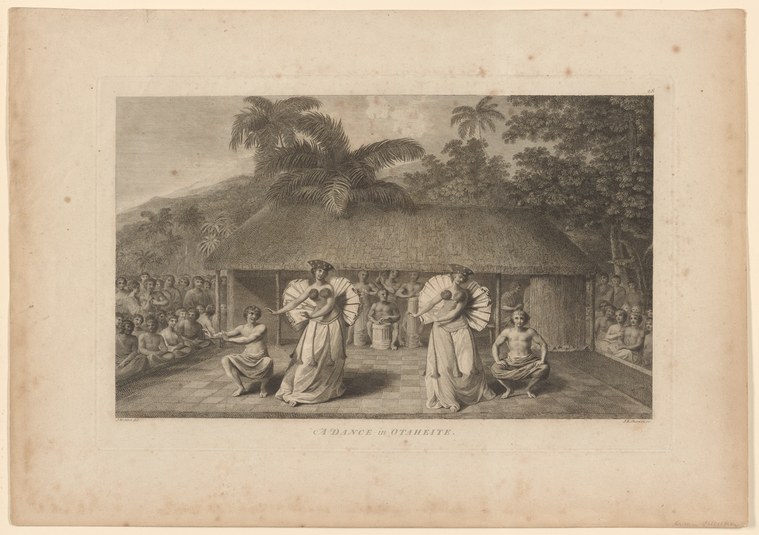
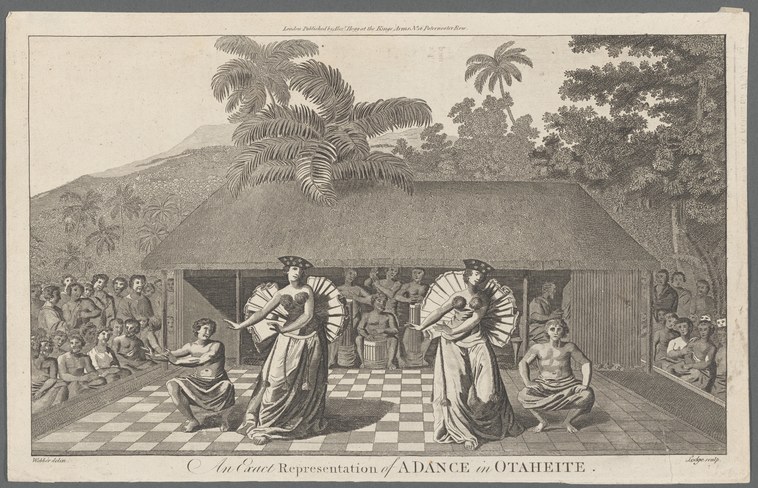
A dance in Otaheite
Unknown artist · 2019
public_domain
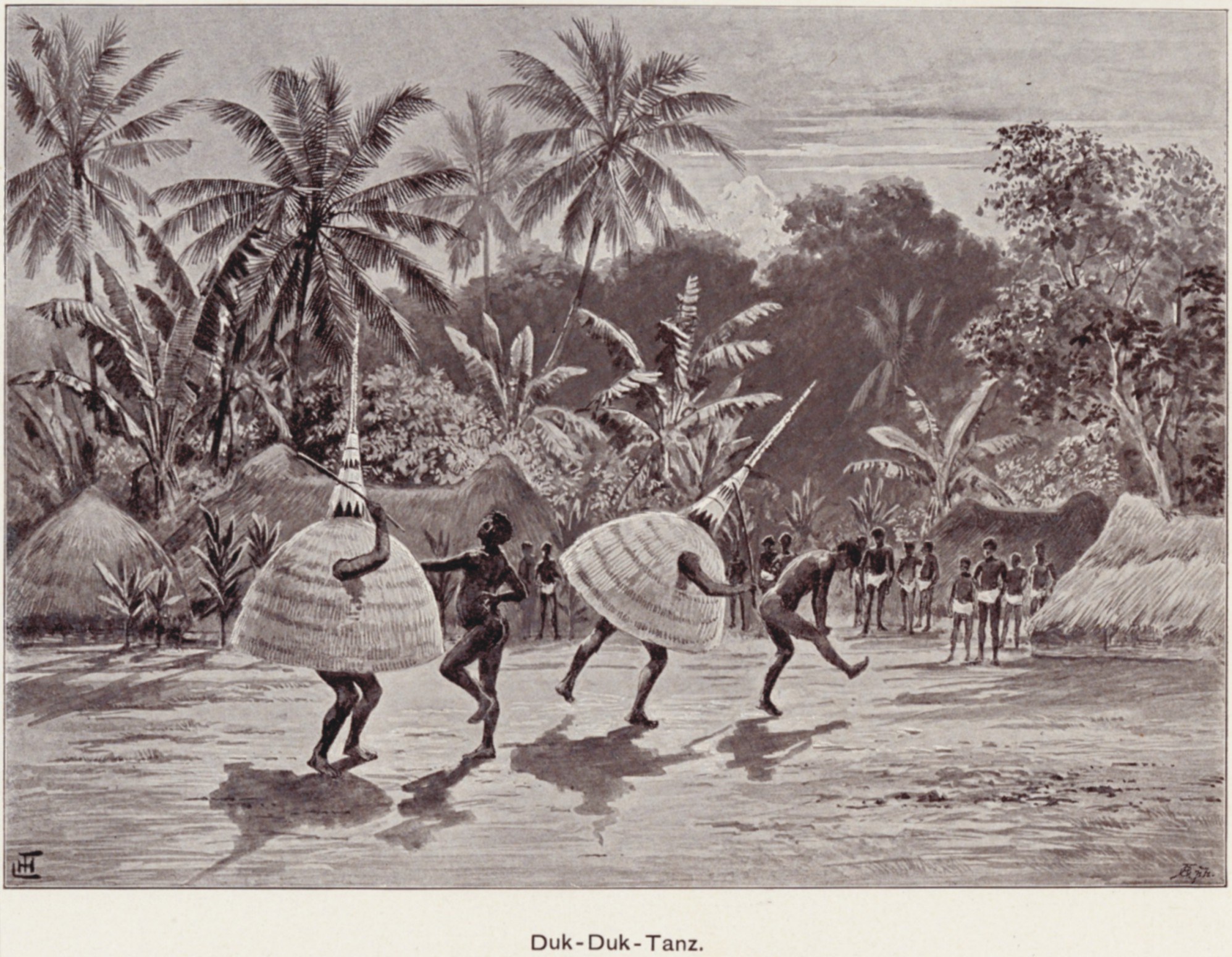
Duk-duk dance
Joachim von Pfeil · 1899
Public Domain
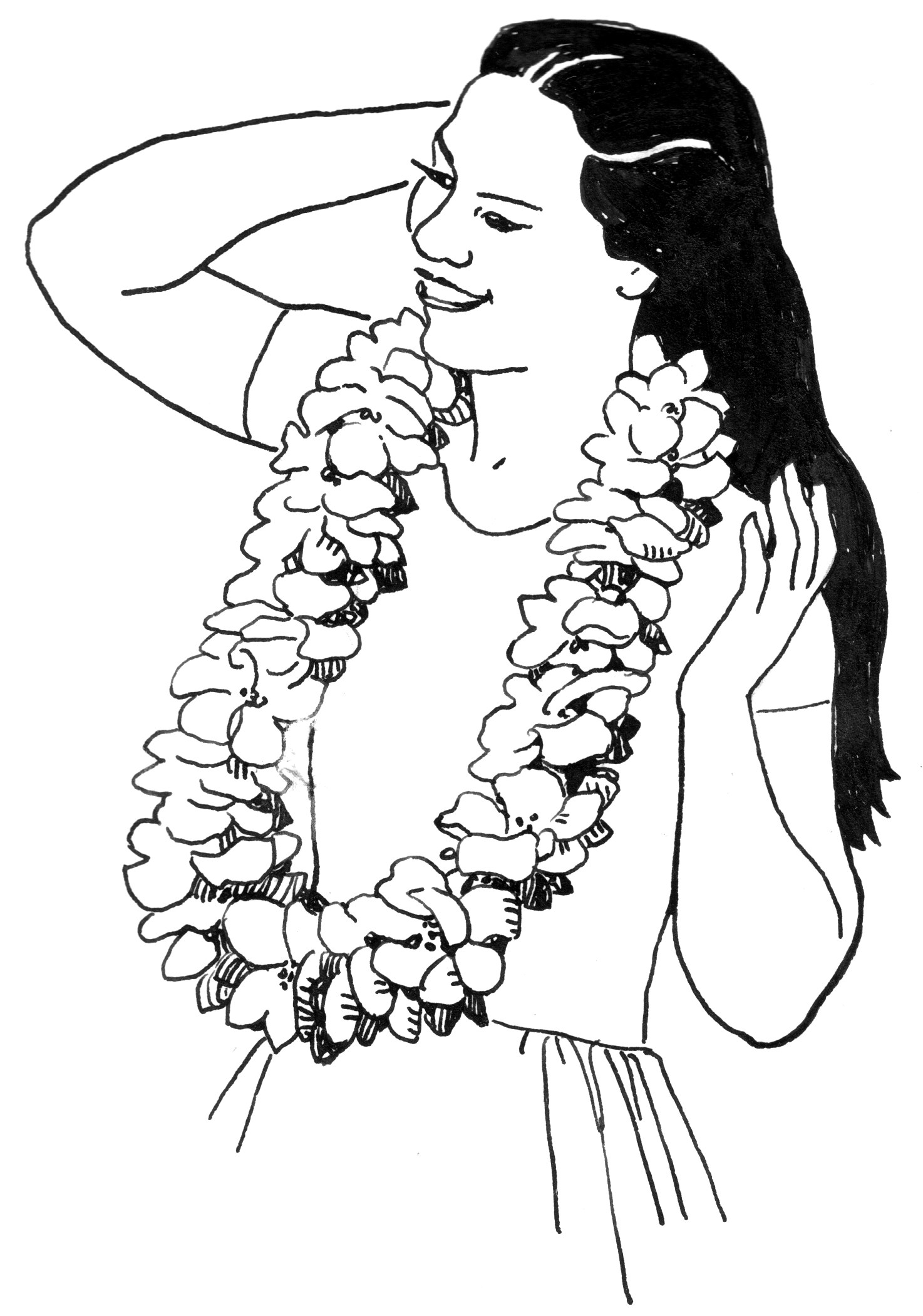
Lei (PSF)
Pearson Scott Foresman
Public Domain
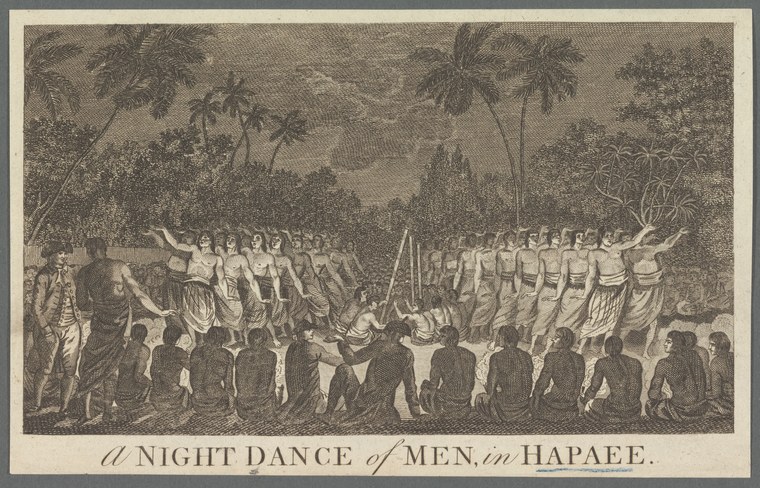
Night dances in Hapaee
Unknown artist
Public Domain
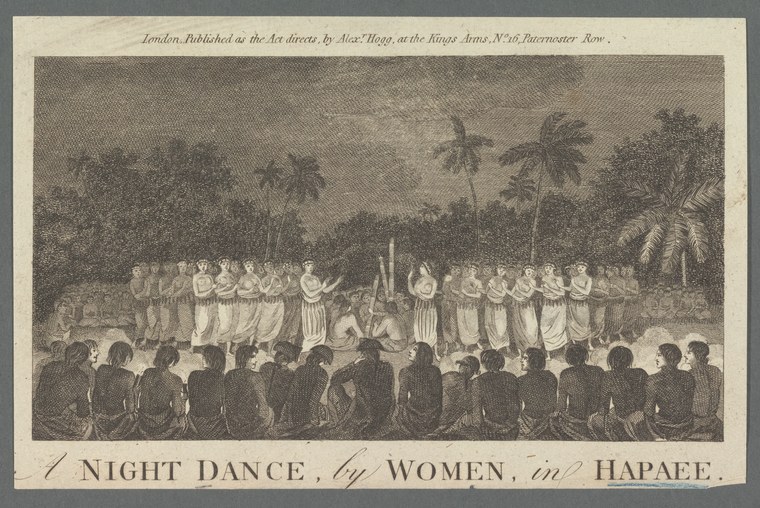
Night dances in Hapaee
Unknown artist
Public Domain
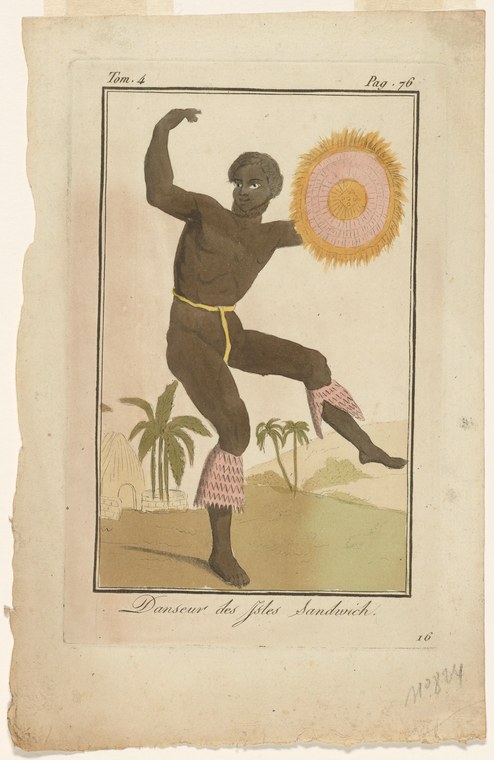
Danseur des Isles Sandwich
Unknown artist
Public Domain
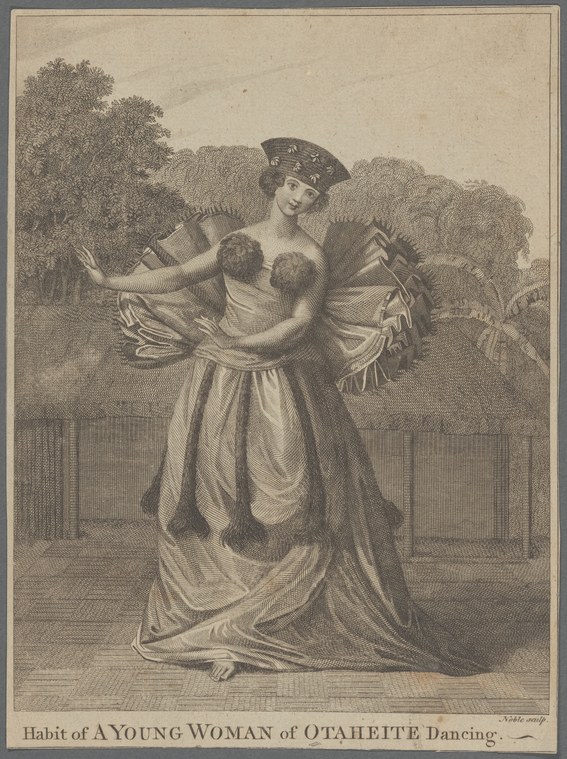
Dances of French Polynesia in prints
Unknown artist
Public Domain
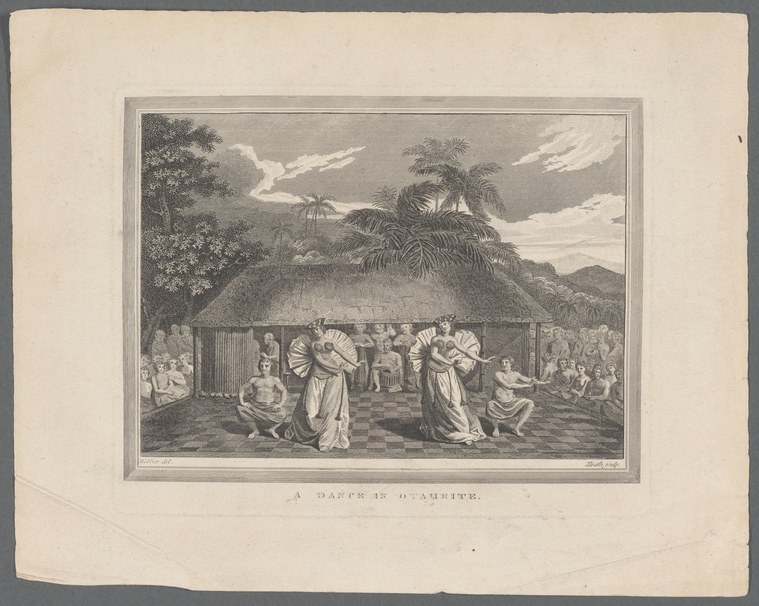
Dances of French Polynesia in prints
Unknown artist
Public Domain
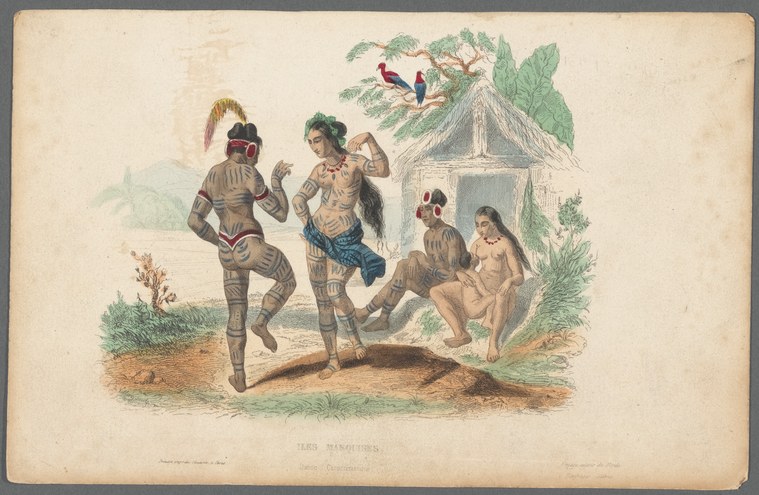
Dances of French Polynesia in prints
Unknown artist
Public Domain
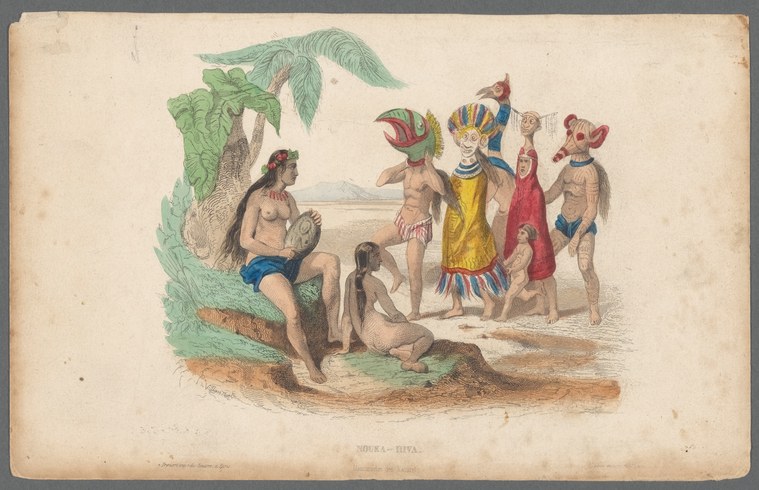
Dances of French Polynesia in prints
Unknown artist
Public Domain
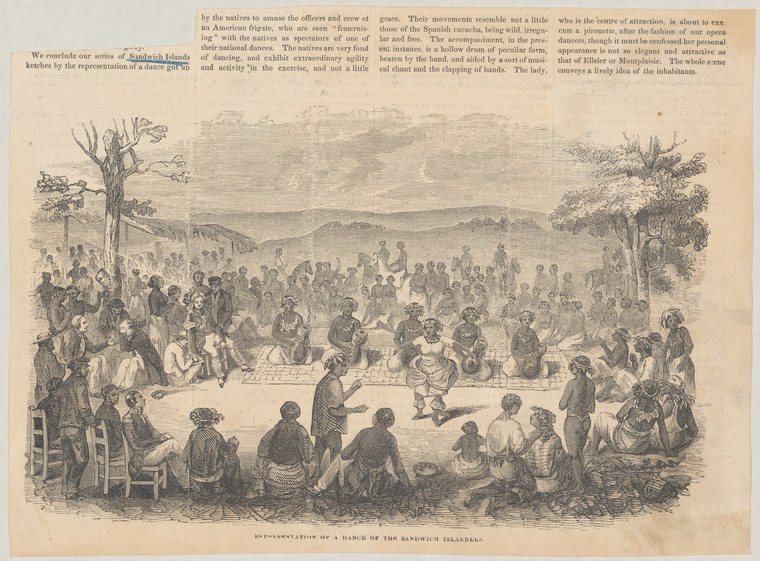
Dances of French Polynesia in prints
Unknown artist
Public Domain
Continue Exploring
Lineage of Dance
500 years of dance evolution
Champions of Dance
Winners of marquee national & world titles
Language of Dance
161 dance terms & translations
Listening of Dance
Tempo, timing & musicality tools
Gallery of Dance
5,700+ artworks from museum collections
Attire of Dance
Evolution of dance dress across eras
Keep the thread going
Dance history, technique, and the occasional rabbit hole — in your inbox. Thoughtful, infrequent, unsubscribe anytime.
Free. No spam. One click to leave.