History & Cultural Context
Meke is the collective term for Fijian traditional dance, in which chanting and song are integrated with synchronized movement. Performers divide into the vakatara, who sit and provide the singing and percussion, and the matana, who perform the dance. The accompaniment is built on voice and percussion, using instruments such as the lali (slit gong), derua (stamping bamboo tubes), and cobo (cupped-hand clapping).
Because Fijian society historically transmitted knowledge orally rather than through writing, meke functioned as a means of preserving history, genealogy, and legend, encoded in its chants and movements. The geographer Friedrich Ratzel described the Fijian meke as both song and dance in The History of Mankind (1896), recording the tradition that new compositions were believed to be received from ancestral spirits by specialists known as daunivucu. The form predates European contact and the written record.
Meke is performed at welcomes, ceremonies, and communal celebrations, and continues today alongside adapted contemporary forms.
Meke — In Depth
The meke is the composite song-and-dance complex of Indigenous (iTaukei) Fiji, in which poetry, music, and choreographed movement combine to record history, legend, genealogy, and daily life. By tradition the meke is a gift of the ancestral spirits: a composition is not authored so much as received. A gifted specialist called the daunivucu (composer/choreographer) is said to commune with deities and to be taught songs and dances in dreams over successive nights, typically three or four verses at a time. Nineteenth-century ethnographic accounts (Ratzel, 1896) record the belief that the words and steps were taught 'in the spirit world' by divine beings; in some accounts the daunivucu forgets the entire work once it has been transmitted to the dancers. This spiritual provenance gives the meke its authority as oral history and its ceremonial weight.
The meke is embedded in the ceremonial and social life of the community. It is performed to commemorate deaths, celebrate births and weddings, welcome honoured guests and chiefs, mark historic events and installations, and in earlier times to invoke the protection of deities before war. As a storytelling medium in a formerly non-literate society, it preserves and transmits the memory of the vanua (land and people).
Several principal types are recognised. The meke wesi (spear dance) and meke i wau (club dance) are vigorous, martial men's dances displaying strength, agility and warrior prowess, performers wielding spears, clubs and fans. The seasea is a graceful standing women's dance, often performed with fans for celebratory occasions. The vakamalolo is a seated dance (its name linked to Malolo island) performed by seated dancers using the upper body, arms and hands. The taralala is a more modern, informal social dance in which couples move together, reflecting later, foreign-influenced practice. Other named forms include the meke ni manumanu (imitating animals) and ruasa. Historically the dances were performed by groups of men only or women only, though contemporary and tourism performances increasingly mix genders.
Technically, the meke relies on tightly coordinated unison: rhythmic swaying, stamping, hand and arm gestures, and rises and falls of the body that illustrate the sung text rather than free improvisation. Men's movements are strong and virile; women's are subtler and more fluid. Dancers wear the salusalu (garland), vesa (leafy arm and ankle bands) and are anointed with scented coconut oil so the skin glistens.
Musically, the seated vakatara ensemble drives the performance with layered vocal chant and percussion: the lali (hardwood slit gong), the derua (bamboo stamping tubes), beating sticks, and cobo, a resonant cupped-hand clapping. A lead singer/chant leader sets and carries the text while the group answers in harmony, the tempo and intensity shifting to match martial or lyrical passages. Audiences traditionally show appreciation not by applause but by calling thanks and presenting gifts such as cloth, mats and oils to the performers. The meke remains a living tradition, central to national celebrations, village ceremonies and cultural presentations across the Fiji islands.
Sources: https://en.wikipedia.org/wiki/Meke ; https://www.fijitimes.com.fj/deities-dreams-and-traditional-dances/ ; https://fijislands.com/exploring-fijis-traditional-meke-dance-styles/ ; https://www.outrigger.com/stories/2020/july/fiji-meke ; https://www.clubfijilife.com/blog/the-enchanting-meke-dance-of-fiji-history-origin-and-modern-significance ; https://www.polynesia.com/blog/traditional-fijian-meke-dance
Meke Playlists
Curated collections on the LODance YouTube channel — performances to watch, lessons to learn from, and the right music to practice with. Tap a collection to play.
▶ Practice Music · Open on YouTube →
Meke Music & Tempo
Drawn from 21 Meke tracks in the LODance music library.
Example tracks at practice tempo
- Raude Meke — Black Rose137 BPM
- Buka Karasini — Nawaka Entertainment Group
- Sitima Levu — Nawaka Entertainment Group
- Lali Drums with Chants - Long Sequence — Fijian Meke Performers
- Isa Lei — Nawaka Entertainment Group
- Bula Maleya Kei Viti Talega — Nawaka Entertainment Group
What to Wear
Attire guidance for Meke and other Global Pacific Islands & Oceania dances. Each card below is sized to the moment — class, practice, social, or competition — because the wardrobe shifts as the stakes do.
Reading the cards
In Class
Comfortable clothing allowing hip and arm movement. Pareo/sarong wraps are common for Polynesian dance class.
Social Dancing
Traditional dress appropriate to the specific island culture for performances and cultural events.
Competition
Traditional costume — Hula: ti-leaf skirts, leis, specific adornments. Tahitian: more elaborate hip ornaments (more). Maori: piupiu (flax skirts) and traditional adornments.
Shoes
Barefoot is traditional and essential across Pacific Island dance forms. The connection between feet and earth/floor is spiritually and technically integral.
In Practice
Barefoot from day one — the foot-to-floor connection is part of the technique across Pacific traditions, not removable equipment.
Price Range
- Budget: Pareo $20–60; practice clothing from existing wardrobe.
- Mid: Performance attire and adornments $150–600 depending on tradition.
- Premium: Hand-crafted ceremonial pieces (lei, headdresses, piupiu) commissioned through community networks; pricing varies significantly by tradition and craftsmanship.
Key Terms
- Pareo / sarong
- Wrap-style fabric used in Polynesian and Pacific Island dance practice and performance.
- Piupiu
- Flax skirt worn in Maori traditional dance forms.
Quick Tips
- •Suede-soled shoes allow controlled sliding and pivoting — essential for most partner dances.
- •Avoid rubber soles on dance floors; they grip too much and can cause knee injuries.
- •Bring a separate pair of clean shoes for the dance floor to keep it in good condition.
Sources & Further Reading
Cultural & Historical Context
Meke emerged from Fiji. Understanding the cultural roots, musical traditions, and social circumstances of this era enriches appreciation for the dance's characteristics and significance.
Primary Source Documents
The Library of Dance contains public-domain primary sources for dance history. Copyrighted modern syllabi are indexed with purchase links to their respective copyright owners. Search by dance name or codifier to discover primary source documents.
Last reviewed: October 2026 — This dance profile synthesizes historical research, cultural documentation, and contemporary practice knowledge to provide authoritative context.
More in Global Pacific Islands & Oceania
Hula
Slow, swaying movements of hips and arms; witnessed by Captain Cook (1778); fundamental to Hawaiian storytelling.
Haka
Maori posture dance with vigorous movements, chanted words, stamping, and fierce facial expressions (pukana); globally known through the All Blacks' pre-match Ka Mate.
Poi
Women's dance twirling poi balls (small spheres on braided fibers); developed hand flexibility for weaving.
Siva
Siva is the Samoan word for dance and refers broadly to Samoan dance; its best-known refined form is the taualuga, a solo traditionally performed by a high-ranking dancer such as a taupou or manaia. Performances emphasize subtle, controlled upper-body movement with fluid arm and hand gestures, supported by aiuli who clap and gesture to mark rhythm.
Fire Knife Dancing
Samoan fire knife dance (siva afi), evolved from the indigenous ailao warrior knife dance performed with the nifo oti ("tooth of death"). Fire was added in 1946 by Freddie Letuli.
Ma'ulu'ulu
Large group seated dance with synchronized movements.
Lakalaka
Large group standing dance with more expansive motions than Ma'ulu'ulu.
Kailao
Traditional male warrior club dance tradition.
Tau'olunga
Tongan solo dance performed mainly by young women, especially at weddings.
Tahitian Dance (Aparima, 'Otea)
Polynesian storytelling dance with hip movements and hand gestures depicting narrative themes.
Global Pacific Islands & Oceania in art
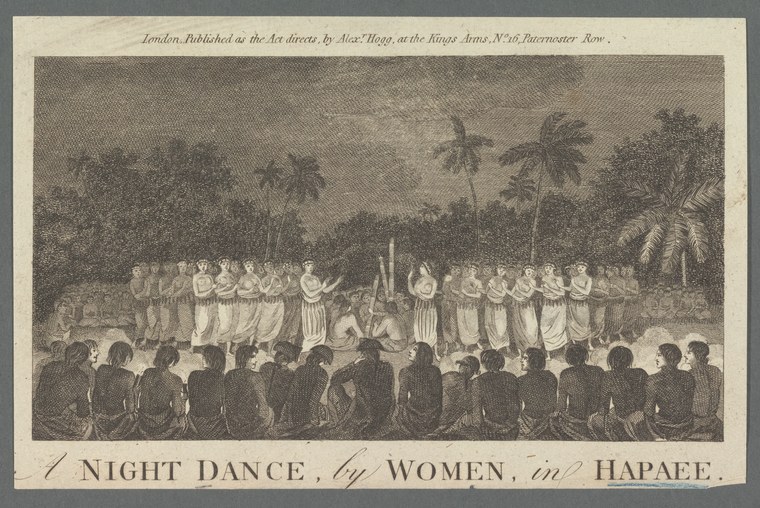
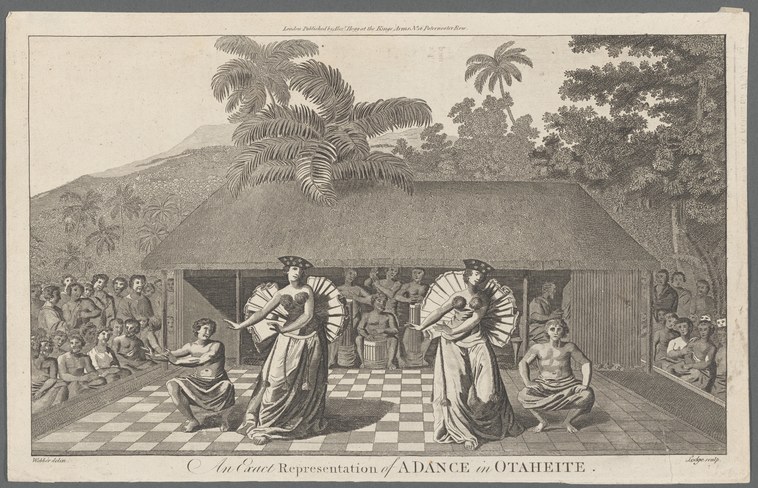
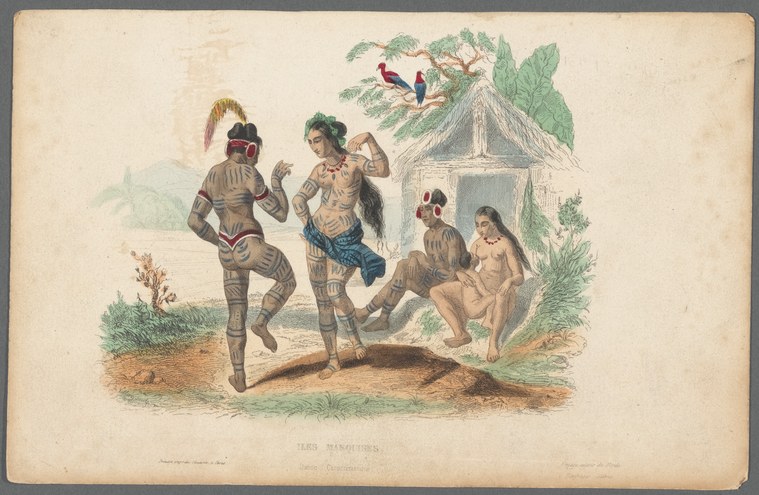
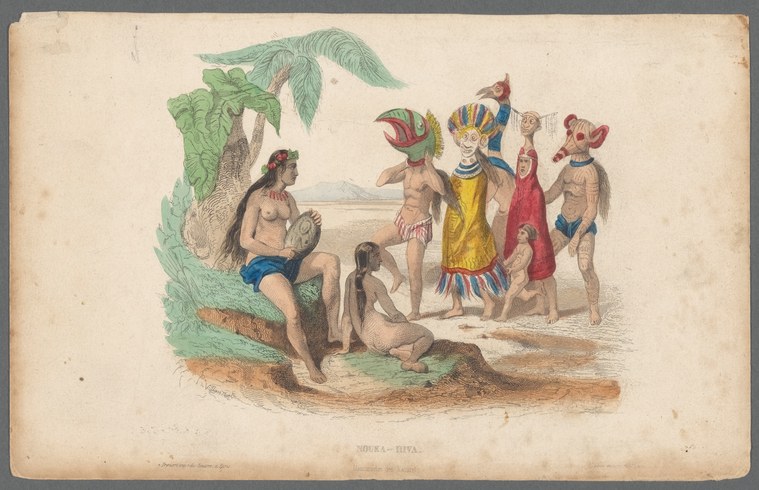
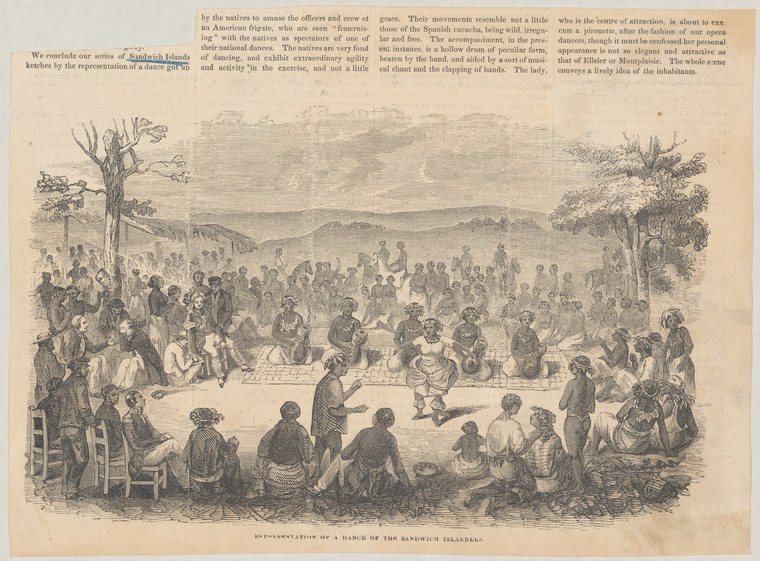
Browse the gallery →Works from the wider Global Pacific Islands & Oceania tradition — we have not yet identified enough that depict Meke specifically.
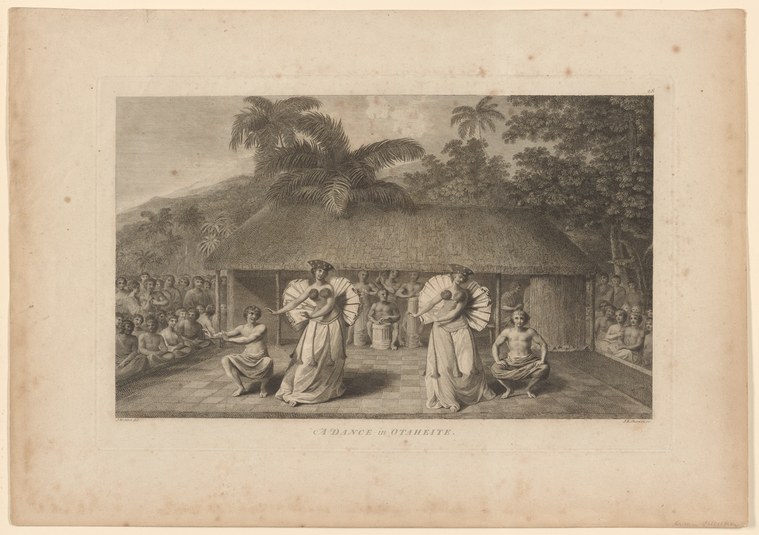
A dance in Otaheite
Unknown artist · 2019
public_domain
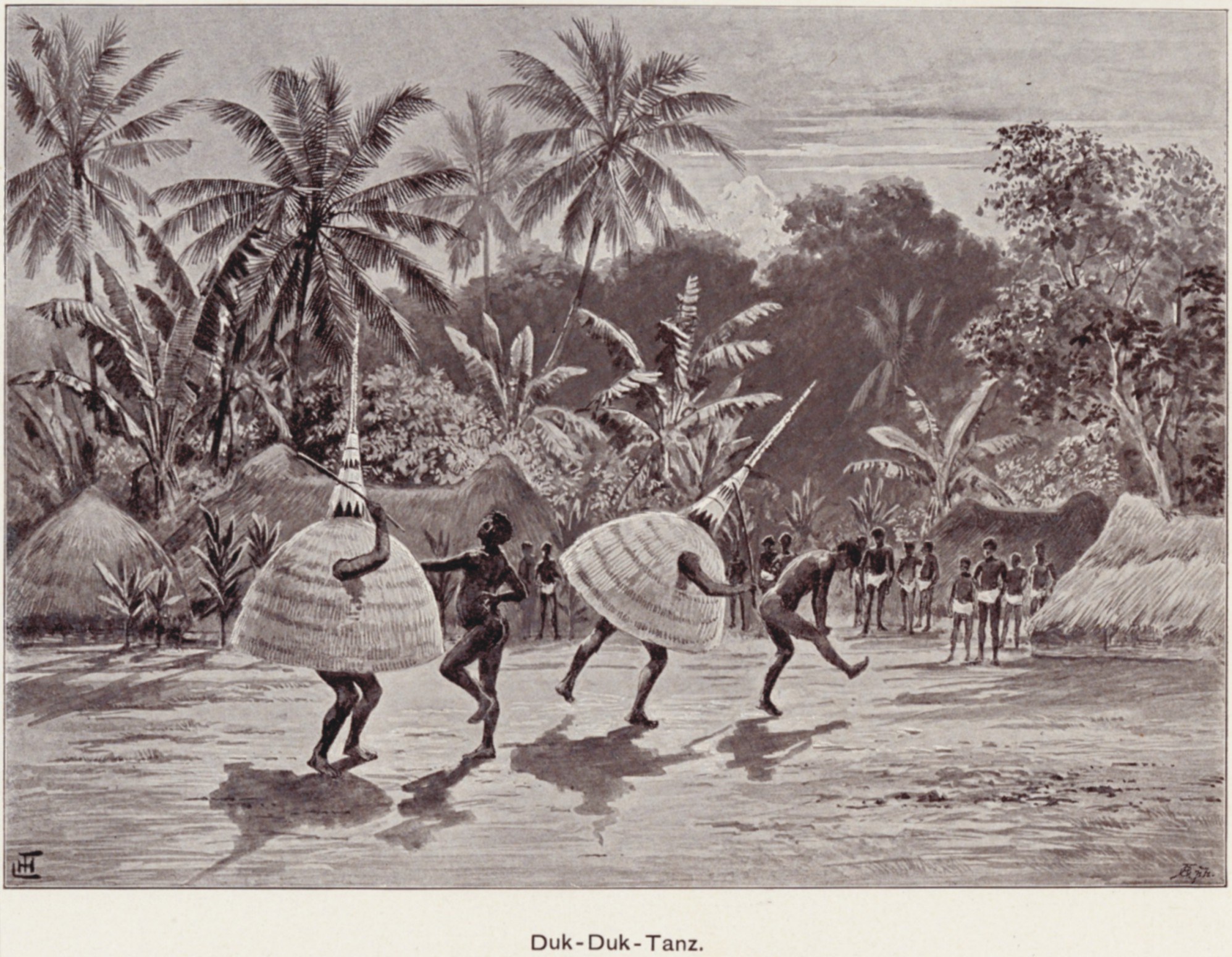
Duk-duk dance
Joachim von Pfeil · 1899
Public Domain
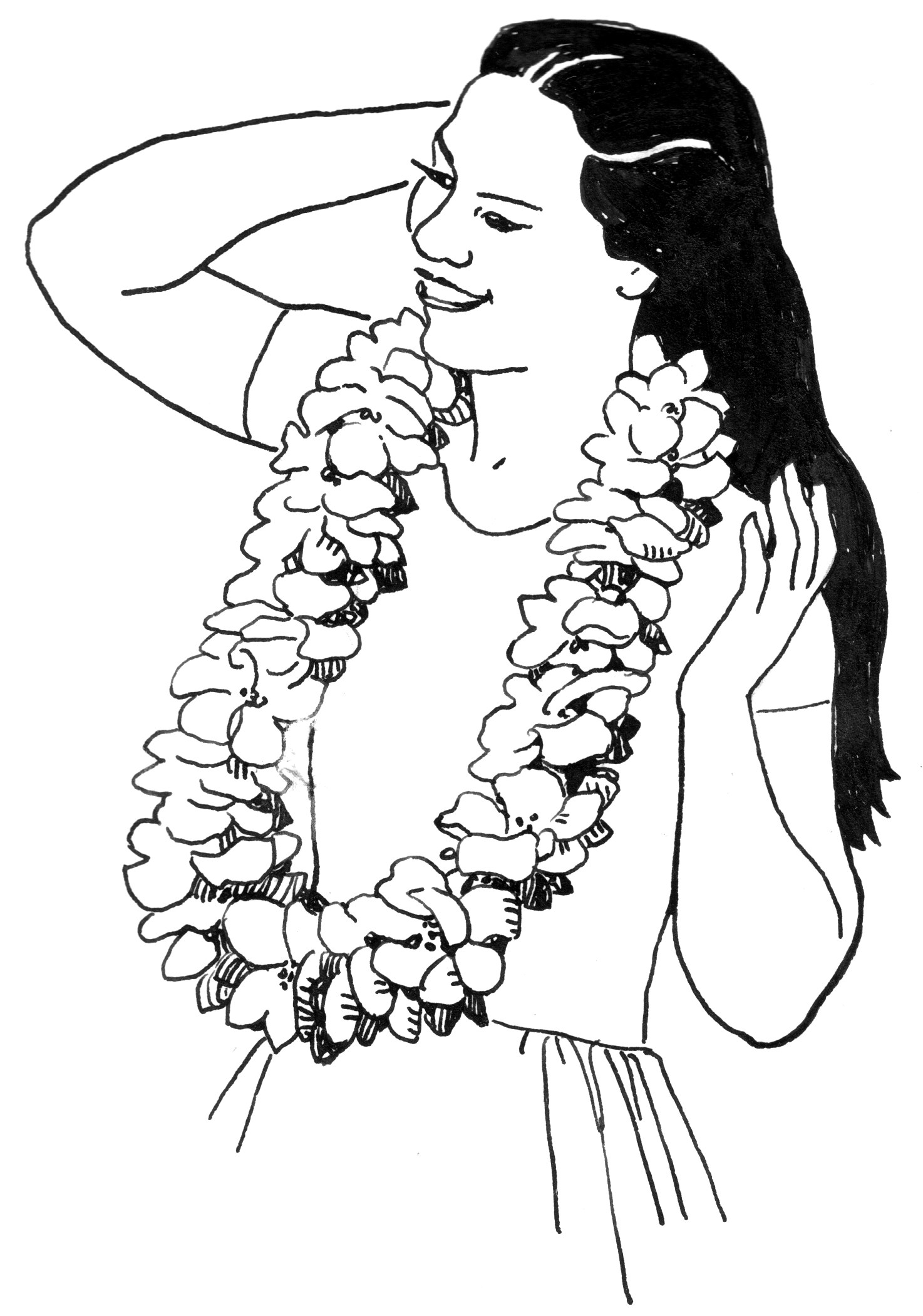
Lei (PSF)
Pearson Scott Foresman
Public Domain
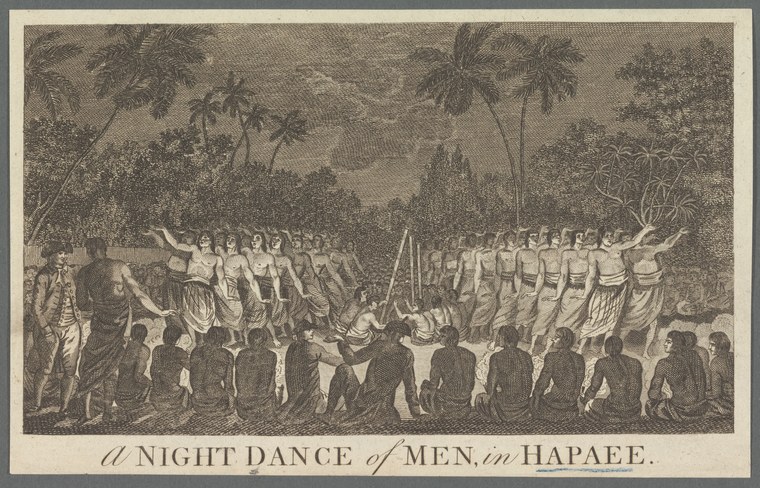
Night dances in Hapaee
Unknown artist
Public Domain
Night dances in Hapaee
Unknown artist
Public Domain
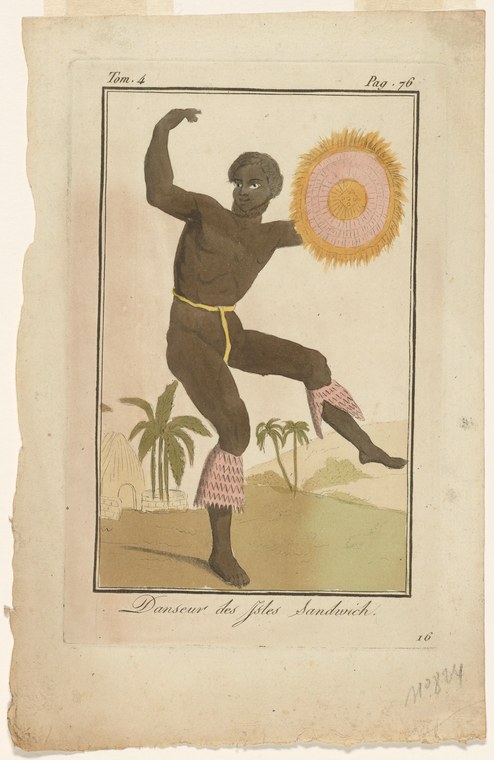
Danseur des Isles Sandwich
Unknown artist
Public Domain
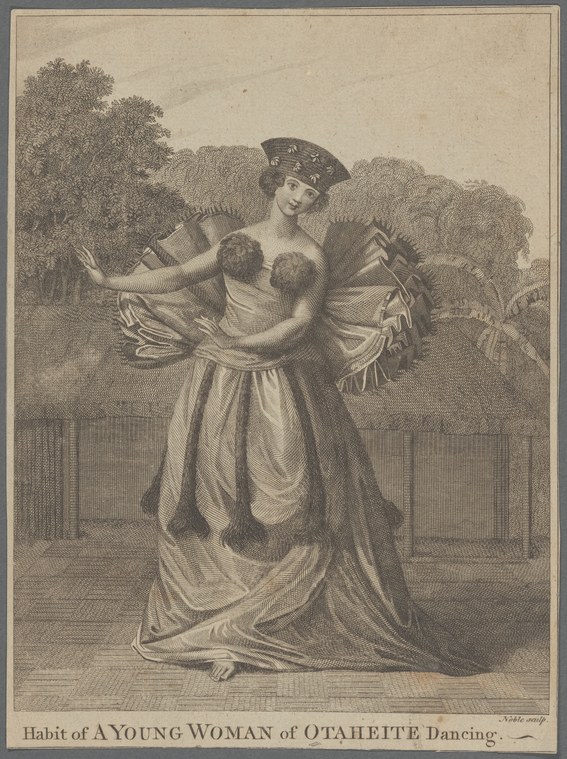
Dances of French Polynesia in prints
Unknown artist
Public Domain
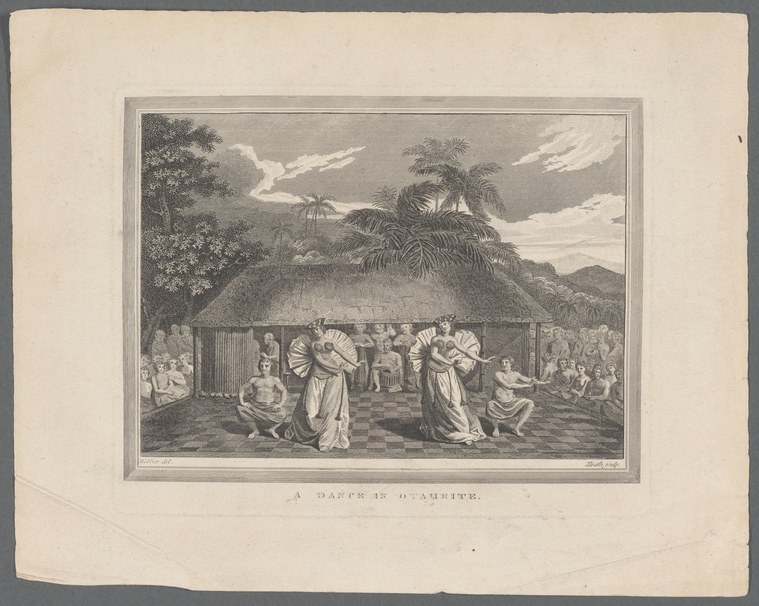
Dances of French Polynesia in prints
Unknown artist
Public Domain
Dances of French Polynesia in prints
Unknown artist
Public Domain
Dances of French Polynesia in prints
Unknown artist
Public Domain
Dances of French Polynesia in prints
Unknown artist
Public Domain
Continue Exploring
Lineage of Dance
500 years of dance evolution
Champions of Dance
Winners of marquee national & world titles
Language of Dance
161 dance terms & translations
Listening of Dance
Tempo, timing & musicality tools
Gallery of Dance
5,700+ artworks from museum collections
Attire of Dance
Evolution of dance dress across eras
Keep the thread going
Dance history, technique, and the occasional rabbit hole — in your inbox. Thoughtful, infrequent, unsubscribe anytime.
Free. No spam. One click to leave.