History & Cultural Context
Giddha is a lively women's folk dance from the Punjab region, often described as the female counterpart to Bhangra. Performed at festivals, weddings, and cultural celebrations, it combines rhythmic clapping, swaying, and expressive movements with boliyan — short, witty couplets sung by the dancers themselves that comment on everything from romance and in-laws to politics and daily life.
Unlike Bhangra's drum-driven intensity, Giddha relies primarily on the human voice and hand-clapping for its rhythm, giving it an intimate, communal quality. Dancers form a circle and take turns performing in the center while others clap and sing, creating a call-and-response dynamic that rewards quick wit and theatrical flair. The movements are characterized by hip swaying, hand gestures, and facial expressions that dramatize the boliyan lyrics. Traditional Giddha costume includes the colorful Punjabi salwar kameez with a dupatta, and dancers often wear traditional jewelry including tikka, nath (nose ring), and churiyan (bangles).
Giddha — In Depth
Origin & history: Giddha (also spelled Gidha) is a vibrant women's folk dance of the Punjab region spanning present-day India and Pakistan, believed to derive from ancient ring-dance traditions of the area. After the 1947 Partition of India, Punjabi folk dances were consolidated, staged, and promoted as iconic expressions of Punjabi identity, and from the 1960s onward Giddha was increasingly codified, with competitions spreading across Punjab and the global diaspora.
Cultural & social context: Traditionally performed by women at weddings, the Teej festival, and other festive gatherings, Giddha offers a space for women to express joy, camaraderie, and pointed social commentary. Since the 1990s it has spread internationally through college and South Asian student groups.
Character & feel: The dance is lively, brisk, and fun-filled, blending feminine grace, elegance, and flexibility with energy comparable to bhangra. Humor and gentle satire are central as performers act out everyday scenes and relationships.
Technique & movement: Dancers form a circle and keep time with rhythmic clapping; pairs step into the center to perform short skits and gestures while the group claps and sings. Colorful attire (salwar kameez or ghagra, braids, jewelry, and a forehead tikka) is part of the performance.
Music & rhythm: Uniquely among Punjabi dances, Giddha does not require the dhol. Rhythm comes from hand-clapping, the dholki/dholak, or a ghara (earthen pot). Its defining feature is the boliyan: short sung couplets delivered by a lead singer and echoed by the chorus in call-and-response, addressing love, family, and the lives of women.
Giddha Playlists
Curated collections on the LODance YouTube channel — performances to watch, lessons to learn from, and the right music to practice with. Tap a collection to play.
▶ Performances · Open on YouTube →
Giddha Music & Tempo
Drawn from 22 Giddha tracks in the LODance music library.
Example tracks at practice tempo
- Giddha Beat 1 (Dholak & Dhol 115 Bpm) — Dhol Enforcement Agency115 BPM
- Giddha Beat 2 (Dholak, Dhol, Chimta & Clap 120 Bp) — Dhol Enforcement Agency120 BPM
- Giddha Beat 4 (Dhol, Drums & Clap 135 Bpm) — Dhol Enforcement Agency135 BPM
- Giddha Beat 3 (Dholak & Chimta 130 Bpm) — Dhol Enforcement Agency130 BPM
- Gidhe Wich Nachdi — Manmohan Waris
- Gidda — Satwant Kaur, Kudrat Kaur
What to Wear
Attire guidance for Giddha and other Global South Asian Classical & Folk dances. Each card below is sized to the moment — class, practice, social, or competition — because the wardrobe shifts as the stakes do.
Reading the cards
In Class
Traditional practice wear varies by form: Bharatanatyam uses a specific practice sari or churidar; Kathak uses a long flowing skirt (ghagra) or churidar for spins.
Social Dancing
Traditional attire appropriate to the dance form and event. Formal performances and cultural events expect full traditional dress.
Competition
Full traditional costume specific to the dance form — often highly ornamented with jewelry, bells (ghungroo for Kathak), and culturally significant accessories.
Shoes
Most Indian classical forms are danced barefoot. Ghungroo (ankle bells) worn in Kathak and some other forms. Bare feet connect the dancer to the earth and allow complex footwork.
In Practice
Practice ghungroo bells are acquired early in Kathak and Bharatanatyam training; quality bells affect rhythm legibility and are not optional gear.
Price Range
- Budget: Practice churidar $30–80; entry-level ghungroo $40–100.
- Mid: Performance saris and traditional costumes $200–800; quality ghungroo $150–400.
- Premium: Bespoke performance costumes with hand embroidery $1,000–5,000+; master-crafted ghungroo $500–1,500.
Key Terms
- Ghungroo
- Strings of small metallic bells tied around the ankles in Kathak and several other Indian classical forms — they articulate footwork rhythmically.
- Churidar
- Tight-fitting trouser worn for practice in many North Indian classical forms; gathers at the ankle.
Quick Tips
- •Suede-soled shoes allow controlled sliding and pivoting — essential for most partner dances.
- •Avoid rubber soles on dance floors; they grip too much and can cause knee injuries.
- •Bring a separate pair of clean shoes for the dance floor to keep it in good condition.
Sources & Further Reading
Where This Dance Is Documented
Harbans Singh – A Socio-Cultural Study of Giddha: The Traditional Folk Dance of Punjabi Women (2024)
An editor's note on where the technique for this dance is actually written down — sometimes a named book, sometimes the fact that no such book exists. A judgement, not a count of what we hold.
Cultural & Historical Context
Giddha emerged from India (Punjab) during the 1800s—present day. Understanding the cultural roots, musical traditions, and social circumstances of this era enriches appreciation for the dance's characteristics and significance.
Primary Source Documents
The Library of Dance contains public-domain primary sources for dance history. Copyrighted modern syllabi are indexed with purchase links to their respective copyright owners. Search by dance name or codifier to discover primary source documents.
Last reviewed: October 2026 — This dance profile synthesizes historical research, cultural documentation, and contemporary practice knowledge to provide authoritative context.
More in Global South Asian Classical & Folk
Bharatanatyam
Classical solo dance form of Tamil Nadu characterized by the aramandi (half-seated posture), rhythmic footwork, and mudras (hand gestures), drawing on Hindu epics and Tamil devotional poetry.
Kathak
Classical North Indian dance descended from itinerant storyteller-bards (kathakars); marked by fast footwork (tatkar) and spinning (chakkar).
Odissi
Sculpture-inspired classical dance with postures replicated from temple carvings; described as 'sculpture in motion.'
Kuchipudi
Classical dance combining dramatic narration with mudras; historically performed by traveling troupes on stages beside Hindu temples.
Mohiniyattam
Classical solo dance form of Kerala traditionally performed by women, characterized by lasya — soft, curvilinear movement and detailed facial abhinaya.
Kathakali
Classical dance-drama from 17th-century Kerala; uses color-coded chutti makeup, codified hand mudras, and the navarasa expression framework to stage episodes from the Mahabharata, Ramayana, and Puranas.
Manipuri (Chhabi Bilas, Lasa Bilas)
Lyrical classical dance associated with Krishna worship; characterized by smooth, gliding movements and subtle expressions.
Sattriya
Classical dance from monastic traditions; combines vigorous footwork with graceful arm movements.
Bhagavata Mela
Traditional dance-drama form depicting Krishna stories with song and elaborate choreography.
Bhangra
Punjabi folk dance historically tied to the Vaisakhi wheat-harvest festival; driven by the dhol drum, with steps that mimic agricultural tasks.
Garba
Counter-clockwise circle dance from Gujarat performed at Navratri to honor Shakti (the mother goddess Amba); dancers clap and accelerate from steady steps into a whirl around a lamp-lit earthenware pot.
Ghoomar
Rajasthani women's folk dance characterized by circular pirouetting in wide ghaghara skirts; originated with the Bhil tribe and later adopted by Rajput courts. Performed at weddings, festivals, and religious occasions.
Bihu
Harvest and spring festival dance performed by Assamese people; features energetic hip movements.
Chhau
Masked dance-drama combining martial arts, pantomime, and acrobatics; depicts Hindu mythological and social themes.
Global South Asian Classical & Folk in art
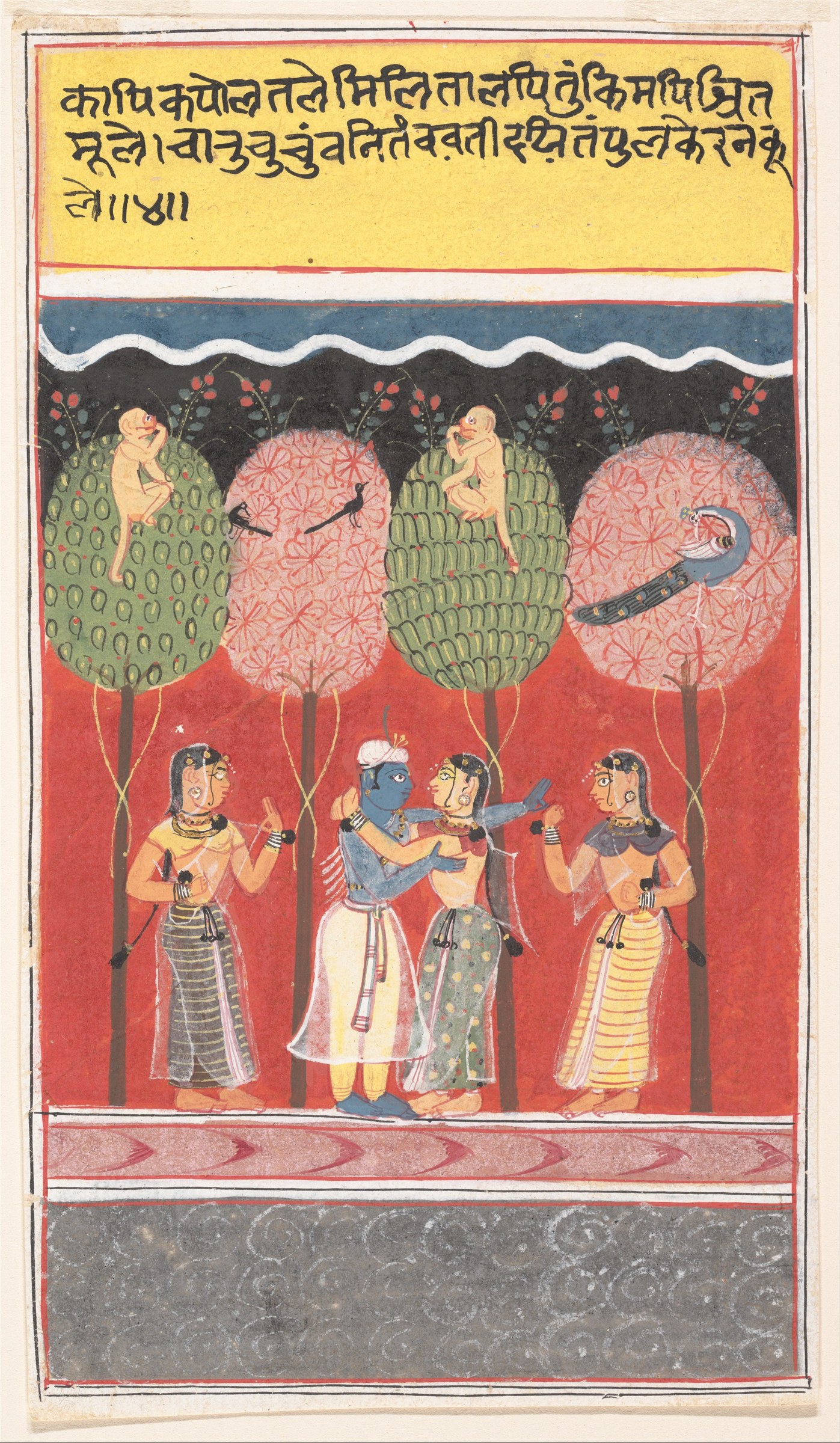
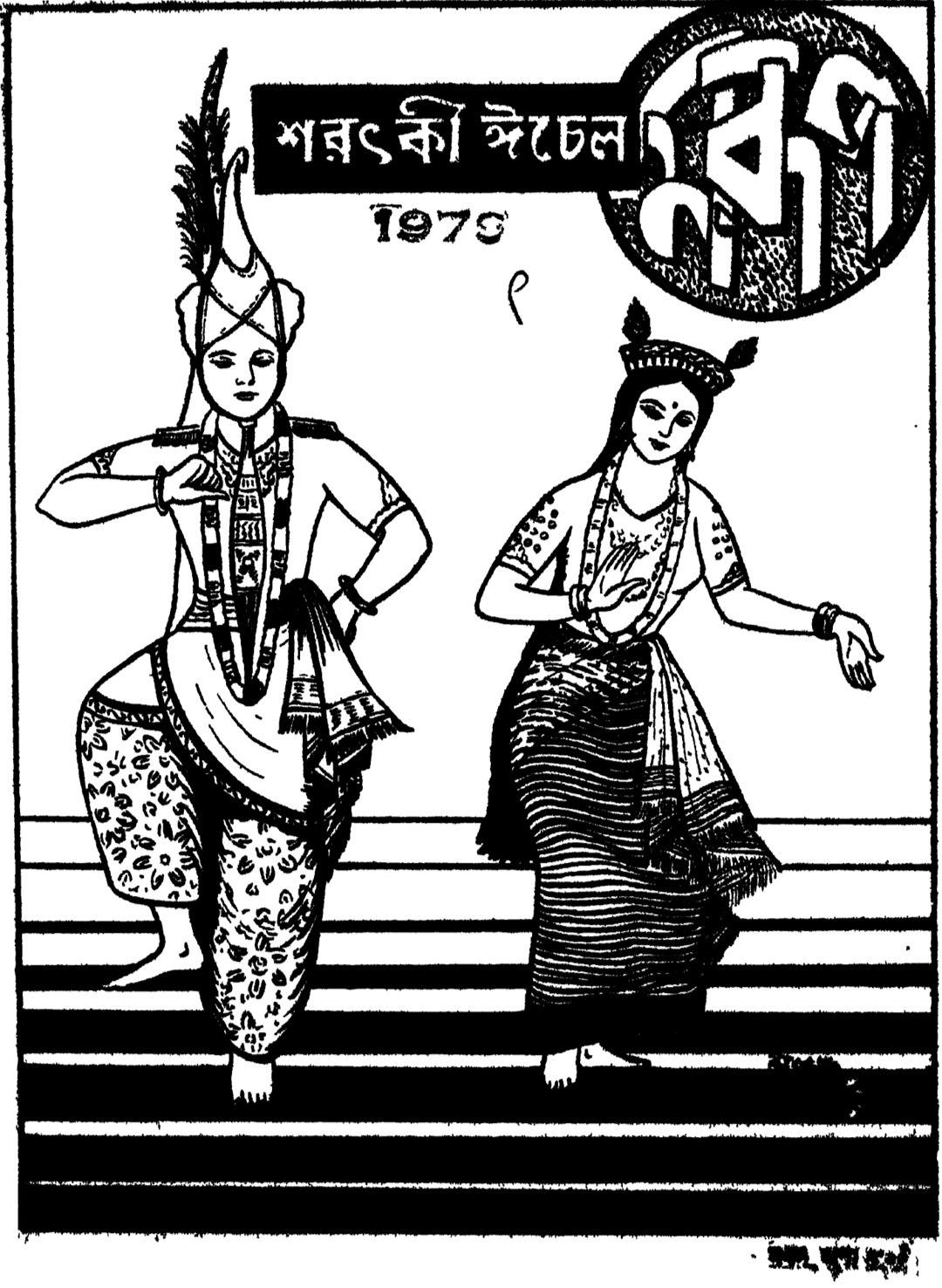
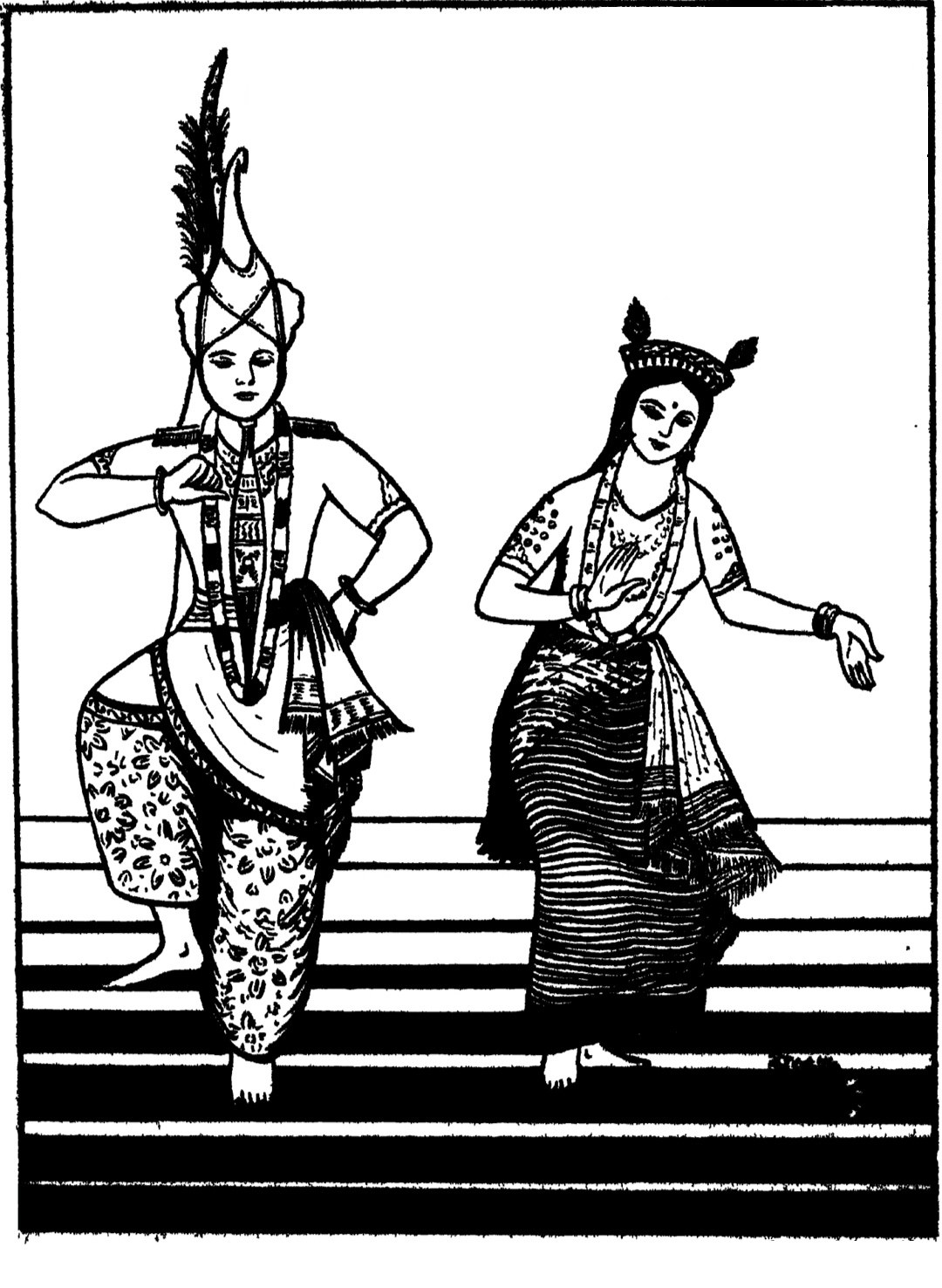
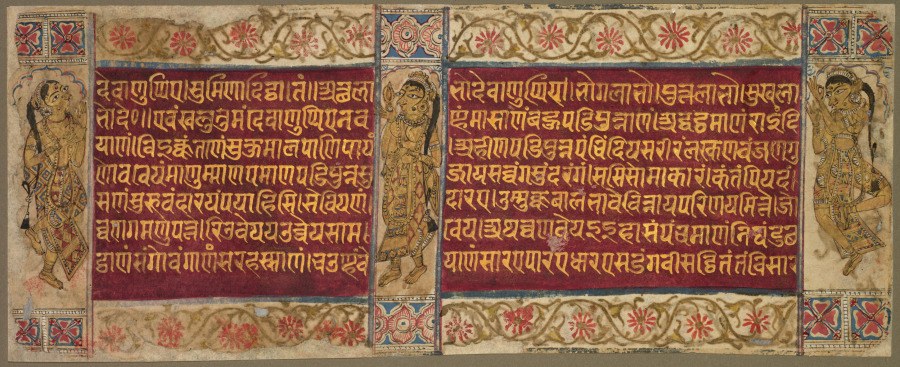
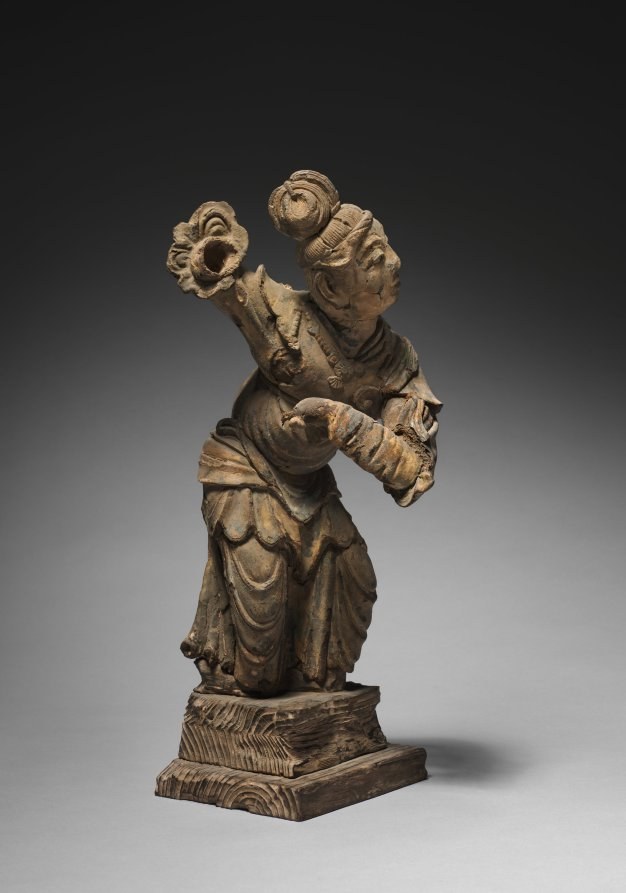
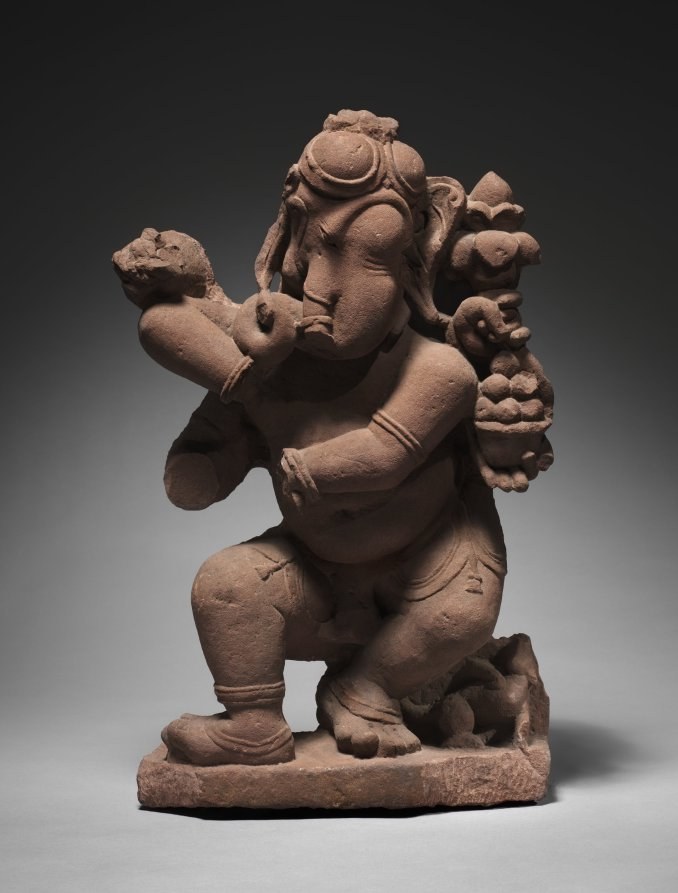
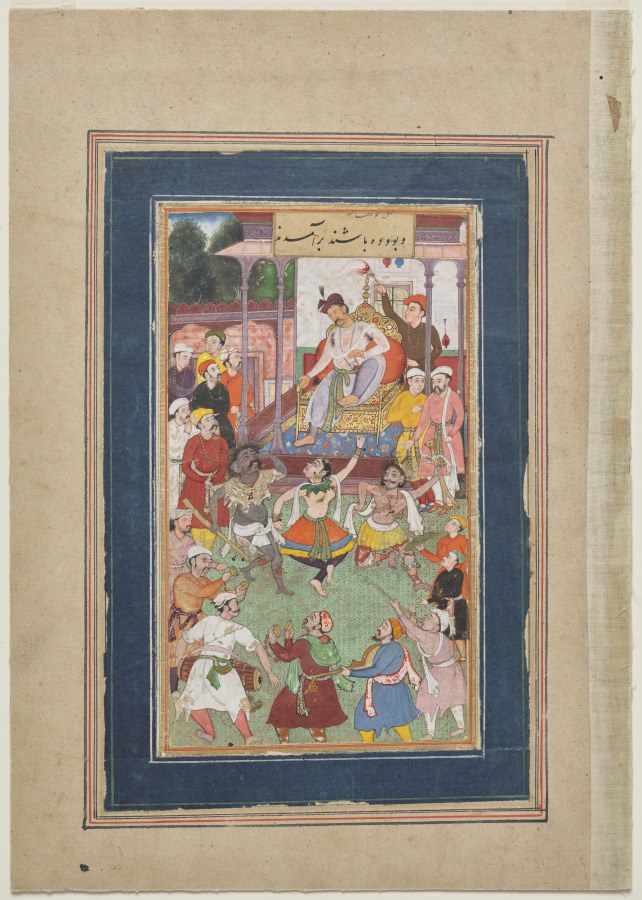
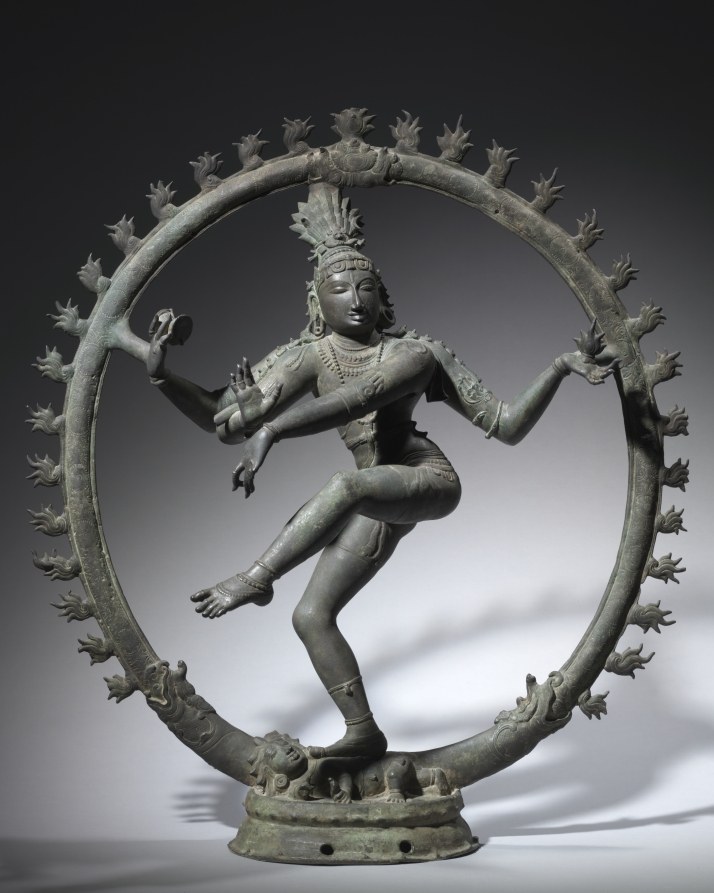
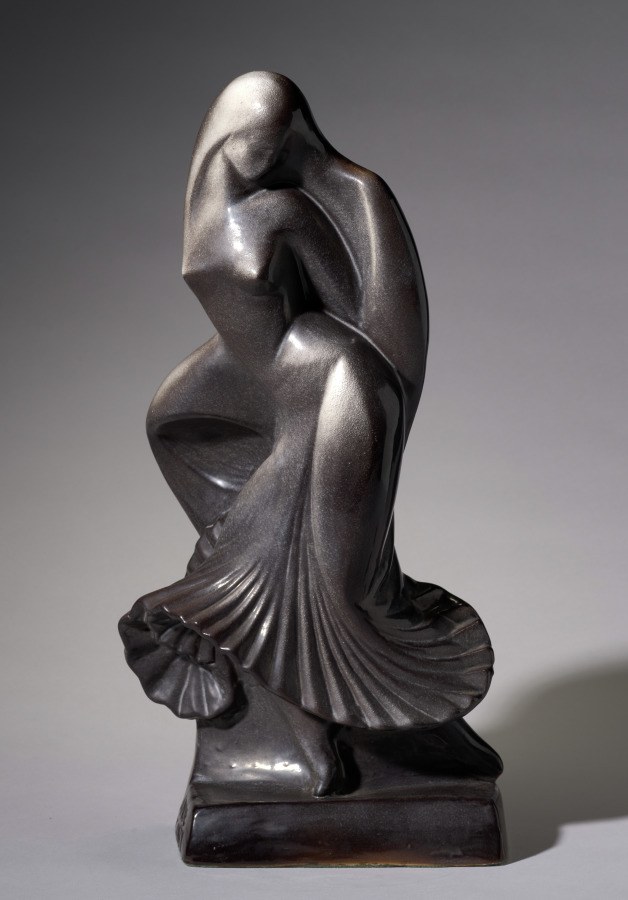
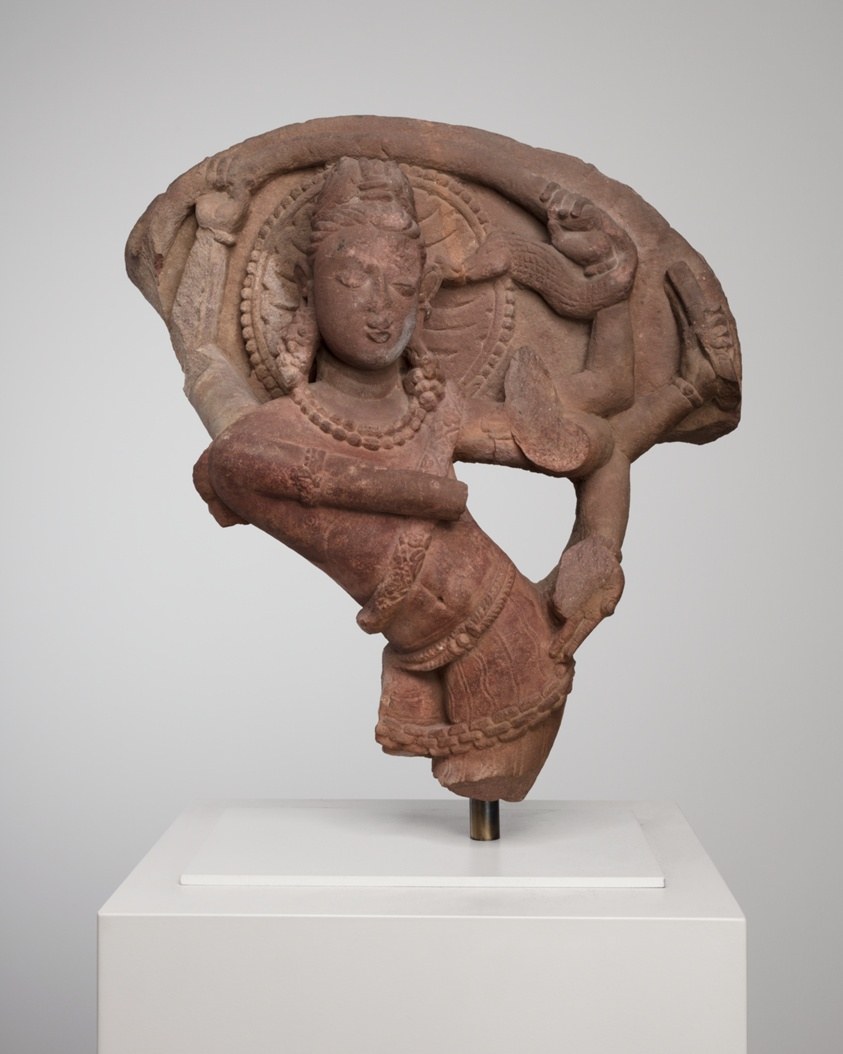
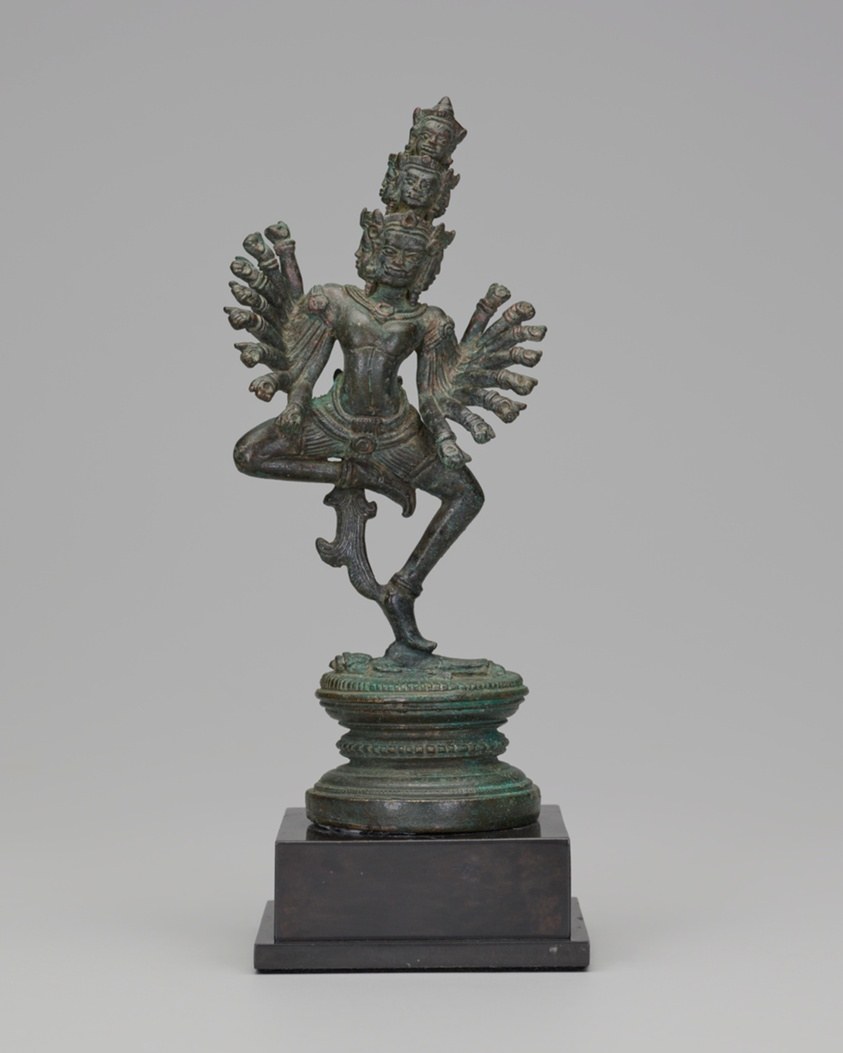
Browse the gallery →Works from the wider Global South Asian Classical & Folk tradition — we have not yet identified enough that depict Giddha specifically.
[PICTURES] JHIJHIYA | Folk Dance Of Mithila (Ghar Ghar K Lokgeet)
rohini
https://creativecommons.org/licenses/by-sa/4.0/
Continue Exploring
Lineage of Dance
500 years of dance evolution
Champions of Dance
Winners of marquee national & world titles
Language of Dance
161 dance terms & translations
Listening of Dance
Tempo, timing & musicality tools
Gallery of Dance
5,700+ artworks from museum collections
Attire of Dance
Evolution of dance dress across eras
Keep the thread going
Dance history, technique, and the occasional rabbit hole — in your inbox. Thoughtful, infrequent, unsubscribe anytime.
Free. No spam. One click to leave.