History & Cultural Context
Odissi is a classical dance form from Odisha, eastern India, with roots in 2nd-century BCE temple sculptures at Udayagiri-Khandagiri caves. It is distinguished by its tribhangi (three-bend) posture creating an S-curve through the body, fluid torso movements, and lyrical quality. Originally performed in Jagannath temples by maharis (temple dancers), Odissi nearly disappeared under colonial-era anti-dance legislation. Its reconstruction in the mid-20th century drew on temple sculptures, palm-leaf manuscripts, and surviving oral traditions. The dance features soft, curving movements that contrast with Bharatanatyam's angular precision, embodying themes from Jayadeva's Gita Govinda and Odia poetry.
Odissi — In Depth
Odissi is a classical dance of the eastern Indian state of Odisha and is often described as one of the oldest surviving Indian classical forms. Its antiquity is attested by 2nd-century BCE relief carvings of dancers and musicians in the Manchapuri cave at Udayagiri (near Bhubaneswar) and by the Natya Shastra, which names odra-magadhi (the manner of the Odra country) among its regional styles. For centuries the dance lived in two streams: the maharis or devadasis, temple women dedicated to service at the Jagannath temple in Puri who performed ritual dance and sang Jayadeva's Gita Govinda before the deity, and the gotipuas, boys dressed as girls who danced in temple precincts and akhadas, carrying a more athletic, acrobatic repertoire (bandha nrutya). Under colonial rule the temple-dance tradition was stigmatized and effectively suppressed by anti-nautch sentiment in the early 20th century. After Indian independence, scholars and gurus reconstructed the form from temple sculpture, palm-leaf texts and surviving maharis and gotipuas, and it was recognized as a classical dance in the mid-1950s.
Culturally, Odissi is inseparable from Jagannath worship and the Vaishnava bhakti movement; the Gita Govinda's ashtapadis, depicting the love of Radha and Krishna, remain its devotional and poetic heart. In character the dance is lyrical, graceful and deeply devotional, alternating pure rhythmic passages with tender expressive storytelling.
Technically, Odissi rests on two basic body positions: chowka, a wide, square, weight-balanced stance evoking Lord Jagannath, symbolizing strength; and tribhanga, the signature three-bend posture in which head, torso and hips deflect in opposite directions to create a sinuous S-curve. A hallmark is the independent deflection or shift of the torso/chest, together with intricate footwork, hand gestures (hastas/mudras) and facial expression (abhinaya). The still poses consciously echo the karanas and figures of Odishan temple sculpture. Costume and ornament reinforce the sculptural image: brightly patterned Sambalpuri/ikat silk stitched into a dancing costume, elaborate silver filigree (tarakasi) jewelry, the belt (mekhala), ankle bells (ghungru), painted alta on hands and feet, and the distinctive tahia, a crown of cane and white flowers rising behind the head to suggest a temple spire.
Musically, Odissi has its own classical system with characteristic ragas (Kalyana, Nata, Sri, Baradi, Gauri and others) and talas such as Ektali, Khemta and Jhampa, led by the mardala drum and accompanied by flute, strings, cymbals and voice. A traditional recital follows a set sequence: Mangalacharan (invocation, flower offering and salutation), Batu or Sthayi (a pure-dance homage, often to Shiva/Batukeshwar Bhairava), Pallavi (a lyrical elaboration of a raga in pure movement), Abhinaya (expressive interpretation of a song, typically a Gita Govinda ashtapadi), and Moksha (the concluding dance of spiritual liberation). The 20th-century revival is owed above all to a handful of gurus — Pankaj Charan Das (rooted in the mahari tradition), Kelucharan Mohapatra (the most influential choreographer of the modern form), Deba Prasad Das and Mayadhar Raut — and to the celebrated dancer Sanjukta Panigrahi, who carried Odissi to international stages.
Sources: https://en.wikipedia.org/wiki/Odissi_dance ; https://www.britannica.com/art/odissi ; https://www.ipassio.com/wiki/dance/indian-classical-dance/odissi ; https://vajiramandravi.com/current-affairs/odissi-dance/ ; https://www.bunkarvalley.com/odissi-music/ ; https://www.sahapedia.org/brief-history-odissi-dance
Notable Codifiers
- Kelucharan Mohapatra
- Pankaj Charan Das
- Deba Prasad Das
- Mayadhar Raut
Odissi Playlists
Curated collections on the LODance YouTube channel — performances to watch, lessons to learn from, and the right music to practice with. Tap a collection to play.
▶ Performances · Open on YouTube →
Odissi Music & Tempo
Drawn from 26 Odissi tracks in the LODance music library.
Example tracks at practice tempo
- Kalavati Pallavi (Forest Walk) — Vijay Tambe, Ramprasad Gannavarapu, Aparna Deodhar, Jateen Kumar Sahu, Mahina Khanum & Levi-Avishai Leger-Tanger90 BPM
- Vasanta (Spring) — Vijay Tambe, Ramprasad Gannavarapu, Aparna Deodhar, Jateen Kumar Sahu, Mahina Khanum & Levi-Avishai Leger-Tanger181 BPM
- Bhramara (The Bee) — Vijay Tambe, Ramprasad Gannavarapu, Aparna Deodhar, Jateen Kumar Sahu, Mahina Khanum & Levi-Avishai Leger-Tanger95 BPM
- Bhairavi Pallavi (Braving Darkness) — Vijay Tambe, Ramprasad Gannavarapu, Aparna Deodhar, Jateen Kumar Sahu, Mahina Khanum & Levi-Avishai Leger-Tanger
- Kalavati Pallavi (Forest Walk) [Bols Version] — Vijay Tambe, Ramprasad Gannavarapu, Aparna Deodhar, Jateen Kumar Sahu, Mahina Khanum & Levi-Avishai Leger-Tanger
- Charukeshi Pallavi (Awakening in the Moonlight) — Vijay Tambe, Ramprasad Gannavarapu, Aparna Deodhar, Jateen Kumar Sahu, Mahina Khanum & Levi-Avishai Leger-Tanger
Who governs Odissi
Federations, councils and examining bodies with a recorded role in this style. No single organisation can tell you this — each one knows only itself.
Odissi on screen
Films and television where Odissi appears, with the sequences worth watching for.
 Swarnakamalam (1988)1 sequence indexedSakhi He Odissi recital · chor. Kelucharan Mohapatra
Poster artwork from TMDB.
 This site uses TMDB and the TMDB APIs but is not endorsed, certified, or otherwise approved by TMDB.
What to Wear
Attire guidance for Odissi and other Global South Asian Classical & Folk dances. Each card below is sized to the moment — class, practice, social, or competition — because the wardrobe shifts as the stakes do.
Reading the cards
In Class
Traditional practice wear varies by form: Bharatanatyam uses a specific practice sari or churidar; Kathak uses a long flowing skirt (ghagra) or churidar for spins.
Social Dancing
Traditional attire appropriate to the dance form and event. Formal performances and cultural events expect full traditional dress.
Competition
Full traditional costume specific to the dance form — often highly ornamented with jewelry, bells (ghungroo for Kathak), and culturally significant accessories.
Shoes
Most Indian classical forms are danced barefoot. Ghungroo (ankle bells) worn in Kathak and some other forms. Bare feet connect the dancer to the earth and allow complex footwork.
In Practice
Practice ghungroo bells are acquired early in Kathak and Bharatanatyam training; quality bells affect rhythm legibility and are not optional gear.
Price Range
- Budget: Practice churidar $30–80; entry-level ghungroo $40–100.
- Mid: Performance saris and traditional costumes $200–800; quality ghungroo $150–400.
- Premium: Bespoke performance costumes with hand embroidery $1,000–5,000+; master-crafted ghungroo $500–1,500.
Key Terms
- Ghungroo
- Strings of small metallic bells tied around the ankles in Kathak and several other Indian classical forms — they articulate footwork rhythmically.
- Churidar
- Tight-fitting trouser worn for practice in many North Indian classical forms; gathers at the ankle.
Quick Tips
- •Suede-soled shoes allow controlled sliding and pivoting — essential for most partner dances.
- •Avoid rubber soles on dance floors; they grip too much and can cause knee injuries.
- •Bring a separate pair of clean shoes for the dance floor to keep it in good condition.
Sources & Further Reading
Where This Dance Is Documented
Sunil Kothari; Avinash Pasricha – Odissi: Indian Classical Dance Art (1990)
An editor's note on where the technique for this dance is actually written down — sometimes a named book, sometimes the fact that no such book exists. A judgement, not a count of what we hold.
Cultural & Historical Context
Odissi emerged from India (Odisha) during 200 BCE—present day. Understanding the cultural roots, musical traditions, and social circumstances of this era enriches appreciation for the dance's characteristics and significance.
Formative Influences
Codifiers & Standardizers:
Kelucharan Mohapatra, Pankaj Charan Das, Deba Prasad Das, Mayadhar Raut
Primary Source Documents
The Library of Dance contains public-domain primary sources for dance history. Copyrighted modern syllabi are indexed with purchase links to their respective copyright owners. Search by dance name or codifier to discover primary source documents.
Last reviewed: October 2026 — This dance profile synthesizes historical research, cultural documentation, and contemporary practice knowledge to provide authoritative context.
More in Global South Asian Classical & Folk
Bharatanatyam
Classical solo dance form of Tamil Nadu characterized by the aramandi (half-seated posture), rhythmic footwork, and mudras (hand gestures), drawing on Hindu epics and Tamil devotional poetry.
Kathak
Classical North Indian dance descended from itinerant storyteller-bards (kathakars); marked by fast footwork (tatkar) and spinning (chakkar).
Kuchipudi
Classical dance combining dramatic narration with mudras; historically performed by traveling troupes on stages beside Hindu temples.
Mohiniyattam
Classical solo dance form of Kerala traditionally performed by women, characterized by lasya — soft, curvilinear movement and detailed facial abhinaya.
Kathakali
Classical dance-drama from 17th-century Kerala; uses color-coded chutti makeup, codified hand mudras, and the navarasa expression framework to stage episodes from the Mahabharata, Ramayana, and Puranas.
Manipuri (Chhabi Bilas, Lasa Bilas)
Lyrical classical dance associated with Krishna worship; characterized by smooth, gliding movements and subtle expressions.
Sattriya
Classical dance from monastic traditions; combines vigorous footwork with graceful arm movements.
Bhagavata Mela
Traditional dance-drama form depicting Krishna stories with song and elaborate choreography.
Bhangra
Punjabi folk dance historically tied to the Vaisakhi wheat-harvest festival; driven by the dhol drum, with steps that mimic agricultural tasks.
Garba
Counter-clockwise circle dance from Gujarat performed at Navratri to honor Shakti (the mother goddess Amba); dancers clap and accelerate from steady steps into a whirl around a lamp-lit earthenware pot.
Ghoomar
Rajasthani women's folk dance characterized by circular pirouetting in wide ghaghara skirts; originated with the Bhil tribe and later adopted by Rajput courts. Performed at weddings, festivals, and religious occasions.
Giddha
Women's folk dance from Punjab, often paired with Bhangra in cultural programming though ethnomusicologists caution that the "female counterpart" framing oversimplifies. Performed at weddings, festivals, and family celebrations with synchronized clapping, sung boliyan couplets, and circle formations.
Bihu
Harvest and spring festival dance performed by Assamese people; features energetic hip movements.
Chhau
Masked dance-drama combining martial arts, pantomime, and acrobatics; depicts Hindu mythological and social themes.
Global South Asian Classical & Folk in art
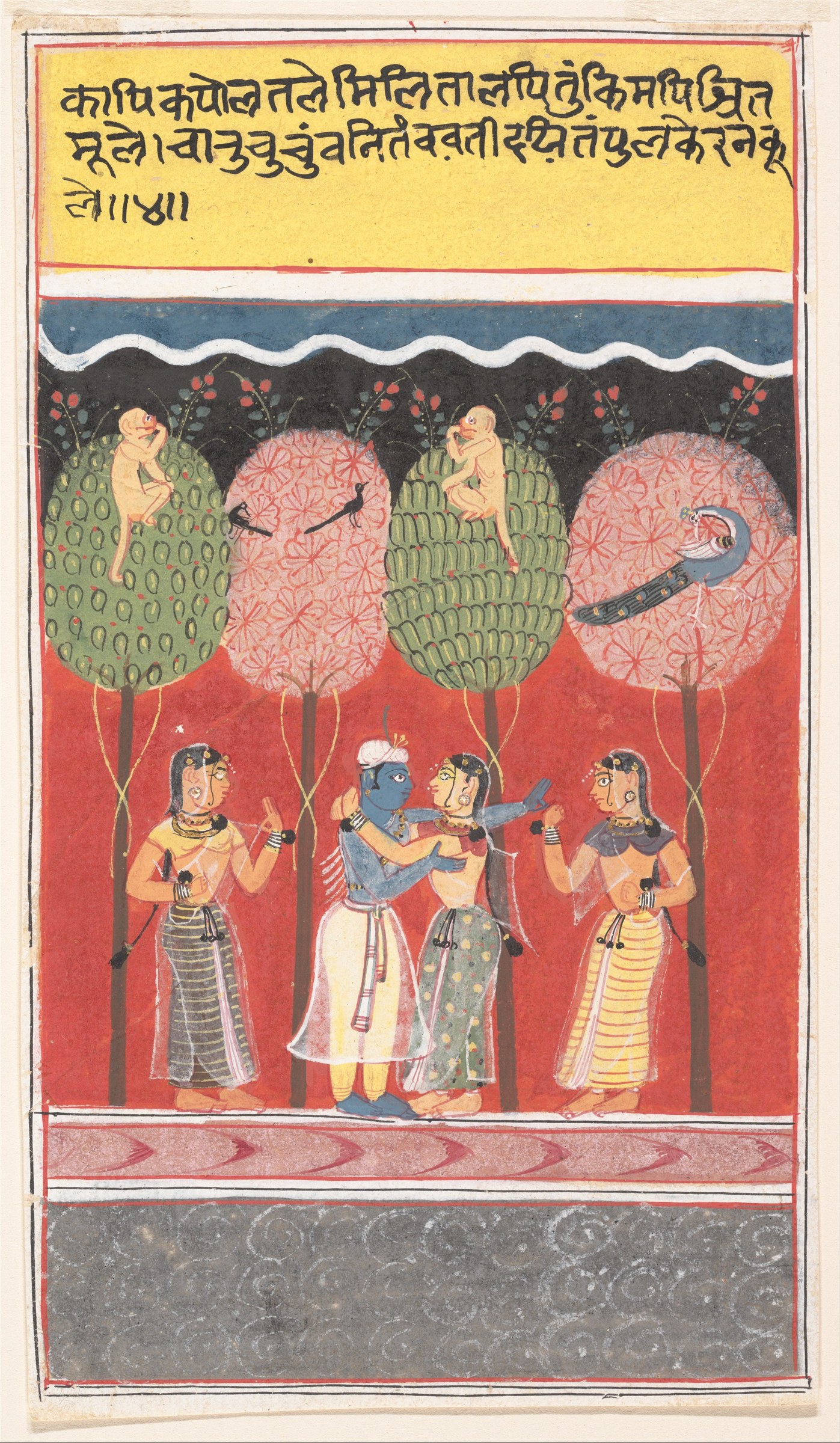
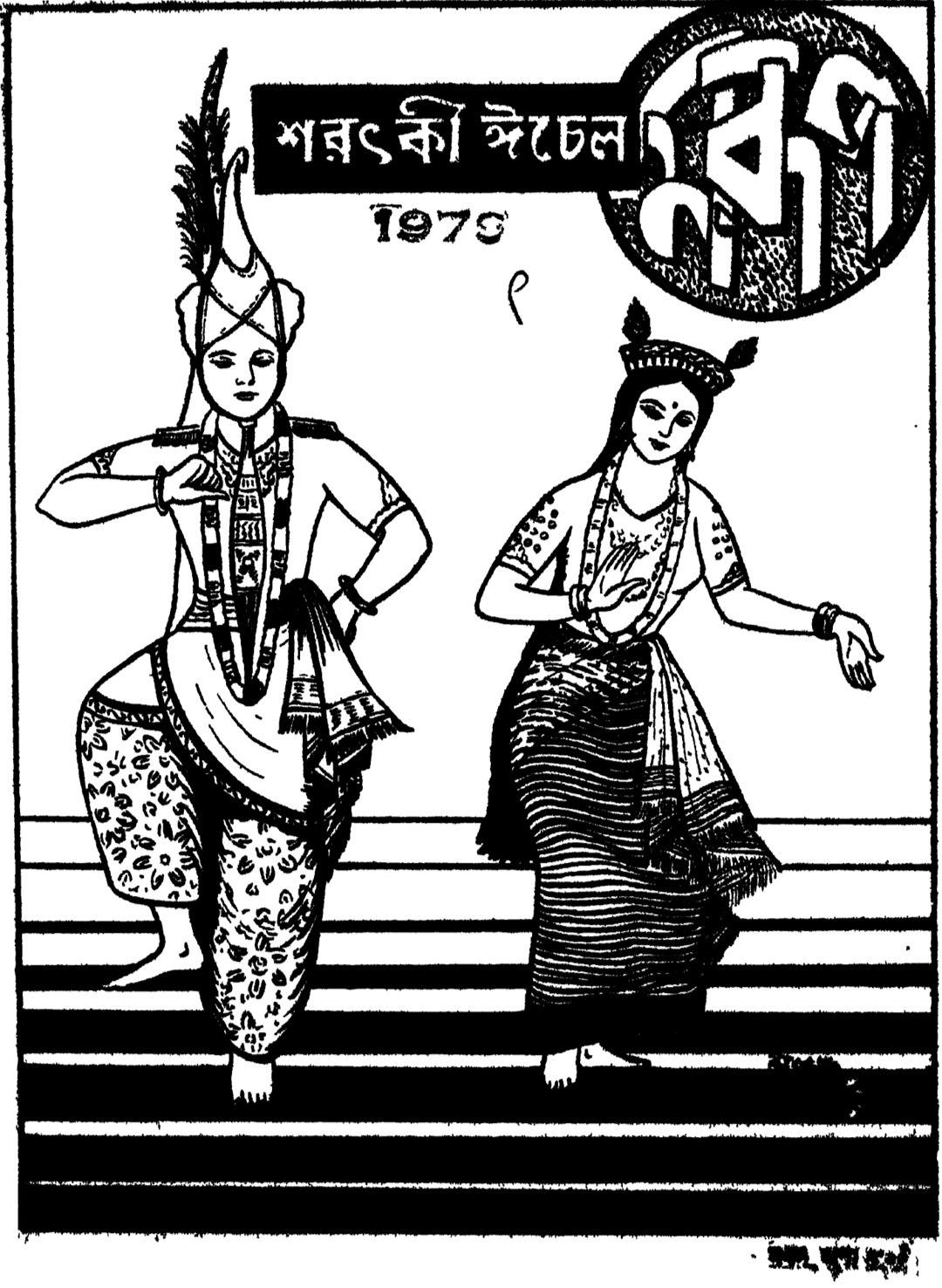
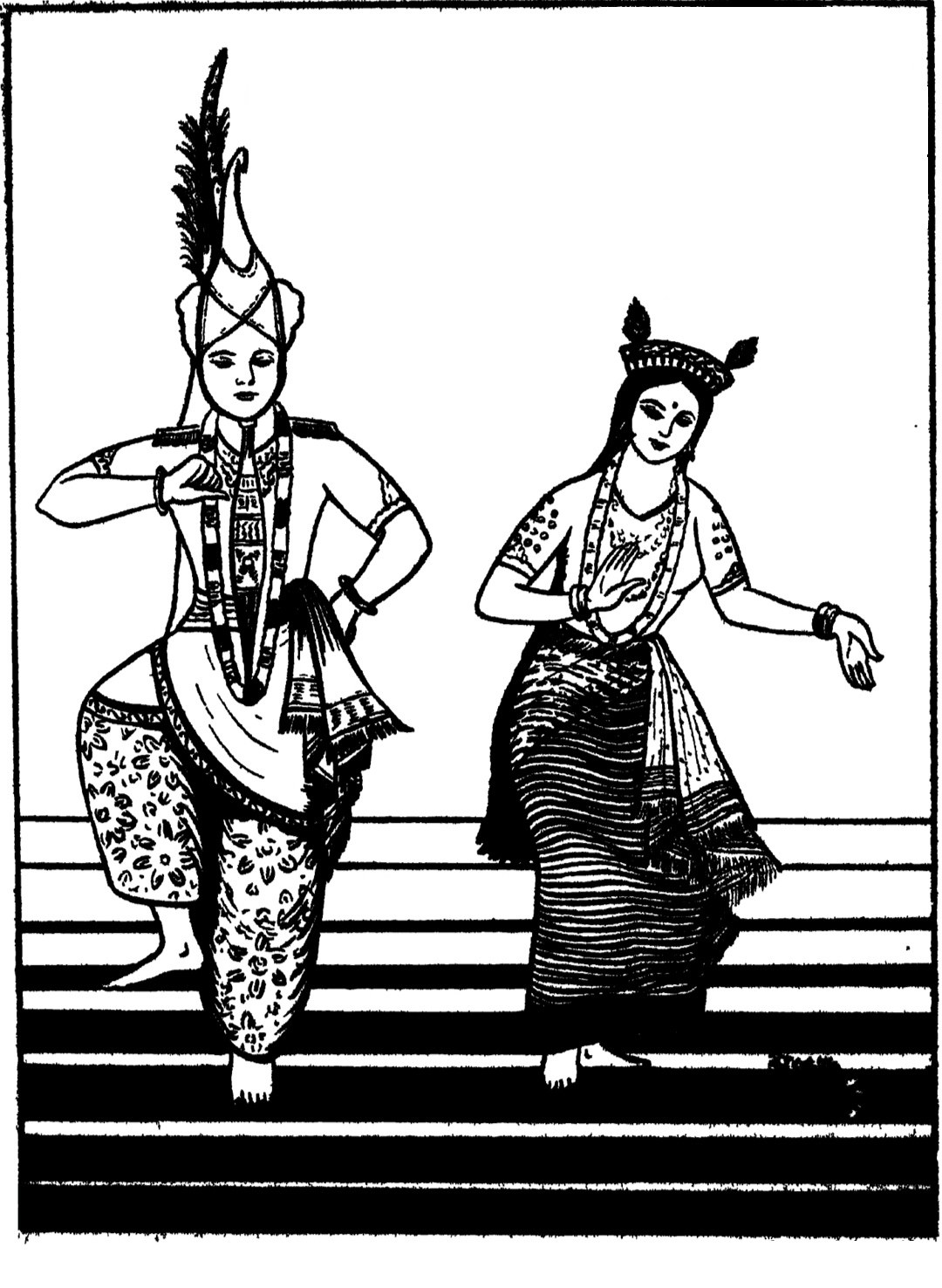
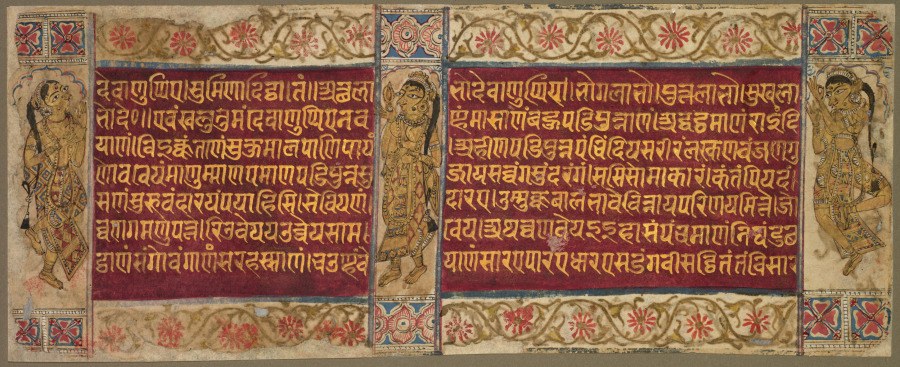
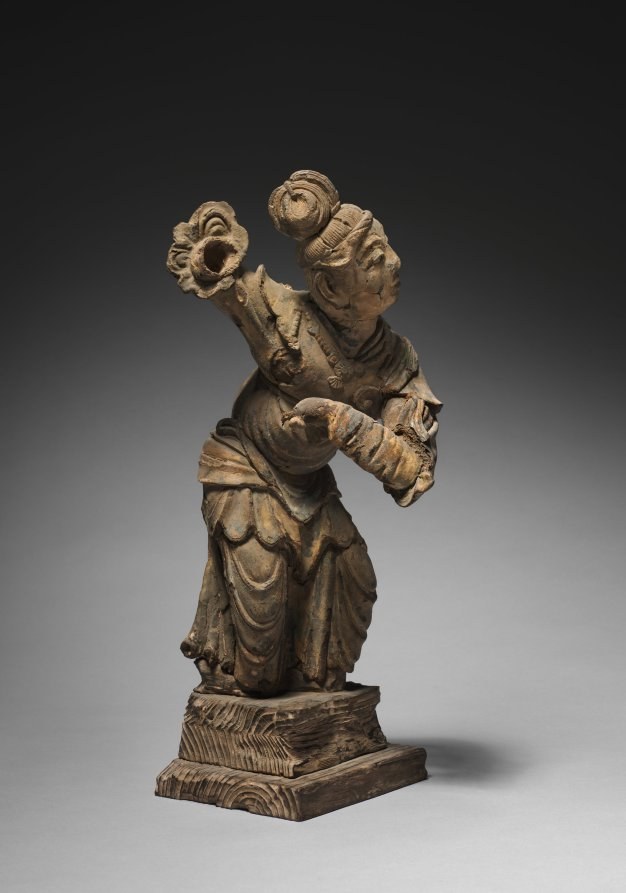
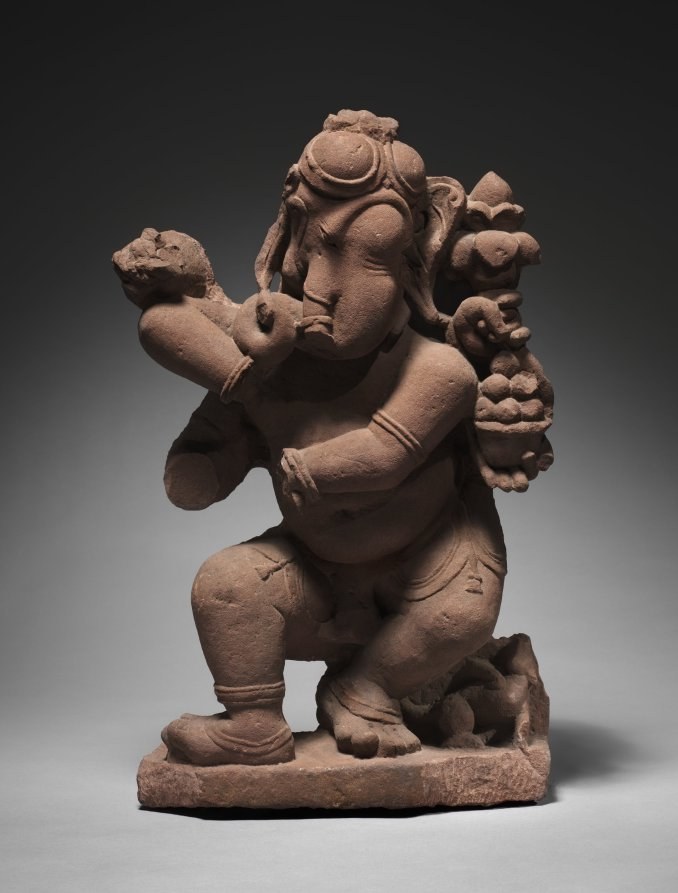
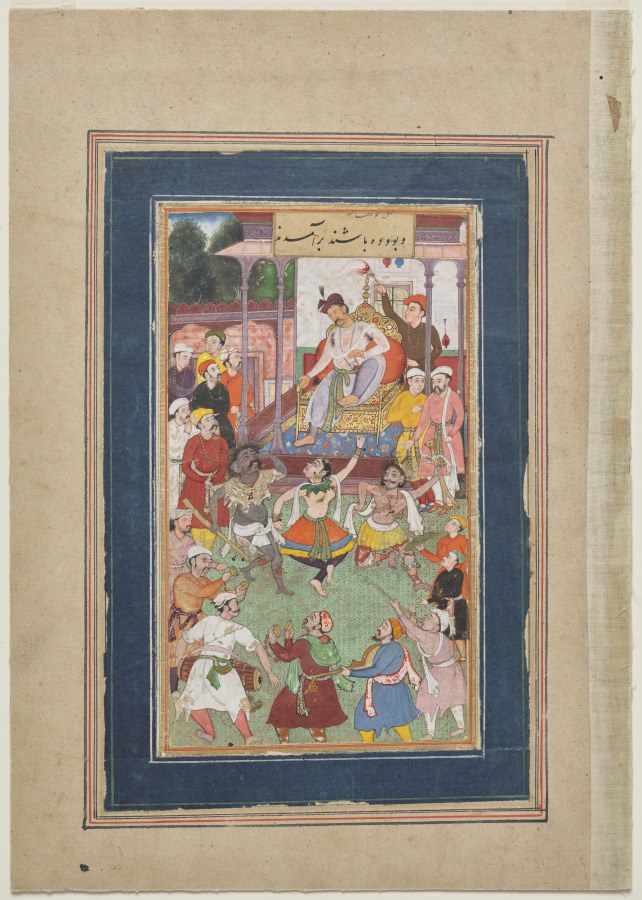
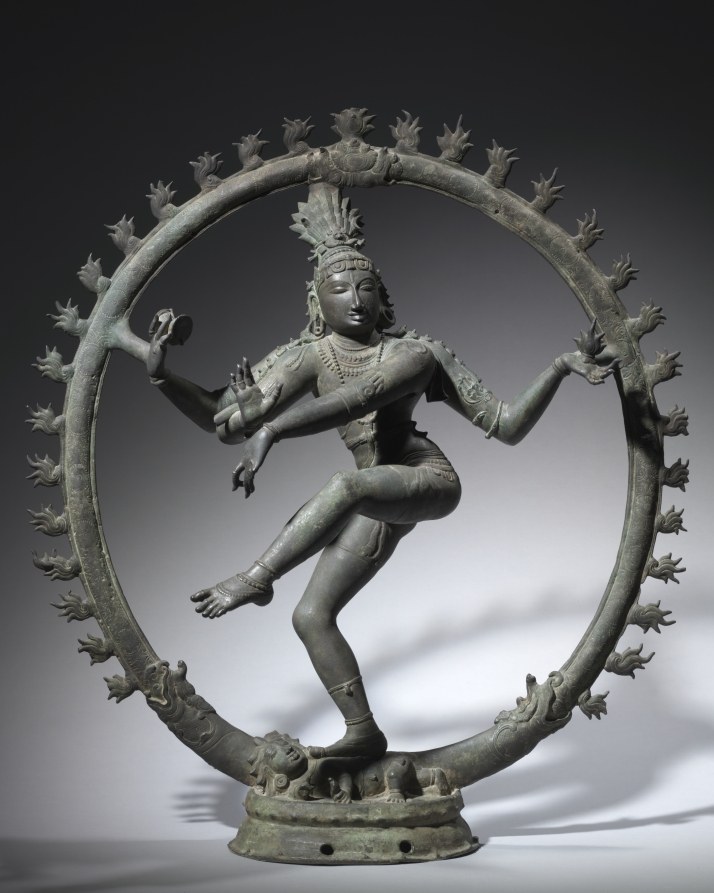
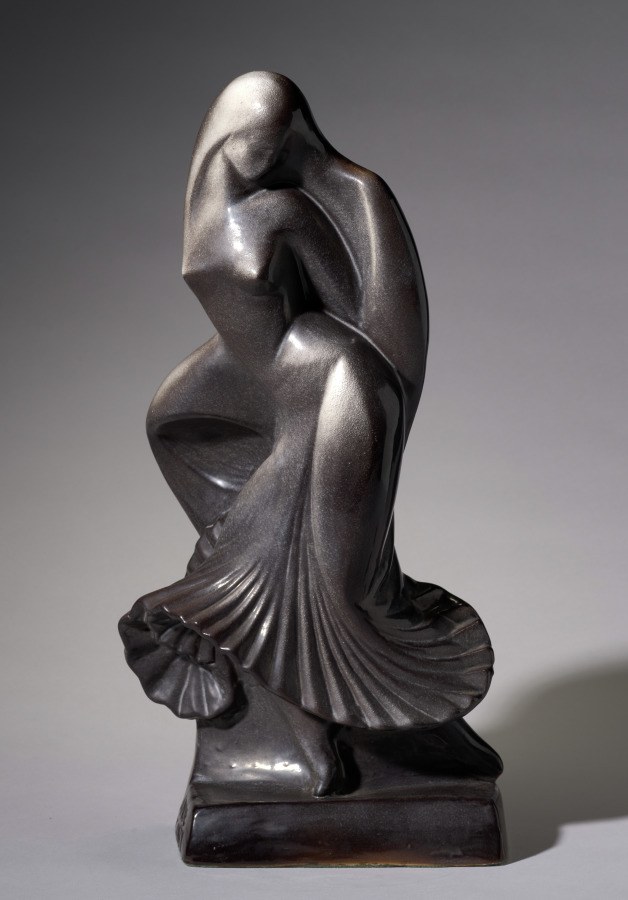
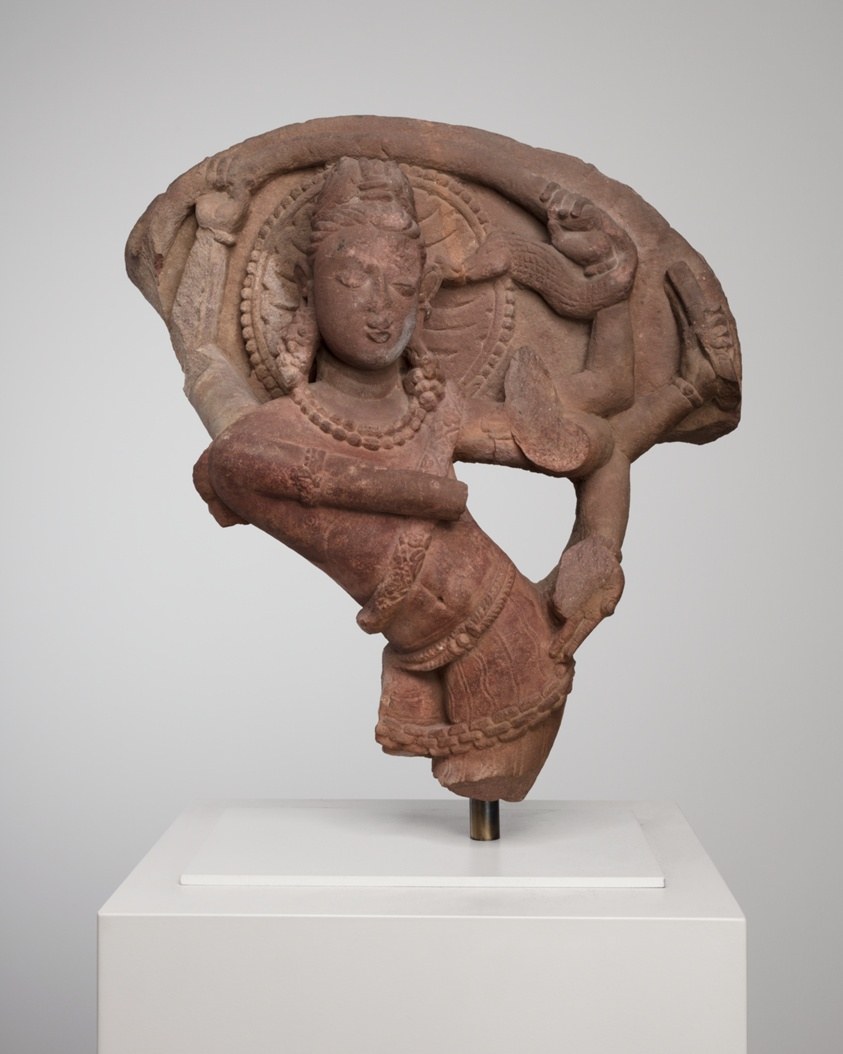
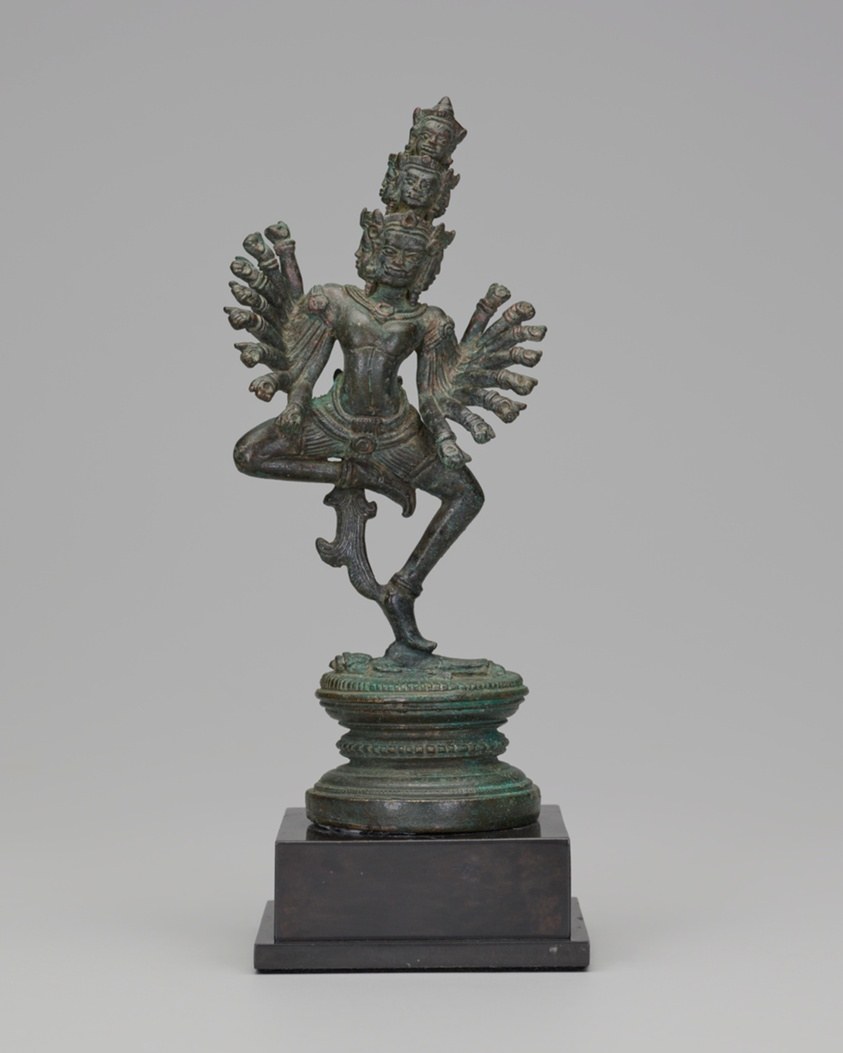
Browse the gallery →Works from the wider Global South Asian Classical & Folk tradition — we have not yet identified enough that depict Odissi specifically.
[PICTURES] JHIJHIYA | Folk Dance Of Mithila (Ghar Ghar K Lokgeet)
rohini
https://creativecommons.org/licenses/by-sa/4.0/
Continue Exploring
Lineage of Dance
500 years of dance evolution
Champions of Dance
Winners of marquee national & world titles
Language of Dance
161 dance terms & translations
Listening of Dance
Tempo, timing & musicality tools
Gallery of Dance
5,700+ artworks from museum collections
Attire of Dance
Evolution of dance dress across eras
Keep the thread going
Dance history, technique, and the occasional rabbit hole — in your inbox. Thoughtful, infrequent, unsubscribe anytime.
Free. No spam. One click to leave.