History & Cultural Context
Sattriya is a classical Indian dance form that originated in the Sattras (Vaishnavite monasteries) of Assam in the fifteenth century, attributed to the saint-scholar Srimanta Sankaradeva. For nearly five hundred years it was performed exclusively by male monks as part of daily worship, making it one of the longest-running monastic performance traditions in the world. It was recognized as a classical dance form by the Sangeet Natak Akademi in 2000.
The dance combines vigorous footwork (pada karma) with graceful upper-body expression (hasta mudra), creating a dynamic interplay between devotional energy and refined aesthetics. Performers wear distinctive Assamese silk costumes — the dhoti and chadar for men, the mekhela-sador for women — adorned with traditional Pat silk weaving. Musical accompaniment centers on the khol drum, taal (cymbals), and borgeet (devotional songs composed by Sankaradeva). The form encompasses both nritta (pure dance) and nritya (expressive dance), with repertoire drawn from the Ankiya Naat plays that dramatize episodes from the Bhagavata Purana.
Sattriya — In Depth
Sattriya is the classical dance of Assam in northeast India. It grew inside the sattras, the Vaishnava monasteries founded in the movement led by Srimanta Sankaradeva. India's Sangeet Natak Akademi recognized it as a classical dance on 15 November 2000 [1][2].
Origins Arshiya Sethi writes that the tradition "was initiated by Shrimant Shankaradeva in the 15th and 16th centuries" [1]. Dance scholar Sunil Kothari gives Sankaradeva's dates as 1449-1568 and writes that "Sankaradeva composed Bargeets, Ojapali songs and dances" [3]. The dance belongs with the sattra's dance-dramas, Ankia Nat Bhaona [4], and its worship. "At the heart of the Sattra is Namghar, where music, dance and dance-drama performances take place" [3]. Its themes come from "the Bhagavata Purana and epics by Sankaradeva and Madhavdeva" [2].
A monastic tradition For centuries the dance "was performed only by the keuliya bhakats (celibate Vaishnavite monks)" [2]. "The female roles were taken by young monks who had to practice feminine movements as well as voice" [3]. "The art was transferred from generation to generation within the monasteries through a process of oral transmission" [1]. Kothari credits Rasheswar Saikia Barbayan with taking "a bold step of training young girls in Sattriya dances" [3]. Today "the dance form is now performed on public platforms by both men and women" [2]. The sources consulted give no single year for when the dance first left the sattra.
The dance "Mati akharas (exercises performed on the ground) are the foundation of Sattriya dance," and there are 64 of them [2]. The basic positions are "Purush Ora for male characters and Prakriti Ora for female ones" [3]. The repertoire divides into a masculine style (paurashik bhangi, or purushor naach), which includes Krishna nritya and Gosain prabeshar naach, and a feminine style (stri bhangi, or prakritir naach), which includes sali naach, gopi naach and raasor naach [2]. Kothari describes nritta (pure dance), nritya (expressive dance) and natya (drama). He names "Ramdani, Chali Nach, Rajghoria Chali" as pure-dance numbers, with "Jhumura and Mela nach." The Sutradhar, the narrator of the plays, has his own dance, "Sutradhari Nach" [3]. A solo program opens with vandana, "a prayer, in praise of Lord Krishna or Rama" [3].
The music The dance is accompanied by "borgeet or sloka" with "khol, taal and other traditional Assamese musical instruments" [2]. The drummers' and cymbal players' item, Gayan Bayan, "involves complex rhythms and time cycles" [3]. No source consulted names the talas used or gives a tempo, so none is stated here.
Costume "Traditionally, these costumes were made of raw silk in white, blue and yellow, depending on the dance performed" [2], and dancers in sutradhari and jhumura wear white [2]. "With the advent of female dancers, the form got metamorphosed in terms of aharya" (costume and makeup), and "the colourful Assamese silk is now used by female dancers" [3]. Goswami notes "a reversal to paat," the traditional Assamese silk [2].
Recognition At the Sangeet Natak Akademi's dance seminar of April 1958 the form "unfortunately failed to make the cut as classical" [1][3]. "Maniram Dutta Muktiar Borbayan became the first recipient of the Sangeet Natak Akademi award for Sattriya in 1963," but in the category of "other traditional forms" [1]. After a conference in Guwahati in 2000 [3], the Akademi formally recognized Sattriya on 15 November 2000, while Bhupen Hazarika was its chair [1]. It became "one of the eight classical dances of India" [2].
People and institutions Maniram Dutta Muktiyar and Rasheswar Saikia Barbayan were senior gurus of the form [1][3]. Jatin Goswami, born in 1933 and trained by both, worked with the Pragjyoti Kala Parishad from 1962, wrote manuals including Mati Akhora, and received the Akademi award in 2004 [4]. Indira P.P. Bora, born in 1949 in Golaghat, learned Sattriya from childhood under Rasheswar Saikia Barbayan and also trained in Bharatanatyam at Kalakshetra. She set up her institution Kalabhumi in Guwahati in 1982 [5]. Kothari also names Sharodi Saikia, Gorima Hazarika and Mallika Kandali among later dancers, and notes that the Akademi set up a Sattriya Kendra in Guwahati [3].
The style today Sattriya is taught in Assam's dance academies, including one founded by Rasheswar Saikia Barbayan [2]. Kothari reports new choreography, such as Jatin Goswami's Chandalika in Sattriya style, and gurus exploring rasas such as shringara, vira and karuna [3].
Uncertainties Spellings of names vary between sources (Muktiar and Muktiyar; Rasheswar and Raseshwar; borgeet and bargeet). Sankaradeva's lifespan of 119 years (1449-1568) is the traditional dating given by Kothari [3]. Other sources give only the 15th and 16th centuries.
Sources [1] Arshiya Sethi, "An overlay of the political: the recognition of Sattriya," Seminar 676 (2015), https://www.india-seminar.com/2015/676/676_arshiya_sethi.htm [2] Nilakshi Goswami, "Sociocultural Dynamics of Sattriya Nritya," Sahapedia, https://www.sahapedia.org/sociocultural-dynamics-sattriya-nritya-0 [3] Sunil Kothari, "Then came eighth," Deccan Herald, https://www.deccanherald.com/features/then-came-eighth-2185396 [4] Sangeet Natak Akademi, "Jatin Goswami: Akademi Award, Sattriya Dance" (Akademi Awards 2004), https://sangeetnatak.gov.in/public/uploads/awardees/docs/Jatin_Goswami.pdf [5] Sangeet Natak Akademi, "Indira P.P. Bora: Akademi Award, Sattriya Dances (Assam)" (Akademi Awards 1996), https://sangeetnatak.gov.in/public/uploads/awardees/docs/Indira_P_P_Bora.pdf
Sattriya Playlists
Curated collections on the LODance YouTube channel — performances to watch, lessons to learn from, and the right music to practice with. Tap a collection to play.
▶ Performances · Open on YouTube →
Sattriya Music & Tempo
Drawn from 23 Sattriya tracks in the LODance music library.
Example tracks at practice tempo
- Xebähu Mänä — Papon104 BPM
- Pawe Pori Hari Borgeet — Neena78 BPM
- Saranga Pani — Tarali Sarma
- Pawe Pori Hari — Neena
- Keshabahe — Tarali Sarma
- Päräbhaatè — Papon
Organizations with a role in Sattriya
Federations, councils and examining bodies with a recorded role in this style. No single organization can tell you this — each one knows only itself.
What to Wear
Attire guidance for Sattriya and other Global South Asian Classical & Folk dances. Each card below is sized to the moment — class, practice, social, or competition — because the wardrobe shifts as the stakes do.
Reading the cards
In Class
Traditional practice wear varies by form: Bharatanatyam uses a specific practice sari or churidar; Kathak uses a long flowing skirt (ghagra) or churidar for spins.
Social Dancing
Traditional attire appropriate to the dance form and event. Formal performances and cultural events expect full traditional dress.
Competition
Full traditional costume specific to the dance form — often highly ornamented with jewelry, bells (ghungroo for Kathak), and culturally significant accessories.
Shoes
Most Indian classical forms are danced barefoot. Ghungroo (ankle bells) worn in Kathak and some other forms. Bare feet connect the dancer to the earth and allow complex footwork.
In Practice
Practice ghungroo bells are acquired early in Kathak and Bharatanatyam training; quality bells affect rhythm legibility and are not optional gear.
Price Range
- Budget: Practice churidar $30–80; entry-level ghungroo $40–100.
- Mid: Performance saris and traditional costumes $200–800; quality ghungroo $150–400.
- Premium: Bespoke performance costumes with hand embroidery $1,000–5,000+; master-crafted ghungroo $500–1,500.
Key Terms
- Ghungroo
- Strings of small metallic bells tied around the ankles in Kathak and several other Indian classical forms — they articulate footwork rhythmically.
- Churidar
- Tight-fitting trouser worn for practice in many North Indian classical forms; gathers at the ankle.
Quick Tips
- •Suede-soled shoes allow controlled sliding and pivoting — essential for most partner dances.
- •Avoid rubber soles on dance floors; they grip too much and can cause knee injuries.
- •Bring a separate pair of clean shoes for the dance floor to keep it in good condition.
Sources & Further Reading
Where This Dance Is Documented
Sunil Kothari (ed.) – Sattriya: Classical Dance of Assam (2013)
An editor's note on where the technique for this dance is actually written down — sometimes a named book, sometimes the fact that no such book exists. A judgment, not a count of what we hold.
Cultural & Historical Context
Sattriya emerged from India (Assam) during the 1450s—present day. Understanding the cultural roots, musical traditions, and social circumstances of this era enriches appreciation for the dance's characteristics and significance.
Primary Source Documents
The Library of Dance contains public-domain primary sources for dance history. Copyrighted modern syllabi are indexed with purchase links to their respective copyright owners. Search by dance name or codifier to discover primary source documents.
Last reviewed: November 2026 — This dance profile synthesizes historical research, cultural documentation, and contemporary practice knowledge to provide authoritative context.
More in Global South Asian Classical & Folk
Bharatanatyam
Classical solo dance form of Tamil Nadu characterized by the aramandi (half-seated posture), rhythmic footwork, and mudras (hand gestures), drawing on Hindu epics and Tamil devotional poetry.
Kathak
Classical North Indian dance descended from itinerant storyteller-bards (kathakars); marked by fast footwork (tatkar) and spinning (chakkar).
Odissi
Sculpture-inspired classical dance with postures replicated from temple carvings; described as 'sculpture in motion.'
Kuchipudi
Classical dance combining dramatic narration with mudras; historically performed by traveling troupes on stages beside Hindu temples.
Mohiniyattam
Classical solo dance form of Kerala traditionally performed by women, characterized by lasya — soft, curvilinear movement and detailed facial abhinaya.
Kathakali
Classical dance-drama from 17th-century Kerala; uses color-coded chutti makeup, codified hand mudras, and the navarasa expression framework to stage episodes from the Mahabharata, Ramayana, and Puranas.
Manipuri (Chhabi Bilas, Lasa Bilas)
Lyrical classical dance associated with Krishna worship; characterized by smooth, gliding movements and subtle expressions.
Bhagavata Mela
Traditional dance-drama form depicting Krishna stories with song and elaborate choreography.
Bhangra
Punjabi folk dance historically tied to the Vaisakhi wheat-harvest festival; driven by the dhol drum, with steps that mimic agricultural tasks.
Garba
Counter-clockwise circle dance from Gujarat performed at Navratri to honor Shakti (the mother goddess Amba); dancers clap and accelerate from steady steps into a whirl around a lamp-lit earthenware pot.
Ghoomar
Rajasthani women's folk dance characterized by circular pirouetting in wide ghaghara skirts; originated with the Bhil tribe and later adopted by Rajput courts. Performed at weddings, festivals, and religious occasions.
Giddha
Women's folk dance from Punjab, often paired with Bhangra in cultural programming though ethnomusicologists caution that the "female counterpart" framing oversimplifies. Performed at weddings, festivals, and family celebrations with synchronized clapping, sung boliyan couplets, and circle formations.
Bihu
Harvest and spring festival dance performed by Assamese people; features energetic hip movements.
Chhau
Masked dance-drama combining martial arts, pantomime, and acrobatics; depicts Hindu mythological and social themes.
Shadi
Festive celebratory dancing at South Asian (Indian and Pakistani) weddings — the sangeet, mehndi and baraat.
Global South Asian Classical & Folk in art
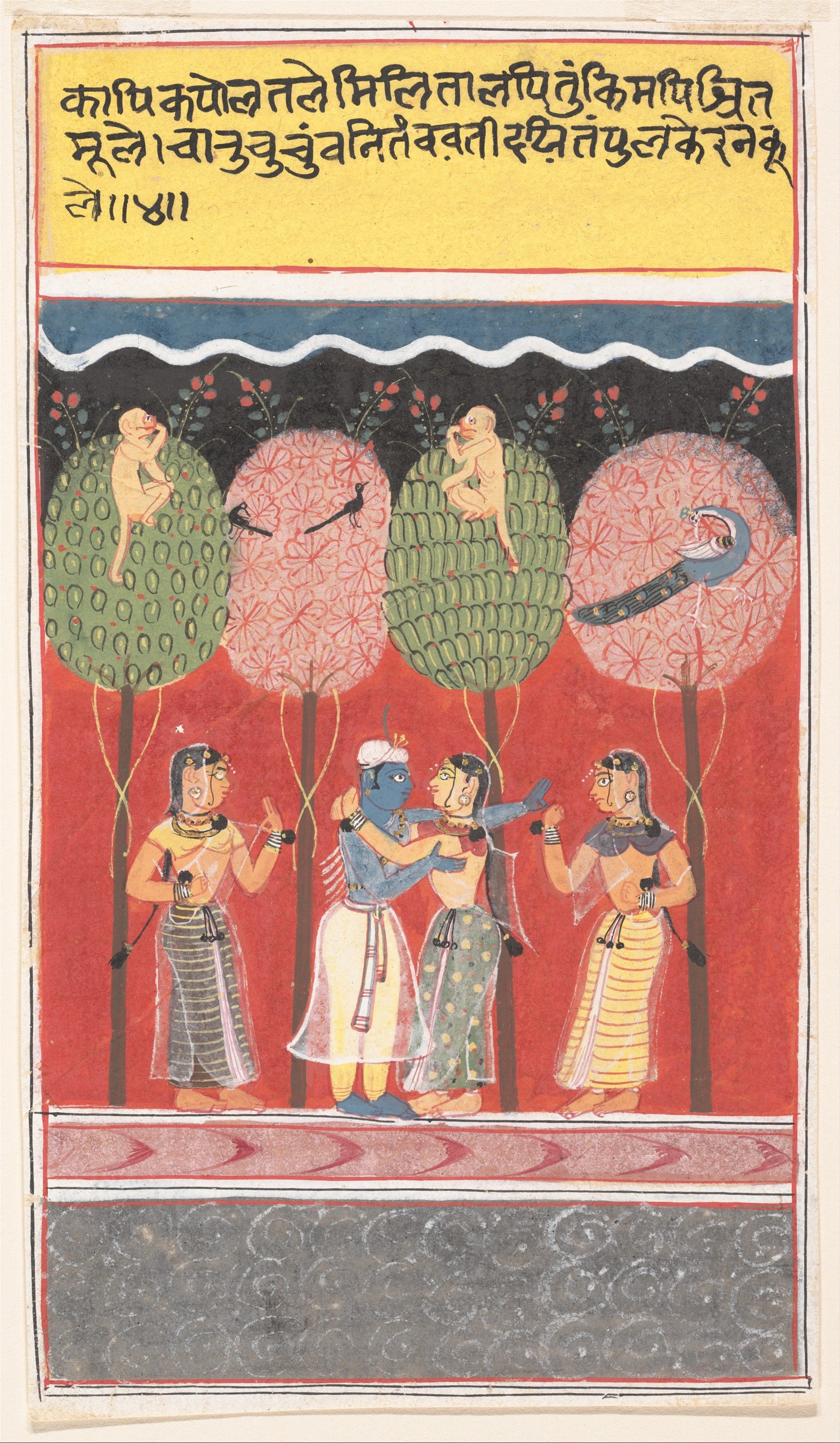
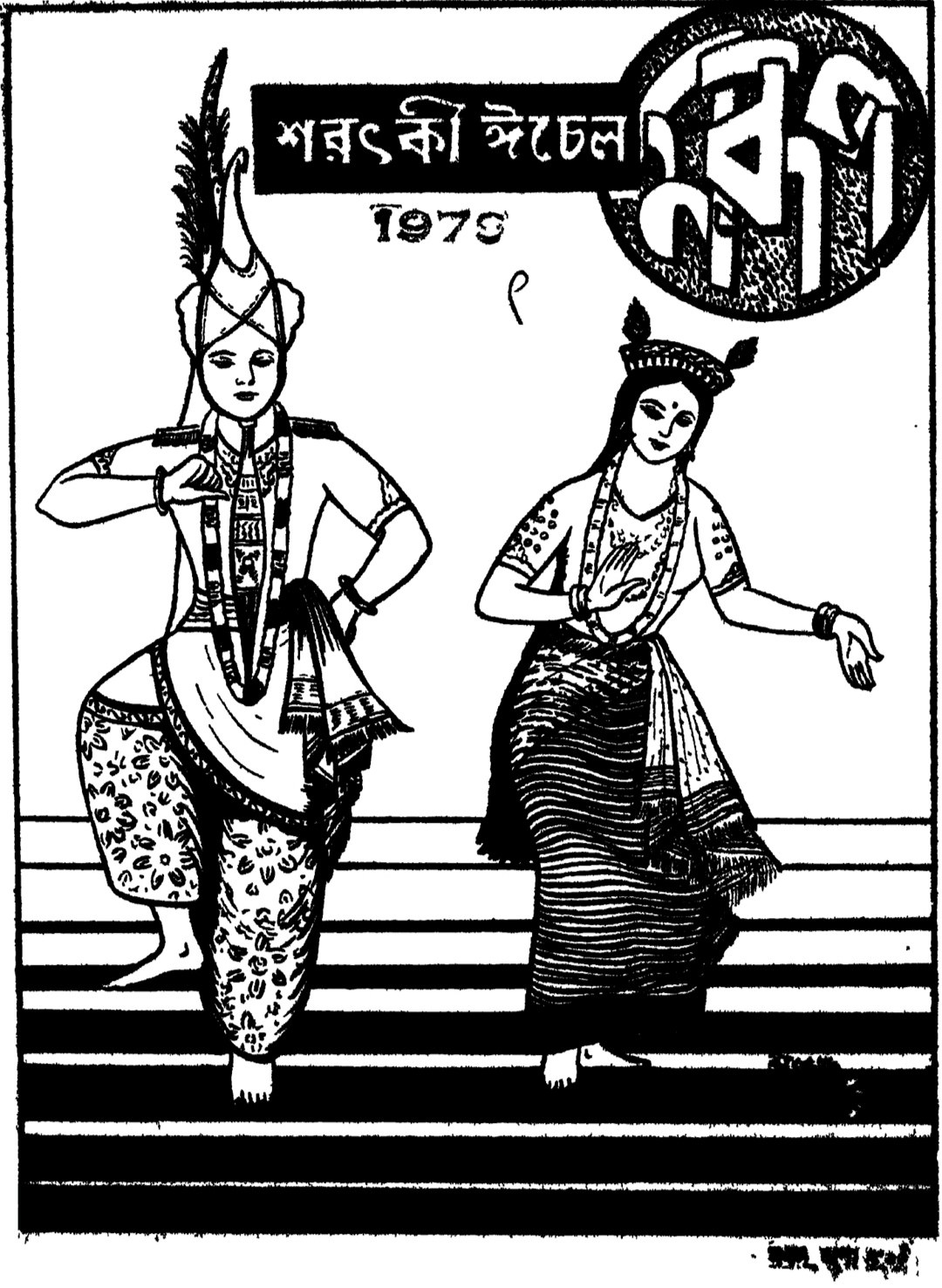
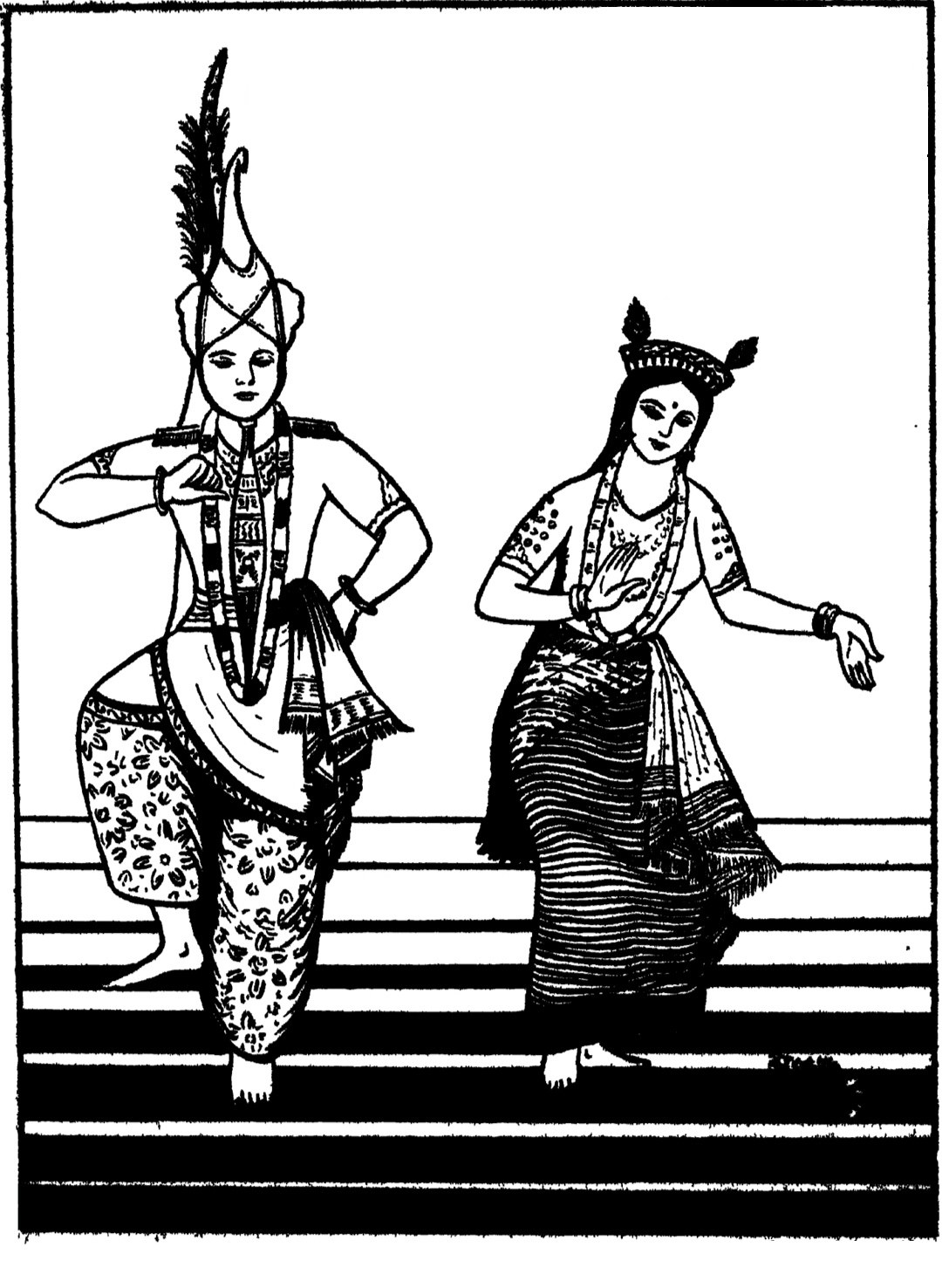
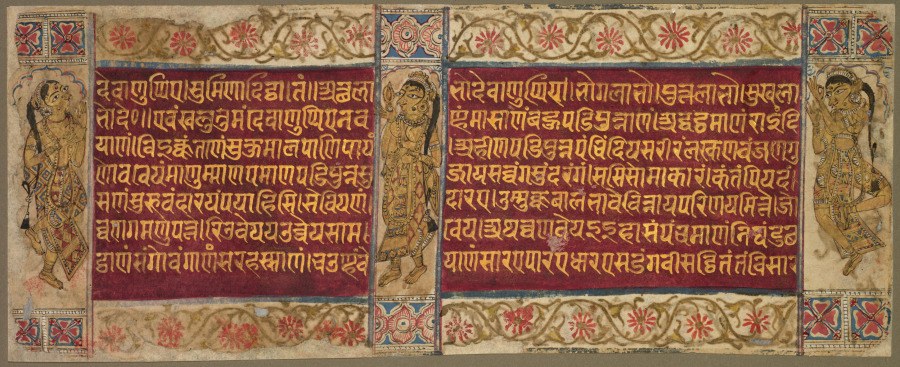
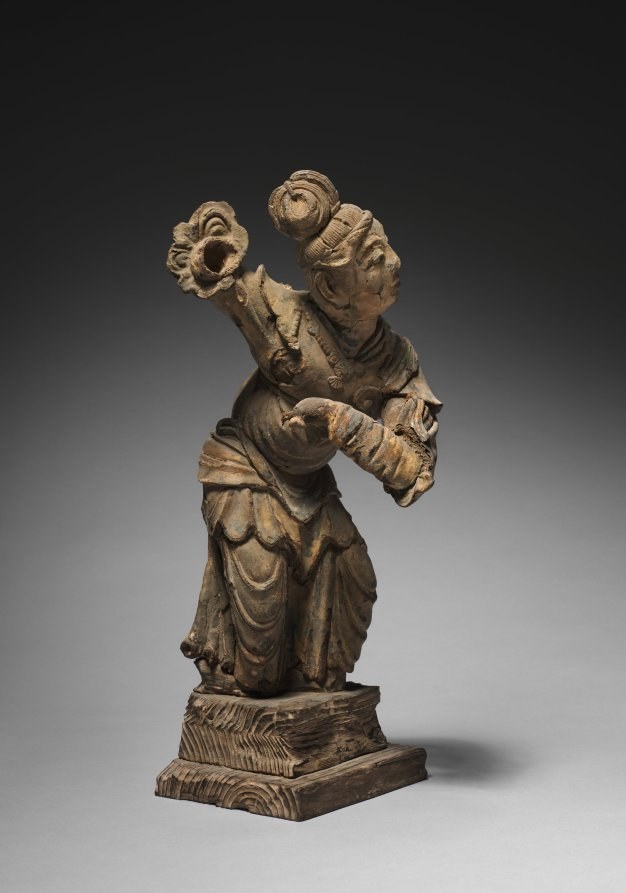
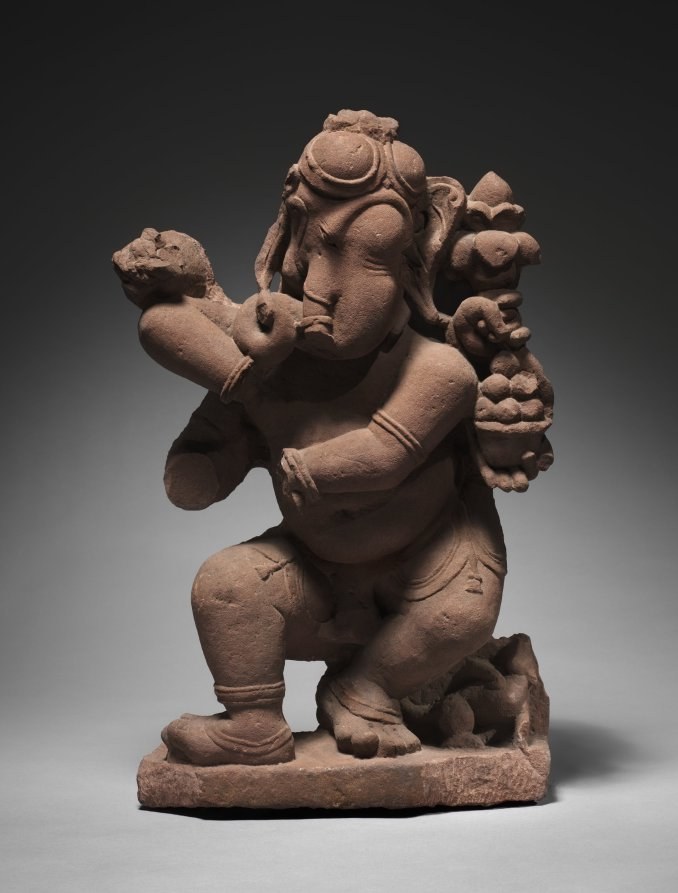
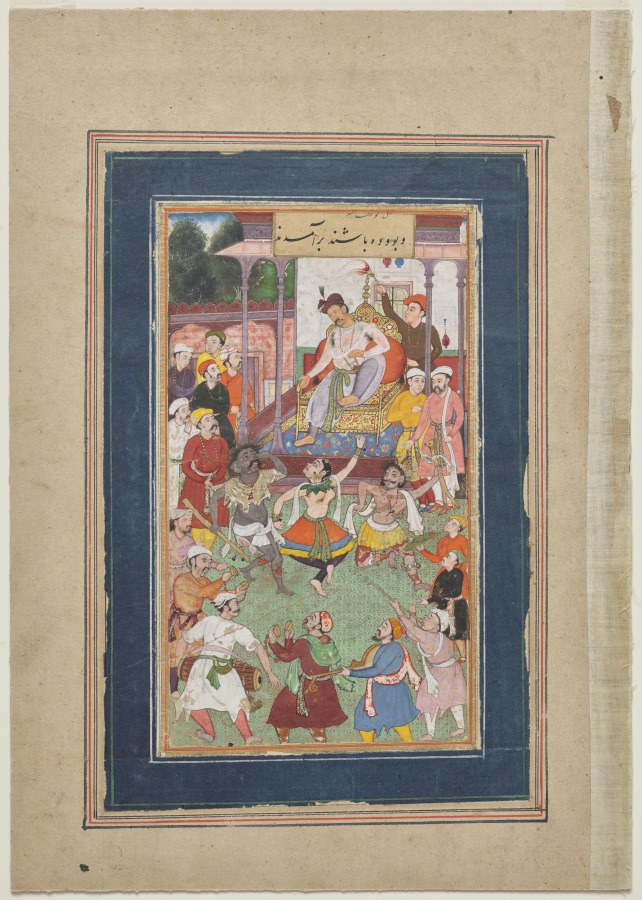
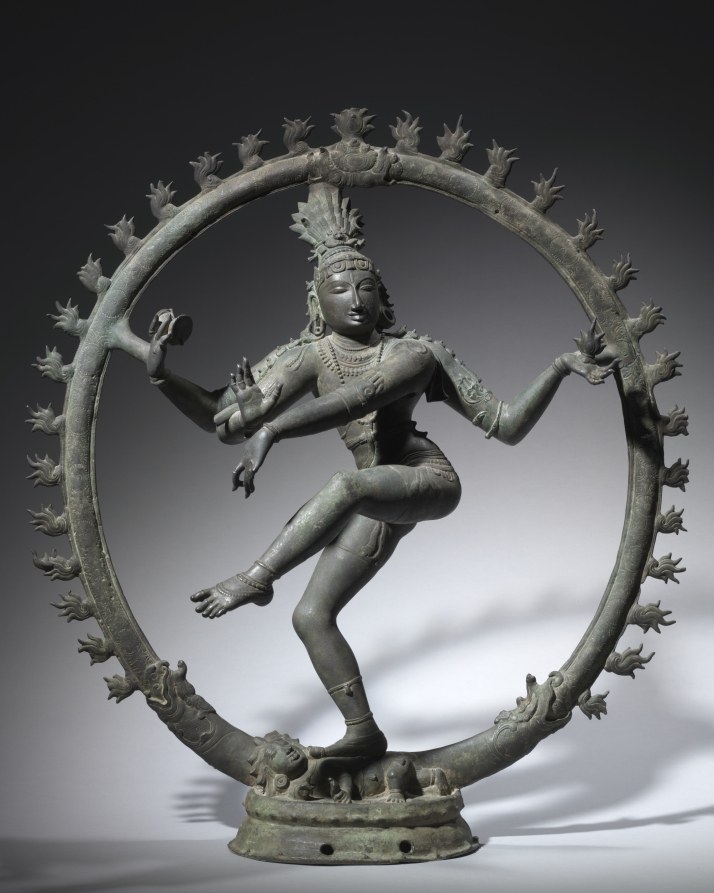
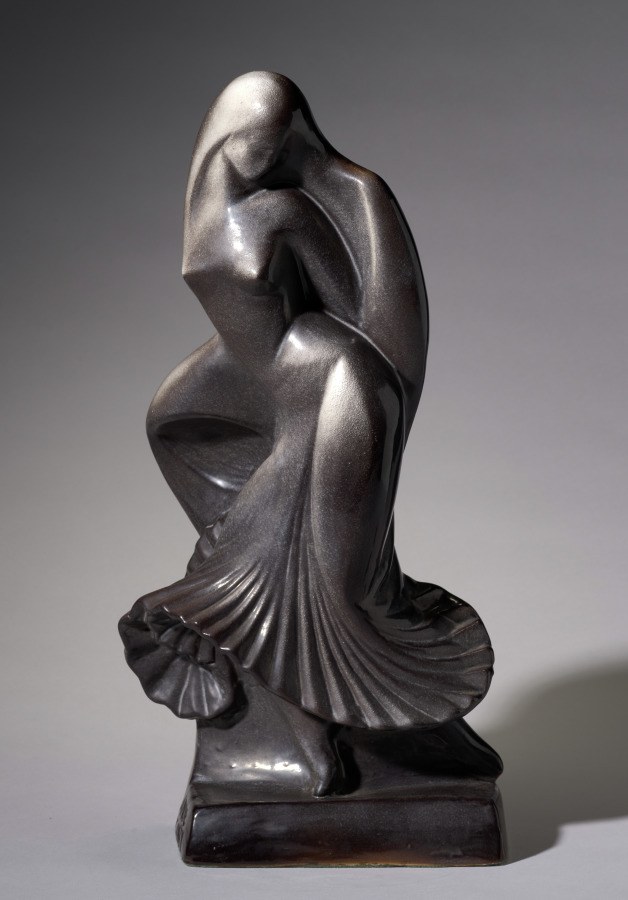
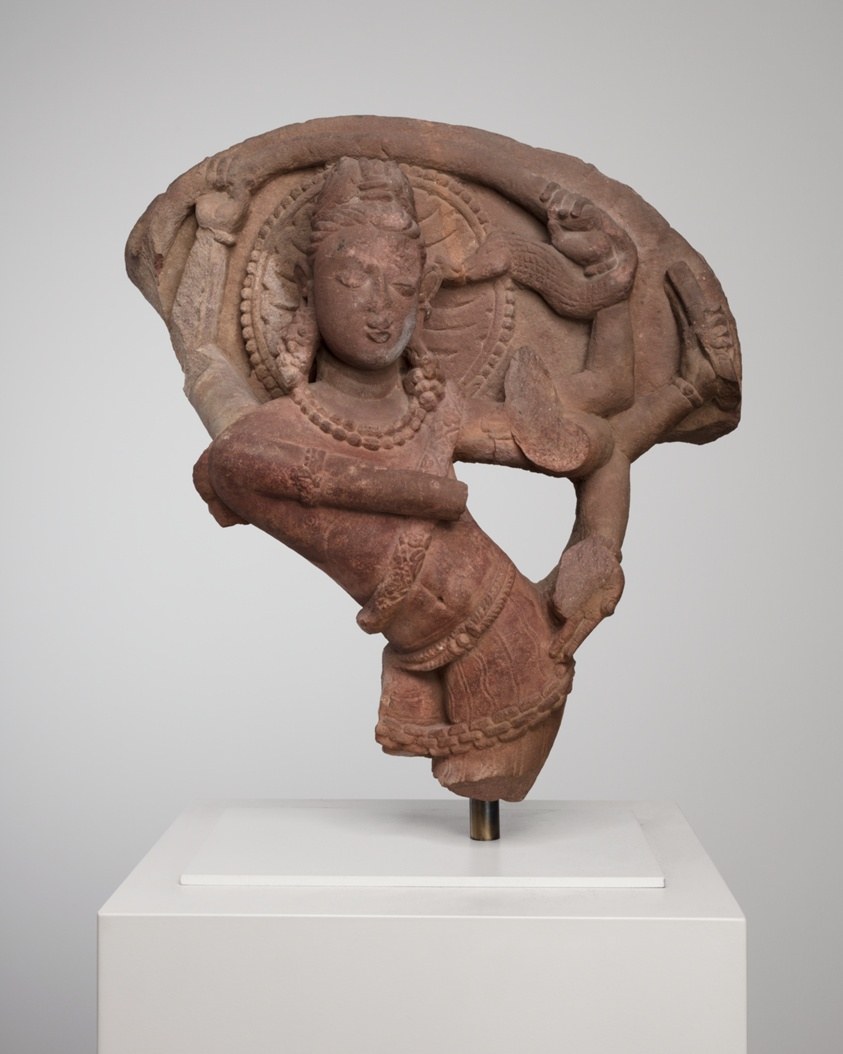
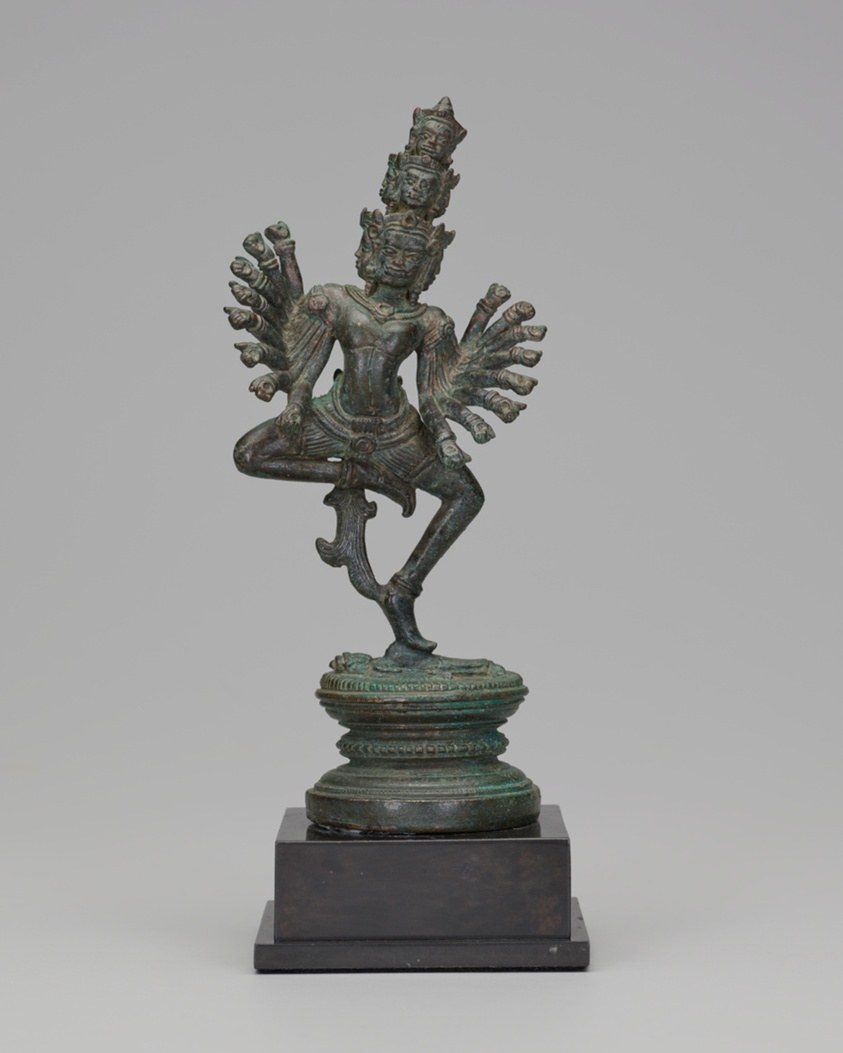
Browse the gallery →Works from the wider Global South Asian Classical & Folk tradition — we have not yet identified enough that depict Sattriya specifically.
[PICTURES] JHIJHIYA | Folk Dance Of Mithila (Ghar Ghar K Lokgeet)
rohini
https://creativecommons.org/licenses/by-sa/4.0/
Continue Exploring
Lineage of Dance
500 years of dance evolution
Champions of Dance
Winners of marquee national & world titles
Language of Dance
161 dance terms & translations
Listening of Dance
Tempo, timing & musicality tools
Gallery of Dance
5,700+ artworks from museum collections
Attire of Dance
Evolution of dance dress across eras