History & Cultural Context
Kuduro is an Angolan music and dance genre that emerged in the mid-1980s in the musseques (informal neighborhoods) of Luanda. The name comes from the Portuguese 'cu duro' (hard backside), describing the stiff-hipped, angular movement style that defines the dance. It developed during and after the Angolan Civil War, blending semba rhythms, Caribbean soca and zouk influences, and electronic dance music production into a high-energy, technology-driven art form.
Kuduro dance is characterized by fast, angular body isolations, exaggerated leg movements, and acrobatic flourishes performed to rapid electronic beats typically around 130-140 BPM. Dancers often create and name specific moves that then spread through communities. The genre served as a powerful form of expression for Angolan youth, particularly in marginalized urban communities, and has since spread throughout the Portuguese-speaking world and beyond, influencing electronic dance music scenes in Portugal, Brazil, and globally.
Kuduro — In Depth
Kuduro (Portuguese for "hard bottom," from "cu duro") is an Angolan electronic dance music and street-dance style born in the musseques (shantytowns) of Luanda. Its development is generally traced to the late 1980s and early 1990s, and the genre is most often credited to producer and dancer Tony Amado, who has said he devised the signature stiff, jerky movement after watching Jean-Claude Van Damme perform a rigid drunken-style dance in the 1989 film Kickboxer. Musically, kuduro is a hybrid — a "batida" (beat) fusing Angolan semba and traditional African percussion with imported Caribbean soca and zouk and European/American techno, house and hip-hop, driven by a fast 4/4 pulse. First-generation productions sat around 128–135 bpm; a second generation pushed the tempo up toward 140 bpm for greater intensity.
The genre is inseparable from its social context. It emerged as Angola endured a long civil war (which ended in 2002) and as Luanda's population swelled dramatically, creating dense, precarious urban conditions. Kuduro became a form of artistic self-assertion for marginalized youth — a way for slum residents to claim their space. It circulated informally through street economies and minibus culture, its slang mixing Kimbundu, Portuguese, Lingala and English. Initially dismissed by the upper classes and associated with violence, it became ubiquitous and was even leveraged in political campaigns.
As dance, kuduro is intensely energetic, athletic, acrobatic and frequently humorous. Dancers alternate frenetic motion with abrupt stillness, exaggerate incoordination, drop and fall to the ground, and incorporate pop-and-lock, breakdance and boldly theatrical facial expression — all typically as solo, freestyle improvisation rather than partnered work, whether on the street, at parties or in competition.
Internationally, kuduro spread first through Lusophone networks to Portugal — especially immigrant suburbs of Lisbon such as Amadora and Queluz — where the Portuguese-Angolan act Buraka Som Sistema (with the 2008 "Sound of Kuduro" featuring M.I.A.) defined the sound for global audiences. Paris-based Angolan Costuleta, Lisbon's DJ Marfox and others extended its reach. Notable Angolan figures across its generations include Sebem, Dog Murras, Nagrelha/Os Lambas, Cabo Snoop and the trans artist and kuduro icon Titica. A separate commercial spin-off, Don Omar and Lucenzo's "Danza Kuduro" (2010), borrowed the name and brought worldwide chart attention, though it is stylistically distinct from Angolan kuduro proper.
Kuduro Playlists
Curated collections on the LODance YouTube channel — performances to watch, lessons to learn from, and the right music to practice with. Tap a collection to play.
▶ Performances · Open on YouTube →
Kuduro Music & Tempo
Drawn from 23 Kuduro tracks in the LODance music library.
Example tracks at practice tempo
- Quem Manda No Mic — Pongo139 BPM
- Chão — Titica140 BPM
- Bruxos — Pongo128 BPM
- Puro Mambo — Buraka Som Sistema130 BPM
- Bica Bidon — Pongo, Titica130 BPM
- Sound Of Kuduro (feat. DJ Znobia, MIA, Saborosa & Puto Prata) — Buraka Som Sistema140 BPM
What to Wear
Attire guidance for Kuduro and other Global African dances. Each card below is sized to the moment — class, practice, social, or competition — because the wardrobe shifts as the stakes do.
Reading the cards
In Class
Loose, breathable clothing that allows full-body movement. Bare feet common in many African dance traditions. Brightly colored fabrics and wraps are welcome.
Social Dancing
Culturally expressive: traditional fabrics (ankara, kente), wraps, and dance-specific attire vary by tradition and community event.
Competition
Performance ensembles in traditional attire specific to the dance's cultural origin. Authenticity and cultural respect are paramount.
Shoes
Many traditions are danced barefoot. When shoes are worn: flexible flat shoes or dance sandals. Some urban styles (Afrobeats) use sneakers.
In Practice
Barefoot in most traditional forms; check with the instructor before assuming. Urban African forms (Afrobeats, kuduro) often use sneakers.
Price Range
- Budget: No shoes needed for most traditional forms; loose breathable clothing from existing wardrobe.
- Mid: Wraps and traditional fabric pieces $30–150 depending on craftsmanship.
- Premium: Authentic ceremonial costumes commissioned through community networks — pricing varies significantly by tradition.
Quick Tips
- •Suede-soled shoes allow controlled sliding and pivoting — essential for most partner dances.
- •Avoid rubber soles on dance floors; they grip too much and can cause knee injuries.
- •Bring a separate pair of clean shoes for the dance floor to keep it in good condition.
Sources & Further Reading
Where This Dance Is Documented
Garth Sheridan – Hard Ass: Representation, Diaspora and Globalisation in Kuduro (2014)
An editor's note on where the technique for this dance is actually written down — sometimes a named book, sometimes the fact that no such book exists. A judgement, not a count of what we hold.
Cultural & Historical Context
Kuduro emerged from Angola during 1985—present day. Understanding the cultural roots, musical traditions, and social circumstances of this era enriches appreciation for the dance's characteristics and significance.
Primary Source Documents
The Library of Dance contains public-domain primary sources for dance history. Copyrighted modern syllabi are indexed with purchase links to their respective copyright owners. Search by dance name or codifier to discover primary source documents.
Last reviewed: October 2026 — This dance profile synthesizes historical research, cultural documentation, and contemporary practice knowledge to provide authoritative context.
More in Global African Warrior, Ceremonial & Urban
Indlamu
Warrior dance with vigorous high kicks and stomping; performed at weddings, coronations, and pre-battle preparation.
Ingoma
A Zulu group dance marked by vigorous, high-kicking footwork and call-and-response singing, performed at weddings (umabo) and coming-of-age ceremonies (umemulo).
Umxhentso
Group dance performed during weddings and initiations; features coordinated movements to traditional music.
Umteyo
Male youth dance with rapid torso undulation movements.
Mokhibo
Graceful women's kneeling dance with coordinated arm and torso movements.
Mohobelo
Vigorous male dance featuring energetic leg kicks, chants, and rhythmic clapping.
Pantsula
South African township street dance defined by rapid, syncopated footwork performed low to the ground.
Gumboot Dance
percussive dance performed by striking rubber boots and body; created by migrant miners.
Bata
Sacred warrior dance performed to Bata drum rhythms; associated with Sango (Thunder God); athletic and acrobatic.
Gese
Religious dance grounded in complex drum rhythms requiring training; represents holistic view of life.
Egungun
Masquerade dance with elaborate masks and costumes representing ancestral spirits; vibrant colors and flowing fabrics.
Atilogwu
Spirited youth dance with vigorous body movements and acrobatics; name means 'has magic' (supernatural ability).
Ikpirikpi-ogu (War Dance)
War dance performed to welcome returning warriors; expresses community solidarity and warrior recognition.
Koroso
Vigorous dance with leg movements and tied rattles; performed at festivals and celebrations.
Shadi
Dance performed during Hausa weddings and celebratory events.
Adowa
Graceful funeral dance expressing respect for the deceased; performed at mourning celebrations.
Agbadza
Festival and celebration dance of the Ewe people.
Azonto
Contemporary social dance performed at celebrations.
Kpanlogo
Free-flowing highlife dance of Ga people performed to conga-like drums.
Adumu
Maasai warrior dance featuring full-body vertical leaps with straight legs while maintaining erect upper body.
Assiko
Social dance form of Cameroon.
Global African Warrior, Ceremonial & Urban in art
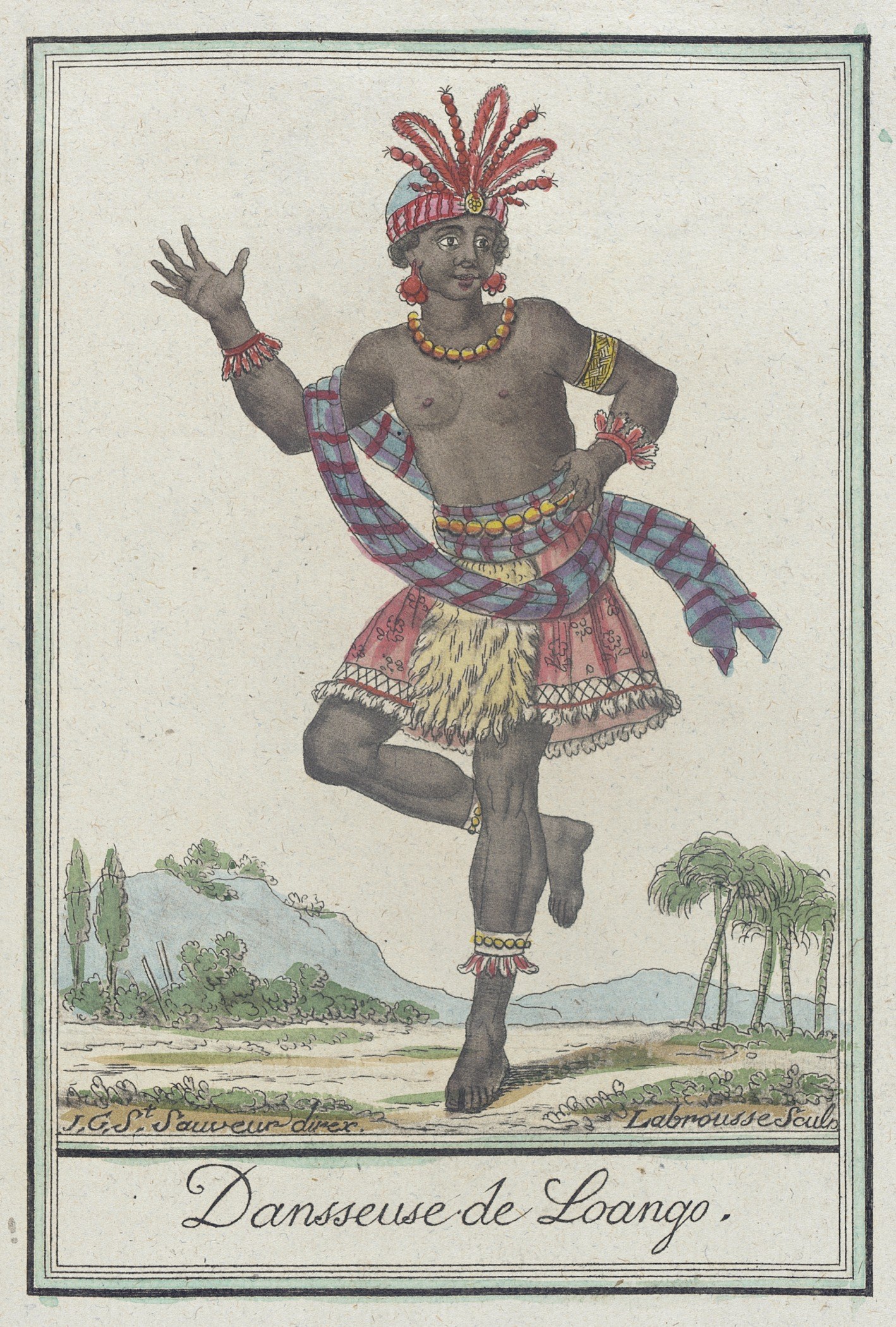
Browse the gallery →Works from the wider Global African Warrior, Ceremonial & Urban tradition — we have not yet identified enough that depict Kuduro specifically.
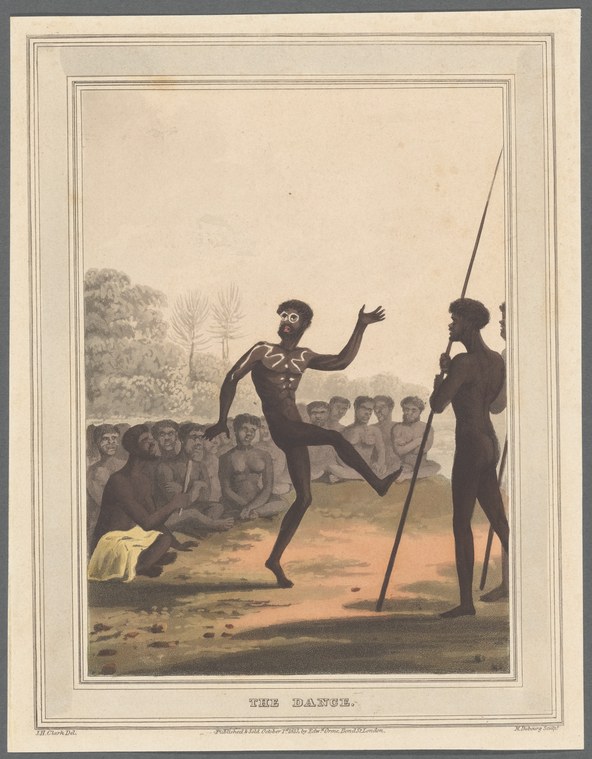
The dance
Unknown artist · 2019
public_domain
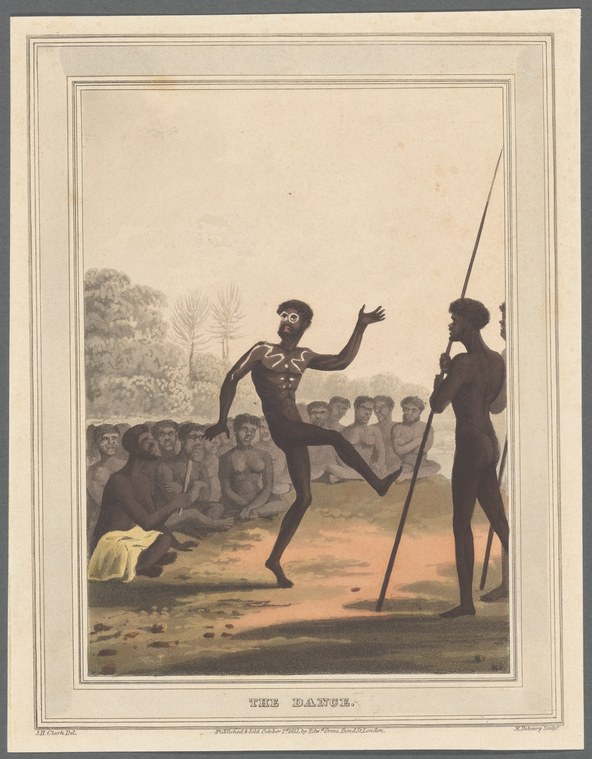
The dance
Unknown artist
public_domain
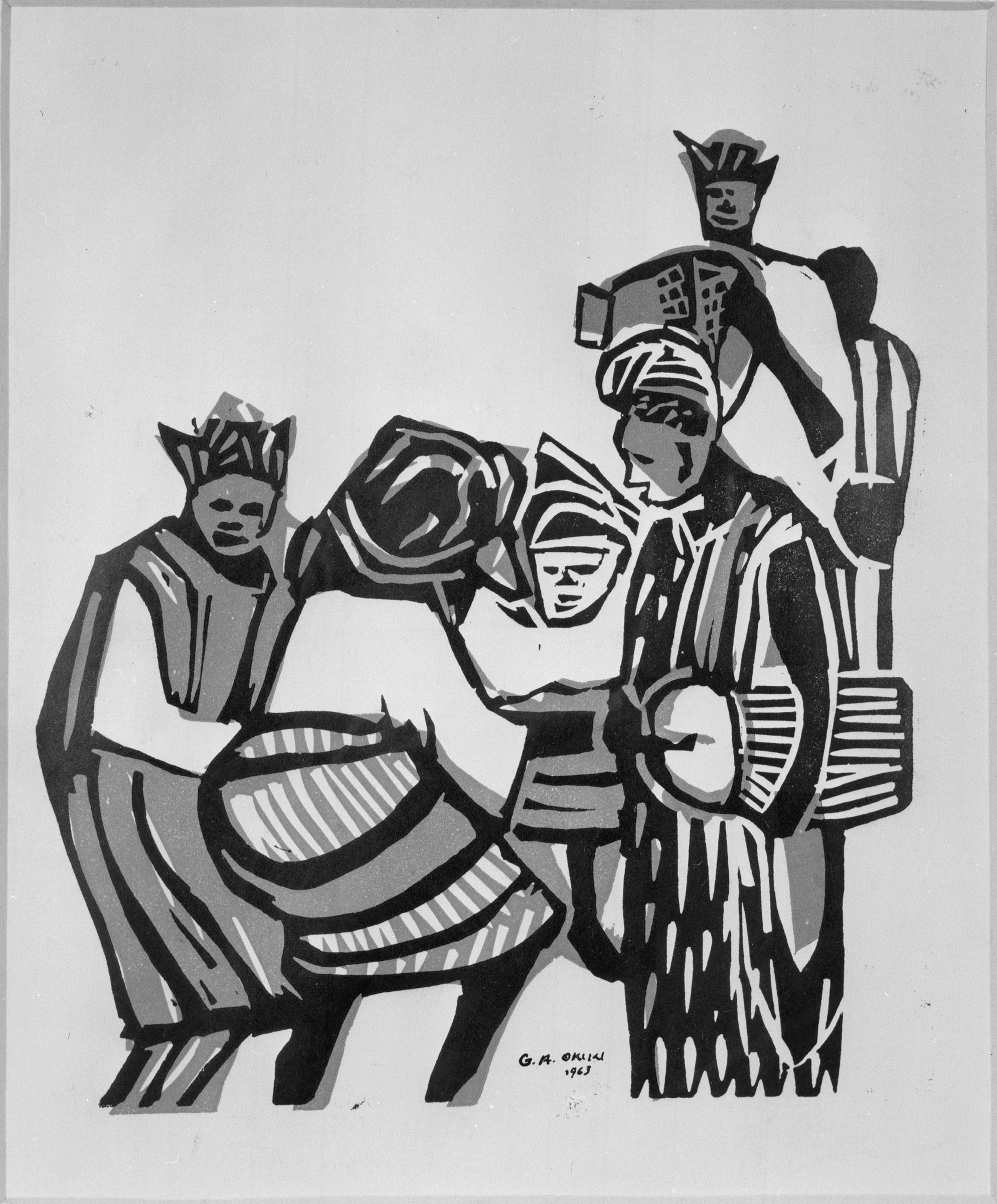
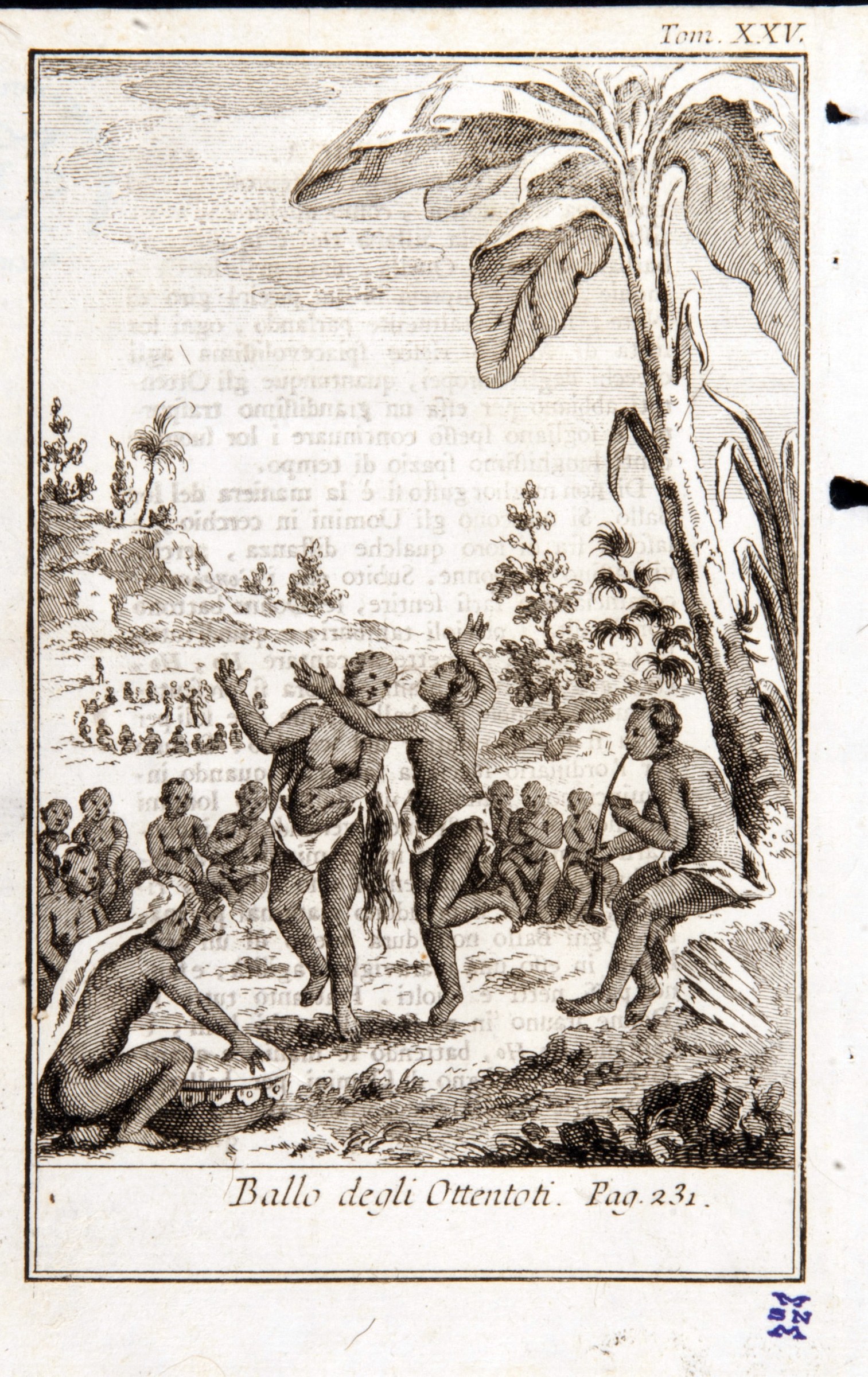
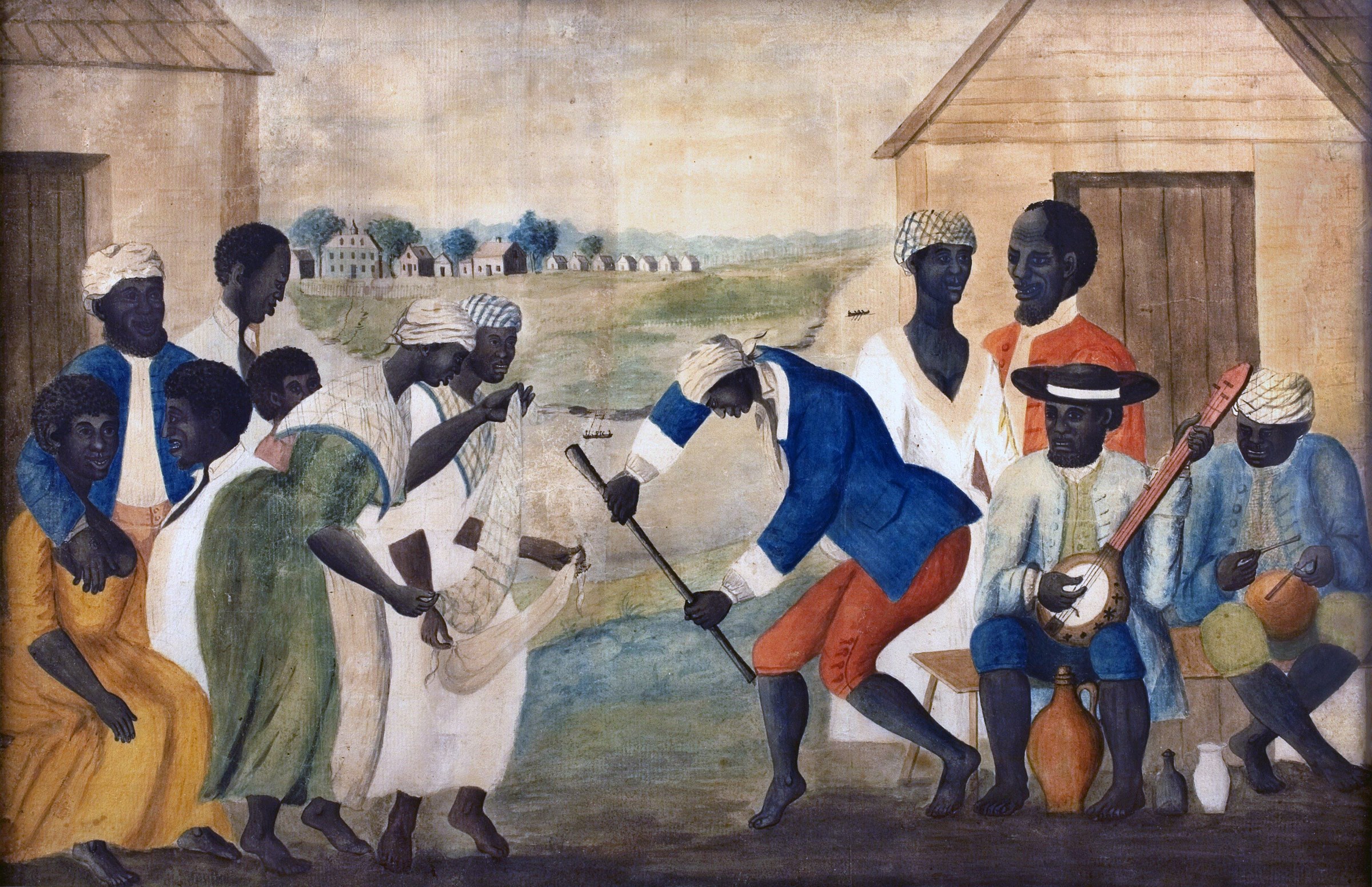
Gullah s carolina 1790
John Rose · 1780
Public Domain
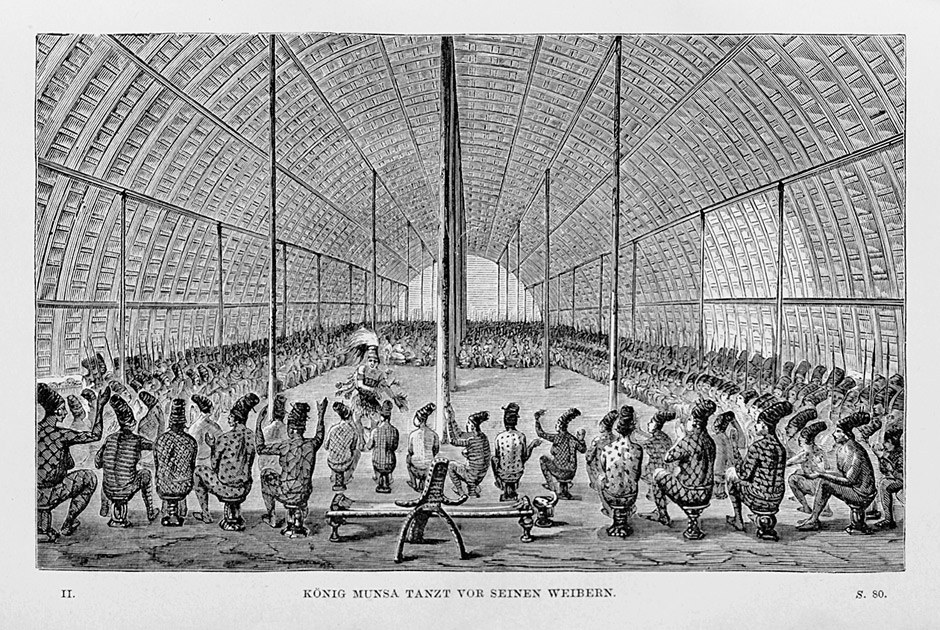
König Munsa tanzt vor seinen Weibern
Unknown · 1874
Public Domain
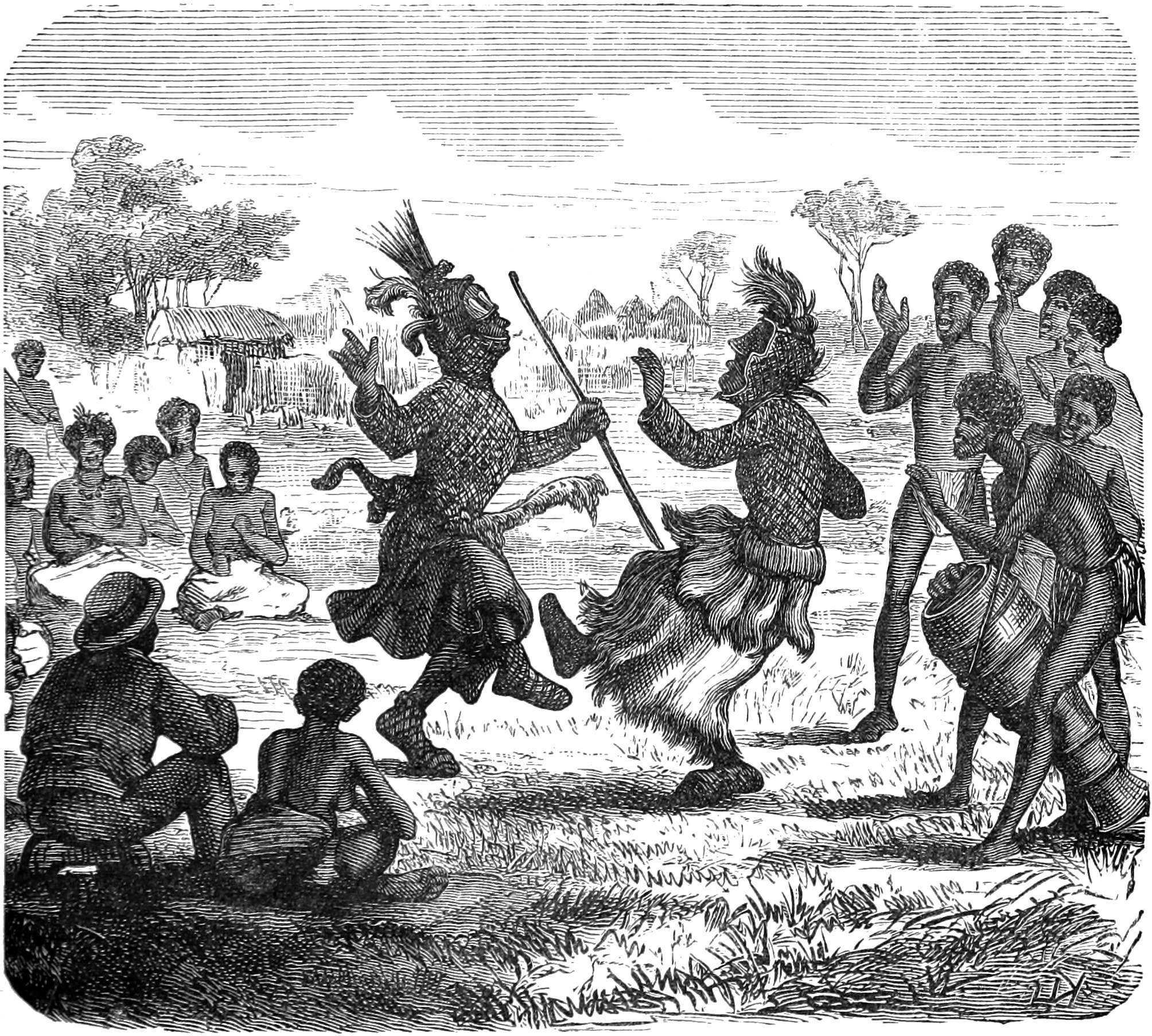
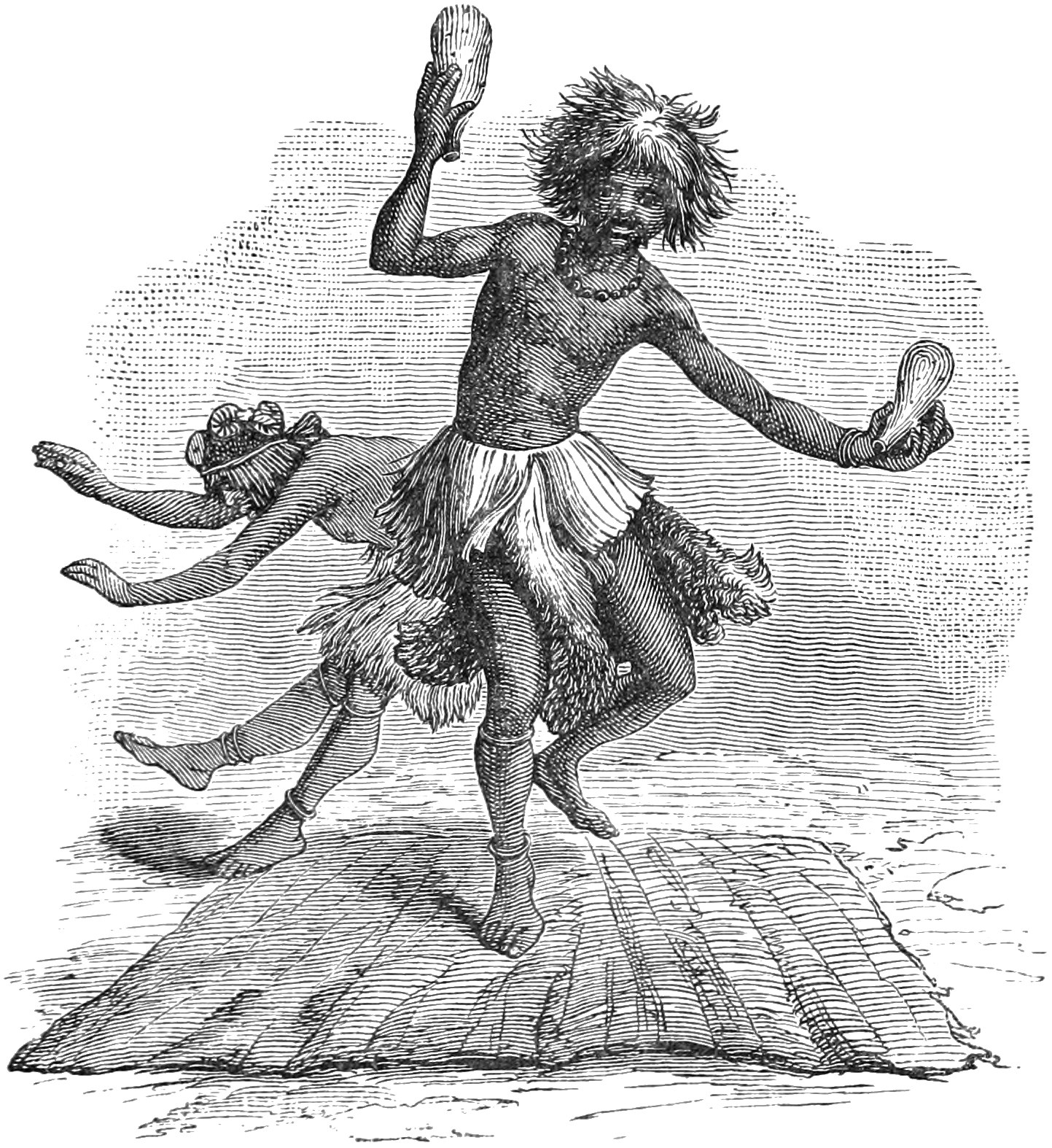
Seven Years in South Africa, page 229, the prophetic dance of the masupias
Unknown · 1881
Public Domain
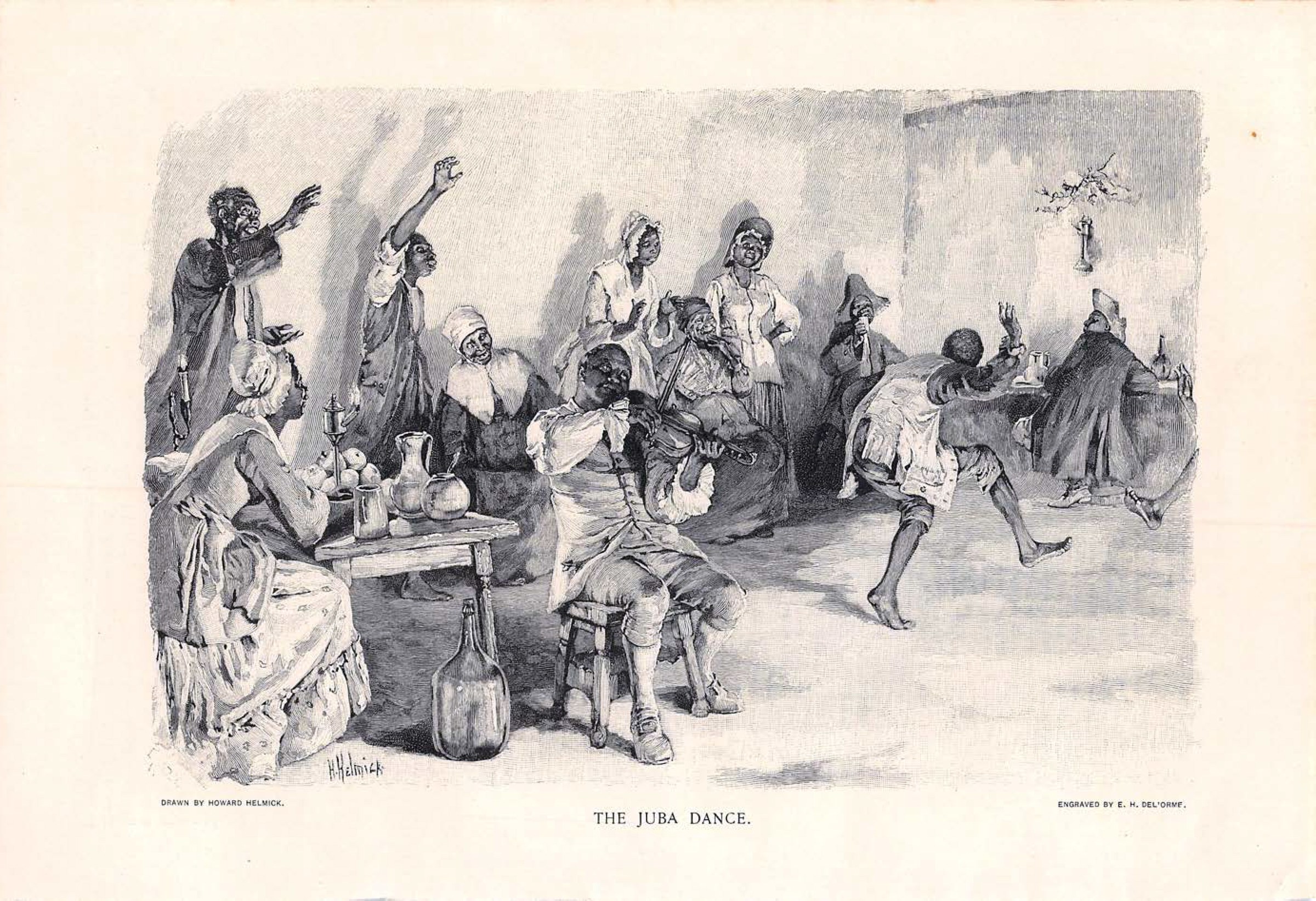
The Juba Dance
H. Hemlick · 1895
Public Domain
Continue Exploring
Lineage of Dance
500 years of dance evolution
Champions of Dance
Winners of marquee national & world titles
Language of Dance
161 dance terms & translations
Listening of Dance
Tempo, timing & musicality tools
Gallery of Dance
5,700+ artworks from museum collections
Attire of Dance
Evolution of dance dress across eras
Keep the thread going
Dance history, technique, and the occasional rabbit hole — in your inbox. Thoughtful, infrequent, unsubscribe anytime.
Free. No spam. One click to leave.