History & Cultural Context
Umxhentso is the dance of the Xhosa people of South Africa most closely tied to the amagqirha, the Xhosa traditional healers and diviners [1][2][3]. Amagqirha in Xhosa communities perform it at initiation and healing ceremonies; during the dance they enter a state of trance in which they seek guidance and vision from their ancestors [2]. Benjamin Obeghare Izu and Alethea de Villiers, who interviewed and observed amagqirha in the Eastern Cape, describe the dance as a medium for connecting with the ancestors, for enhancing divination, and for reinforcing spiritual potency within the community [3]. The verb for dancing in this way is ukuxhentsa [1].
The dance itself: umxhentso is built on pronounced movement of the shoulders and chest, a shaking of the upper body called ukutyityimba, over barefoot stamping [1]. Dancers keep time to a drum beat or to ukombela, slow songs sung with hand-clapping [1]; the uhadi musical bow and a reed whistle, the impempe, are also named among its instruments [1]. Performers wear beaded garments called umbhaco and often paint themselves before dancing [1].
Related Xhosa dances: umgqungqo is a slow, dignified dance of older women, performed at ritual ceremonies to low-pitched song and clapping [1]; umdudo is a wedding dance, accompanied by the wedding songs called umbholorho [1]. Intlombe is the healers' dance gathering at their initiation ceremonies [1]. Ulwaluko, the initiation of boys into manhood, is a rite of passage at which dancing takes place, not a dance of its own [1].
The style today: umxhentso is mostly performed in the former Transkei, in the Eastern Cape, "where the tradition is still valued" [1]. Izu and de Villiers argue that documenting it helps counter stereotypes and misconceptions about indigenous African dance [3].
Uncertainties: no source we hold dates the dance's origin, so this page gives no start year. The Wikipedia article [1] is tagged as needing more citations; its descriptions of movement, music and dress should be checked against the full texts of [2] and [3], of which we have read only the abstracts.
Sources: [1] Wikipedia, "Umxhentso", https://en.wikipedia.org/wiki/Umxhentso (read 2026-11-05). [2] "Establishing Connections with the Ancestors through Umxhentso Dance", PhilPapers record IZUECW, https://philpapers.org/rec/IZUECW (abstract read 2026-11-05). [3] Izu, Benjamin Obeghare, and Alethea de Villiers. "Dance as Cultural Ledger: The Value of Documenting Indigenous African Dances." E-Journal of Cultural Studies 16, no. 4 (November 2023): 15-33. doi:10.24843/cs.2023.v16.i04.p02, https://jurnal.harianregional.com/ecs/id-112675 (abstract read 2026-11-05).
Umxhentso Playlists
Curated collections on the LODance YouTube channel — performances to watch, lessons to learn from, and the right music to practice with. Tap a collection to play.
▶ Performances · Open on YouTube →
Umxhentso Music & Tempo
Drawn from 20 Umxhentso tracks in the LODance music library.
Example tracks at practice tempo
- Umxhentso — Ukiyo CPT
- Danse umngqungqo: imBongi — The Ngqoko Women's Ensemble
- Danse umngqungqo: u Yse ka Thobeka — The Ngqoko Women's Ensemble
- Umxhentso (Main Mix) — Sytec
- Danse umngqungqo: Wavel' uSontonjane — The Ngqoko Women's Ensemble
- Danse Intlombe yabafana: Masiwele — The Ngqoko Women's Ensemble
What to Wear
Attire guidance for Umxhentso and other Global African dances. Each card below is sized to the moment — class, practice, social, or competition — because the wardrobe shifts as the stakes do.
Reading the cards
In Class
Loose, breathable clothing that allows full-body movement. Bare feet common in many African dance traditions. Brightly colored fabrics and wraps are welcome.
Social Dancing
Culturally expressive: traditional fabrics (ankara, kente), wraps, and dance-specific attire vary by tradition and community event.
Competition
Performance ensembles in traditional attire specific to the dance's cultural origin. Authenticity and cultural respect are paramount.
Shoes
Many traditions are danced barefoot. When shoes are worn: flexible flat shoes or dance sandals. Some urban styles (Afrobeats) use sneakers.
In Practice
Barefoot in most traditional forms; check with the instructor before assuming. Urban African forms (Afrobeats, kuduro) often use sneakers.
Price Range
- Budget: No shoes needed for most traditional forms; loose breathable clothing from existing wardrobe.
- Mid: Wraps and traditional fabric pieces $30–150 depending on craftsmanship.
- Premium: Authentic ceremonial costumes commissioned through community networks — pricing varies significantly by tradition.
Quick Tips
- •Suede-soled shoes allow controlled sliding and pivoting — essential for most partner dances.
- •Avoid rubber soles on dance floors; they grip too much and can cause knee injuries.
- •Bring a separate pair of clean shoes for the dance floor to keep it in good condition.
Sources & Further Reading
Cultural & Historical Context
Umxhentso emerged from South Africa (Xhosa) during the 1800s—present day. Understanding the cultural roots, musical traditions, and social circumstances of this era enriches appreciation for the dance's characteristics and significance.
Primary Source Documents
The Library of Dance contains public-domain primary sources for dance history. Copyrighted modern syllabi are indexed with purchase links to their respective copyright owners. Search by dance name or codifier to discover primary source documents.
Last reviewed: November 2026 — This dance profile synthesizes historical research, cultural documentation, and contemporary practice knowledge to provide authoritative context.
More in Global African Warrior, Ceremonial & Urban
Indlamu
Warrior dance with vigorous high kicks and stomping; performed at weddings, coronations, and pre-battle preparation.
Ingoma
A Zulu group dance marked by vigorous, high-kicking footwork and call-and-response singing, performed at weddings (umabo) and coming-of-age ceremonies (umemulo).
Umteyo
Male youth dance with rapid torso undulation movements.
Mokhibo
Graceful women's kneeling dance with coordinated arm and torso movements.
Mohobelo
Vigorous male dance featuring energetic leg kicks, chants, and rhythmic clapping.
Pantsula
South African township street dance defined by rapid, syncopated footwork performed low to the ground.
Gumboot Dance
percussive dance performed by striking rubber boots and body; created by migrant miners.
Bata
Sacred warrior dance performed to Bata drum rhythms; associated with Sango (Thunder God); athletic and acrobatic.
Gese
Religious dance grounded in complex drum rhythms requiring training; represents holistic view of life.
Egungun
Masquerade dance with elaborate masks and costumes representing ancestral spirits; vibrant colors and flowing fabrics.
Atilogwu
Spirited youth dance with vigorous body movements and acrobatics; name means 'has magic' (supernatural ability).
Ikpirikpi-ogu (War Dance)
War dance performed to welcome returning warriors; expresses community solidarity and warrior recognition.
Koroso
Vigorous dance with leg movements and tied rattles; performed at festivals and celebrations.
Adowa
Graceful funeral dance expressing respect for the deceased; performed at mourning celebrations.
Agbadza
Festival and celebration dance of the Ewe people.
Azonto
Contemporary social dance performed at celebrations.
Kpanlogo
Free-flowing highlife dance of Ga people performed to conga-like drums.
Adumu
Maasai warrior dance featuring full-body vertical leaps with straight legs while maintaining erect upper body.
Assiko
Social dance form of Cameroon.
Kuduro
Contemporary African urban dance style.
Global African Warrior, Ceremonial & Urban in art
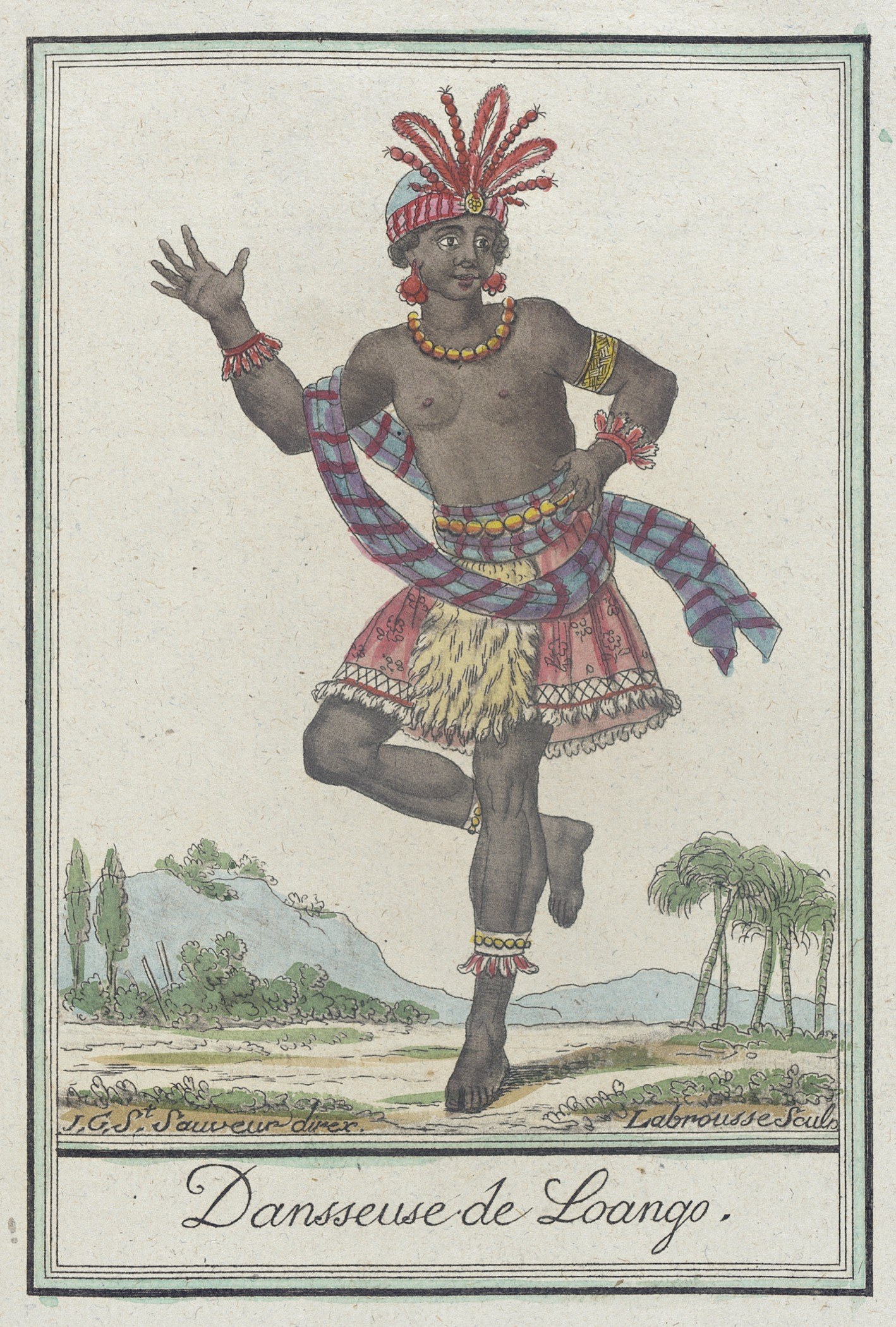
Browse the gallery →Works from the wider Global African Warrior, Ceremonial & Urban tradition — we have not yet identified enough that depict Umxhentso specifically.
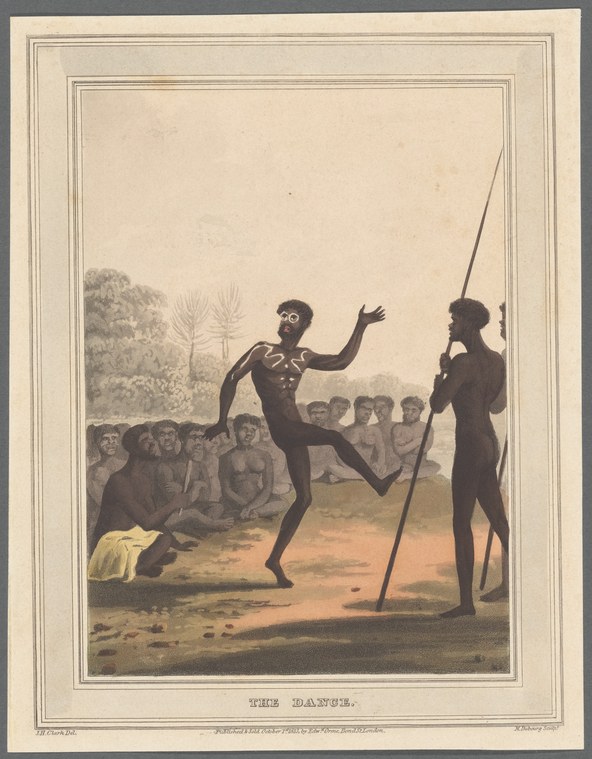
The dance
Unknown artist
public_domain
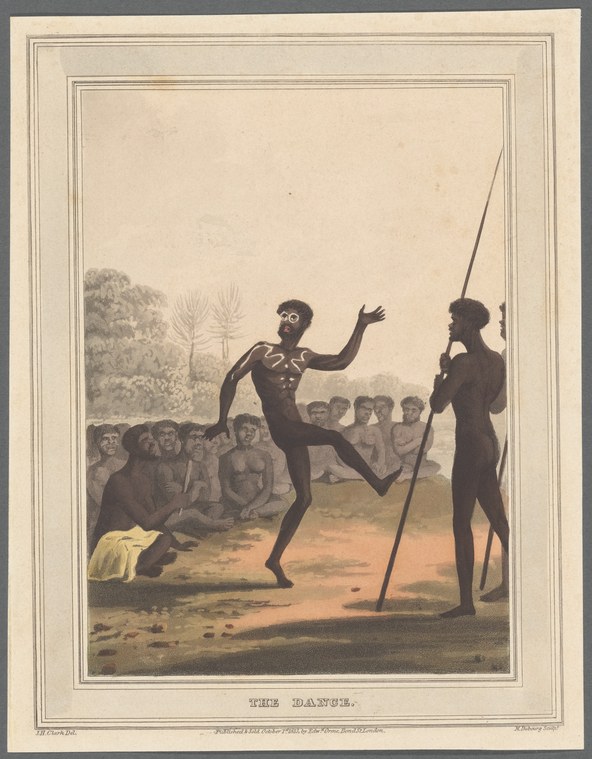
The dance
Unknown artist
public_domain
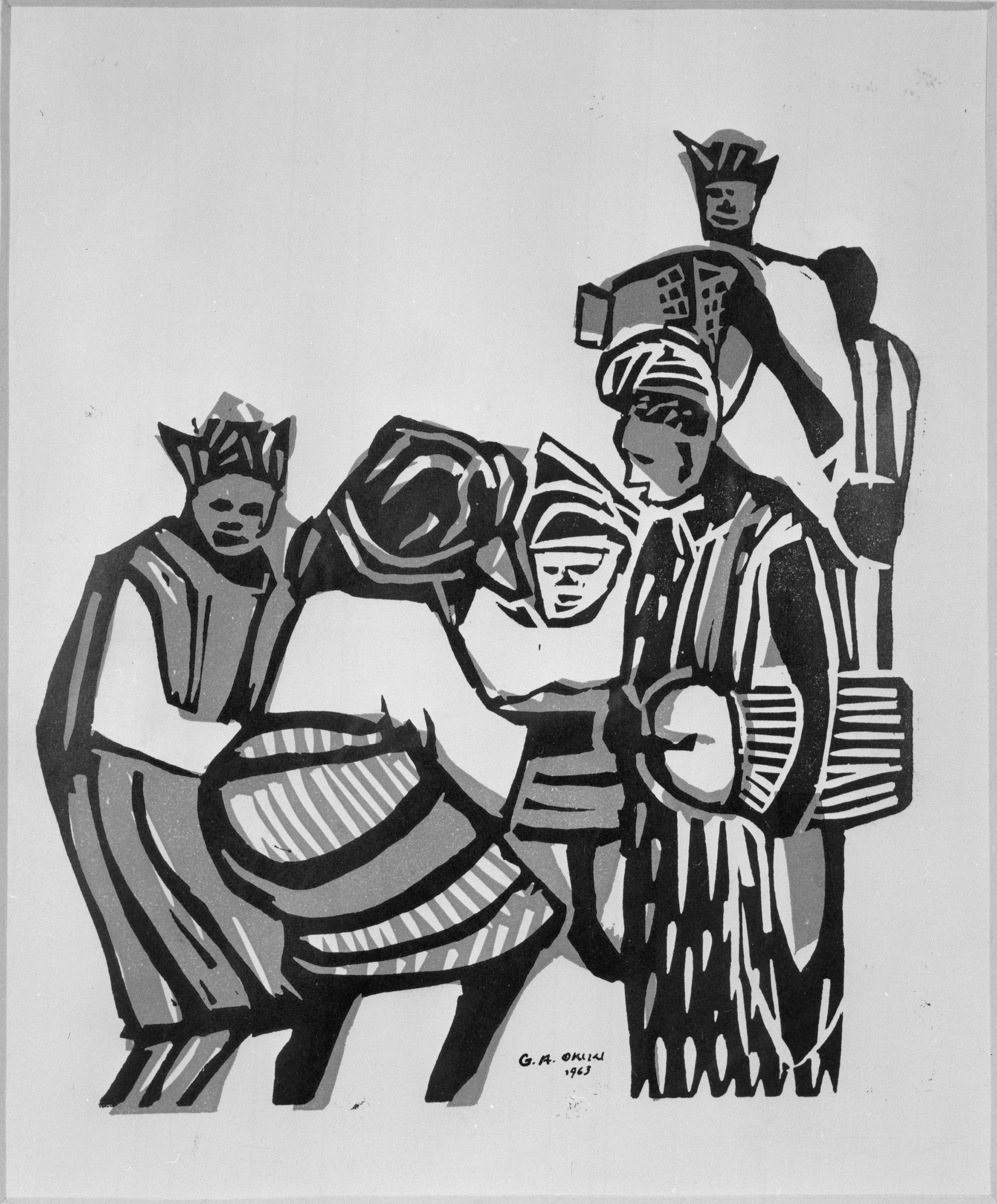
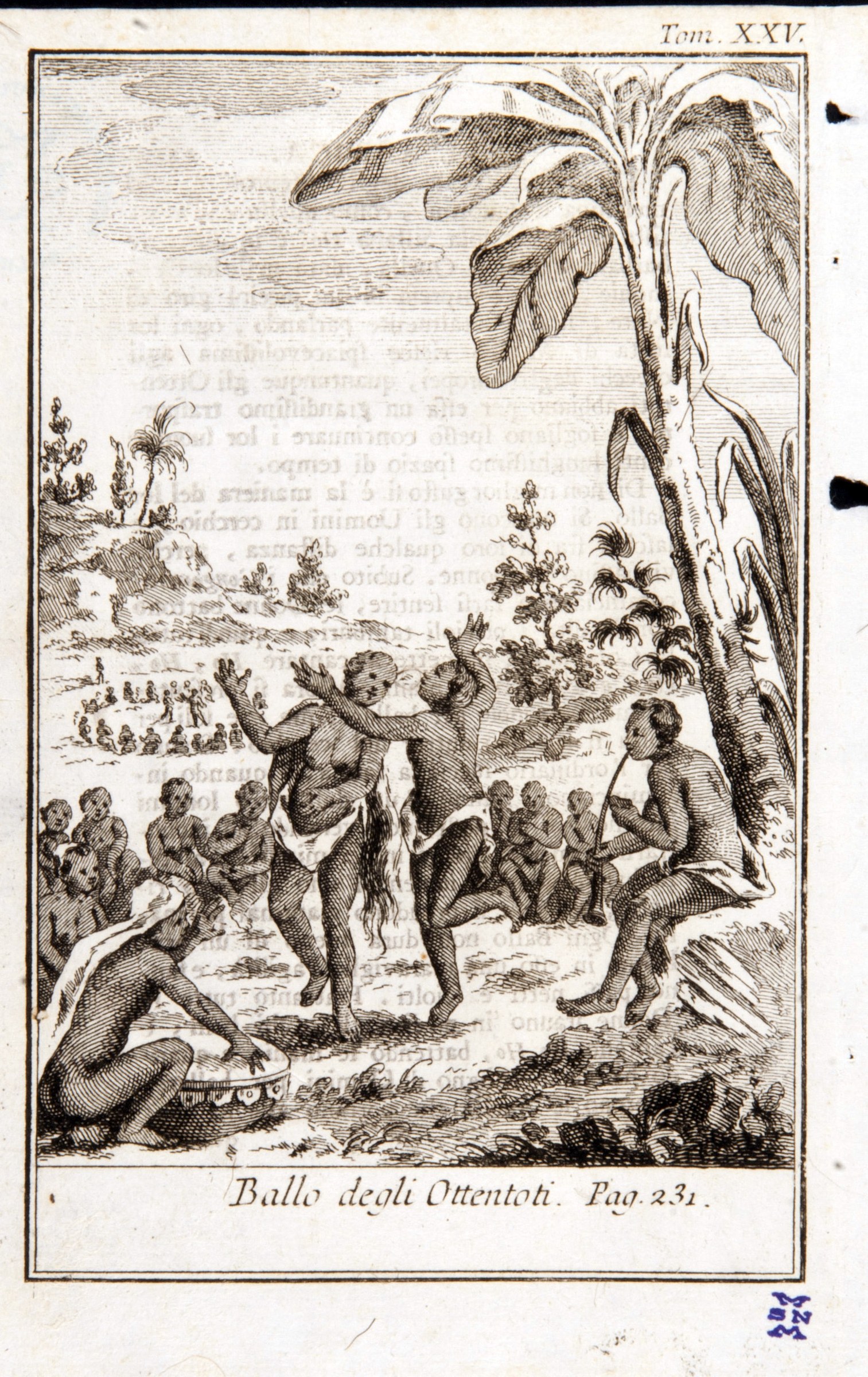
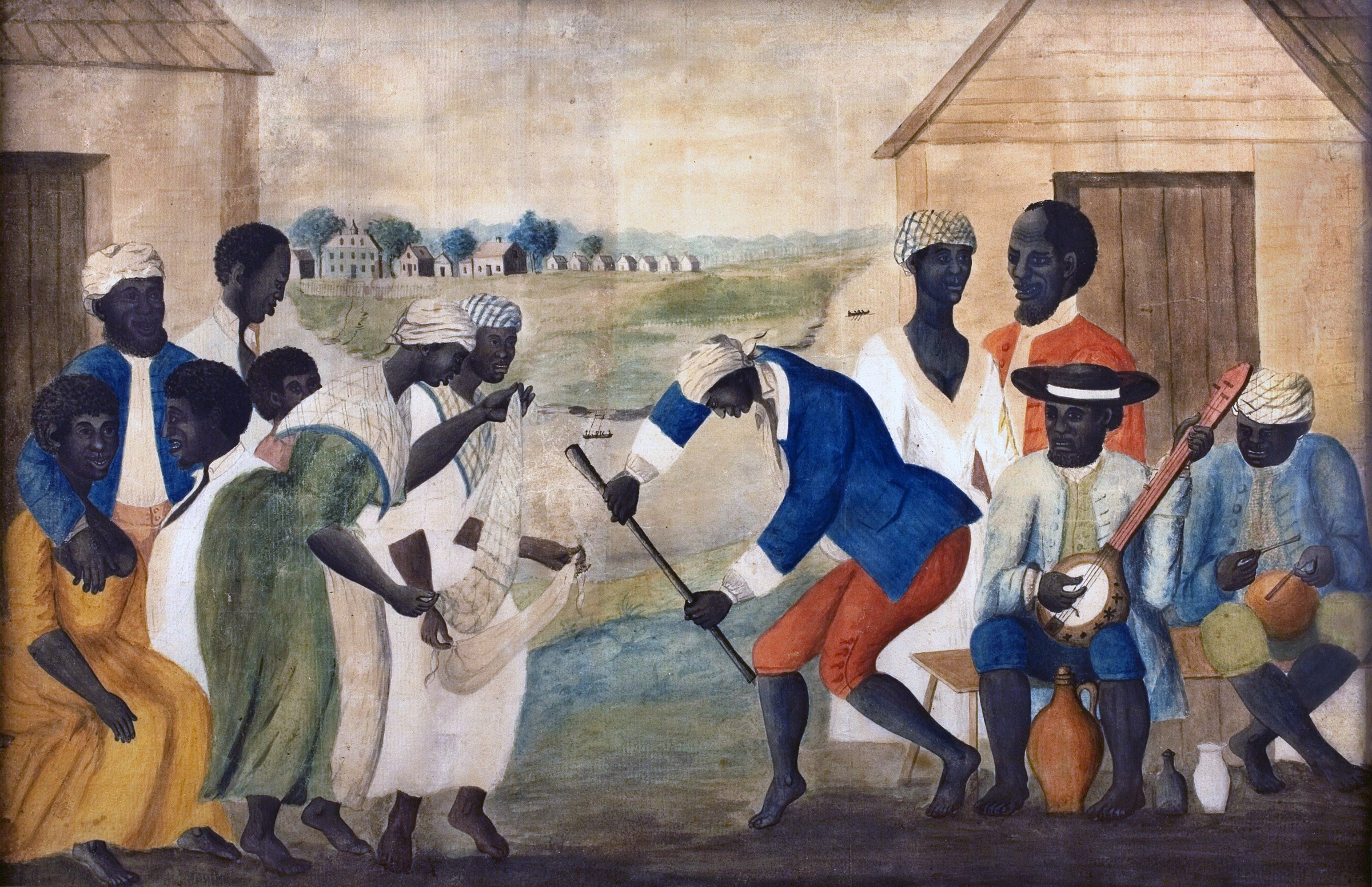
Gullah s carolina 1790
John Rose · 1780
Public Domain
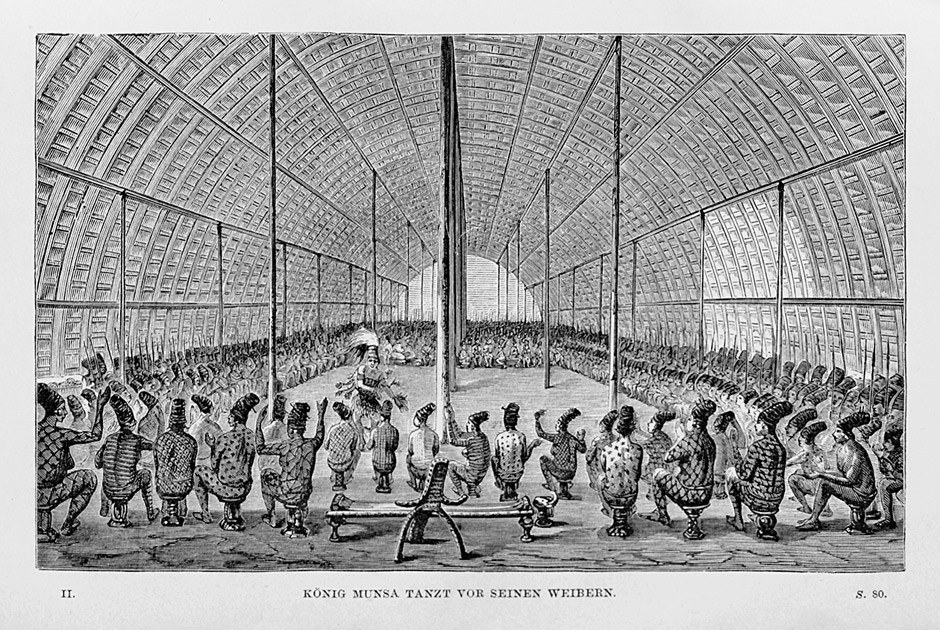
König Munsa tanzt vor seinen Weibern
Unknown · 1874
Public Domain
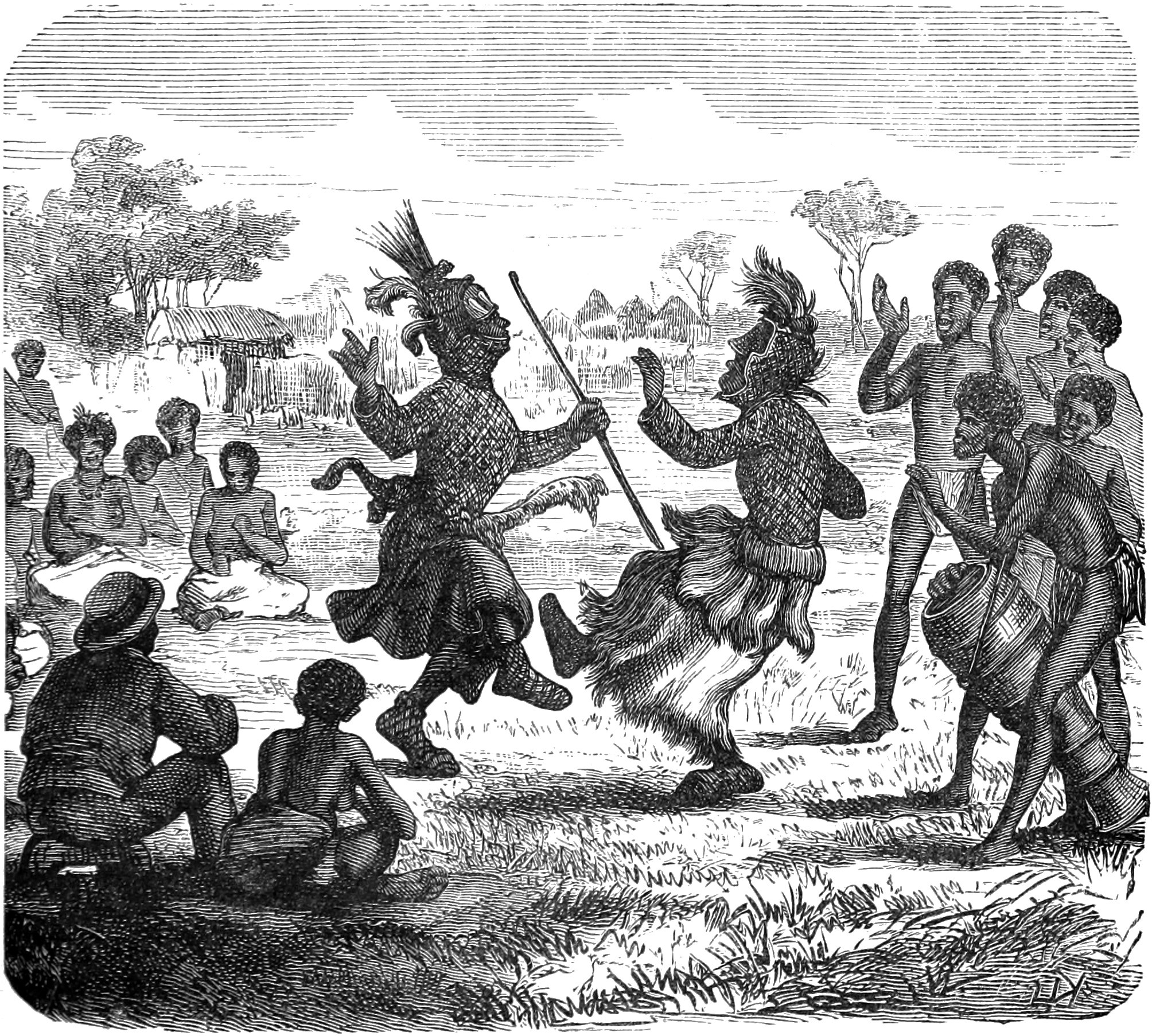
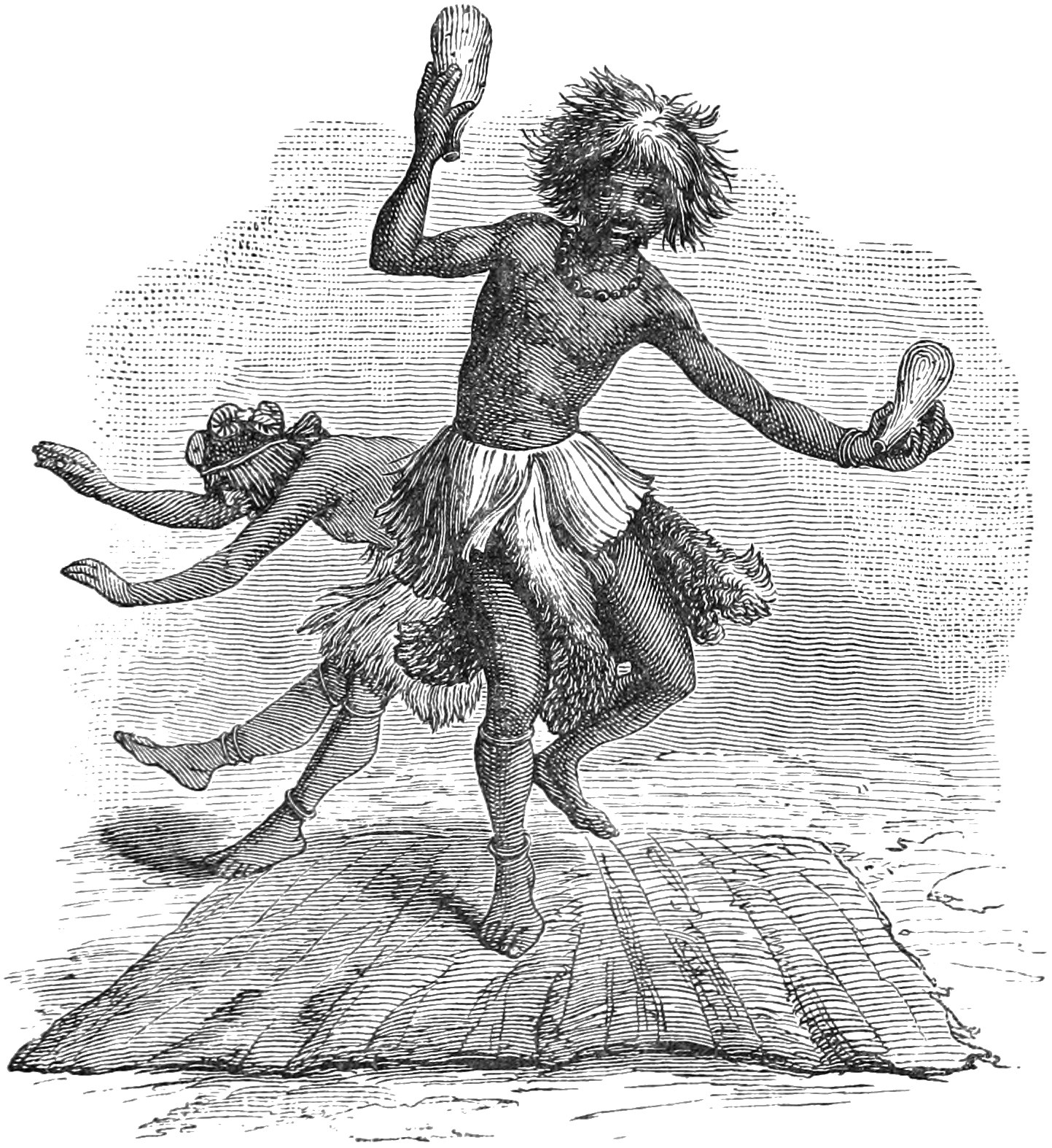
Seven Years in South Africa, page 229, the prophetic dance of the masupias
Unknown · 1881
Public Domain
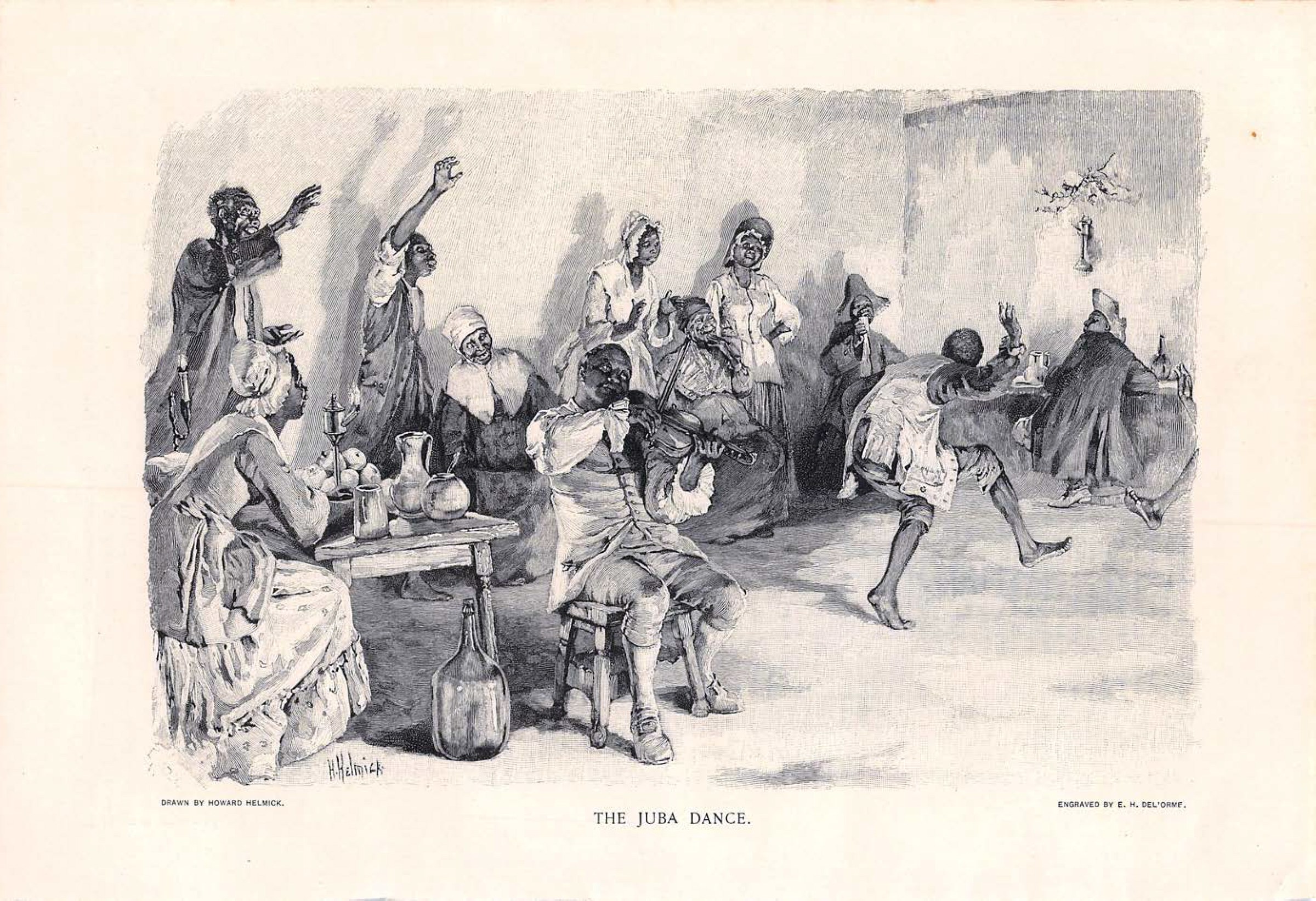
The Juba Dance
H. Hemlick · 1895
Public Domain
Continue Exploring
Lineage of Dance
500 years of dance evolution
Champions of Dance
Winners of marquee national & world titles
Language of Dance
161 dance terms & translations
Listening of Dance
Tempo, timing & musicality tools
Gallery of Dance
5,700+ artworks from museum collections
Attire of Dance
Evolution of dance dress across eras