Cecchetti Method
Also known as: Cecchetti technique, Cecchetti system, the Italian method, ISTD Cecchetti
History & Cultural Context
Enrico Cecchetti (1850-1928) came from an Italian theatrical family, absorbed the bravura training of the Milanese line, then taught at the Imperial school in St Petersburg through the 1890s before becoming the private teacher of Diaghilev's Ballets Russes. In London after the First World War he taught a stream of dancers who understood that his method would vanish if nobody recorded it, and in 1922 Cyril Beaumont and Stanislas Idzikowski published a manual of the theory and practice of his teaching, with Cecchetti's own involvement. The Cecchetti Society was formed the same year and became a branch of the Imperial Society of Teachers of Dancing in 1924, which is where its examination syllabus still lives. Cecchetti himself returned to Italy and taught at La Scala until his death, and separate national bodies later grew up in the United States, Canada and Australia. The method is now a minority training worldwide but remains influential far beyond the number of people who follow it whole, because so much twentieth-century teaching absorbed its port de bras and its logic.
Cultural Significance
The method reached London through the Ballets Russes and was preserved by British teachers and writers at exactly the moment when English ballet was constructing an institutional identity for itself. Ninette de Valois and Marie Rambert both built on Cecchetti-trained dancers, so the method sits underneath the early Royal Ballet and Ballet Rambert repertoires. It served a repertoire of Petipa classics and Fokine-era one-act works, and its emphasis on stamina across a week reflects the reality of a touring company doing eight performances of mixed bills.
Characteristic Movement & Technique
Arms are rounded and held relatively low, with a soft elbow, and the eight port de bras and eight positions of the body fix exactly how the head, shoulders and arms relate to each direction of the leg. Épaulement is present in almost every pose and the shoulders stay level and quiet; the line is closed and sculptural rather than extended for its own sake. Placement is drilled so that the dancer is self-supporting, with the weight forward over the ball of the foot, and jumps are worked for accuracy of beat and clean landing rather than height.
Partnering Dynamics
Cecchetti's own teaching was principally solo technique, and the codified syllabus is a technique syllabus rather than a pas de deux course. Partnering is taught alongside it, typically within a company or school rather than from a Cecchetti text, and the method's contribution is the placement and self-support that make a dancer easy to partner. Adagio work is expected to be secure on one's own axis before another body is added.
Competitive Context
Cecchetti is examined rather than competed: the ISTD offers graded and vocational grade examinations and a teaching diploma, and the Cecchetti Council of America, Cecchetti Canada and Cecchetti Ballet Australia run parallel structures. There are Cecchetti-specific scholarship competitions and international summer gatherings, but the set enchaînements rarely appear in open competitions like the Prix de Lausanne, which use repertoire variations. A Cecchetti training is visible in competitors through cleanliness of beats and port de bras rather than through any set piece.
Regional Variations
The British, American, Canadian and Australian organisations descend from the same source but have diverged in syllabus detail, examination structure and even in which day carries which allegro. American Cecchetti in particular absorbed influences from the teachers who carried it there, including Margaret Craske's long tenure in New York. Very few schools now teach the full weekly cycle; most take the port de bras, the positions of the body and some set adages into an otherwise eclectic class.
Common Misconceptions
The set exercises were not meant to be the entire training: Cecchetti composed fresh enchaînements constantly for his own pupils, and the fixed cycle was a framework for coverage, not a rule against invention. It is also wrong to read the method as a rigid antique, since its underlying argument is physiological and was unusually forward-looking about injury and overwork. And Cecchetti did not write the manual himself, so what survives is his pupils' record of one period of his teaching.
Peak Popularity
Signature Figures
- The eight port de bras
- The eight positions of the body
- The six-day set exercise cycle
- Low rounded arms with soft elbows
- Self-supporting placement
Notable Codifiers
- Enrico Cecchetti
- Cyril W. Beaumont
- Stanislas Idzikowski
- Margaret Craske
Who governs Cecchetti Method
Federations, councils and examining bodies with a recorded role in this style. No single organisation can tell you this — each one knows only itself.
Legends of Cecchetti Method
Dancers, choreographers and teachers whose work shaped this style.
Cecchetti Method on screen
Films and television where Cecchetti Method appears, with the sequences worth watching for.

Poster artwork from TMDB.
 This site uses TMDB and the TMDB APIs but is not endorsed, certified, or otherwise approved by TMDB.
Sources & Further Reading
Cultural & Historical Context
Cecchetti Method emerged from London, England, from the Italian school during 1918—1922. Understanding the cultural roots, musical traditions, and social circumstances of this era enriches appreciation for the dance's characteristics and significance.
Formative Influences
Codifiers & Standardizers:
Enrico Cecchetti, Cyril W. Beaumont, Stanislas Idzikowski, Margaret Craske
Signature Movement Vocabulary:
The eight port de bras, The eight positions of the body, The six-day set exercise cycle, Low rounded arms with soft elbows, Self-supporting placement
Primary Source Documents
The Library of Dance contains public-domain primary sources for dance history. Copyrighted modern syllabi are indexed with purchase links to their respective copyright owners. Search by dance name or codifier to discover primary source documents.
Last reviewed: September 2026 — This dance profile synthesizes historical research, cultural documentation, and contemporary practice knowledge to provide authoritative context.
More in Ballet
Ballet de Cour (Court Ballet)
The aristocratic court spectacle from which ballet grew, danced by nobles (including Louis XIV) and codified into the five positions and turnout under Beauchamp at the Académie Royale de Danse (1661).
Romantic Ballet
The early-19th-century era that introduced pointe work, the ethereal 'white ballet,' and the ballerina as central figure, exemplified by La Sylphide (1832) and Giselle (1841).
Classical Ballet
The full-evening story-ballet style perfected by Marius Petipa in Imperial Russia—Swan Lake, The Sleeping Beauty, The Nutcracker—that defines the core ballet repertory and codified virtuoso classical technique.
Neoclassical Ballet
The 20th-century style—pioneered by George Balanchine with Apollo (1928)—that retained classical technique while stripping narrative and scenery for speed, line, extension, and pure response to music.
Contemporary Ballet
The late-20th-century-onward fusion of classical ballet technique with modern and contemporary dance, associated with choreographers such as William Forsythe and Jiří Kylián.
Pre-Ballet & Creative Movement
The early-childhood foundation class that introduces rhythm, spatial awareness and basic ballet vocabulary through imaginative, imagery-led movement rather than formal syllabus work.
Vaganova Method
A pedagogical system for training classical ballet dancers, not a choreographic style or a period repertoire. Agrippina Vaganova built it by analysing what the French, Italian and older Russian teachers of the Imperial school had each done well, and fixing the result as a progressive year-by-year course. It is the training behind the Kirov and Bolshoi companies and, in diluted or borrowed form, behind a large share of ballet teaching worldwide.
Royal Academy of Dance (RAD) Method
A graded teaching and examination syllabus rather than a technical school descended from one master, assembled in 1920 by teachers of five different national traditions who wanted a common standard for ballet teaching in Britain. Its structure is a ladder of examined levels, each with set exercises, taken by children and by vocational students. It is now the most widely examined ballet syllabus in the world.
Balanchine Method
A way of training dancers for a specific body of choreography, developed by George Balanchine at the School of American Ballet from 1934 and refined over five decades to serve New York City Ballet. It prizes speed, clarity at high tempo, extreme range of movement and a willingness to go off the vertical and recover. Unlike the older European schools it was never written into a syllabus by its founder, and is transmitted by teachers who danced for him.
Bournonville Method
The training developed by August Bournonville for the Royal Danish Ballet, built to serve his own ballets and preserved in Copenhagen long after the French style it descends from had disappeared in Paris. It trains a jump that appears to cost nothing, intricate beaten footwork, and an upper body that stays modest while the legs do difficult things. It is the closest surviving link to early nineteenth-century French classroom practice.
Cecchetti Method in art
Browse the gallery →Works our catalogue identifies as depicting cecchetti method.
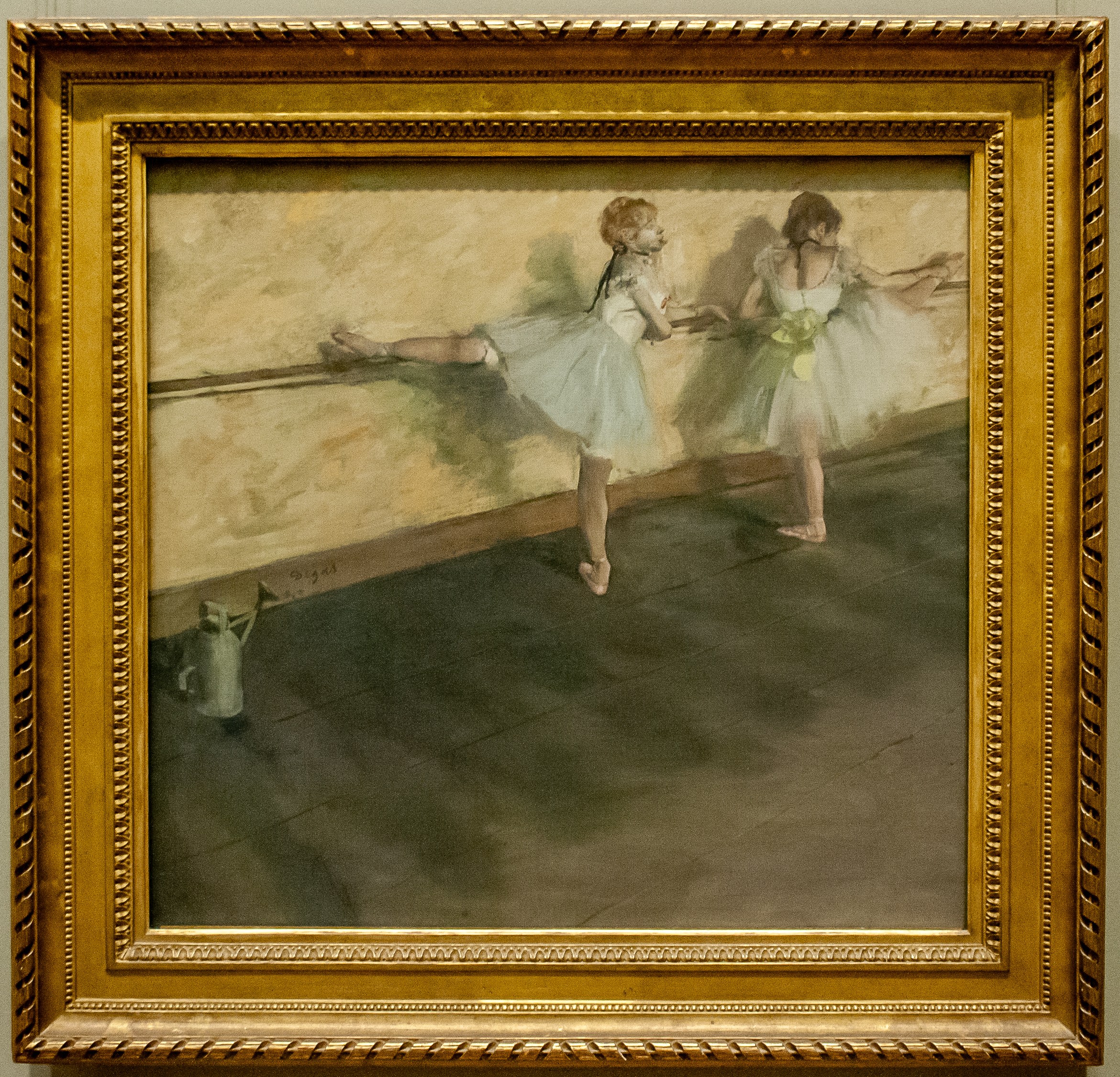
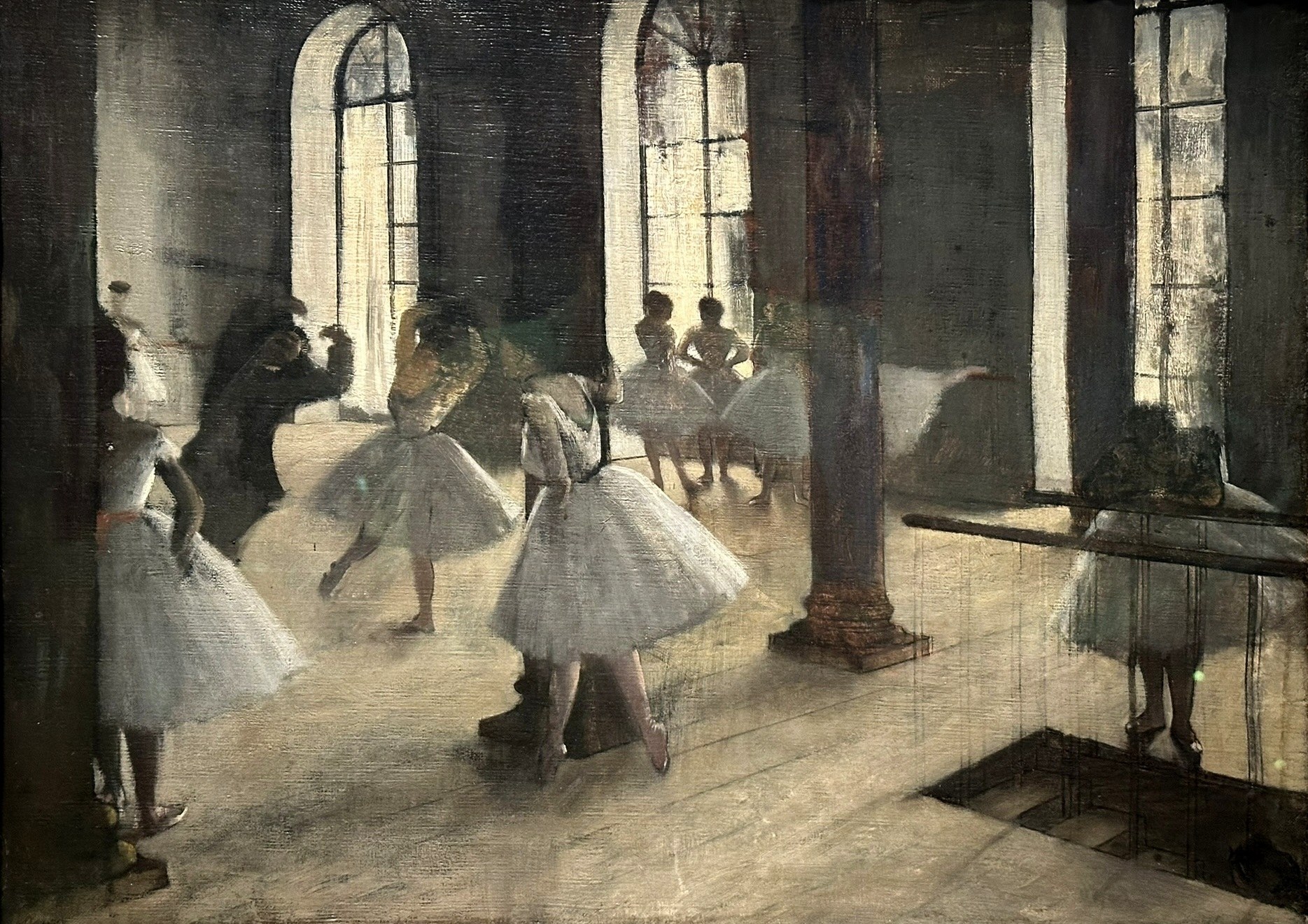
Rehearsal at the dance hall
Edgar Degas · 1870
Public Domain
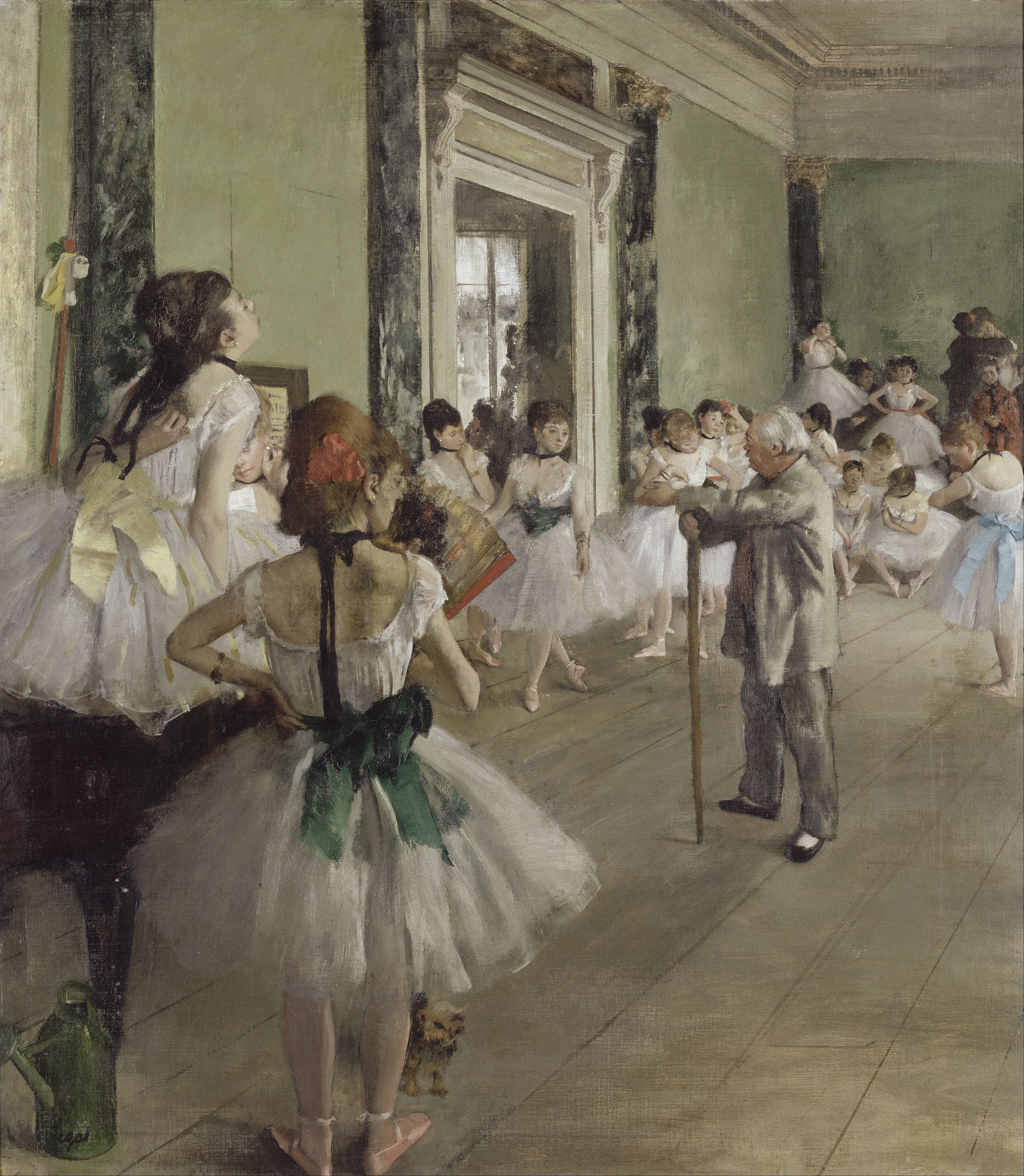
Edgar Degas - The Ballet Class
Edgar Degas · 1871
Public Domain
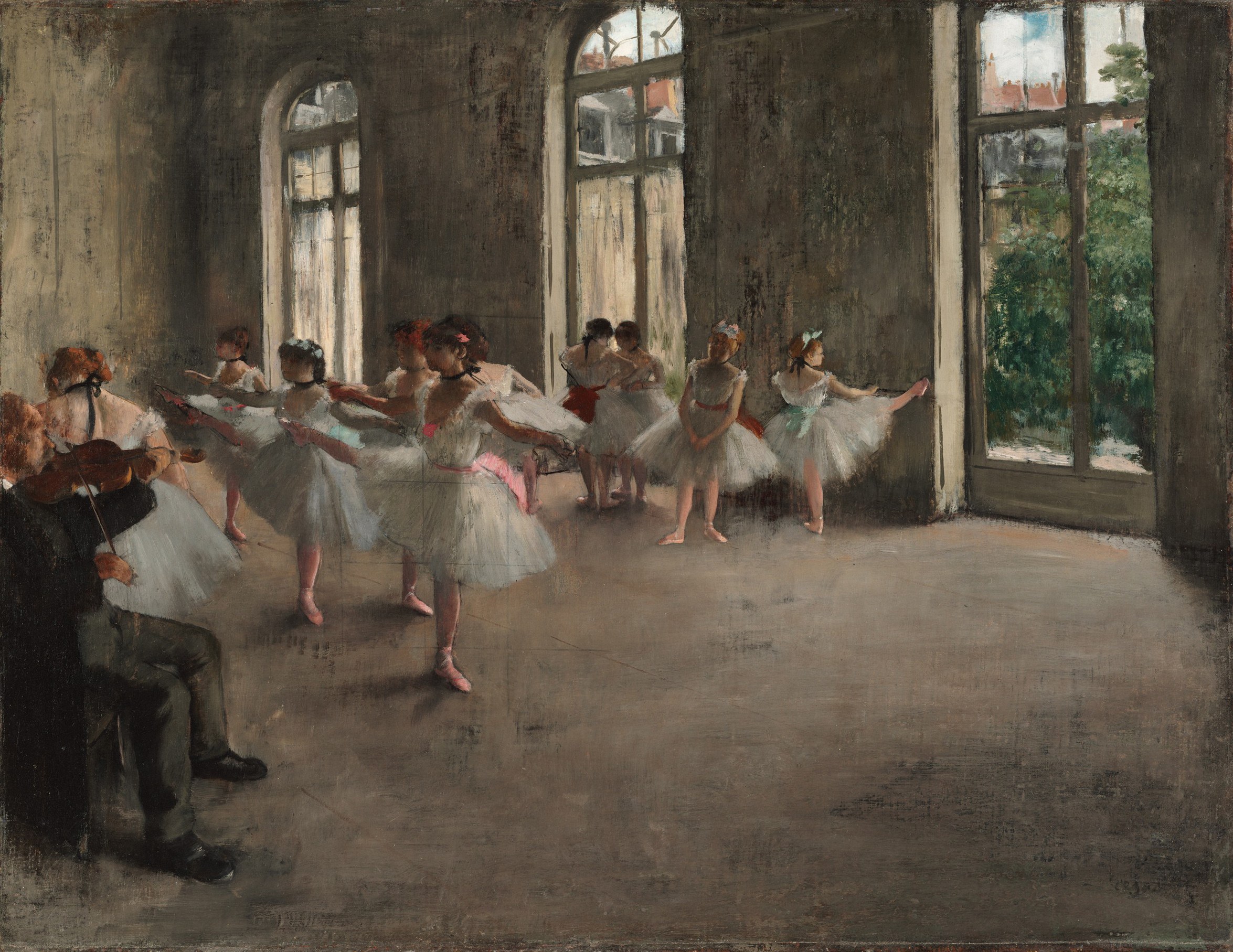
Edgar Germain Hilaire Degas 004
Edgar Degas · 1873
Public Domain
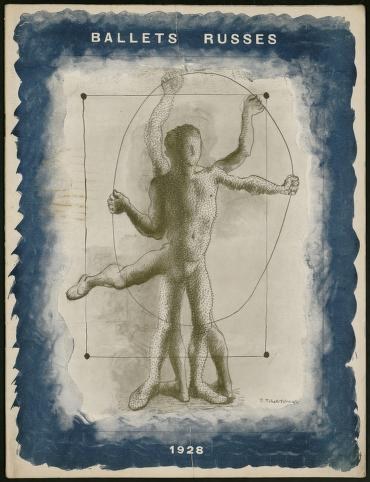
Ballets Russes, 1928
Unknown artist · 1928
Public Domain
Continue Exploring
Lineage of Dance
500 years of dance evolution
Champions of Dance
Winners of marquee national & world titles
Language of Dance
161 dance terms & translations
Listening of Dance
Tempo, timing & musicality tools
Gallery of Dance
5,700+ artworks from museum collections
Attire of Dance
Evolution of dance dress across eras
Keep the thread going
Dance history, technique, and the occasional rabbit hole — in your inbox. Thoughtful, infrequent, unsubscribe anytime.
Free. No spam. One click to leave.