History & Cultural Context
Sanghyang is a sacred Balinese trance dance of Indonesia, rooted in the belief that an unseen divine force — a hyang — enters the body of the entranced performer. It is performed strictly within Balinese religious ceremonies to cleanse, protect, and restore a community's spiritual balance, not as entertainment. Performers undergo ritual preparation before slipping into trance, and the tradition takes many forms: in Sanghyang Dedari, young pre-pubescent girls dance in a legong-like style, sometimes carried on men's shoulders; in Sanghyang Jaran, entranced boys "ride" coconut hobby-horses through fire; other versions have performers take on the movements of animals. The dance is carried by gamelan, suling (bamboo flute), and kendang (drums), underpinned by chanting choruses. Sanghyang remains a living part of Balinese spiritual life and one of the island's oldest ritual dance traditions.
Sanghyang Playlists
Curated collections on the LODance YouTube channel — performances to watch, lessons to learn from, and the right music to practice with. Tap a collection to play.
▶ Practice Music · Open on YouTube →
Sanghyang Music & Tempo
Drawn from 20 Sanghyang tracks in the LODance music library.
Example tracks at practice tempo
- Sanghyang Dedari Angel of Blessing — Palawara119 BPM
- Live Sanghyang Broadcast, Amed 3 — Jesse Paul Miller
- Transes Sanghyang Dedari et Sanghyang Djaran — Anonymous Balinese field ensemble
- Sang Hyang Dedari — Alam Dewata Band
- Gonding Sanghyang: Prebangse Tjak — Traditional Balinese chorus
- Sanghyang Dedari (Instrumental) — Adhimaruti
What to Wear
Attire guidance for Sanghyang and other Global Southeast Asian Court & Folk dances. Each card below is sized to the moment — class, practice, social, or competition — because the wardrobe shifts as the stakes do.
Reading the cards
In Class
Comfortable practice wear. Some traditions emphasize bare feet and specific hand positioning that requires unencumbered arms.
Social Dancing
Traditional attire specific to each culture's dance tradition for performances and cultural events.
Competition
Full traditional costume — Thai classical: ornate gold headdress and fitted costume; Balinese: elaborate wrapped fabrics and gold accessories.
Shoes
Traditionally barefoot across most Southeast Asian classical and folk forms. The connection to earth and precise foot placement are integral to the art forms.
In Practice
Most forms practice barefoot from day one — the foot's contact with the floor is part of the technique, not removable equipment.
Price Range
- Budget: Loose practice clothing from existing wardrobe; no shoes needed.
- Mid: Practice-grade traditional pieces $100–400.
- Premium: Full court-tradition costumes (Thai classical, Balinese, Javanese) $1,000–6,000+ depending on goldwork and accessories.
Quick Tips
- •Suede-soled shoes allow controlled sliding and pivoting — essential for most partner dances.
- •Avoid rubber soles on dance floors; they grip too much and can cause knee injuries.
- •Bring a separate pair of clean shoes for the dance floor to keep it in good condition.
Sources & Further Reading
Cultural & Historical Context
Sanghyang emerged from Indonesia (Bali) during 1000 BCE—present day. Understanding the cultural roots, musical traditions, and social circumstances of this era enriches appreciation for the dance's characteristics and significance.
Primary Source Documents
The Library of Dance contains public-domain primary sources for dance history. Copyrighted modern syllabi are indexed with purchase links to their respective copyright owners. Search by dance name or codifier to discover primary source documents.
Last reviewed: October 2026 — This dance profile synthesizes historical research, cultural documentation, and contemporary practice knowledge to provide authoritative context.
More in Global Southeast Asian Court & Folk
Khon
Masked classical dance-drama based on Ramayana epic; features slow, controlled movements and elaborate costumes.
Legong
Graceful classical dance traditionally performed by young girls, depicting stories from Balinese-Javanese courtly literature such as the Malat; characterized by synchronized hand, eye, and body movements.
Kecak
Balinese "monkey chant": a seated male chorus chants interlocking "cak" rhythms while dancers enact Ramayana episodes.
Pendet
Young women's offering dance performed to purify temples; uses graceful arm movements and temple props.
Topeng
Masked dance-drama form depicting various social characters; combines storytelling with intricate footwork.
Reog
A centuries-old Javanese dance-drama from Ponorogo, East Java, Indonesia, built around the Dadak Merak — a massive mask combining a tiger's (or lion's) head with a towering fan of peacock feathers, balanced by a single performer. Staged at festivities, weddings, and community ceremonies.
Gandrung
Folk dance with swaying movements and flirtation between dancers; performed at celebrations.
Jaipong
Contemporary Javanese dance fusion combining traditional movements with modern music.
Baris
Warrior dance performed by men depicting martial prowess; features sharp, energetic movements.
Tinikling
Folk dance depicting rice bird movements; performed with two people manipulating bamboo poles.
Singkil
Maranao folk dance of Lake Lanao, Mindanao, performed by stepping in and out of crisscrossed bamboo poles clapped together in syncopated rhythm. It dramatizes an episode of the Darangen epic in which Princess Gandingan crosses an earthquake-stricken forest, gracefully avoiding falling trees represented by the clashing poles.
Maglalatik
Men's folk dance performed with coconut shell armor depicting warrior movements.
Cariñosa
Courtship dance for couples blending Spanish and Filipino movements; performed with fan and handkerchief.
Zapin
Folk dance with Arab influences performed in pairs with hip and leg movements.
Joget
Social dance for couples combining Portuguese and Malay traditions; performed to lively music.
Robam Tep Apsara
Celestial nymph dance based on Angkor temple carvings; UNESCO Masterpiece of Intangible Heritage (2003).
Ramvong
Social circle dance performed at celebrations; blends traditional and modern movements.
Ramthai
Classical Lao court dance depicting Ramayana epic; features slow, graceful movements.
Morlam
Traditional Lao folk performance incorporating song, speech, and dance movements.
Global Southeast Asian Court & Folk in art
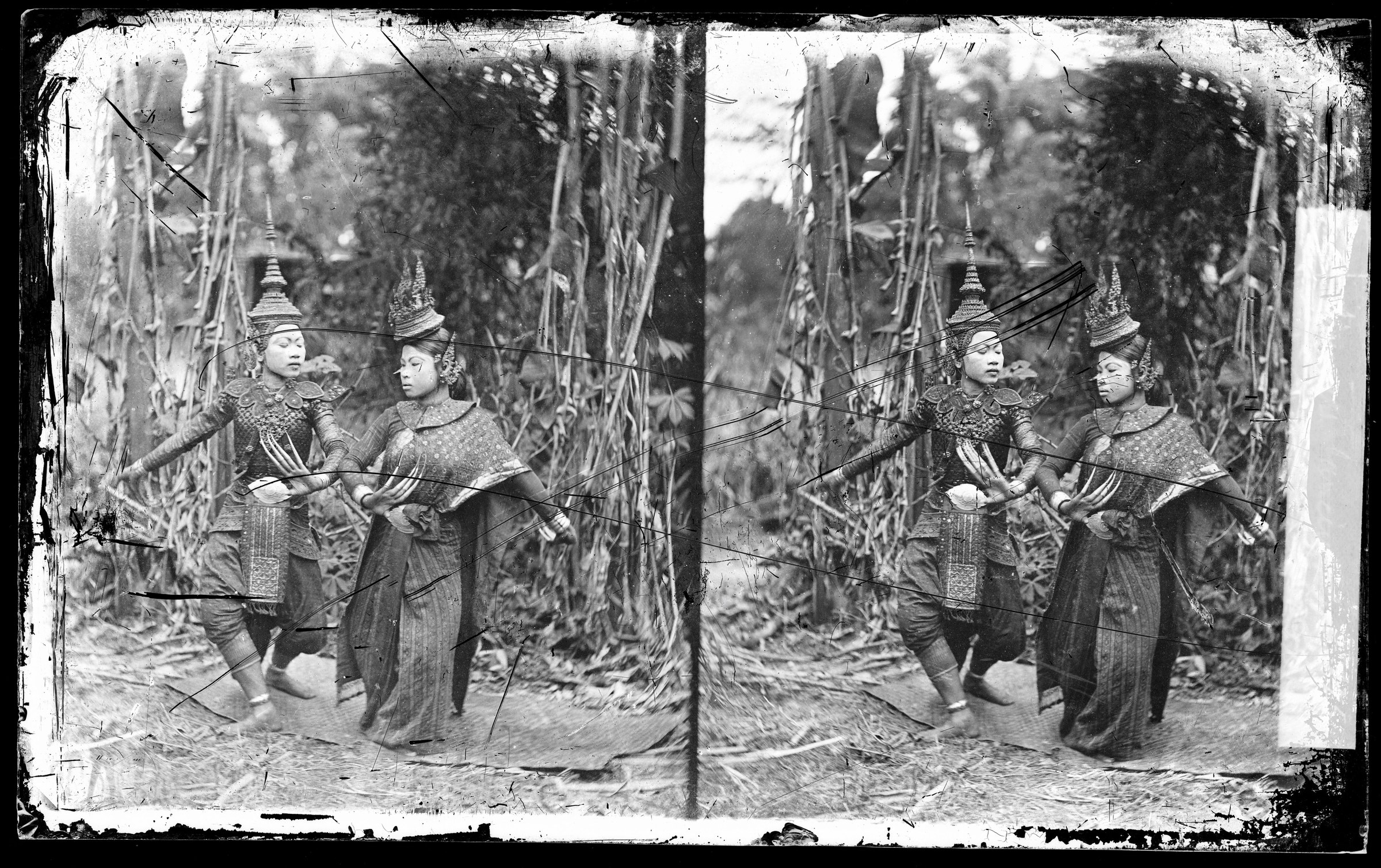
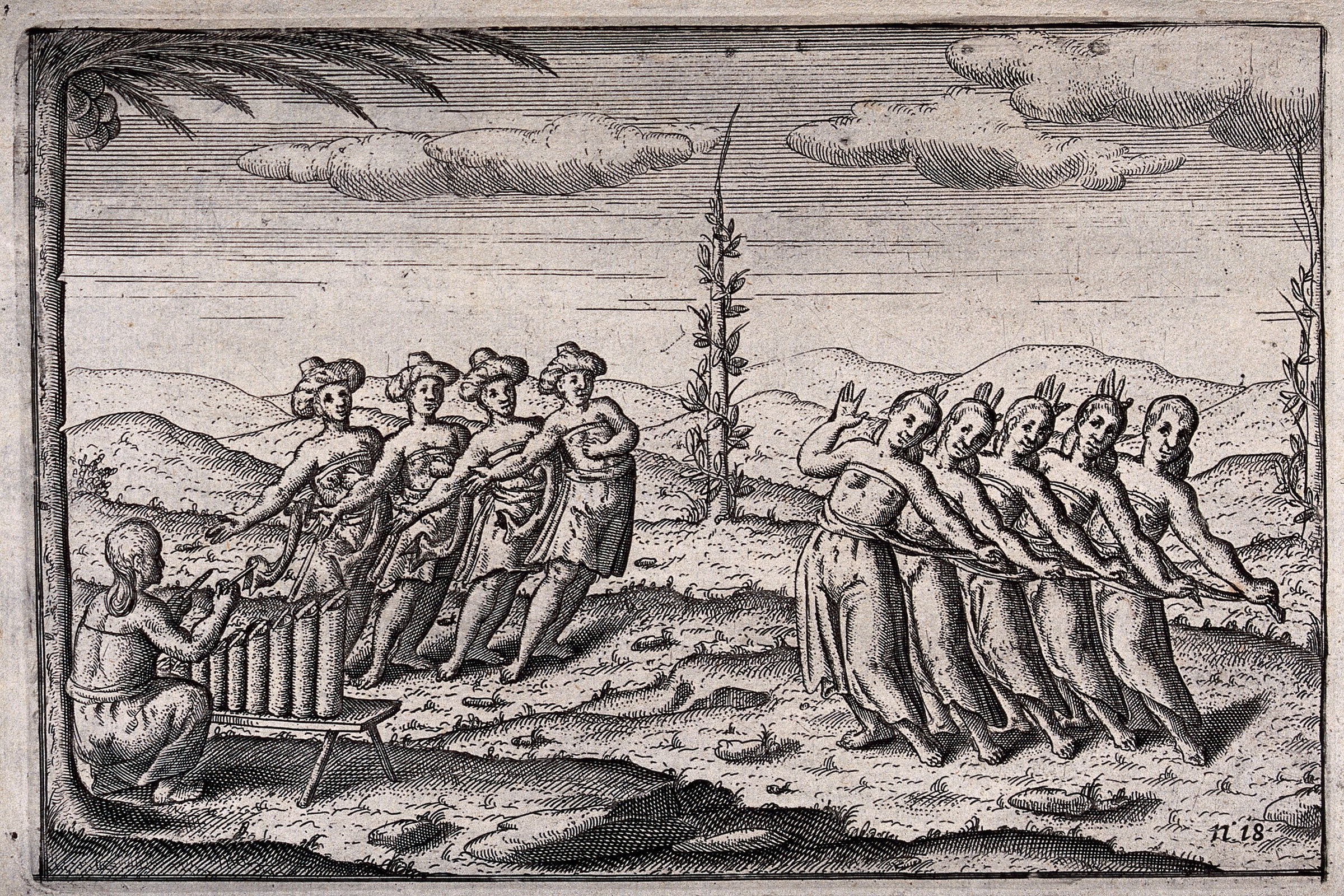
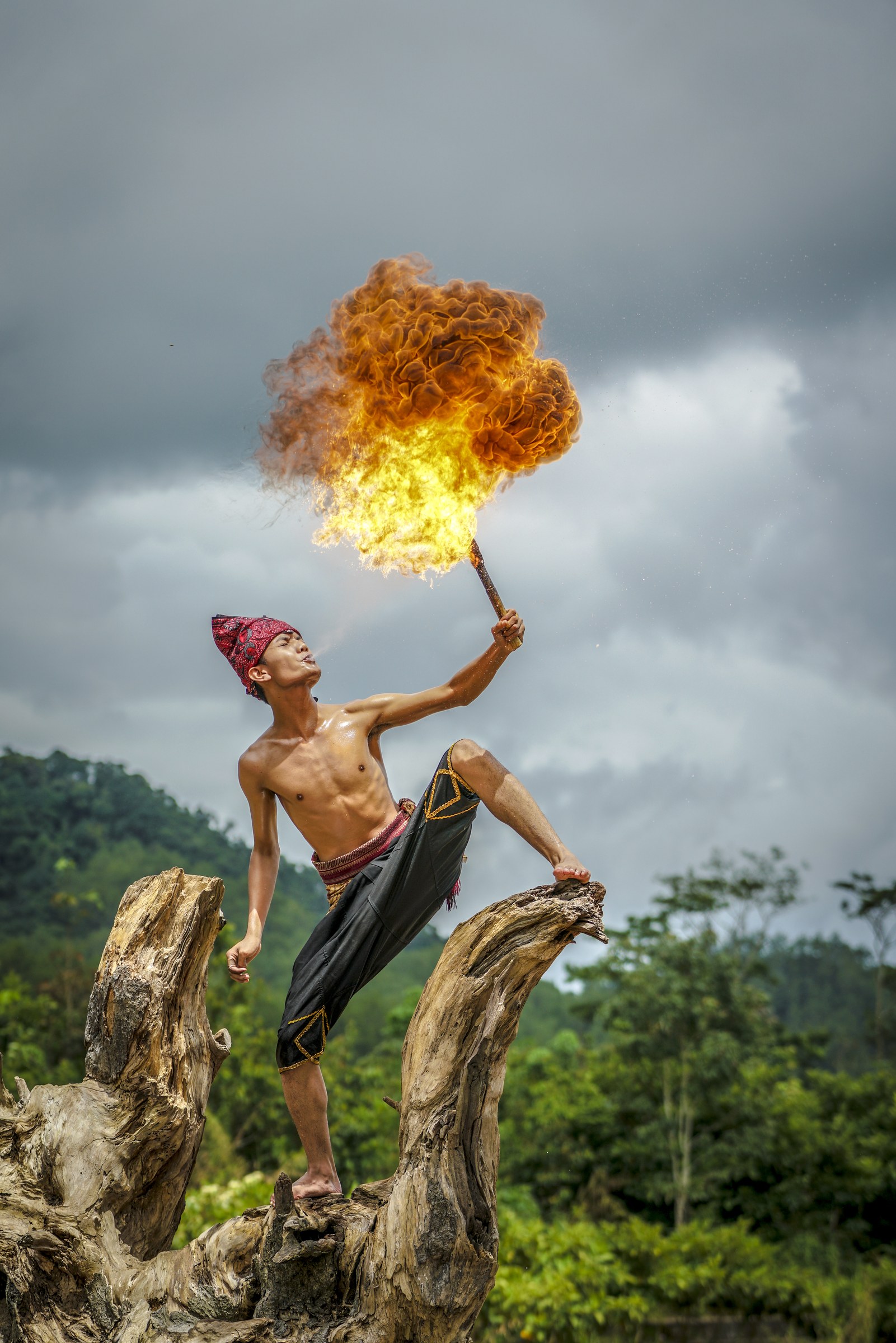
Browse the gallery →Works from the wider Global Southeast Asian Court & Folk tradition — we have not yet identified enough that depict Sanghyang specifically.
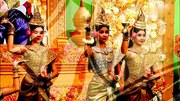
[Pictures] Cambodia Folk Dance | Aspara
cambodia
https://creativecommons.org/licenses/by-sa/4.0/
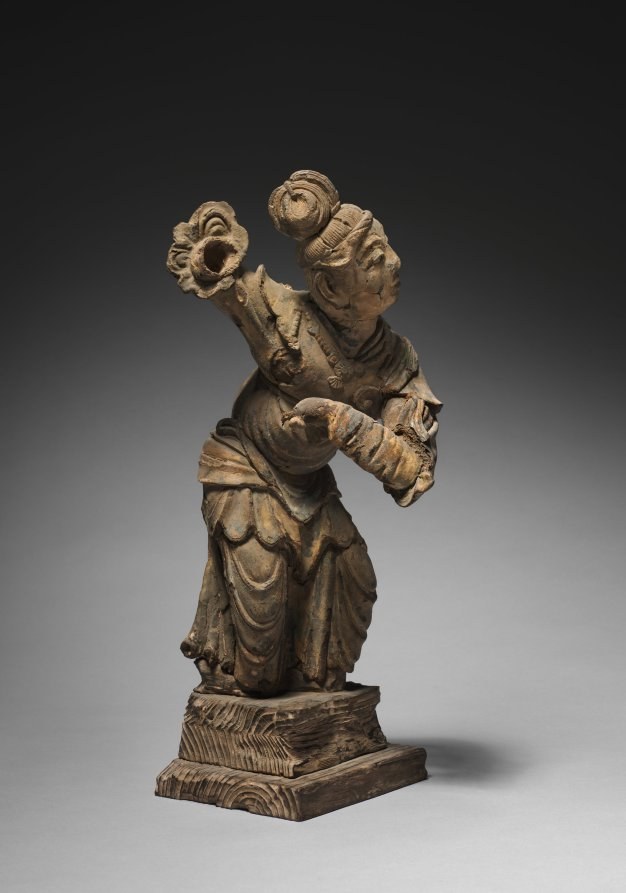
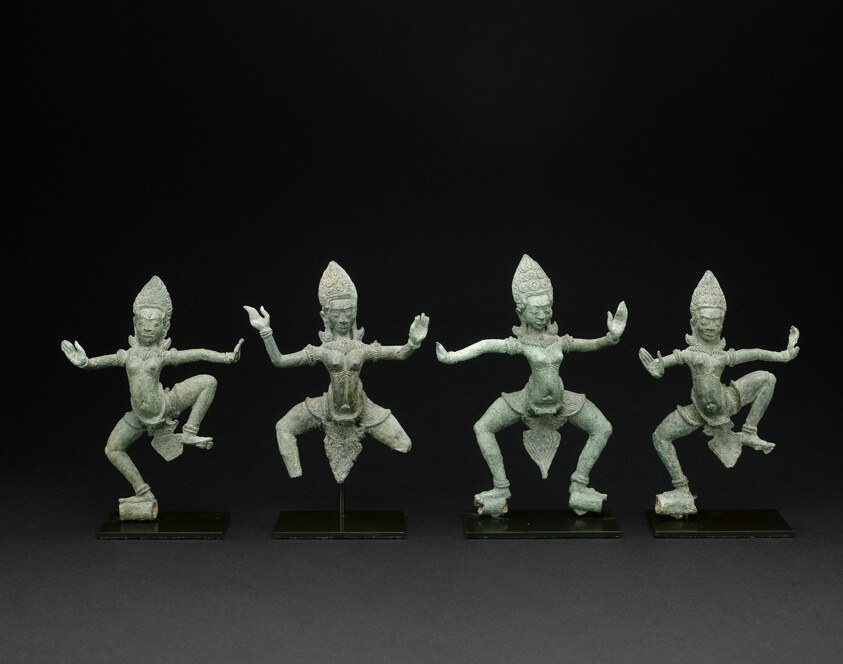
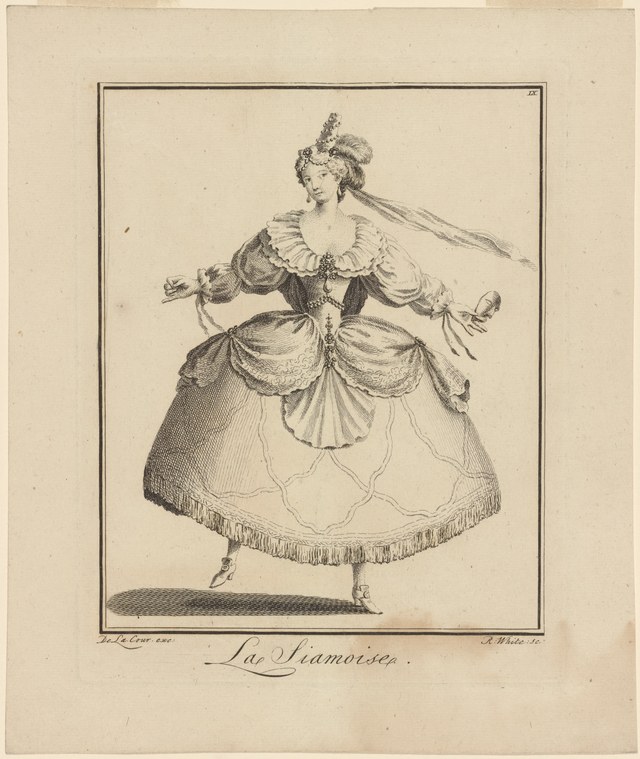
La Siamoise
Unknown artist
Public Domain
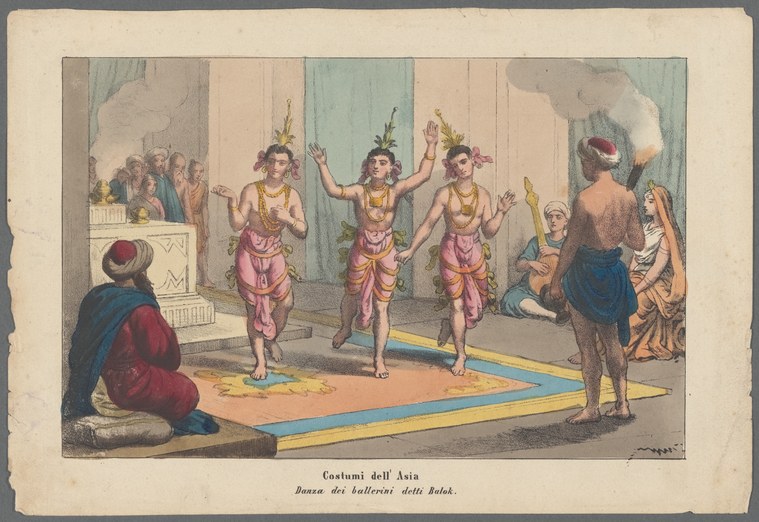
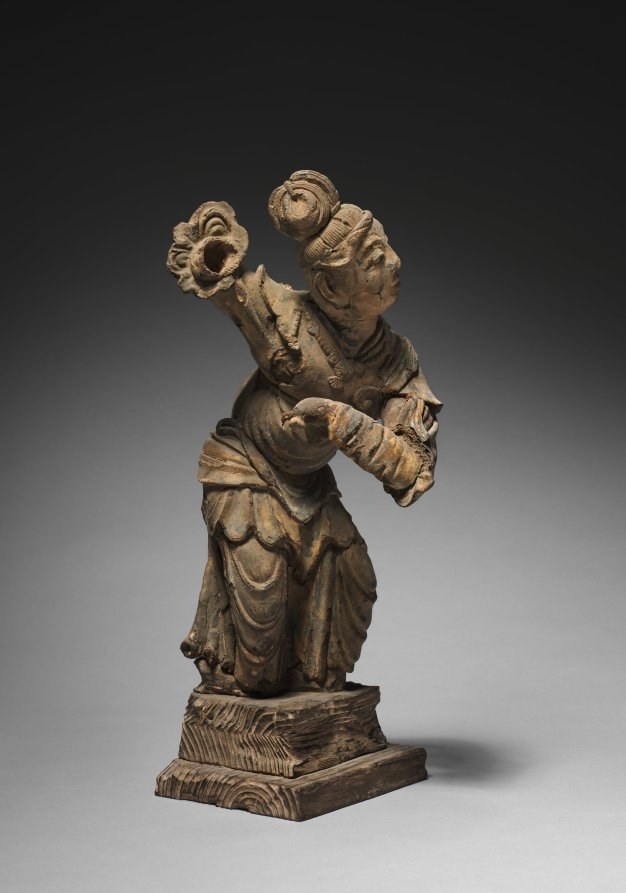
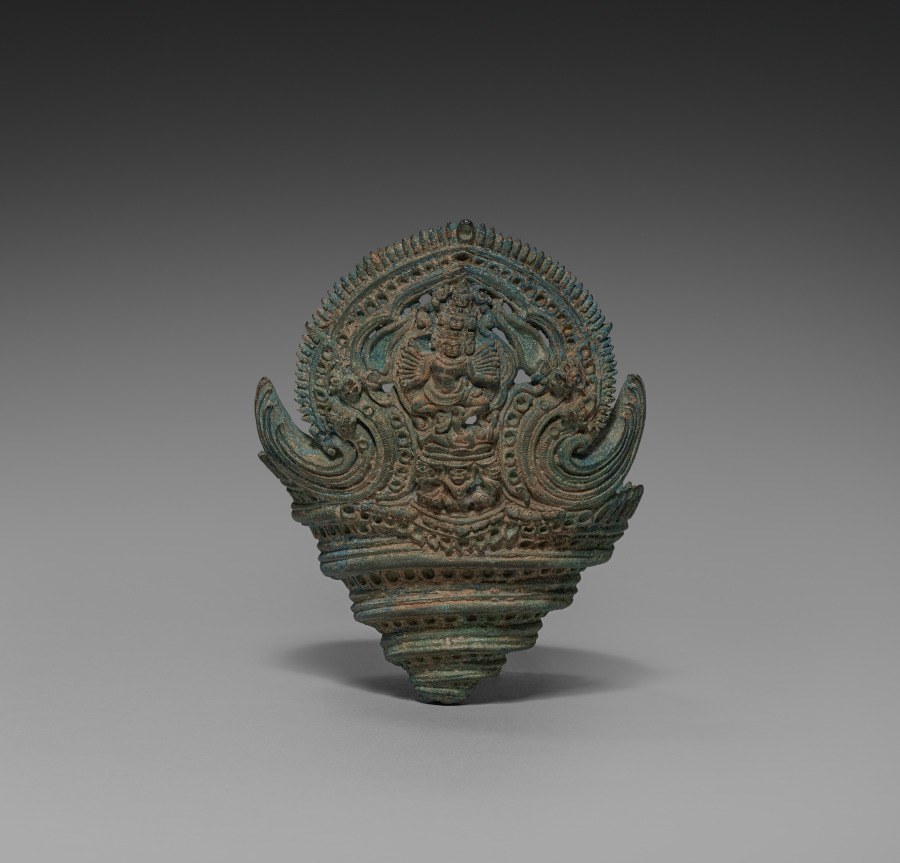
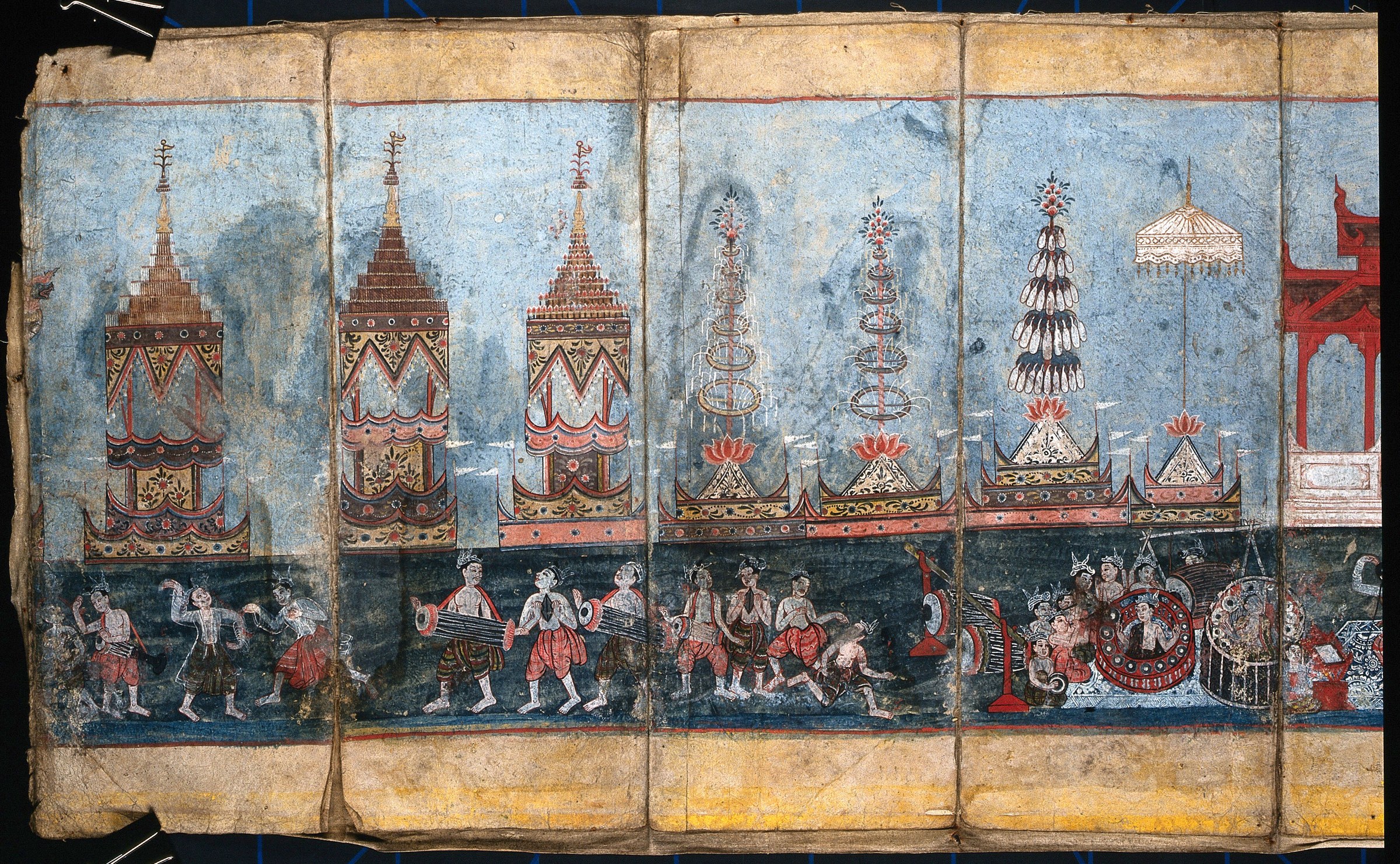
Burma: a sanctuary (?) with towers, temples, musicians and dancers. Gouache painting.
Unknown artist
Public Domain Mark
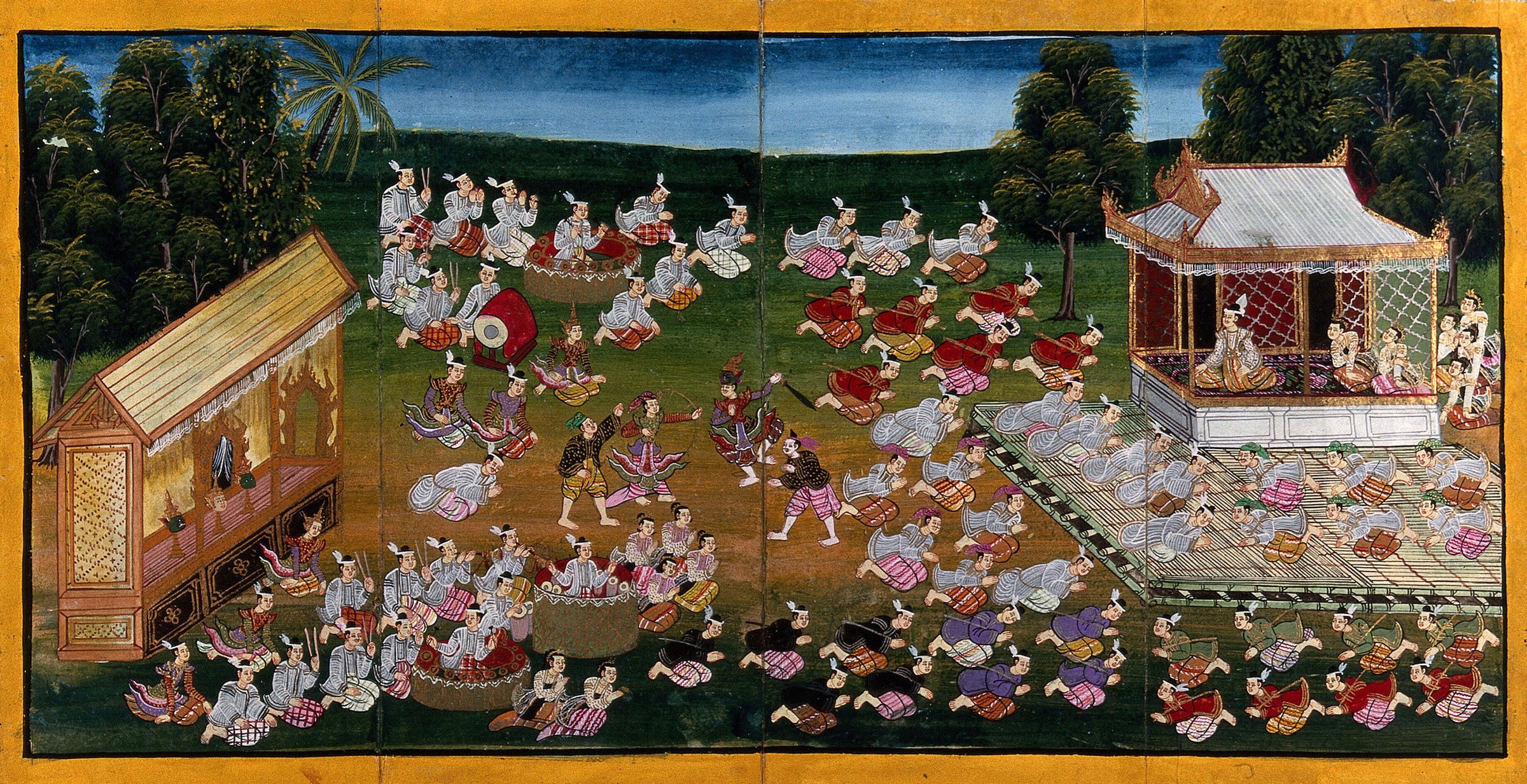
Burma: musicians and dancers perform while courtiers pay homage to a king. Gouache painting.
Unknown artist
Public Domain Mark
Continue Exploring
Lineage of Dance
500 years of dance evolution
Champions of Dance
Winners of marquee national & world titles
Language of Dance
161 dance terms & translations
Listening of Dance
Tempo, timing & musicality tools
Gallery of Dance
5,700+ artworks from museum collections
Attire of Dance
Evolution of dance dress across eras
Keep the thread going
Dance history, technique, and the occasional rabbit hole — in your inbox. Thoughtful, infrequent, unsubscribe anytime.
Free. No spam. One click to leave.