History & Cultural Context
Zapin is a Malay folk dance of Johor and the wider Malay world, rooted in a dance tradition from southern Arabia. Singapore's National Heritage Board writes that "Zapin originated from a dance tradition in the Hadhramaut region in Yemen" [1].
Origins Sources date its arrival differently. The National Heritage Board says it "was introduced to the Malay Archipelago in the 14th century" [1]. Malaysia's National Department for Culture and Arts (JKKN) describes Arab Zapin as "the original form of the zapin dance brought to the Malay Archipelago by Arab traders and missionaries" from Hadramaut "during the 15th and 16th centuries" [2]. JKKN adds that "Initially, this dance was performed as court entertainment and served as a medium for Islamic proselytisation (dakwah)" [2]. Karim and Almurid write that "Zapin dance is a combined action of both Middle Eastern and Malay elements" [4].
Zapin Arab and Zapin Melayu Mohd Anis Md Nor's doctoral study of Johor records two forms: "one is recognized as the Zapin Melayu (Malay Zapin)," and "the other as Zapin Arab (Arab Zapin)" [5]. He writes that "Zapin Melayu originated as a result of cultural adaptation and assimilation with Zapin Arab" [5]. JKKN notes that "Arab Zapin features fast footwork with minimal ornamental movements" [2], while Karim and Almurid observe that "Zapin Melayu shows more subtlety and beauty of motion than Zapin Arab" [4]. Md Nor traces a change of character: "From a participatory and flexible village form," "the dance genre was transformed into a more rigidly stylized form of expression" [5].
The dance "The dance is typically performed in pairs or groups" [2]. JKKN describes Zapin Lenga, from Kampung Lenga in Muar, as "often regarded as the prototypical style that laid the foundation for what is now known as Zapin Melayu Johor" [3]. In that style "the basic structure of Zapin Lenga consists of six primary steps" [3], "interspersed with a transitional movement called Kopak," and "The performance concludes with a movement called Wainab" [3]. Its "footwork, knee bending, and body swaying, demand consistent stamina and control" [3]. In Singapore, "Dance moves in zapin often mimic the movements of animals and the natural world" [1].
Men and women "In the past, zapin dancers were predominantly male" [1]. Zapin Lenga was "performed exclusively by male dancers" at first, but "female dancers have also begun dancing" [3]. "Today, however, it is not uncommon to see both male and female zapin dancers take the stage and perform together" [1].
Music "Typically, zapin performances begin with the taksim, a gambus solo" [1]. "Central to the ensemble, the gambus is a short-necked lute resembling the Arabic oud" [3]. The marwas are "small, double-headed hand drums played in interlocking rhythms," and "The marwas is essential in establishing the dance's tempo and is traditionally played in pairs" [3]. JKKN also lists the rebana frame drum, gendang, violin, harmonium, accordion and gong [3]. Karim and Almurid describe Zapin Johor as a dance in which "the movement is fast" [4], and a practitioner quoted by the National Heritage Board notes that "zapin begins on an even instead of an odd count" [1]. No source consulted gives a tempo band in beats per minute or a time signature, so neither is stated here.
People and institutions JKKN credits the late Wak Rabu (Rabu bin Haron) as founder of Zapin Lenga and names Haji Sukur bin Basir (Wak Sukur) as its master teacher [3]. In Singapore, "Zapin Asyik was the creation of Mdm Liau Ah Choon," "a choreographer engaged by the local Malay arts troupe Sriwana in the 1960s" [1].
The style today "Presently, zapin remains an integral part of the regional Malay performing arts scene, particularly in Johor and Singapore" [1]. "Zapin festivals are organised in cities across the region, such as Johor Bahru, Medan, Tanjung Pinang, Pekanbaru and Jambi" [1]. Md Nor writes that the National Zapin "is today performed not only in Malaysia" "but also in southern Thailand and Singapore" [5], while "The Zapin Melayu, although declining in popularity, is still performed in the villages in Johor" [5].
Uncertainties The arrival date varies by source, from the 14th century [1] to the 15th and 16th centuries [2]. The National Heritage Board names the closing pattern kopak [1], while JKKN names the closing movement wainab and uses kopak for the link between steps [2][3]. None of the sources consulted explains the origin of the word zapin.
Sources [1] National Heritage Board, Singapore, "Zapin," Roots: Intangible Cultural Heritage (ICH-089), 2020, https://www.roots.gov.sg/en/ich-landing/ich/zapin [2] Jabatan Kebudayaan dan Kesenian Negara (JKKN), "Tarian Zapin Arab," Pemetaan Budaya, https://pemetaanbudaya.jkkn.gov.my/en/senibudaya/detail/1036 [3] Jabatan Kebudayaan dan Kesenian Negara (JKKN), "Tarian Zapin Lenga," Pemetaan Budaya, https://pemetaanbudaya.jkkn.gov.my/en/senibudaya/detail/1038 [4] Khairi Asyraf Abdul Karim and Dayang Intan Farahanies Almurid, "Authenticity Traditional Costume of Zapin Symbolize Wealth in The Art of A Culture in Johor," ARTe: Art & Expression, UiTM Perak, November 2022, https://ir.uitm.edu.my/81689/1/81689.pdf [5] Mohd Anis Md Nor, "The Zapin Melayu dance of Johor: From village to a national performance tradition," PhD dissertation, University of Michigan, 1990, https://deepblue.lib.umich.edu/handle/2027.42/128582
Zapin Playlists
Curated collections on the LODance YouTube channel — performances to watch, lessons to learn from, and the right music to practice with. Tap a collection to play.
▶ Performances · Open on YouTube →
Zapin Music & Tempo
Drawn from 23 Zapin tracks in the LODance music library.
Example tracks at practice tempo
- Zapin Aidilfitri — Aishah180 BPM
- Zapin Bernasib — Siti Nurhaliza91 BPM
- Zapin Rindu — Suarasama
- Zapin Budi (feat. Rojer Kajol) — Rojer Kajol Channel
- Zapin Budiman — Muzik Sri Melor
- ZAPIN SAUJANA — Rojer Kajol Channel
What to Wear
Attire guidance for Zapin and other Global Southeast Asian Court & Folk dances. Each card below is sized to the moment — class, practice, social, or competition — because the wardrobe shifts as the stakes do.
Reading the cards
In Class
Comfortable practice wear. Some traditions emphasize bare feet and specific hand positioning that requires unencumbered arms.
Social Dancing
Traditional attire specific to each culture's dance tradition for performances and cultural events.
Competition
Full traditional costume — Thai classical: ornate gold headdress and fitted costume; Balinese: elaborate wrapped fabrics and gold accessories.
Shoes
Traditionally barefoot across most Southeast Asian classical and folk forms. The connection to earth and precise foot placement are integral to the art forms.
In Practice
Most forms practice barefoot from day one — the foot's contact with the floor is part of the technique, not removable equipment.
Price Range
- Budget: Loose practice clothing from existing wardrobe; no shoes needed.
- Mid: Practice-grade traditional pieces $100–400.
- Premium: Full court-tradition costumes (Thai classical, Balinese, Javanese) $1,000–6,000+ depending on goldwork and accessories.
Quick Tips
- •Suede-soled shoes allow controlled sliding and pivoting — essential for most partner dances.
- •Avoid rubber soles on dance floors; they grip too much and can cause knee injuries.
- •Bring a separate pair of clean shoes for the dance floor to keep it in good condition.
Sources & Further Reading
Where This Dance Is Documented
Mohd Anis Md Nor – Zapin: Folk Dance of the Malay World (1993)
An editor's note on where the technique for this dance is actually written down — sometimes a named book, sometimes the fact that no such book exists. A judgment, not a count of what we hold.
Cultural & Historical Context
Zapin emerged from Malaysia (Johor) during the 1550s—present day. Understanding the cultural roots, musical traditions, and social circumstances of this era enriches appreciation for the dance's characteristics and significance.
Primary Source Documents
The Library of Dance contains public-domain primary sources for dance history. Copyrighted modern syllabi are indexed with purchase links to their respective copyright owners. Search by dance name or codifier to discover primary source documents.
Last reviewed: November 2026 — This dance profile synthesizes historical research, cultural documentation, and contemporary practice knowledge to provide authoritative context.
More in Global Southeast Asian Court & Folk
Khon
Masked classical dance-drama based on Ramayana epic; features slow, controlled movements and elaborate costumes.
Legong
Graceful classical dance traditionally performed by young girls, depicting stories from Balinese-Javanese courtly literature such as the Malat; characterized by synchronized hand, eye, and body movements.
Kecak
Balinese "monkey chant": a seated male chorus chants interlocking "cak" rhythms while dancers enact Ramayana episodes.
Pendet
Young women's offering dance performed to purify temples; uses graceful arm movements and temple props.
Topeng
Masked dance-drama form depicting various social characters; combines storytelling with intricate footwork.
Reog
A centuries-old Javanese dance-drama from Ponorogo, East Java, Indonesia, built around the Dadak Merak — a massive mask combining a tiger's (or lion's) head with a towering fan of peacock feathers, balanced by a single performer. Staged at festivities, weddings, and community ceremonies.
Gandrung
Folk dance with swaying movements and flirtation between dancers; performed at celebrations.
Jaipong
Contemporary Javanese dance fusion combining traditional movements with modern music.
Baris
Warrior dance performed by men depicting martial prowess; features sharp, energetic movements.
Sanghyang
Sacred trance dance ritual believed to invoke spirits; performed to protect villages.
Tinikling
Folk dance depicting rice bird movements; performed with two people manipulating bamboo poles.
Singkil
Maranao folk dance of Lake Lanao, Mindanao, performed by stepping in and out of crisscrossed bamboo poles clapped together in syncopated rhythm. It dramatizes an episode of the Darangen epic in which Princess Gandingan crosses an earthquake-stricken forest, gracefully avoiding falling trees represented by the clashing poles.
Maglalatik
Men's folk dance performed with coconut shell armor depicting warrior movements.
Cariñosa
Courtship dance for couples blending Spanish and Filipino movements; performed with fan and handkerchief.
Joget
Social dance for couples combining Portuguese and Malay traditions; performed to lively music.
Robam Tep Apsara
Celestial nymph dance based on Angkor temple carvings; UNESCO Masterpiece of Intangible Heritage (2003).
Ramvong
Social circle dance performed at celebrations; blends traditional and modern movements.
Ramthai
Thai classical court and theatrical dance — khon, lakhon and ram/rabam — built on codified hand gestures and slow, gliding movement, accompanied by the piphat ensemble.
Morlam
Traditional Lao folk performance incorporating song, speech, and dance movements.
Global Southeast Asian Court & Folk in art
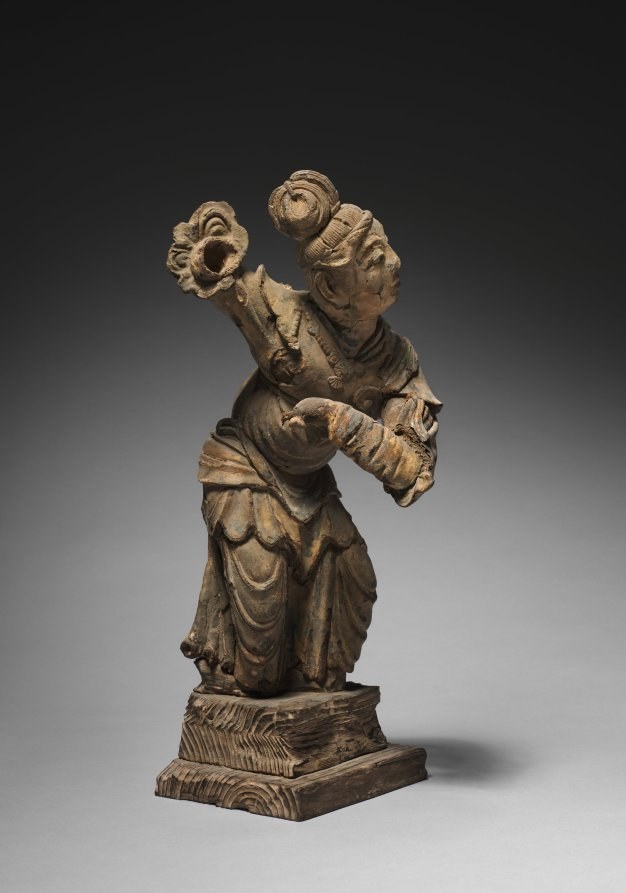
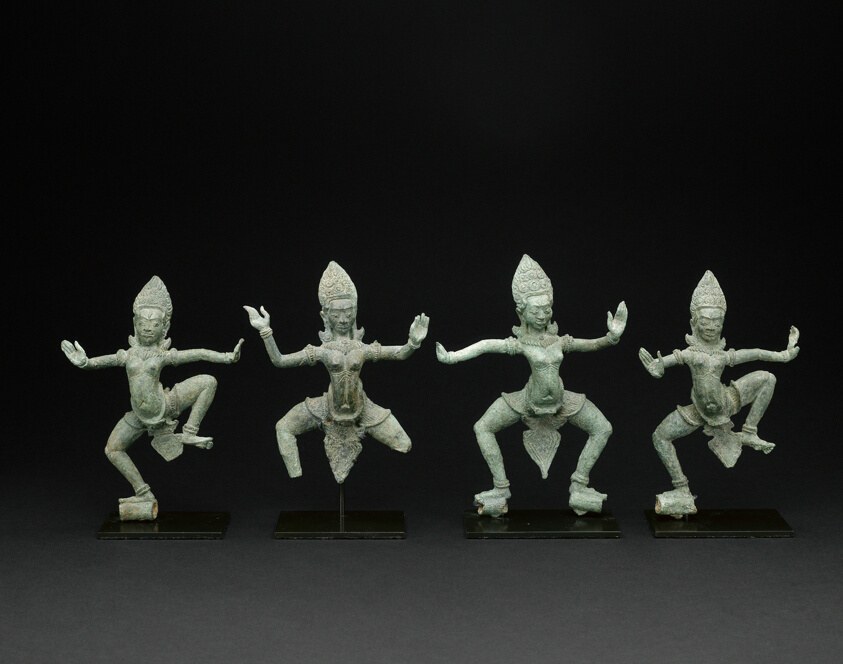
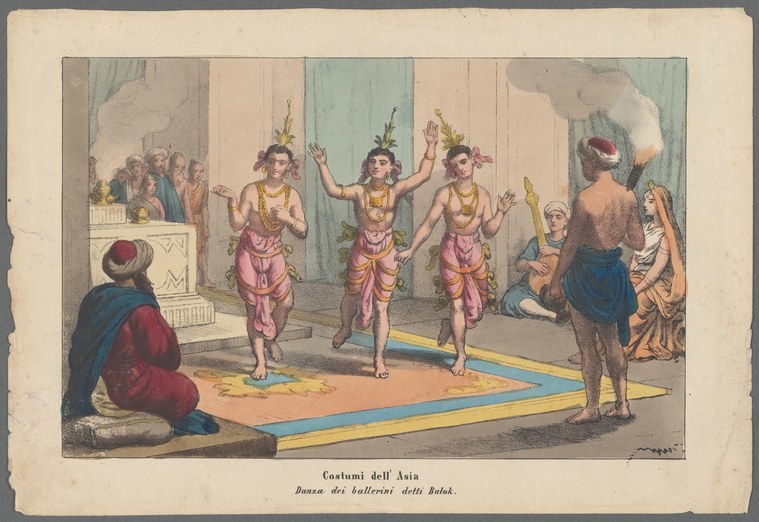
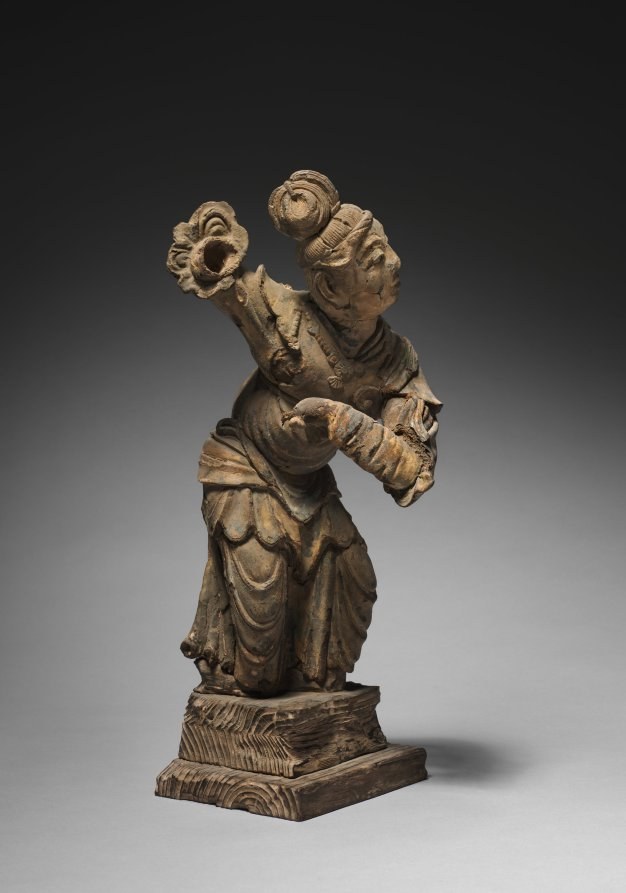
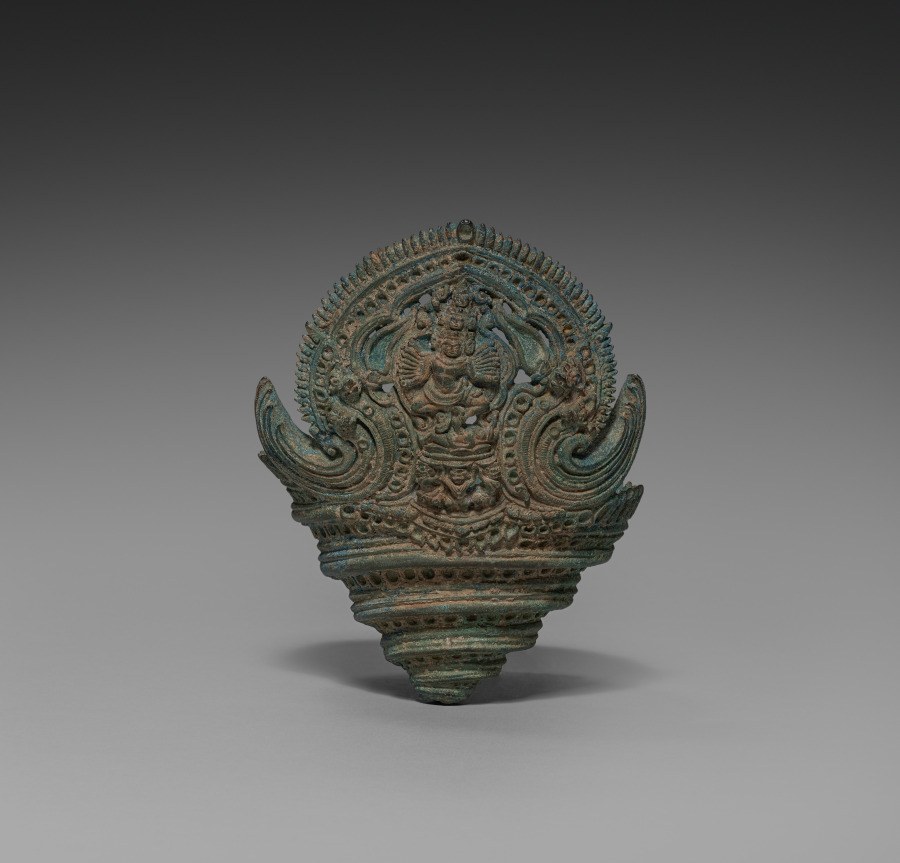
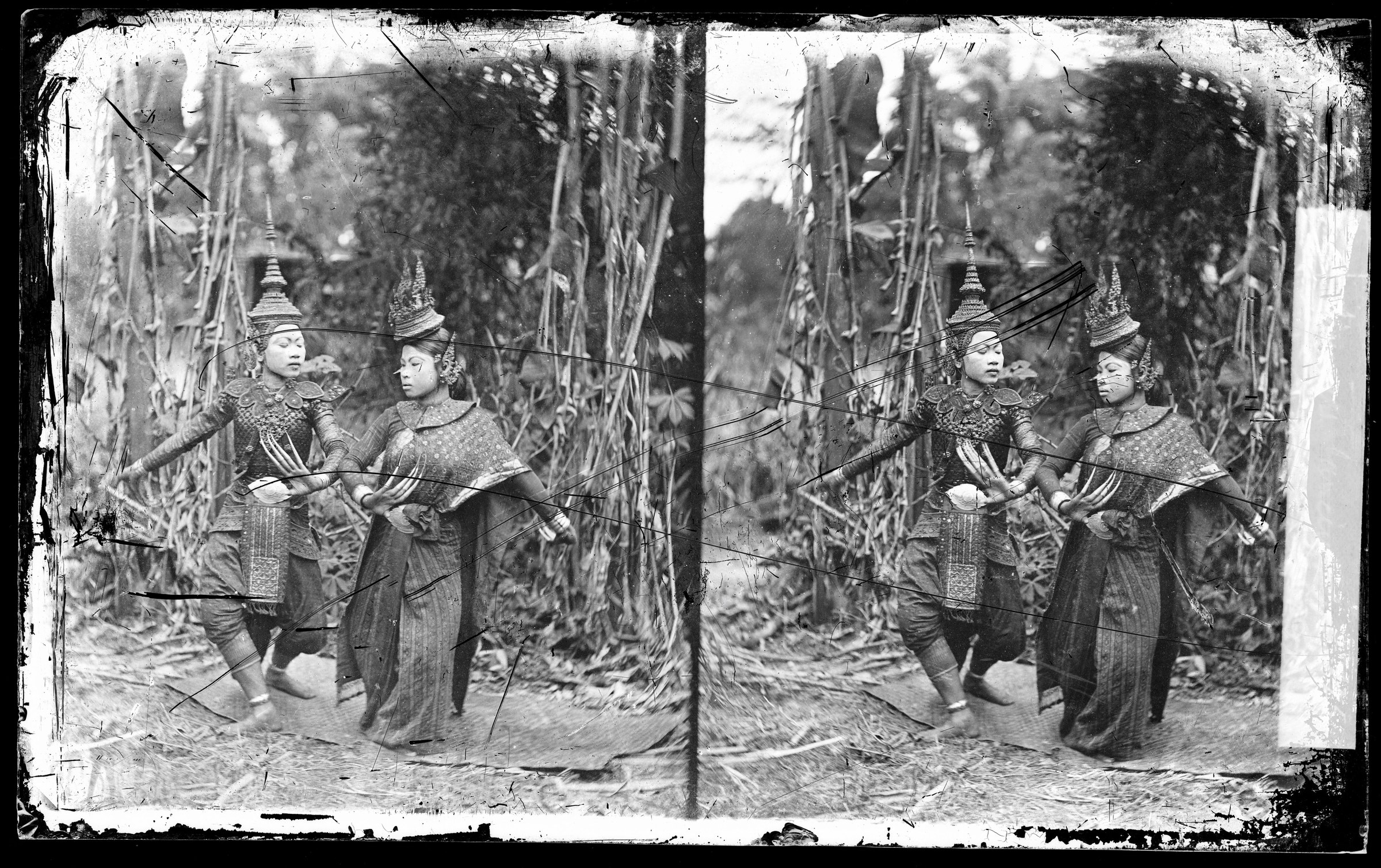
Browse the gallery →Works from the wider Global Southeast Asian Court & Folk tradition — we have not yet identified enough that depict Zapin specifically.
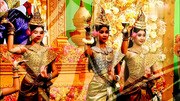
[Pictures] Cambodia Folk Dance | Aspara
cambodia
https://creativecommons.org/licenses/by-sa/4.0/
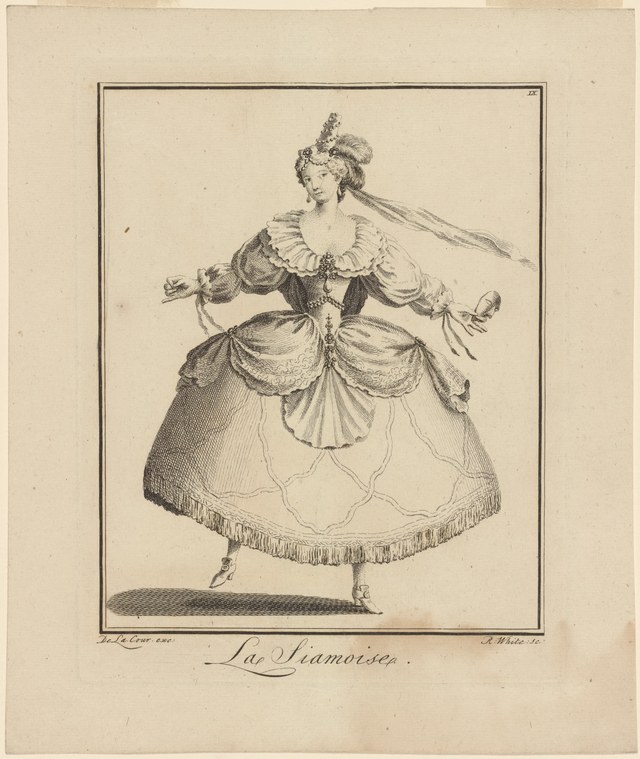
La Siamoise
Unknown artist
Public Domain
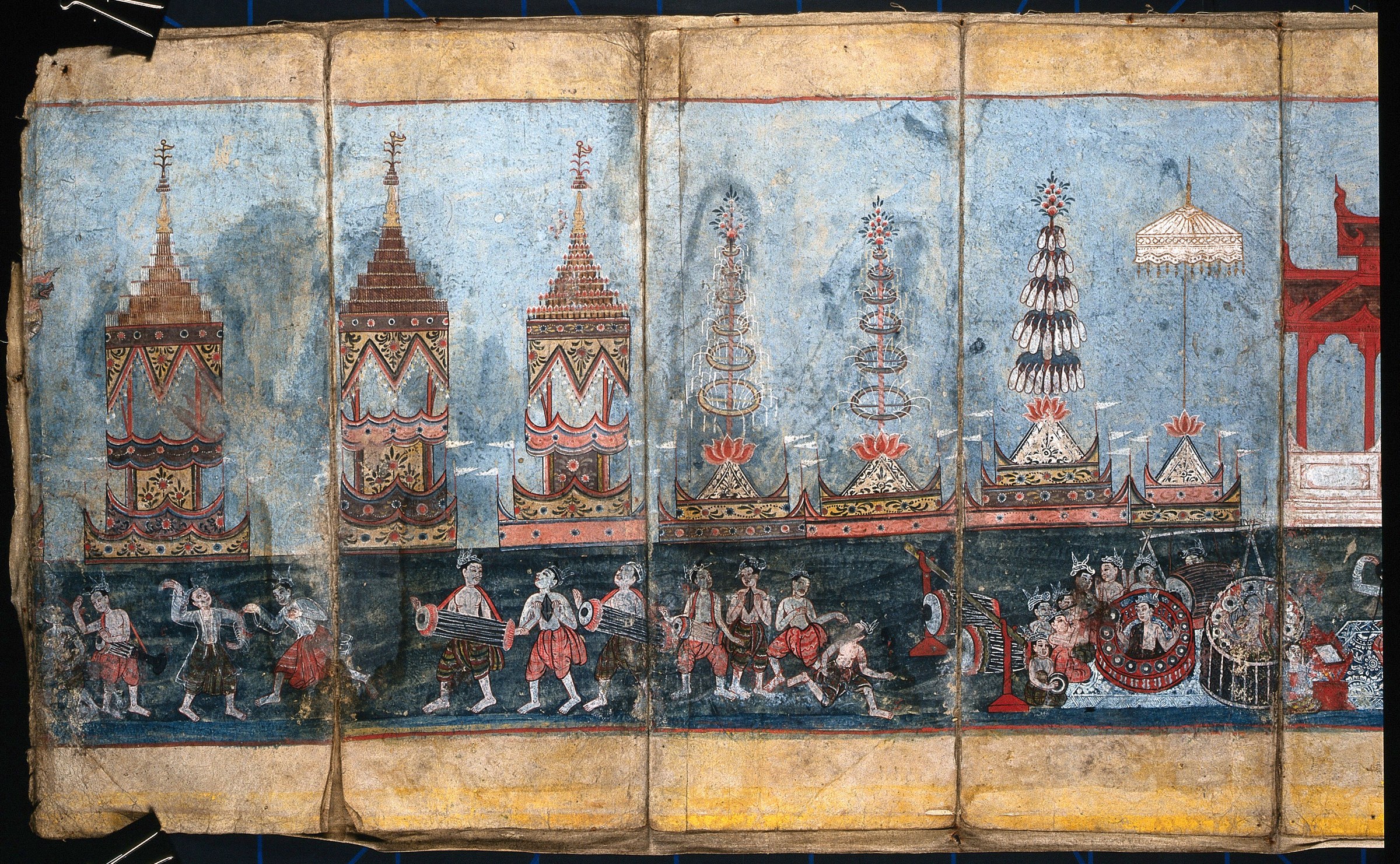
Burma: a sanctuary (?) with towers, temples, musicians and dancers. Gouache painting.
Unknown artist
Public Domain Mark
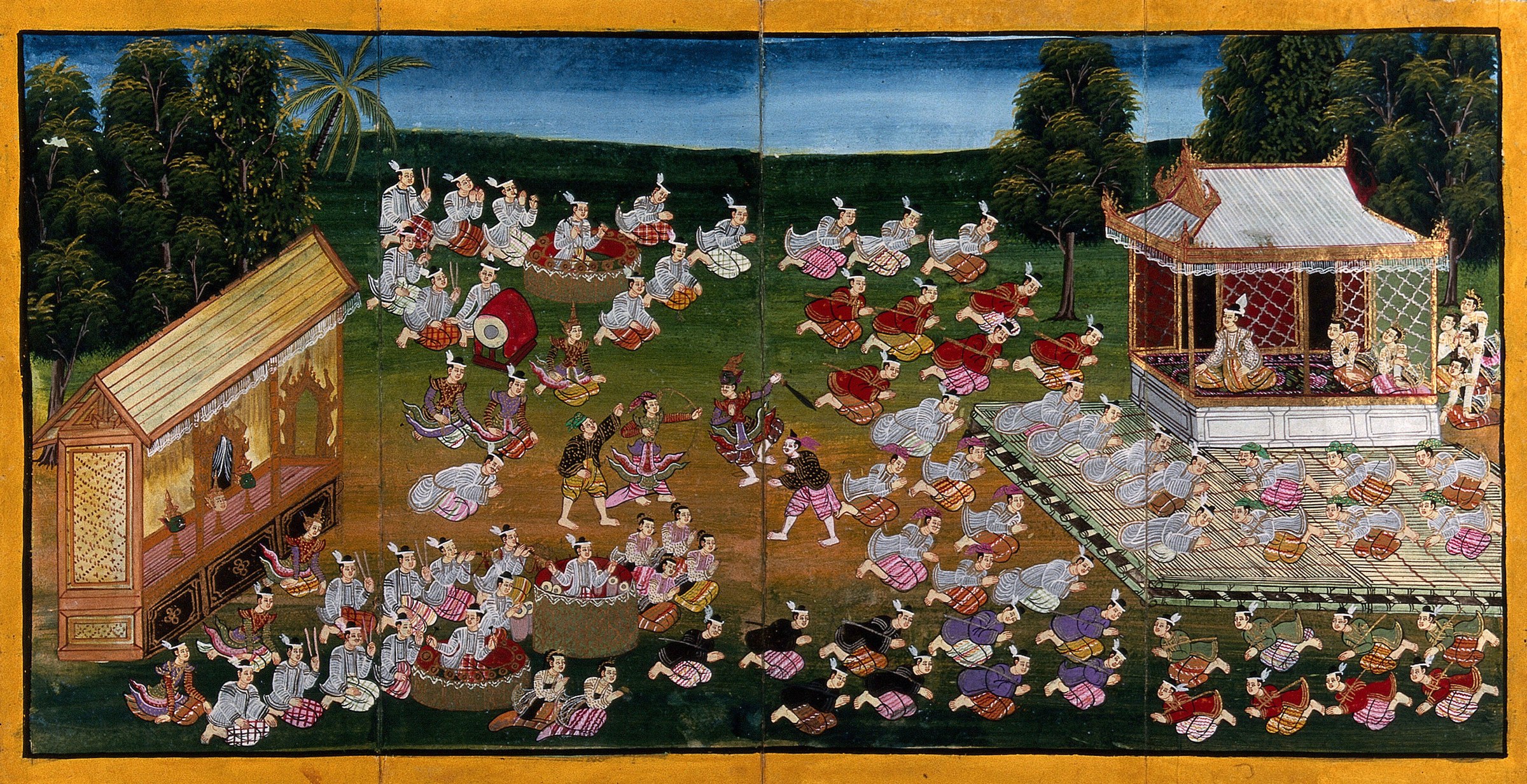
Burma: musicians and dancers perform while courtiers pay homage to a king. Gouache painting.
Unknown artist
Public Domain Mark
Continue Exploring
Lineage of Dance
500 years of dance evolution
Champions of Dance
Winners of marquee national & world titles
Language of Dance
161 dance terms & translations
Listening of Dance
Tempo, timing & musicality tools
Gallery of Dance
5,700+ artworks from museum collections
Attire of Dance
Evolution of dance dress across eras