History & Cultural Context
Topeng is the masked dance-drama of Java and Bali, Indonesia, in which a dancer takes on each character by putting on its carved wooden mask [1][3][5].
Origins National Geographic reports that "the earliest record of mask dances on the island dates back to A.D. 896" in Bali [4]. The present Balinese form is younger: Jukka O. Miettinen writes that "Balinese topeng came about in the seventeenth century" [2], and the Indira Gandhi National Centre for the Arts (IGNCA) says the tradition "seems to go back to the 17th Century," adding that "I Gusti Ngurah Jelantik Tusan is reported to have used masks captured from East Java" [6].
Balinese forms "In the oldest form of Balinese Topeng (Topeng Pajegan), one man portrays all the characters" [6]. Miettinen calls topeng pajegan, "also known as topeng wali," a "monodrama" for a single actor, and writes that "topeng panca, developed from the one-man topeng in the late nineteenth century," uses a group of players [2]. IGNCA notes that "most topeng stories are drawn from the Babad Dalem, or Chronicles of the Kings, as recorded on palm leaf manuscripts" [6]. The Metropolitan Museum of Art describes masked performers who "perform episodes from local history plays (babad)" [3].
Javanese forms "There are several regional styles of Topeng masks in Java and West Java," IGNCA writes, "portraying characters and situations drawn from stories centering around the legendary Javanese Hindu prince Panji" [5]. Cirebon "has a particularly active Panji-cycle tradition, known as Topeng Babakan," with "five major types of characters, or masks, ranging from the refined (alus) Panji to the crude (kasar) Klana" [5]. "Both men and women dance in this tradition (a rare instance in traditional performance of women masking as men)," and performances can last "as long as eight hours" [5]. The dancer holds the mask by "biting onto a leather thong to hold it in place" [5].
The dance Miettinen writes that "In topeng the movement technique derived from gambuh is combined with stylised masks," and that "The acting technique concentrates on virtuoso characterisation": "The noble king is always alert, the old man shakes and shudders absent-mindedly" [2]. The Met contrasts forceful (keras) characters with "the refined and cultured characters (halus)" [3]. "A topeng performance begins with a series of from two to four introductory dances," and the story is "introduced, framed, and commented upon by servant characters (Penasar)" [6]. In National Geographic's account, "the characters never change: Their appearance, movements, roles, and even the order in which they emerge remain the same" [4].
Music Topeng is danced to gamelan. Miettinen describes how "the dancer sets his mask basket in front of the gamelan, from where he chooses and dons the appropriate masks" [2], and National Geographic photographed a Topeng drama "accompanied by gamelan music" at a new moon ceremony near Ubud [4]. No source consulted gives a tempo band, so none is stated here.
Ritual and occasions "Topeng pajegan is commonly presented at temple anniversaries (odalan)" and ends "with a public offering prepared during the performance by a Priest" [6]. The Sidha Karya mask "is actually the most sacred of all topeng masks" [2]. The group forms, Topeng Panca and Prembon, "are considered less sacred and do not involve the appearance of Sidha Karya" [6]. Miettinen notes that the one-man topeng "is still performed in various rituals, such as the filing of teeth, weddings, and funerals" [2]. In Cirebon, Topeng Babakan is "held most frequently at circumcisions, weddings, and funery ceremonies" [5].
The masks "Topeng masks are carved from the relatively soft but durable wood of the Puleh tree (alstonia scholaris)," and "There is no standard set of masks for Topeng" [6]. The Met notes that "Such masks were carved by the most esteemed Balinese sculptors of their generation" [3].
Uncertainties The A.D. 896 record concerns mask dancing in general, not topeng as now performed [4]; the sources consulted date the present Balinese form to the 17th century [2][6]. National Geographic notes that "Most of the dances that tourists watch... are not the sacred ones" [4].
Sources [1] Encyclopaedia Britannica, "Javanese mask (tupeng)," https://www.britannica.com/art/tupeng [2] Jukka O. Miettinen, "Wayang Wong and Topeng, Forms of Mask Theatre," Asian Traditional Theatre and Dance, Theatre Academy, University of the Arts Helsinki, 2018, https://disco.teak.fi/asia/wayang-wong-and-topeng-forms-of-mask-theatre/ [3] The Metropolitan Museum of Art, "Wayang topeng mask of a martial ruler," Bali, 19th-early 20th century, 2022.265, https://www.metmuseum.org/art/collection/search/861030 [4] Narina Exelby, "Bali's elaborate masks offer a connection to the gods," National Geographic, March 15, 2023, https://www.nationalgeographic.com/travel/article/bali-masks-ubud-crafts-hinduism [5] Indira Gandhi National Centre for the Arts, "Topeng Babakan Masks," Man and Mask, https://ignca.gov.in/man-and-mask/masks/masks_detail/group/Topeng%20Babakan%20Masks.html [6] Indira Gandhi National Centre for the Arts, "Balinese Topeng Masks," Man and Mask, https://ignca.gov.in/man-and-mask/masks/masks_detail/group/Balinese%20Topeng%20Masks.html
Topeng Playlists
Curated collections on the LODance YouTube channel — performances to watch, lessons to learn from, and the right music to practice with. Tap a collection to play.
▶ Performances · Open on YouTube →
Topeng Music & Tempo
Drawn from 25 Topeng tracks in the LODance music library.
Example tracks at practice tempo
- Topeng Tua (Live) — Bali Gamelan Sound
- Topeng Tua — Gong Gunung Sari
- Topeng Penasar — Bali Gamelan Sound
- Angklung Topeng Tua - Live — Bali Gamelan Sound
- Tari Topeng Tua Werda Lumaku — Bali Gamelan Sound
- Topeng Penasar (Live) — Bali Gamelan Sound
What to Wear
Attire guidance for Topeng and other Global Southeast Asian Court & Folk dances. Each card below is sized to the moment — class, practice, social, or competition — because the wardrobe shifts as the stakes do.
Reading the cards
In Class
Comfortable practice wear. Some traditions emphasize bare feet and specific hand positioning that requires unencumbered arms.
Social Dancing
Traditional attire specific to each culture's dance tradition for performances and cultural events.
Competition
Full traditional costume — Thai classical: ornate gold headdress and fitted costume; Balinese: elaborate wrapped fabrics and gold accessories.
Shoes
Traditionally barefoot across most Southeast Asian classical and folk forms. The connection to earth and precise foot placement are integral to the art forms.
In Practice
Most forms practice barefoot from day one — the foot's contact with the floor is part of the technique, not removable equipment.
Price Range
- Budget: Loose practice clothing from existing wardrobe; no shoes needed.
- Mid: Practice-grade traditional pieces $100–400.
- Premium: Full court-tradition costumes (Thai classical, Balinese, Javanese) $1,000–6,000+ depending on goldwork and accessories.
Quick Tips
- •Suede-soled shoes allow controlled sliding and pivoting — essential for most partner dances.
- •Avoid rubber soles on dance floors; they grip too much and can cause knee injuries.
- •Bring a separate pair of clean shoes for the dance floor to keep it in good condition.
Sources & Further Reading
Cultural & Historical Context
Topeng emerged from Indonesia (Bali). Understanding the cultural roots, musical traditions, and social circumstances of this era enriches appreciation for the dance's characteristics and significance.
Primary Source Documents
The Library of Dance contains public-domain primary sources for dance history. Copyrighted modern syllabi are indexed with purchase links to their respective copyright owners. Search by dance name or codifier to discover primary source documents.
Last reviewed: November 2026 — This dance profile synthesizes historical research, cultural documentation, and contemporary practice knowledge to provide authoritative context.
More in Global Southeast Asian Court & Folk
Khon
Masked classical dance-drama based on Ramayana epic; features slow, controlled movements and elaborate costumes.
Legong
Graceful classical dance traditionally performed by young girls, depicting stories from Balinese-Javanese courtly literature such as the Malat; characterized by synchronized hand, eye, and body movements.
Kecak
Balinese "monkey chant": a seated male chorus chants interlocking "cak" rhythms while dancers enact Ramayana episodes.
Pendet
Young women's offering dance performed to purify temples; uses graceful arm movements and temple props.
Reog
A centuries-old Javanese dance-drama from Ponorogo, East Java, Indonesia, built around the Dadak Merak — a massive mask combining a tiger's (or lion's) head with a towering fan of peacock feathers, balanced by a single performer. Staged at festivities, weddings, and community ceremonies.
Gandrung
Folk dance with swaying movements and flirtation between dancers; performed at celebrations.
Jaipong
Contemporary Javanese dance fusion combining traditional movements with modern music.
Baris
Warrior dance performed by men depicting martial prowess; features sharp, energetic movements.
Sanghyang
Sacred trance dance ritual believed to invoke spirits; performed to protect villages.
Tinikling
Folk dance depicting rice bird movements; performed with two people manipulating bamboo poles.
Singkil
Maranao folk dance of Lake Lanao, Mindanao, performed by stepping in and out of crisscrossed bamboo poles clapped together in syncopated rhythm. It dramatizes an episode of the Darangen epic in which Princess Gandingan crosses an earthquake-stricken forest, gracefully avoiding falling trees represented by the clashing poles.
Maglalatik
Men's folk dance performed with coconut shell armor depicting warrior movements.
Cariñosa
Courtship dance for couples blending Spanish and Filipino movements; performed with fan and handkerchief.
Zapin
Folk dance with Arab influences performed in pairs with hip and leg movements.
Joget
Social dance for couples combining Portuguese and Malay traditions; performed to lively music.
Robam Tep Apsara
Celestial nymph dance based on Angkor temple carvings; UNESCO Masterpiece of Intangible Heritage (2003).
Ramvong
Social circle dance performed at celebrations; blends traditional and modern movements.
Ramthai
Thai classical court and theatrical dance — khon, lakhon and ram/rabam — built on codified hand gestures and slow, gliding movement, accompanied by the piphat ensemble.
Morlam
Traditional Lao folk performance incorporating song, speech, and dance movements.
Global Southeast Asian Court & Folk in art
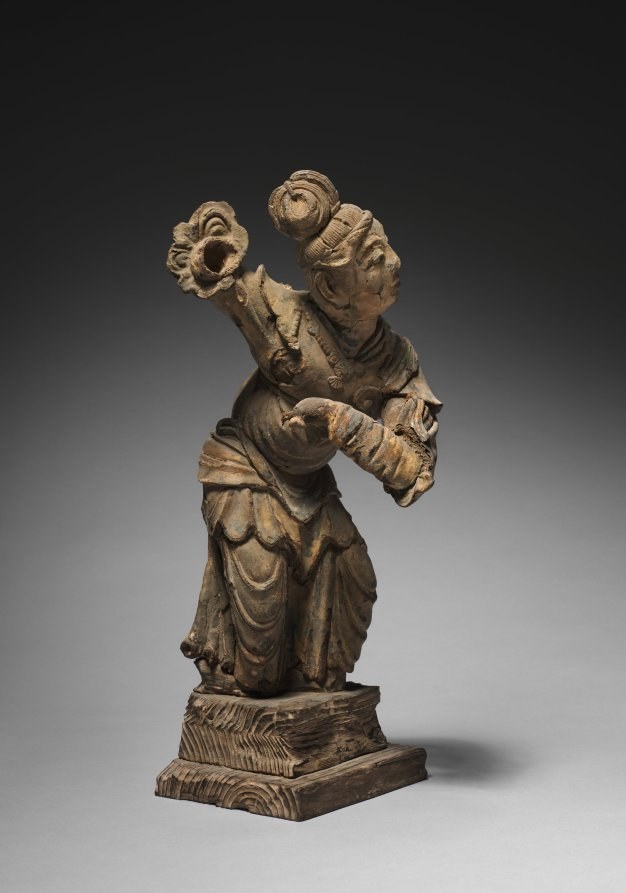
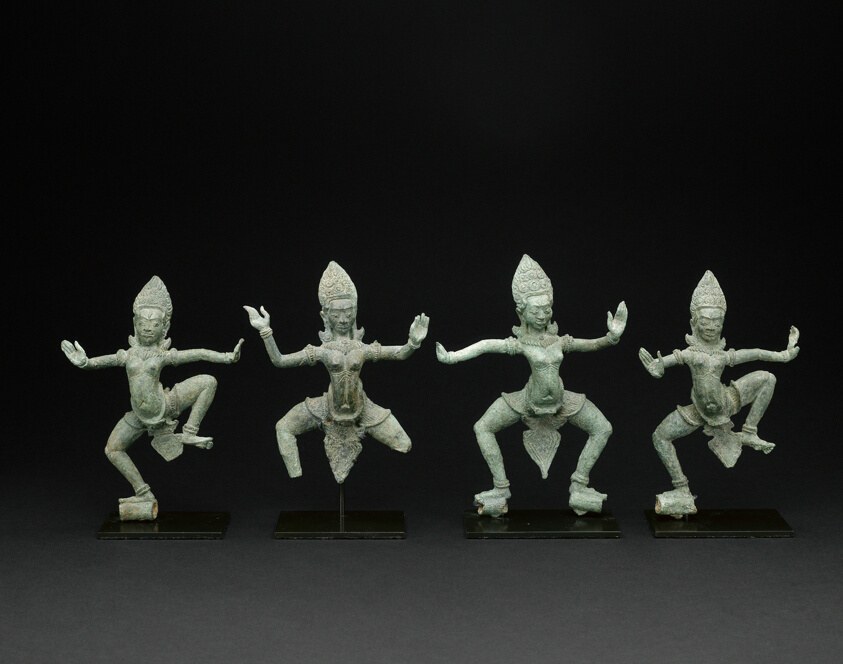
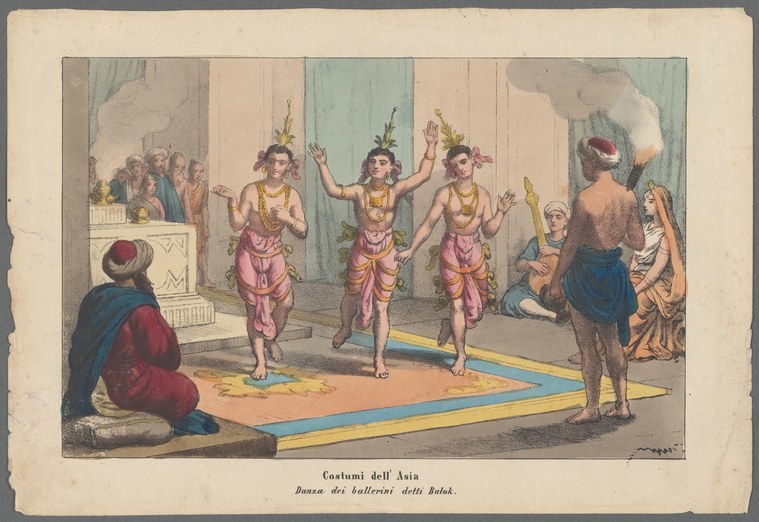
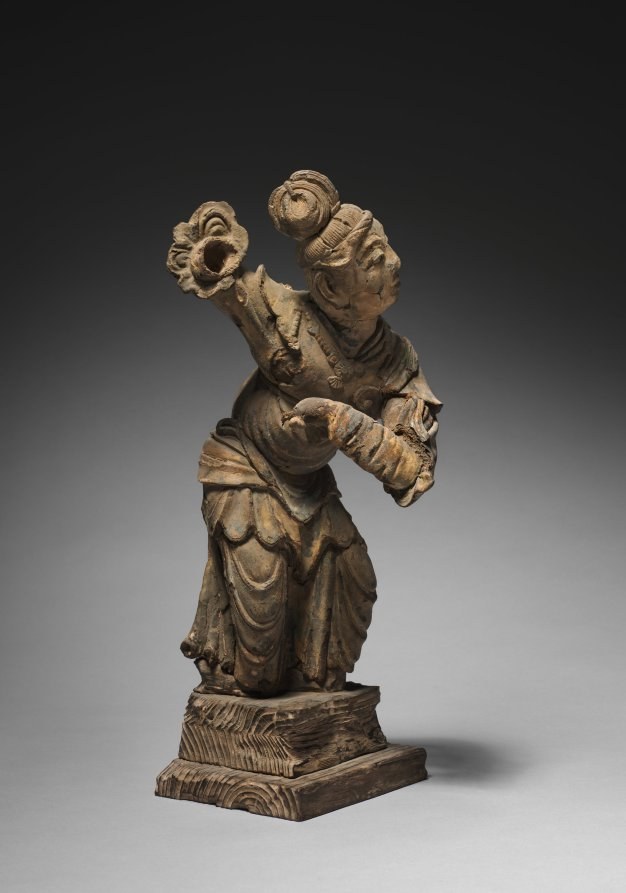
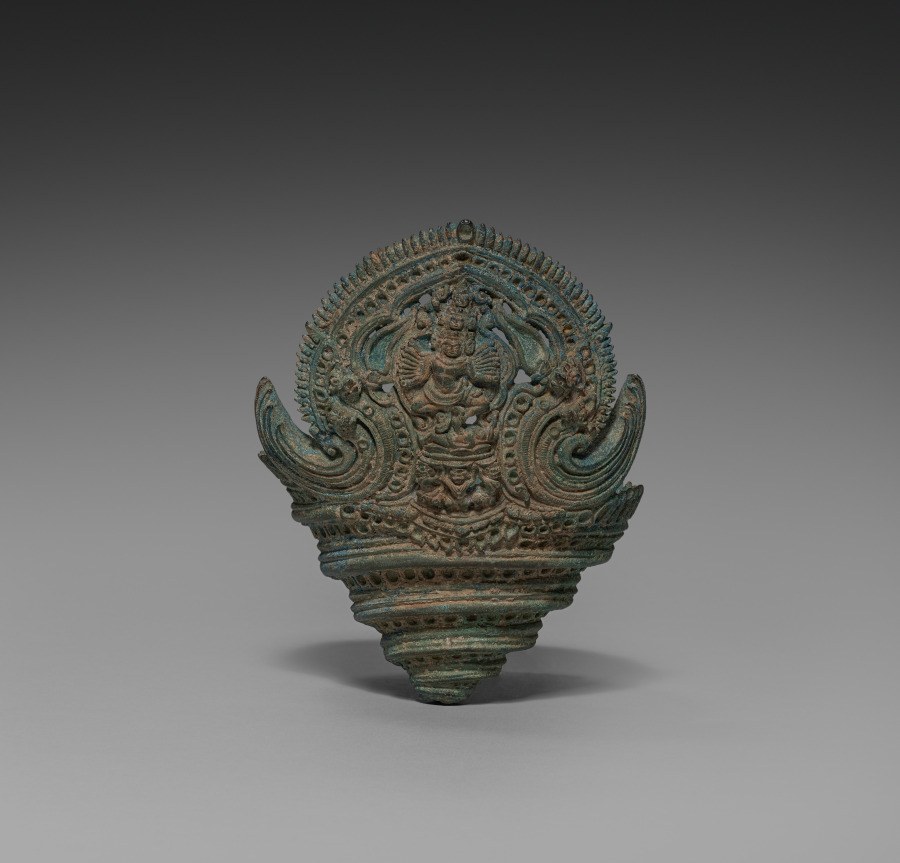
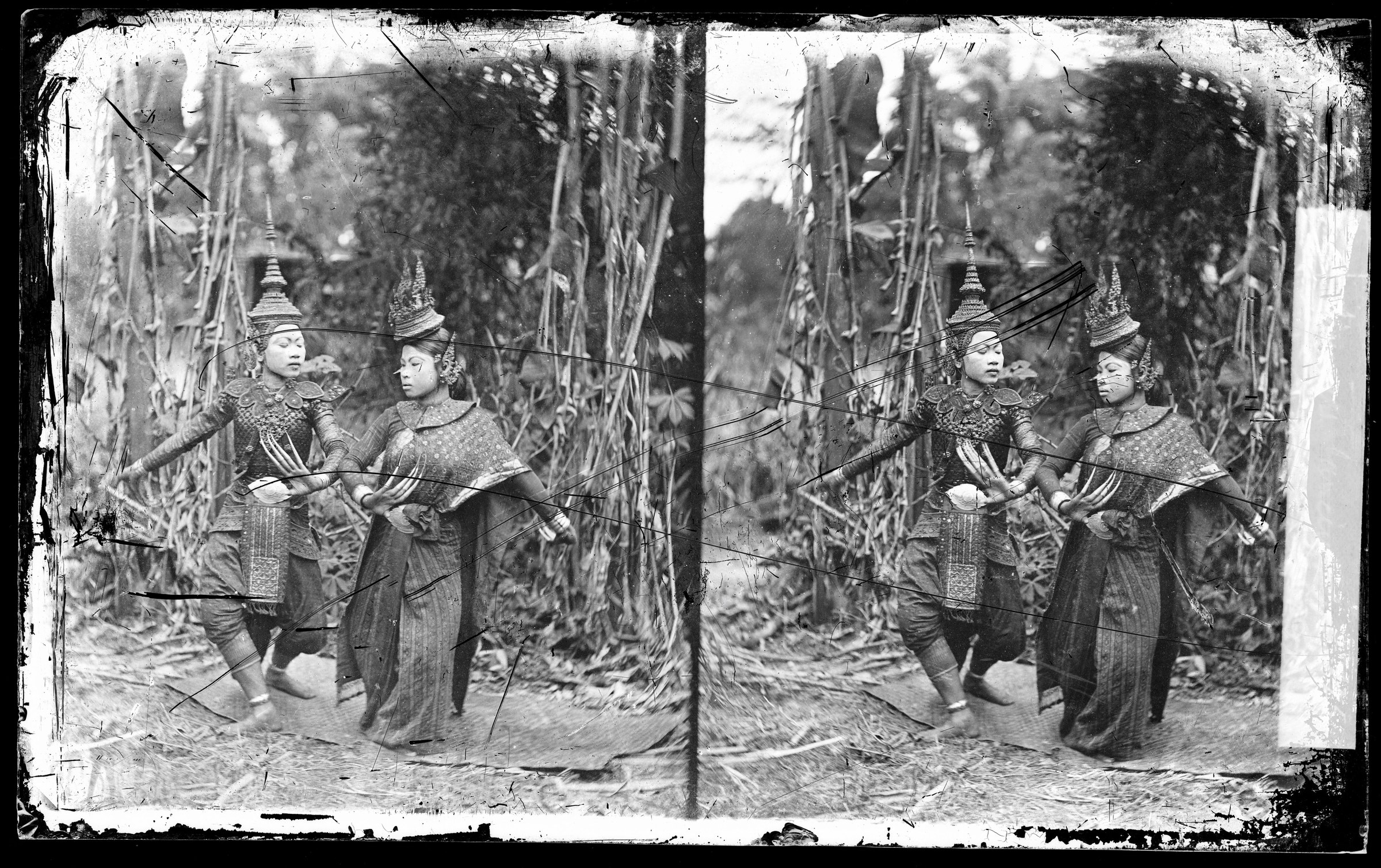
Browse the gallery →Works from the wider Global Southeast Asian Court & Folk tradition — we have not yet identified enough that depict Topeng specifically.
[Pictures] Cambodia Folk Dance | Aspara
cambodia
https://creativecommons.org/licenses/by-sa/4.0/
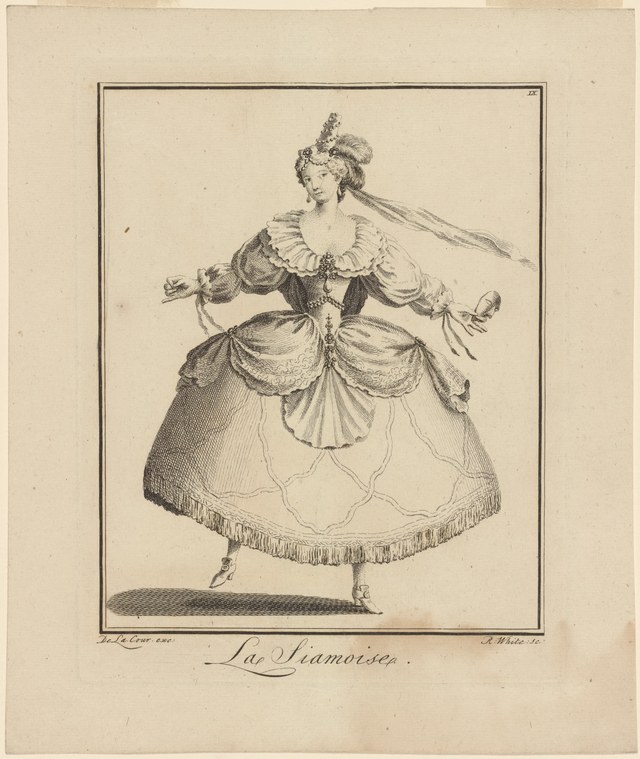
La Siamoise
Unknown artist
Public Domain
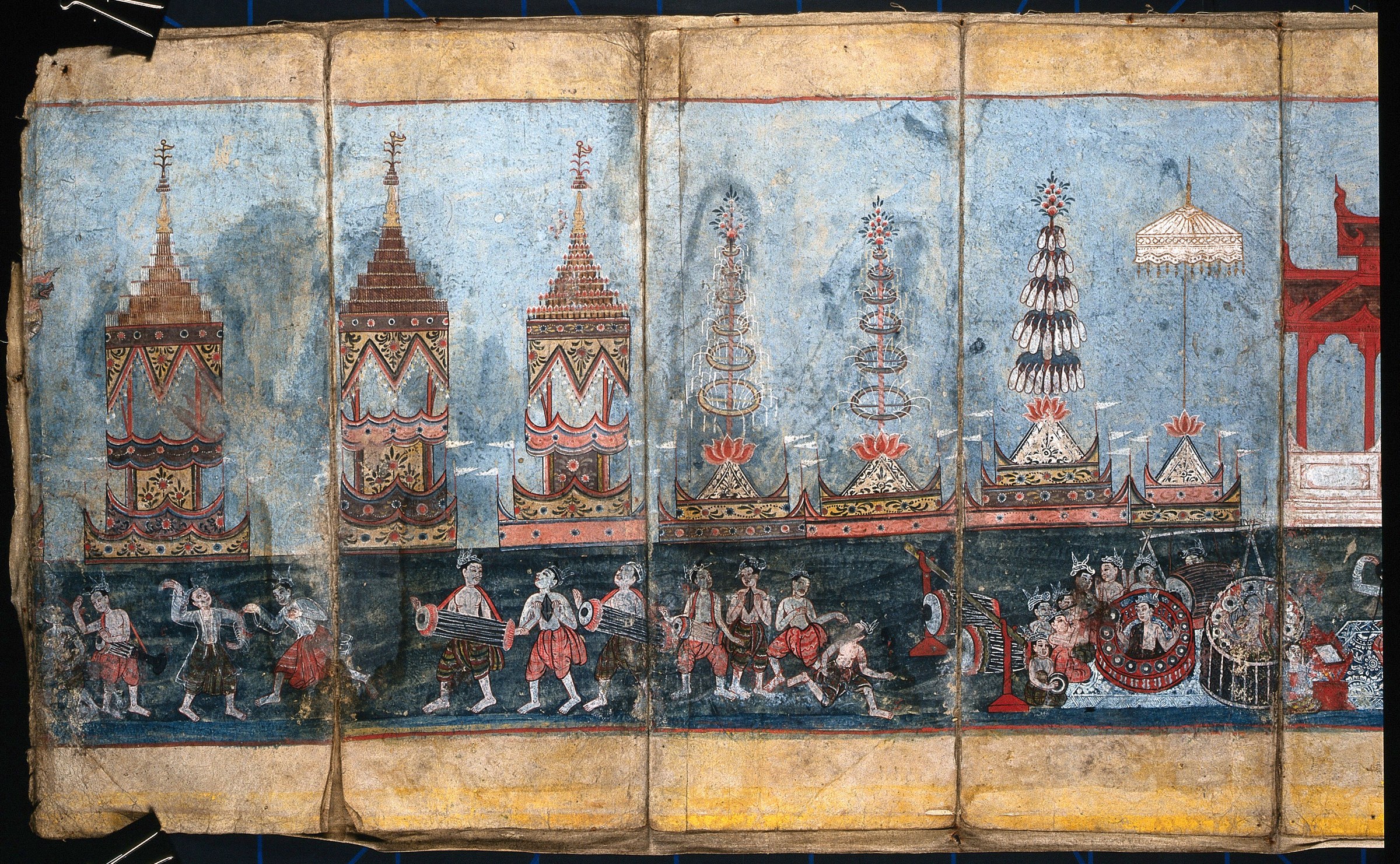
Burma: a sanctuary (?) with towers, temples, musicians and dancers. Gouache painting.
Unknown artist
Public Domain Mark
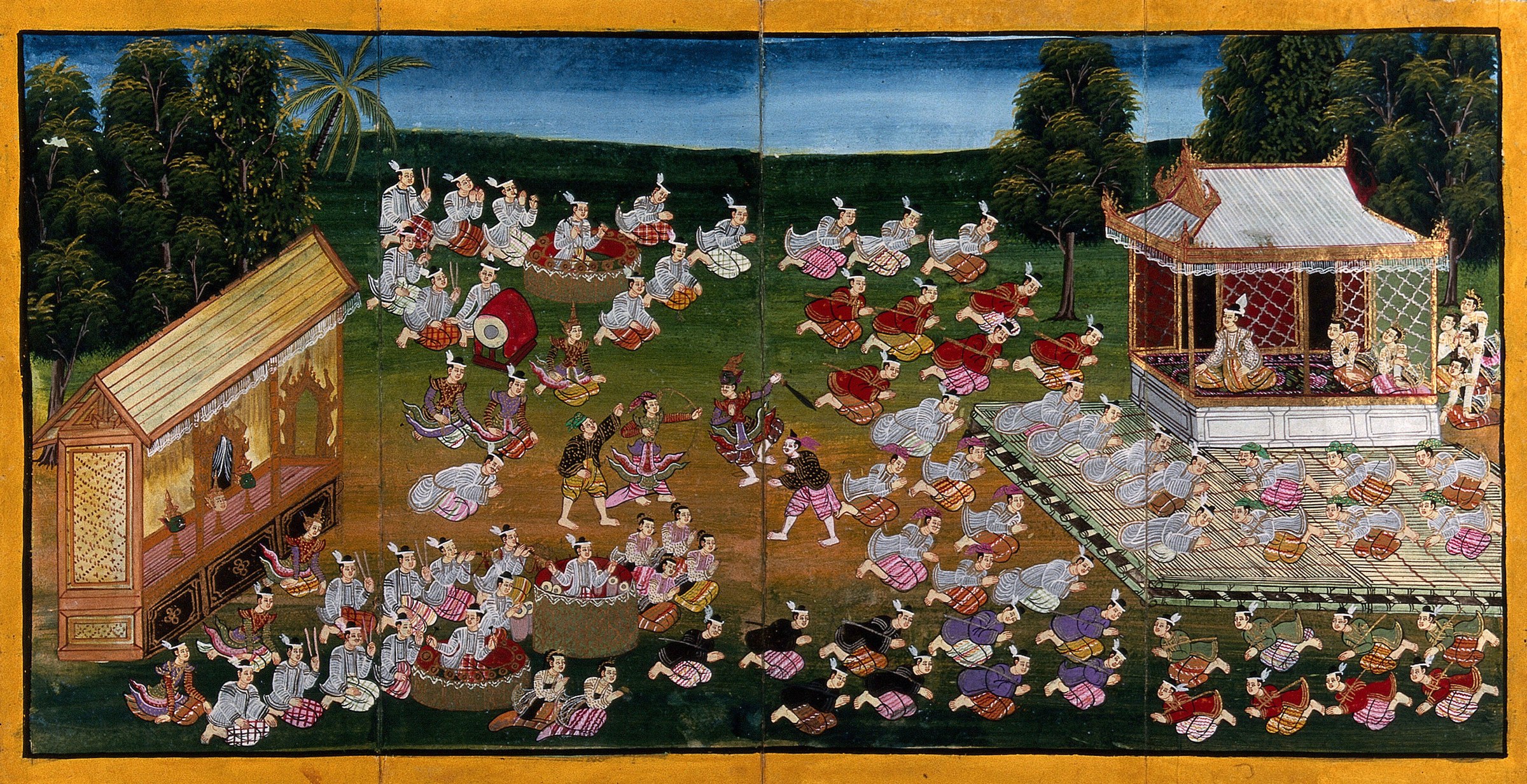
Burma: musicians and dancers perform while courtiers pay homage to a king. Gouache painting.
Unknown artist
Public Domain Mark
Continue Exploring
Lineage of Dance
500 years of dance evolution
Champions of Dance
Winners of marquee national & world titles
Language of Dance
161 dance terms & translations
Listening of Dance
Tempo, timing & musicality tools
Gallery of Dance
5,700+ artworks from museum collections
Attire of Dance
Evolution of dance dress across eras