Latin Jazz
Also known as: Afro-Cuban jazz dance, Latin jazz dance, Afro-Caribbean jazz, mambo jazz
History & Cultural Context
The musical ground was laid in New York from 1940 by Machito and his Afro-Cubans under Mario Bauzá, and by the meeting of bebop and Cuban percussion when Chano Pozo joined Dizzy Gillespie's band in 1947. The social dance culture that grew around it, centred on the Palladium Ballroom during the mambo years from the late 1940s to the mid-1960s and driven by the bands of Machito, Tito Puente and Tito Rodríguez, produced a generation of virtuoso mambo dancers whose material fed directly into stage and studio work. On the concert and theatrical side, Katherine Dunham's field research in Haiti, Jamaica, Martinique and Trinidad in the mid-1930s and the technique she built from it gave American jazz dance a systematic route into Afro-Caribbean torso and pelvic articulation, and Jack Cole drew on Afro-Cuban and Latin material alongside his other sources in building the commercial jazz idiom that Hollywood and Broadway adopted. Later Caribbean and Nuyorican forms, including the boogaloo era and the salsa industry that followed, kept refreshing the vocabulary. What reaches a studio class today is a hybrid: jazz technique in the legs and line, Afro-Cuban rhythm in the accents, and hip and rib articulation that comes from rumba, son and folkloric material rather than from swing.
Cultural Significance
The movement and the music are African diasporic before they are American, and their route into jazz dance runs through Cuba, Haiti, Puerto Rico and the wider Caribbean, carried by musicians and dancers who were rarely credited on the terms the material deserved. In New York the mambo era was also a social achievement: the Palladium crowd was Black, Puerto Rican, Cuban, Italian and Jewish at a moment when little else in the city mixed that way. When the idiom is taught as a studio style detached from clave and from its folkloric sources, it loses the thing that makes it coherent.
Characteristic Movement & Technique
Weight stays low and settled into the standing leg, with the hip action produced by alternating knee bend and ankle articulation rather than by pushing the pelvis, which is the mechanism usually called Cuban motion. The ribcage and shoulders work independently of the pelvis, so the torso can carry a rhythmic line of its own against the feet, and the arms often mark the clave or answer the percussion. Footwork is small, quick and directly under the body in the social-derived material, opening into jazz turns, extensions and travelling steps in the theatrical version. Isolation is the technical demand: several body parts sustaining different rhythmic patterns at once.
Partnering Dynamics
The social forms it draws on are strongly partnered with a lead-follow connection through the hands and a shared centre of rotation, but theatrical Latin jazz is usually danced solo or in ensemble unison. Where partnering does appear on stage it is used for turn patterns, lifts and pictorial effect rather than for the improvised negotiation that drives the social dance. Solo footwork passages, the shines of the social tradition, translate readily into ensemble stage work.
Competitive Context
The theatrical idiom has no competitive circuit of its own, but its vocabulary appears constantly in studio competition jazz categories, usually stripped of clave and reduced to hip accents. The genuinely competitive life sits next door in salsa and mambo competition, which is a different discipline with its own judging conventions. Dancers trained only in the studio version are often unprepared for the rhythmic demands of that world.
Regional Variations
New York material is mambo-derived and breaks on two; Los Angeles and much of the touring commercial world work on one and are more turn-and-line oriented. Miami and Puerto Rico carry stronger direct Cuban and Puerto Rican social lineages, and Caribbean folkloric traditions outside Cuba, particularly Haitian and Trinidadian, entered the American idiom largely through Dunham-trained teachers. European and Japanese scenes tend to follow whichever New York or Los Angeles lineage taught there first.
Common Misconceptions
The commonest error is treating this as salsa with jazz arms, or as a decorative overlay on standard jazz technique. The rhythmic organisation is different at the root: clave is not a stylistic flavour but the structure the movement is counted against. A second frequent error is calling the whole field Cuban, when Haitian, Puerto Rican, Trinidadian and other Caribbean traditions are also load-bearing.
Peak Popularity
Signature Figures
- Cuban motion generated from knee and ankle rather than the pelvis
- Clave-based accenting against the downbeat
- Mambo basic with the break on two
- Cha-cha-chá triple step
- Shines, solo footwork passages
- Independent rib and shoulder isolation over a settled pelvis
Notable Codifiers
- Katherine Dunham
- Jack Cole
Latin Jazz in performance
One staged work in the Limelight catalogue contains Latin Jazz.
- West Side Story1957Musical theatre · Jerome Robbins
The score and dance vocabulary throughout the original production — Latin-rhythm-based dance idiom woven through the show's jazz-dance vocabulary, per Bernstein's own stylistic blend. Source: "Bernstein's score for West Side Story blends "jazz, Latin rhythm…
Every claim above is quoted from a cited source and names where in the work the style appears. Claims we could not place or could not quote are held back from this list and shown on the work’s own page instead. Browse the full performance catalogue →
Sources & Further Reading
Cultural & Historical Context
Latin Jazz emerged from New York City, from Cuban and wider Caribbean sources during the 1940s—present day. Understanding the cultural roots, musical traditions, and social circumstances of this era enriches appreciation for the dance's characteristics and significance.
Formative Influences
Codifiers & Standardizers:
Katherine Dunham, Jack Cole
Signature Movement Vocabulary:
Cuban motion generated from knee and ankle rather than the pelvis, Clave-based accenting against the downbeat, Mambo basic with the break on two, Cha-cha-chá triple step, Shines, solo footwork passages, Independent rib and shoulder isolation over a settled pelvis
Primary Source Documents
The Library of Dance contains public-domain primary sources for dance history. Copyrighted modern syllabi are indexed with purchase links to their respective copyright owners. Search by dance name or codifier to discover primary source documents.
Last reviewed: September 2026 — This dance profile synthesizes historical research, cultural documentation, and contemporary practice knowledge to provide authoritative context.
More in Jazz Dance
Vernacular Jazz
The African American social-dance 'trunk' of jazz dance—ragtime steps, the Charleston, and the Lindy Hop—from which the theatrical branches grew.
Broadway / Theatrical Jazz
The presentational, musical-theater branch of jazz dance shaped by choreographers such as Jack Cole, Jerome Robbins, and Bob Fosse.
Lyrical Jazz
A late-20th-century fusion branch combining jazz technique with the continuity and emotional expression of ballet and contemporary dance, danced to lyrics-driven music.
Jazz Funk
A commercial, street-influenced branch of jazz dance set to hip-hop, R&B, and pop, prominent in music videos and concert choreography.
Dunham Technique
Katherine Dunham's codified technique drawing on Caribbean and African dance, foregrounding torso isolations, polyrhythm, and a wider rhythmic range than other Western dance of its time.
Vaudeville Jazz
The dance of the American variety stage from roughly the 1880s to the 1930s, where tap, eccentric dance, acrobatic and flash acts, and much of the vocabulary later called jazz dance were invented, tested nightly and professionalised. It was a working system as much as an art form: acts refined material across thousands of performances under booking agents who controlled where and for how much a dancer could work. Most of the vocabulary that survives in tap and musical theatre today was created by Black performers inside a segregated industry that paid them least and credited them last.
Jazz Dance in art
Browse the gallery →Works from the wider Jazz Dance tradition — we have not yet identified enough that depict Latin Jazz specifically.
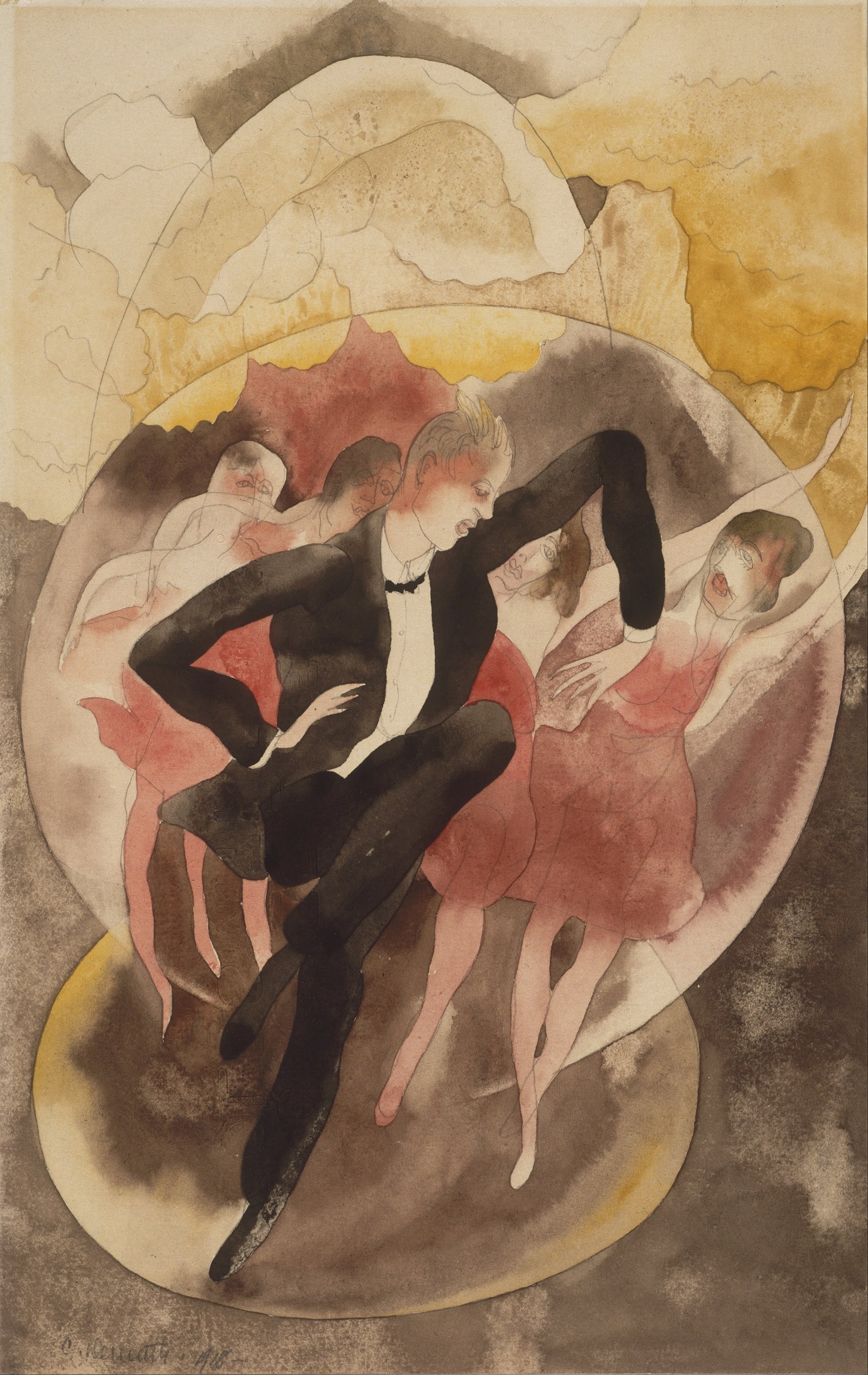
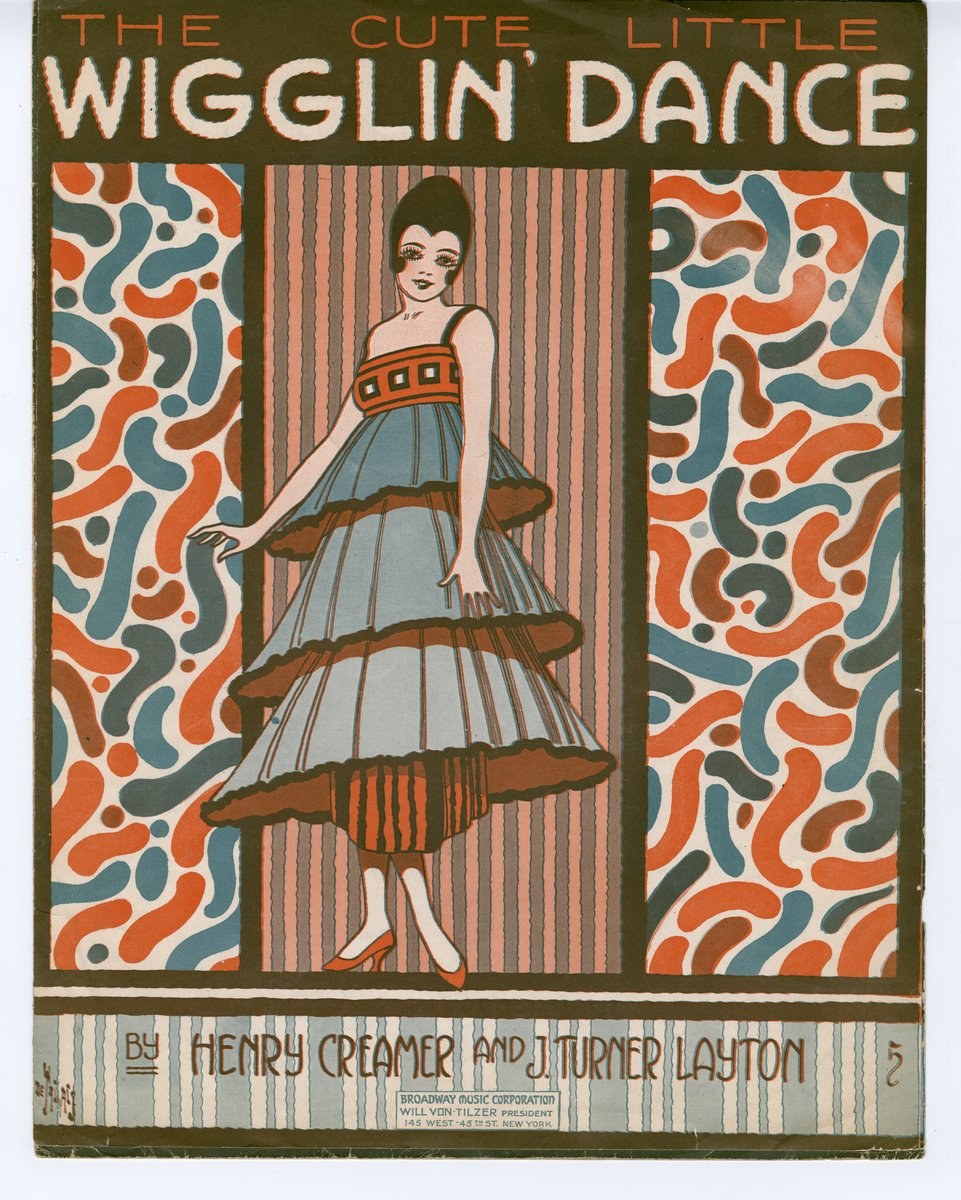
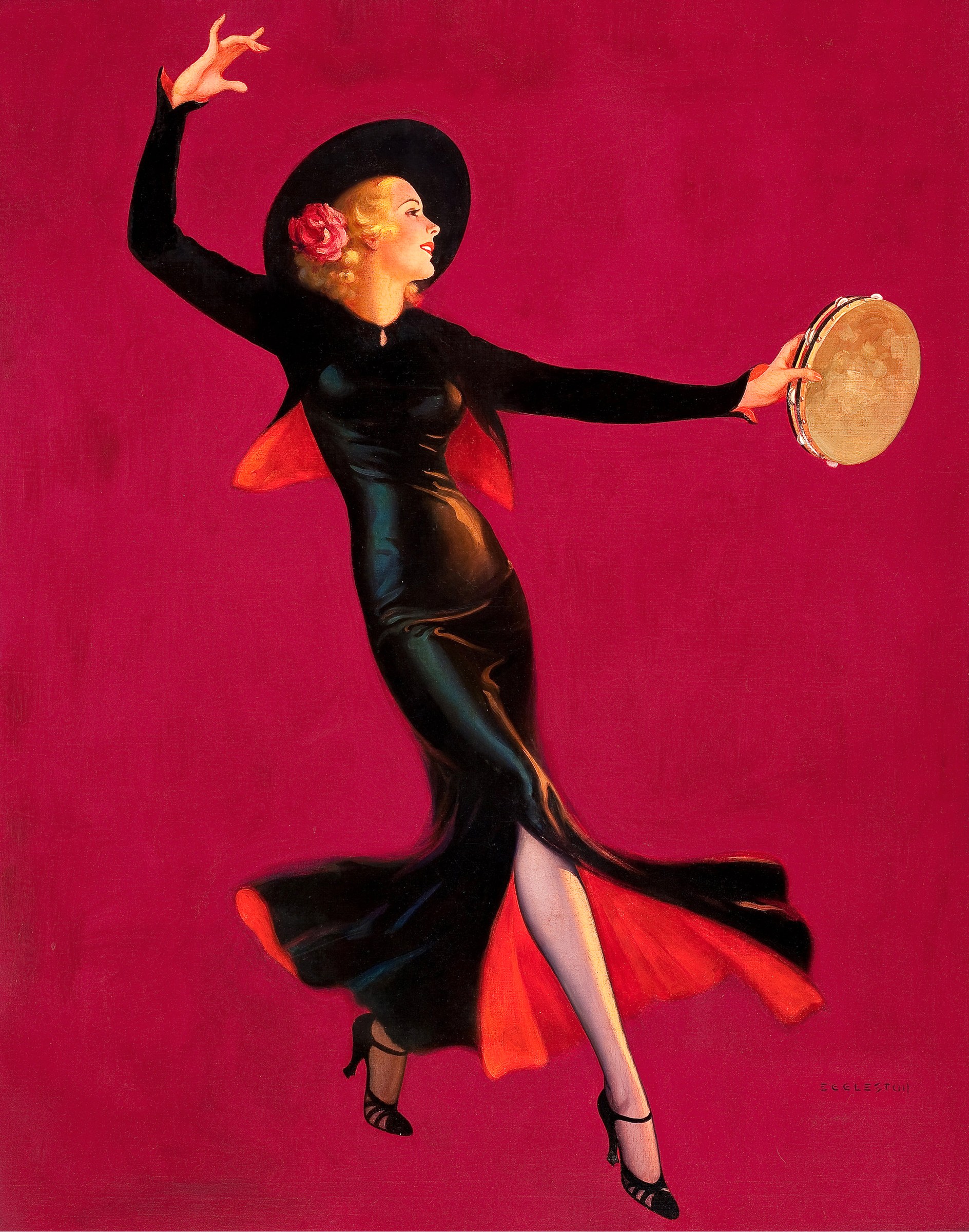
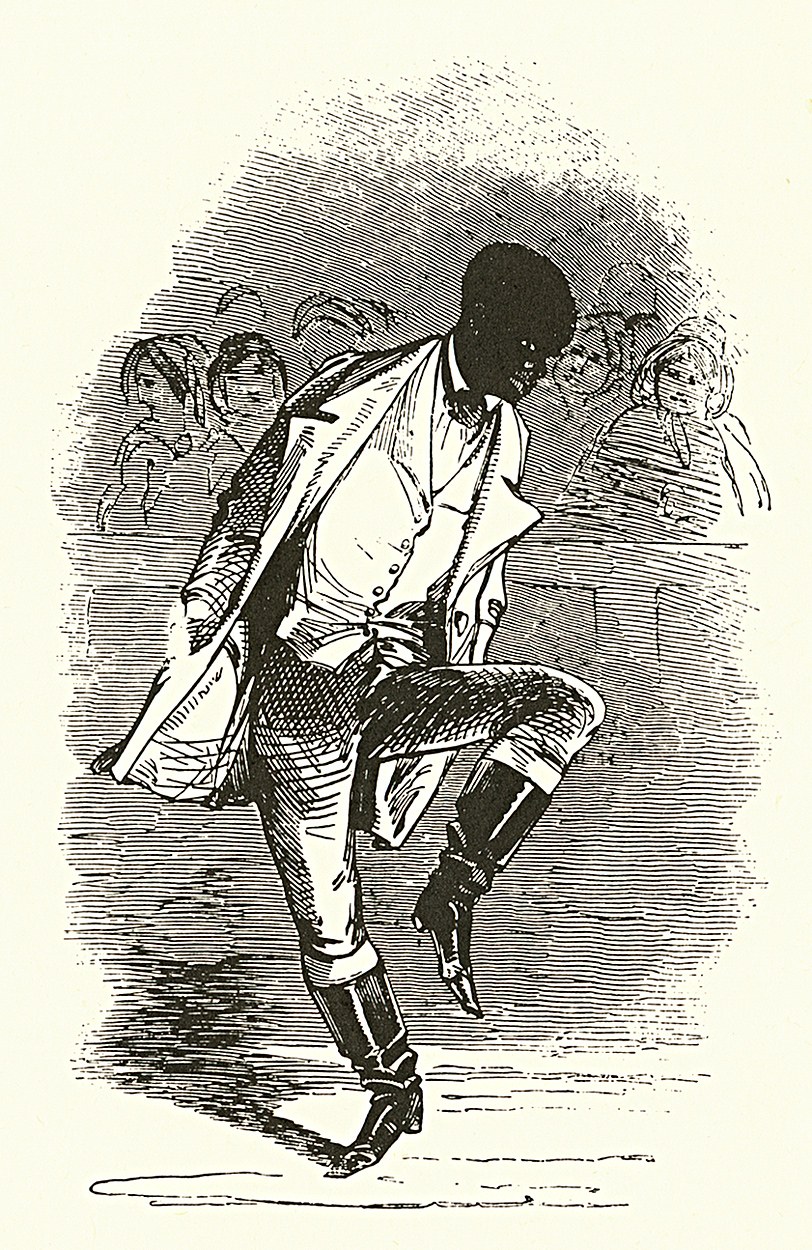
Master Juba
Hans Nathan · 1848
Public Domain
Fairy dance : Valse lente
Unknown artist · 1904
Public Domain
Dancing
Unknown artist · 1910
Public Domain
Continue Exploring
Lineage of Dance
500 years of dance evolution
Champions of Dance
Winners of marquee national & world titles
Language of Dance
161 dance terms & translations
Listening of Dance
Tempo, timing & musicality tools
Gallery of Dance
5,700+ artworks from museum collections
Attire of Dance
Evolution of dance dress across eras
Keep the thread going
Dance history, technique, and the occasional rabbit hole — in your inbox. Thoughtful, infrequent, unsubscribe anytime.
Free. No spam. One click to leave.