Vaudeville Jazz
Also known as: vaudeville dance, variety stage dance, vaudeville tap and specialty dance, early American theatrical jazz dance
History & Cultural Context
Vaudeville inherited its dance material from minstrelsy, from Irish and English step traditions, and above all from Black Southern buck dancing and juba, and then subjected all of it to relentless commercial pressure: a performer had a few minutes to land, and steps that failed were discarded. Black acts worked mainly through the Theatre Owners Booking Association, organised in 1921, playing long, badly paid weeks in segregated Southern and Midwestern houses. On the white circuits the constraints were different and no less severe: the so-called two-colored rule kept Black acts to two performers, blackface makeup and dialect convention were often required even of Black performers, and billing and salary were routinely below what comparable white acts commanded. Within those constraints the technical development was extraordinary. Rhythm tap moved from the two-feel buck dancing of King Rastus Brown's generation to full four-to-the-bar syncopation as John W. Bubbles dropped his heels and stretched the phrase, Bill Robinson brought a light, clear, up-on-the-toes attack to the biggest stages in the country, Eddie Rector built the elegant travelling style of the class acts, the Nicholas Brothers turned the flash finish into something no one has surpassed, and Buddy Bradley choreographed for white Broadway and London stars whose programmes did not carry his name.
Cultural Significance
Vaudeville was an industry with a hierarchy of circuits, and where an act sat in that hierarchy was decided by booking offices, not audiences. Black performers created a great deal of the material and worked under the worst terms in it: TOBA weeks were long and poorly paid, accommodation and travel were constrained by segregation, and steps were routinely lifted by white acts who could copyright and broadcast them. The apprenticeship culture that formed alongside this, above all the Hoofers Club in Harlem, was the real training system of American tap, and it operated on peer scrutiny and challenge rather than on any syllabus. Both facts are true at once, and an account that keeps only the artistry is not an accurate account.
Characteristic Movement & Technique
The centre of the work is the foot as a rhythm instrument, with weight kept forward for buck material and the sound produced by toe, heel and ball in separable articulations rather than by stamping. Eccentric and legomania acts worked from deliberate distortion, loose knees, collapsing joints and rubber-legged travelling, while class acts prized an unhurried upper body over fast feet so the rhythm appeared to cost nothing. Flash acts built to an acrobatic climax with splits, air steps, over-the-tops, trenches and no-hands knee drops, usually placed in the last thirty seconds because that is what an audience remembered. Across all of it the torso stays comparatively quiet and the information is carried by the feet.
Partnering Dynamics
This is not a partnered form in the ballroom sense; the working unit was the act, and duos and trios dominated, in part because the two-colored rule on white circuits made larger Black acts unbookable. Partners related by trading and answering rhythmic phrases, dancing unison so tight it read as one body, or splitting comic and straight roles. Adagio, apache and acrobatic acts did use genuine lifted partnering, and male-female comedy acts used flirtation as a structural device rather than as romance.
Competitive Context
The form's native competitive structure was the challenge or cutting contest, informal, reputational and often held in back rooms rather than on stage, and reputations at the Hoofers Club were built and lost that way. There has never been a formal competitive syllabus for this material, and there is none now. Its vocabulary survives in tap and musical theatre competition categories, and in tap festival culture, where reconstruction and lineage matter more than scoring.
Regional Variations
The Southern buck and juba lineage was the raw material; Northern urban circuits, especially New York and Chicago, industrialised it and added acrobatic and comic specialisation. TOBA houses ran mainly through the South and Midwest, while the big-time white circuits, Keith-Albee in the East and Orpheum in the West, offered better conditions to the few Black acts they booked. Touring took the vocabulary to Britain and Europe, where Buddy Bradley's London work in the 1930s put it directly into British revue and musical theatre.
Common Misconceptions
The most damaging error is the assumption that this material was untrained natural talent rather than the product of a brutal professional apprenticeship, an assumption manufactured in part by the publicity of the period. A second is that tap was a Hollywood invention; film recorded a vocabulary that the variety stage had already finished developing. A third is that TOBA was a Black-run alternative circuit that protected its performers, when in practice most of its theatres were white-owned and the terms were notoriously poor.
Peak Popularity
Signature Figures
- Time step
- Buck-and-wing
- Wings
- Over-the-top
- Trenches
- The stair dance
- The Shim Sham Shimmy
- Soft shoe and sand dance
- Legomania and rubber-leg eccentric work
- The challenge or cutting contest
Notable Codifiers
- Bill "Bojangles" Robinson
- John W. Bubbles
- King Rastus Brown
- Eddie Rector
- Buddy Bradley
- the Nicholas Brothers
- the Whitman Sisters
Vaudeville Jazz in performance
2 staged works in the Limelight catalogue contain Vaudeville Jazz, 1970–1975.
- Chicago1975Musical theatre · defining style
The show's musical numbers throughout, described as 'A Musical Vaudeville' — Each number was built as a discrete, presentational vaudeville-style act modeled on a specific period performer's persona and delivery, rather than integrated into naturalistic sce…
- Who Cares?1970Ballet · George Balanchine
Part One, the ensemble suite of the first eight songs — Vaudeville-derived stage vocabulary — hoofer-style stepping and showgirl posing — worked into an otherwise classical pointe ensemble. Source: "staged as a suite of classical dances... with some hoofer…
Every claim above is quoted from a cited source and names where in the work the style appears. Claims we could not place or could not quote are held back from this list and shown on the work’s own page instead. Browse the full performance catalogue →
Sources & Further Reading
Cultural & Historical Context
Vaudeville Jazz emerged from United States, on the touring variety theatre circuits during the 1880s—1935. Understanding the cultural roots, musical traditions, and social circumstances of this era enriches appreciation for the dance's characteristics and significance.
Formative Influences
Codifiers & Standardizers:
Bill "Bojangles" Robinson, John W. Bubbles, King Rastus Brown, Eddie Rector, Buddy Bradley, the Nicholas Brothers, the Whitman Sisters
Signature Movement Vocabulary:
Time step, Buck-and-wing, Wings, Over-the-top, Trenches, The stair dance, The Shim Sham Shimmy, Soft shoe and sand dance, Legomania and rubber-leg eccentric work, The challenge or cutting contest
Primary Source Documents
The Library of Dance contains public-domain primary sources for dance history. Copyrighted modern syllabi are indexed with purchase links to their respective copyright owners. Search by dance name or codifier to discover primary source documents.
Last reviewed: September 2026 — This dance profile synthesizes historical research, cultural documentation, and contemporary practice knowledge to provide authoritative context.
More in Jazz Dance
Vernacular Jazz
The African American social-dance 'trunk' of jazz dance—ragtime steps, the Charleston, and the Lindy Hop—from which the theatrical branches grew.
Broadway / Theatrical Jazz
The presentational, musical-theater branch of jazz dance shaped by choreographers such as Jack Cole, Jerome Robbins, and Bob Fosse.
Lyrical Jazz
A late-20th-century fusion branch combining jazz technique with the continuity and emotional expression of ballet and contemporary dance, danced to lyrics-driven music.
Jazz Funk
A commercial, street-influenced branch of jazz dance set to hip-hop, R&B, and pop, prominent in music videos and concert choreography.
Dunham Technique
Katherine Dunham's codified technique drawing on Caribbean and African dance, foregrounding torso isolations, polyrhythm, and a wider rhythmic range than other Western dance of its time.
Latin Jazz
The branch of American theatrical jazz dance whose rhythmic and movement basis is Afro-Cuban and Afro-Caribbean rather than Anglo-American swing. It took shape as Cuban musicians and dancers, and researchers who had worked in the Caribbean, brought clave-based rhythm and a mobile pelvis and torso into jazz dance from the 1940s onward. It matters because it is one of the few places in commercial jazz training where the African diasporic source is still explicit in the movement itself.
Jazz Dance in art
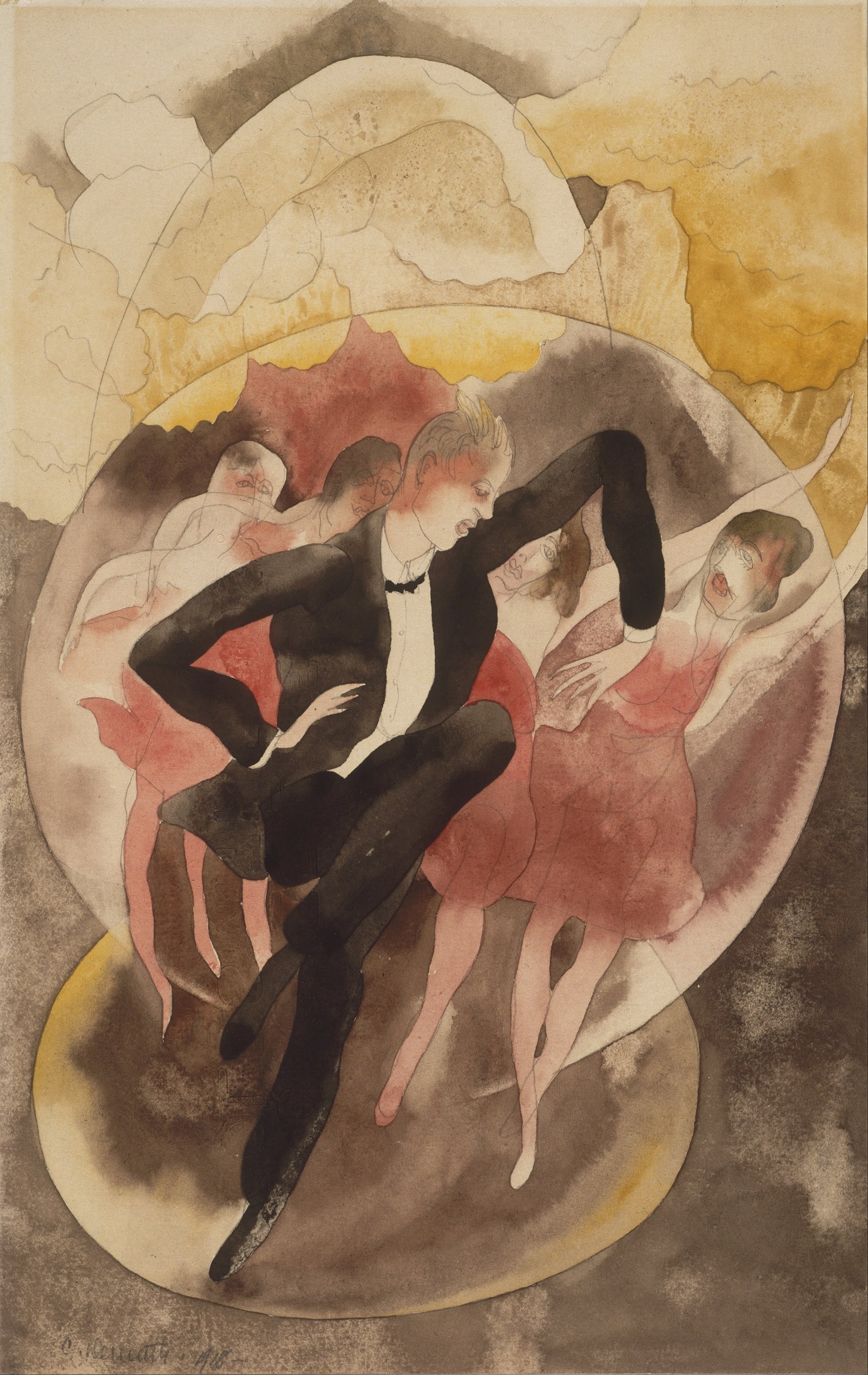
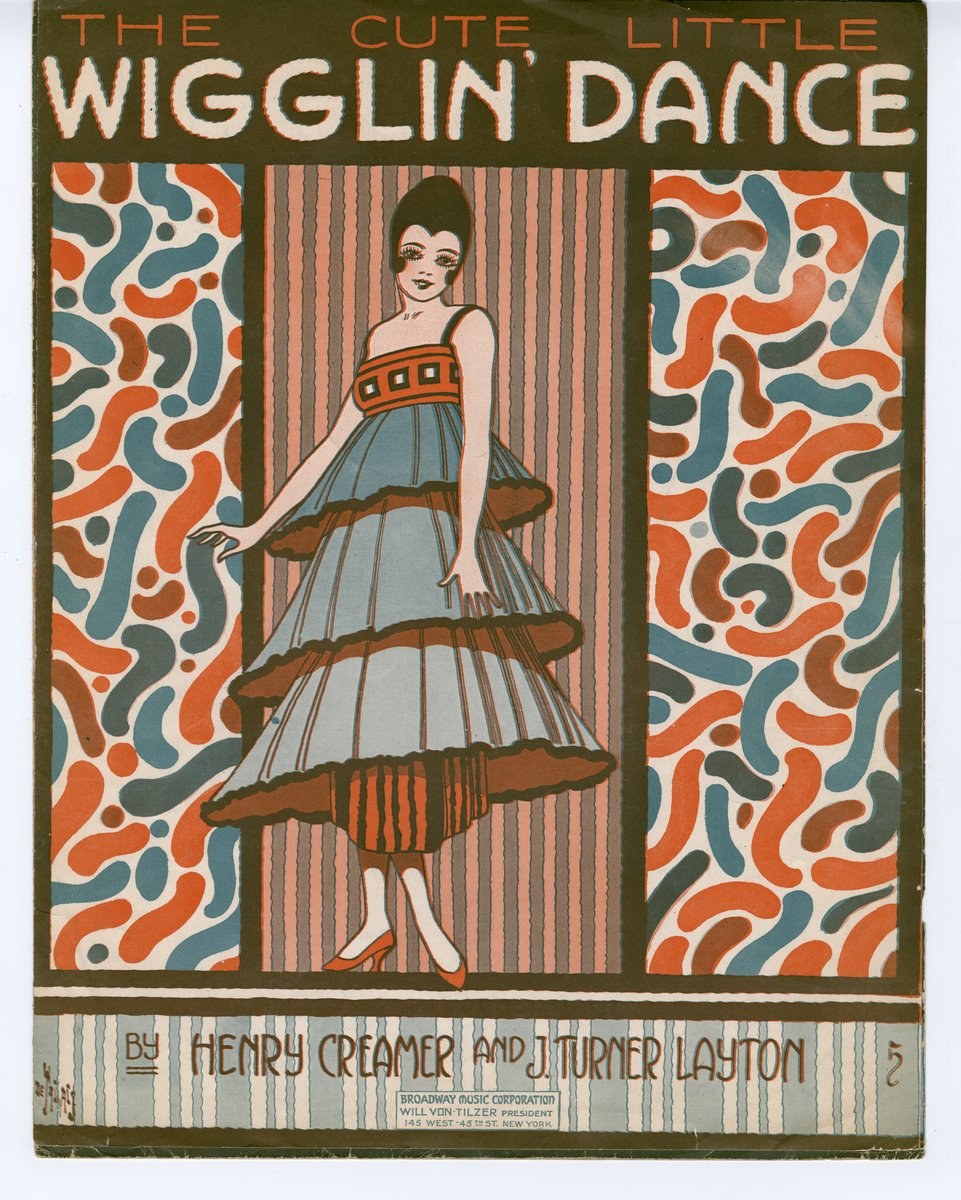
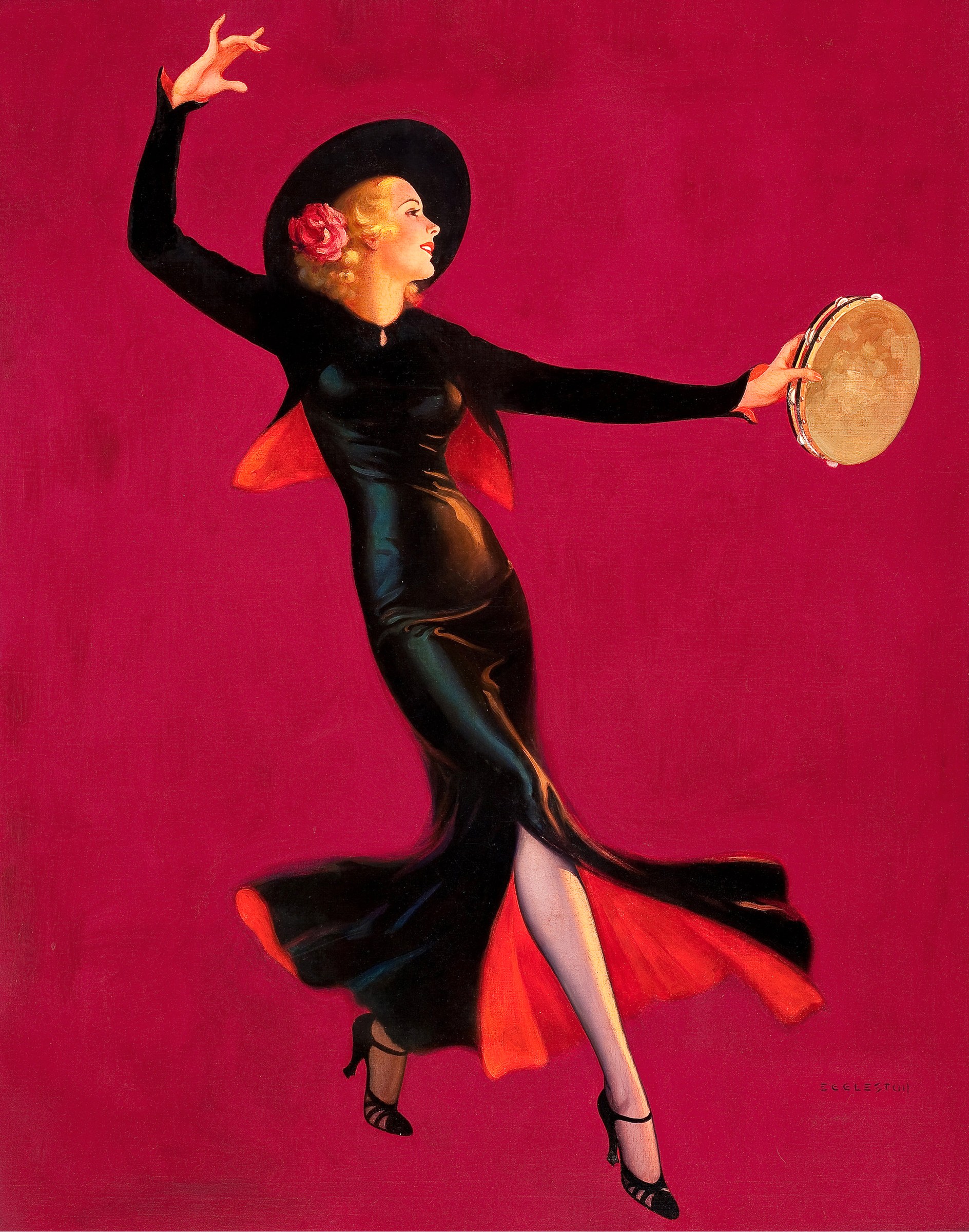
Browse the gallery →Works from the wider Jazz Dance tradition — we have not yet identified enough that depict Vaudeville Jazz specifically.
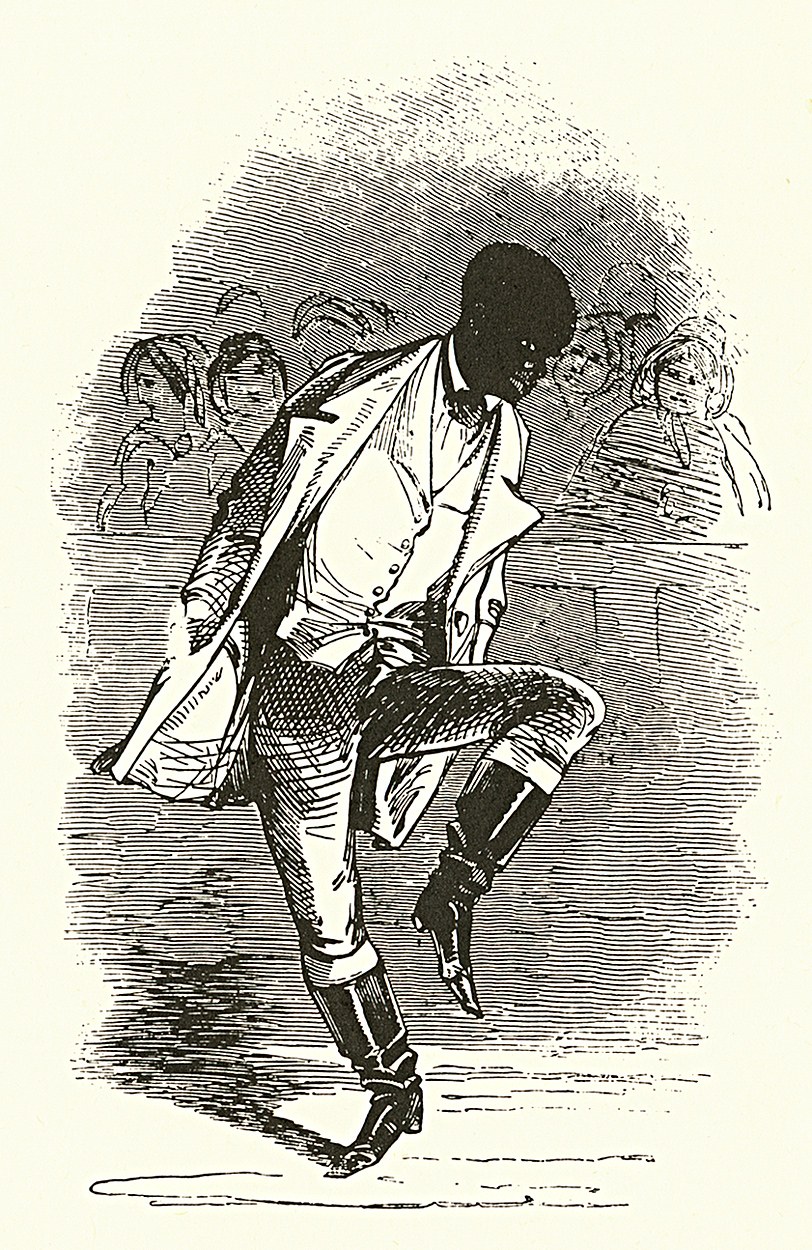
Master Juba
Hans Nathan · 1848
Public Domain
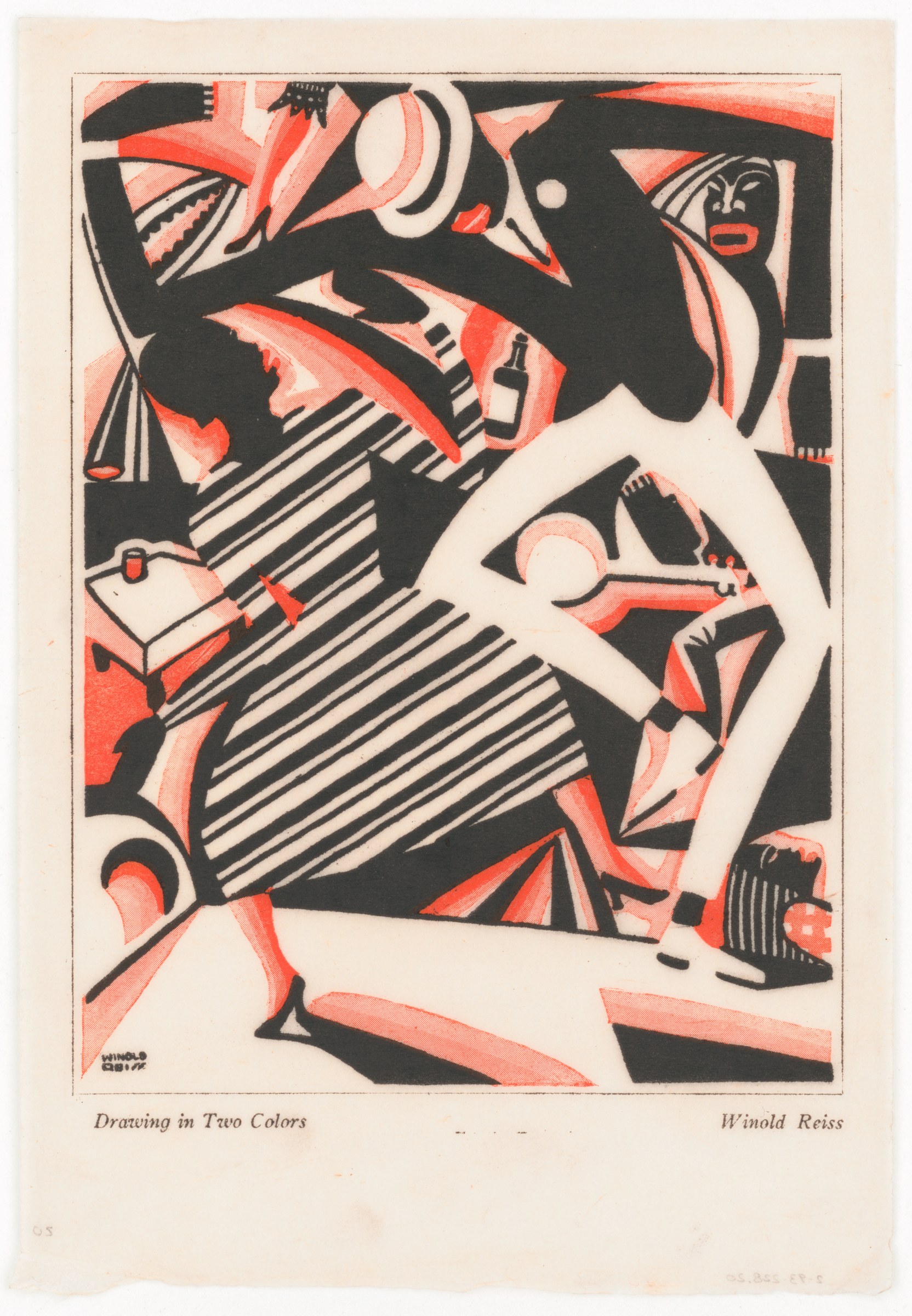
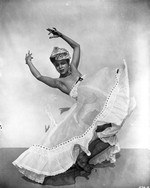
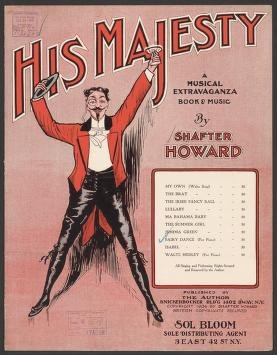
Fairy dance : Valse lente
Unknown artist · 1904
Public Domain
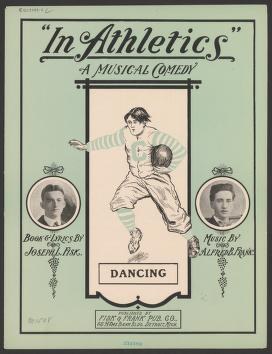
Dancing
Unknown artist · 1910
Public Domain
Continue Exploring
Lineage of Dance
500 years of dance evolution
Champions of Dance
Winners of marquee national & world titles
Language of Dance
161 dance terms & translations
Listening of Dance
Tempo, timing & musicality tools
Gallery of Dance
5,700+ artworks from museum collections
Attire of Dance
Evolution of dance dress across eras
Keep the thread going
Dance history, technique, and the occasional rabbit hole — in your inbox. Thoughtful, infrequent, unsubscribe anytime.
Free. No spam. One click to leave.